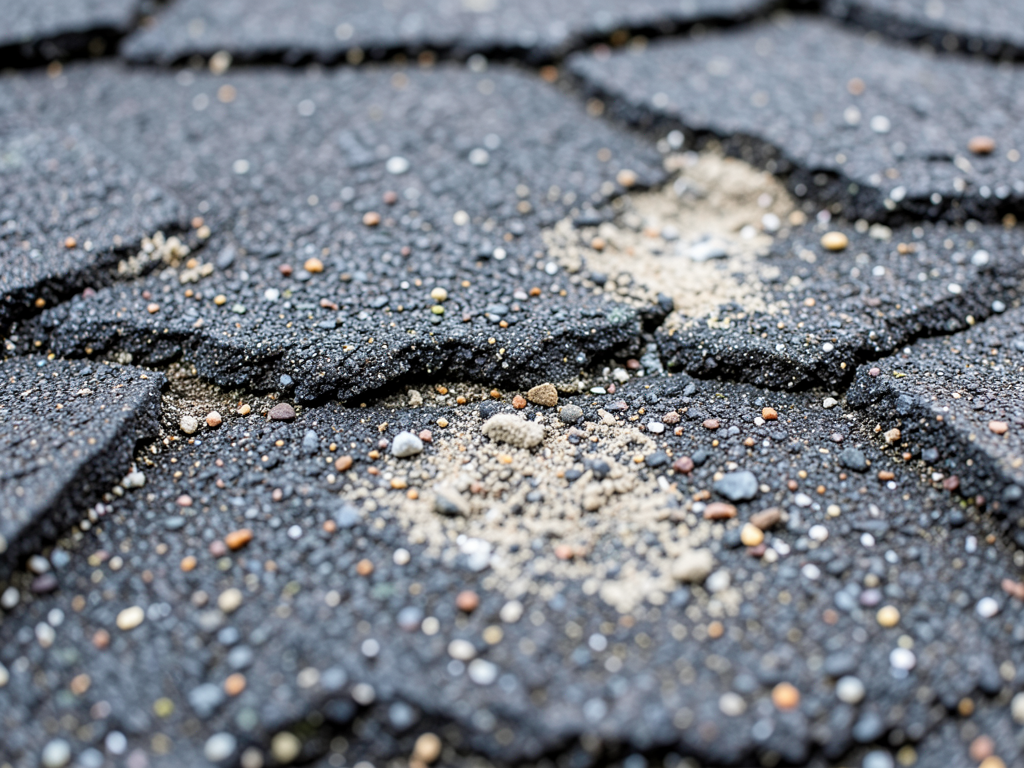





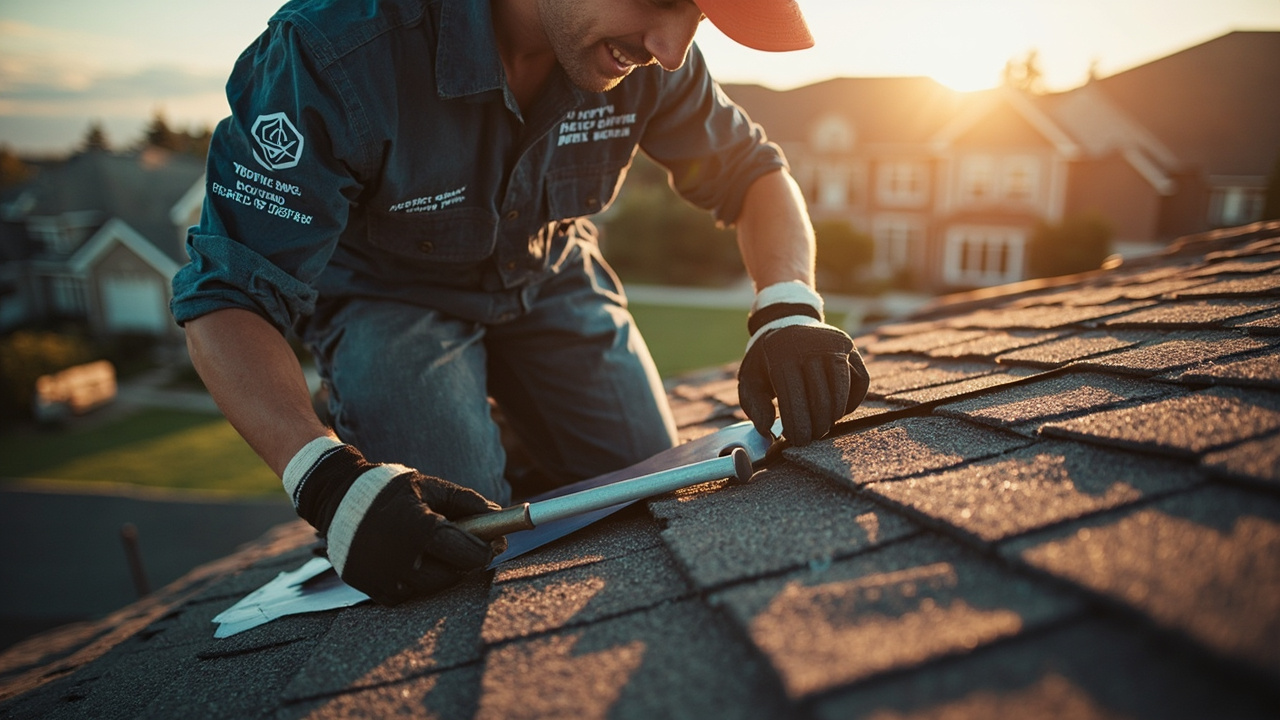
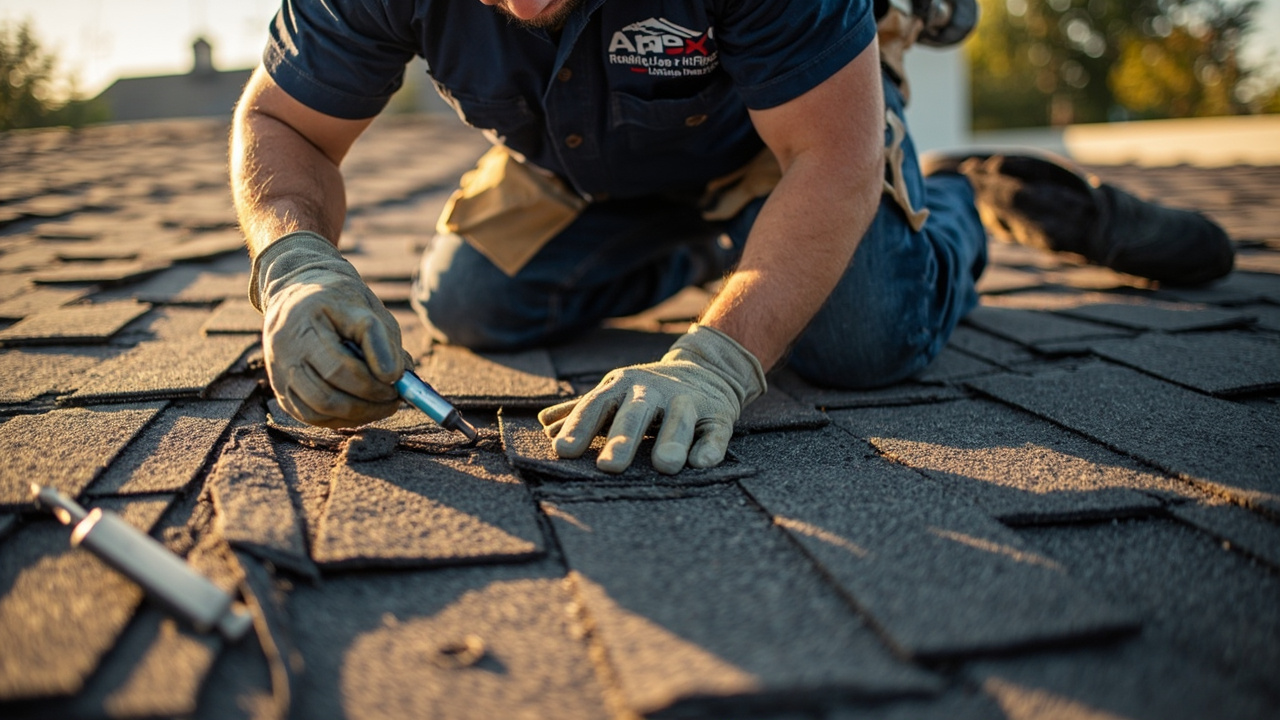
Denver experiences more than 80 freeze-thaw cycles per year, which is extreme compared to most U.S. cities. When morning temperatures are below freezing and afternoon temperatures hit 50 or 60 degrees, your roof deck expands and contracts repeatedly. This movement gradually loosens nails, especially smooth-shank fasteners that were common in older installations. Homes in neighborhoods like Washington Park and Bonnie Brae, where roofs are 20 or 30 years old, see higher rates of fixing roof nail pops because the wood has cycled through thousands of temperature swings.
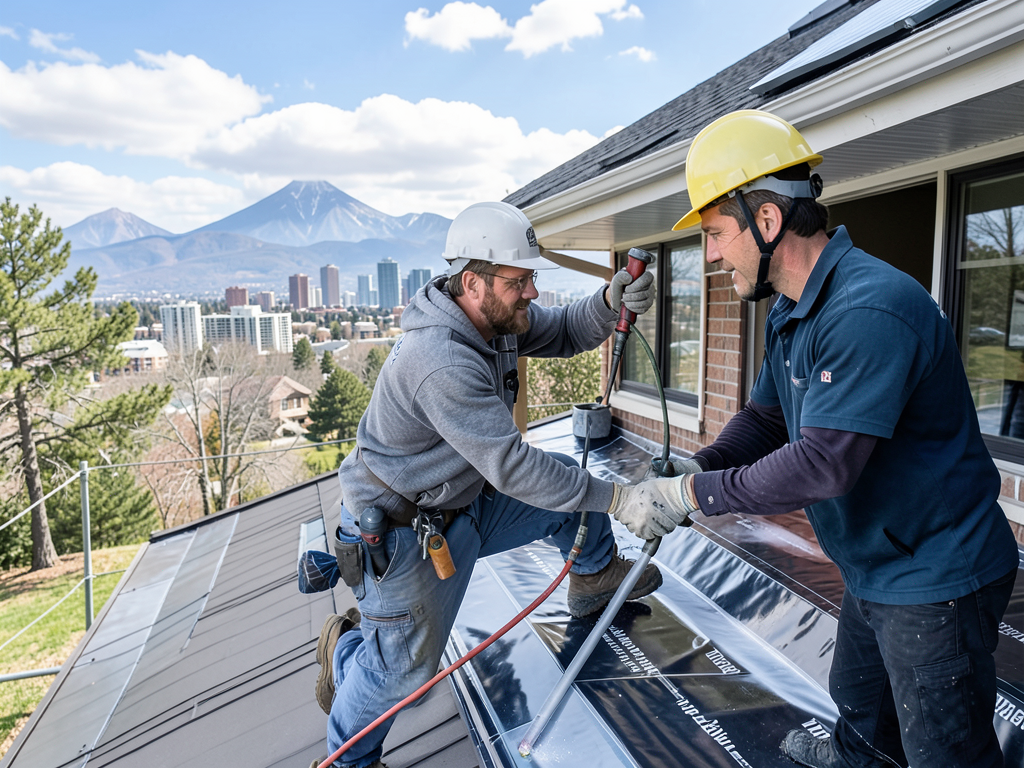
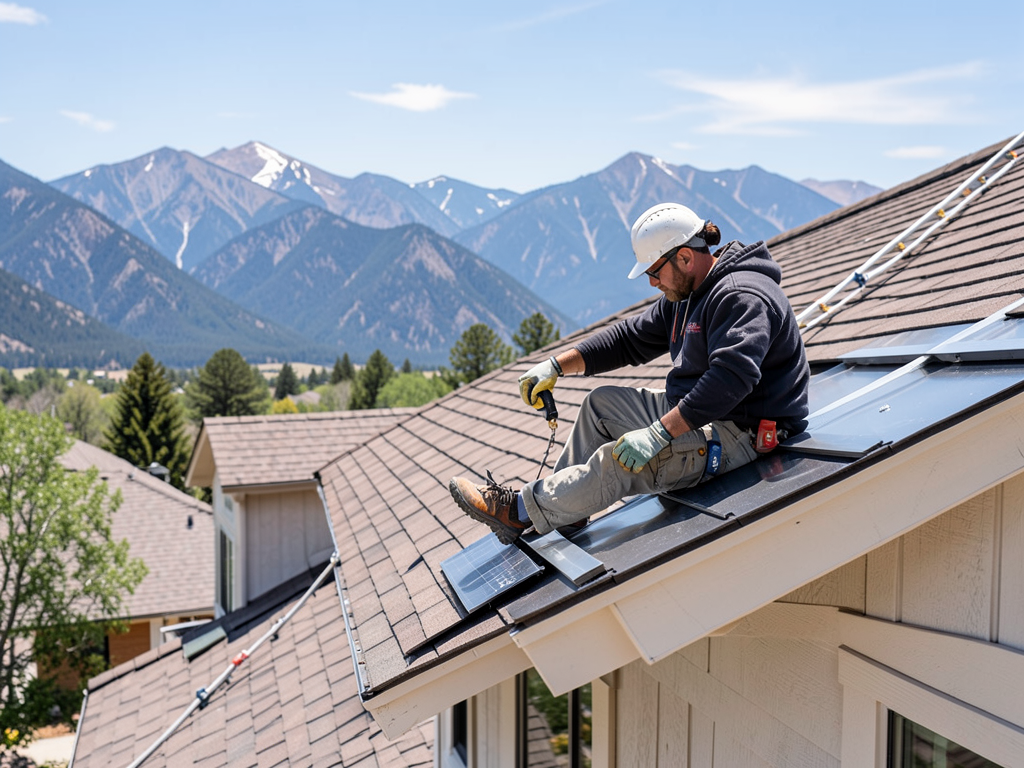
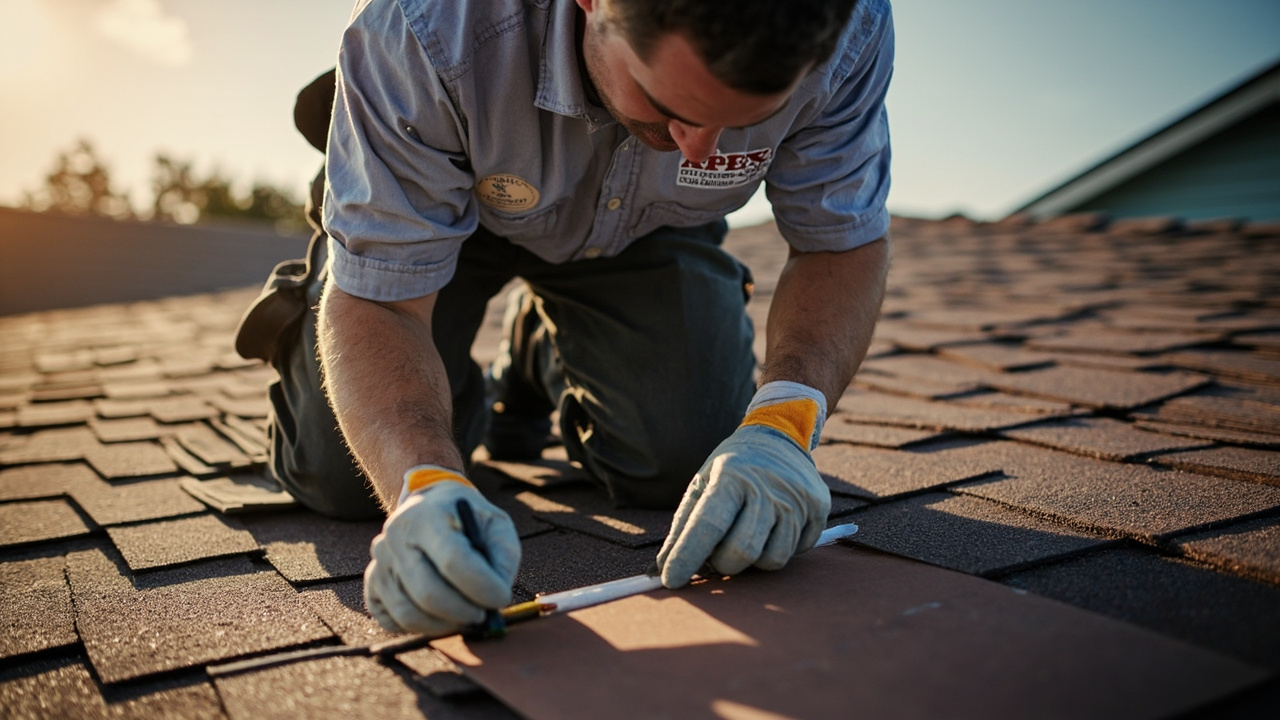
Apex Roofing Denver works exclusively in the Front Range, so we understand the fastener specifications required for our climate. We know which nail lengths work for different deck thicknesses and which sealants stay flexible in cold weather. Many national roofing companies send crews from out of state who do not understand how altitude and UV intensity affect materials. Local expertise matters when repairing popped roofing nails because the fix has to survive conditions that do not exist in lower elevations or humid climates.