




Menu

Valley Leak Repair in Denver – Stop Water Damage Before It Spreads Through Your Home

Expert valley leak repair services that identify the root cause, replace damaged flashing, and seal vulnerable joints to protect your Denver home from ongoing water intrusion and ceiling stains.

Slider Image 1
Slider Image 2
Slider Image 3
Slider Image 4
Slider Image 5
Slider Image 7
Slider Image 8
Slider Image 9
Slider Image 10
Slider Image 11

Why Roof Valleys Fail in Denver's Freeze-Thaw Climate

You notice a brown stain spreading across your ceiling after a spring snowmelt. The leak starts small but grows fast. This is the signature of a failing roof valley.

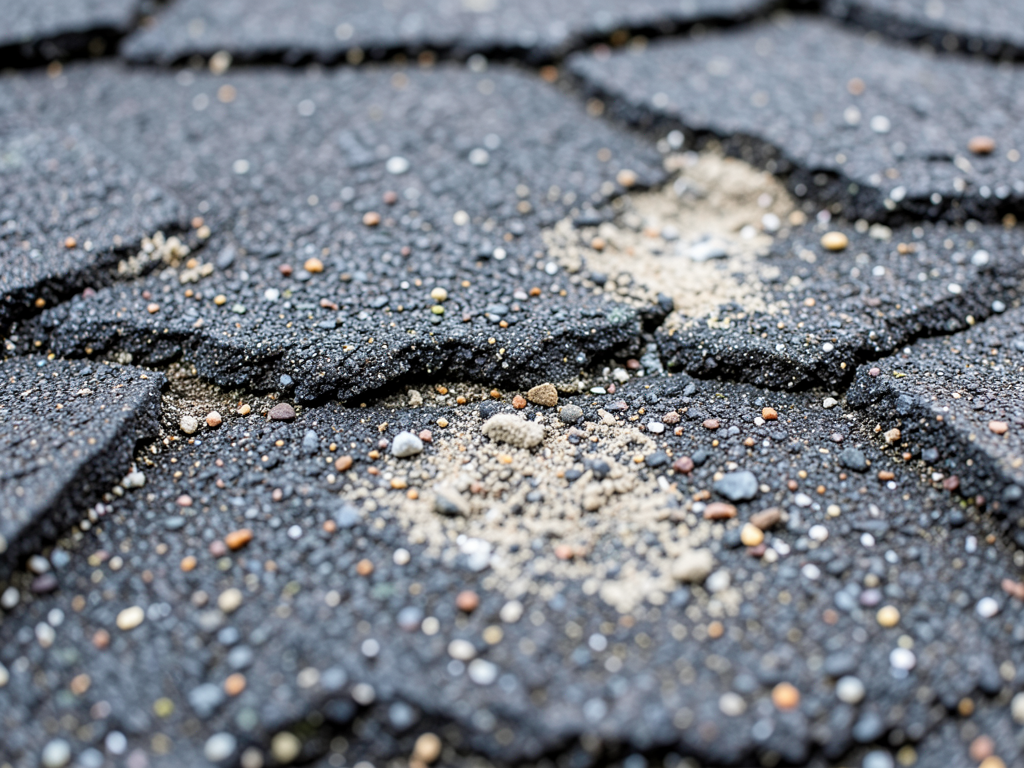
Denver's extreme temperature swings create the perfect storm for valley failures. When snow accumulates in the valley during winter, it melts during the day and refreezes at night. This freeze-thaw cycle forces ice under shingles and pries open flashing joints. Over time, the metal corrodes and separators break down.

Most valley leaks start at the seams where two roof planes meet. Water flows downhill at high volume during spring runoff, overwhelming compromised flashing. If the valley was originally installed with open metal channels, debris clogs the path and forces water sideways under shingles. Closed-cut valleys fail when the woven shingles separate from thermal expansion.

Fixing roof valley leaks requires more than a tube of caulk. You need proper flashing replacement, new ice and water shield underlayment, and correct shingle integration. Patching roof valley leaks with temporary sealant only delays the inevitable structural damage. The longer water travels through your roof deck, the more you pay for ceiling repairs, insulation replacement, and mold remediation.

Denver homes built before 2000 often have valley flashing that predates modern weatherproofing standards. If your roof is over 15 years old and you see streaking or granule loss in the valley channels, the failure has already started. Sealing roof valley joints stops the damage before it reaches your attic insulation and interior walls.

Why Roof Valleys Fail in Denver's Freeze-Thaw Climate
How Professional Valley Repair Stops Leaks Permanently

How Professional Valley Repair Stops Leaks Permanently

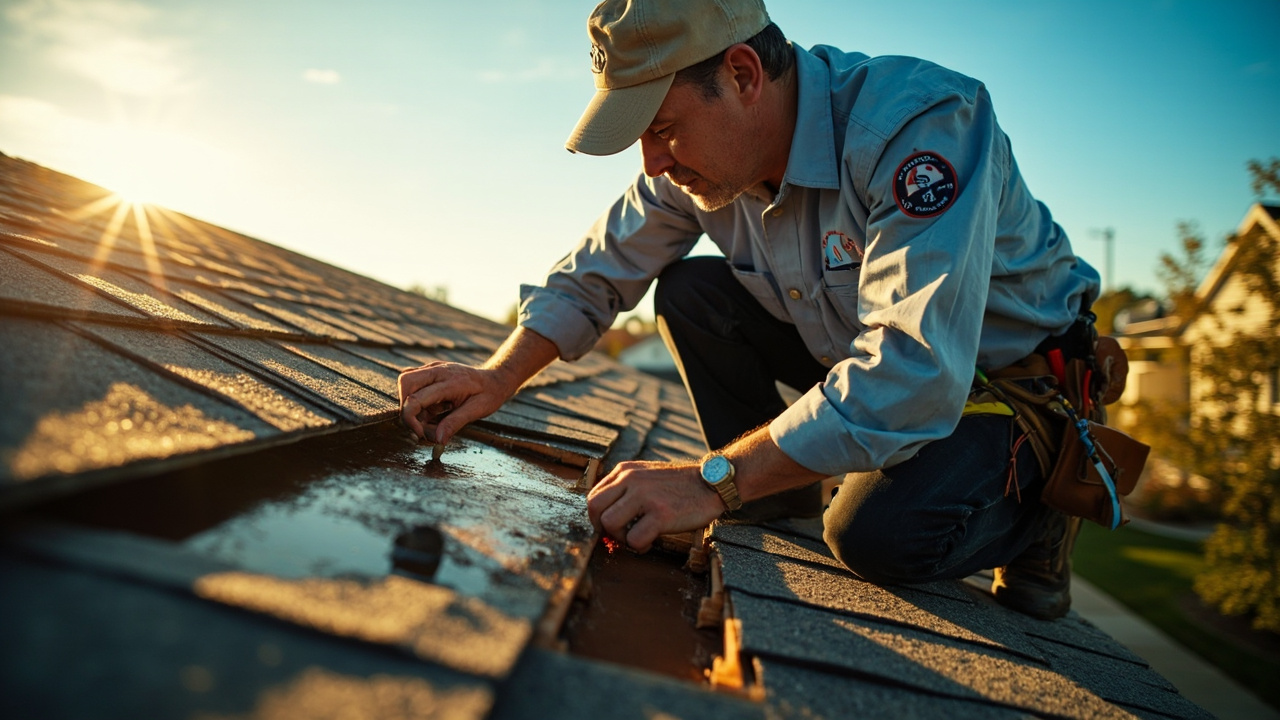
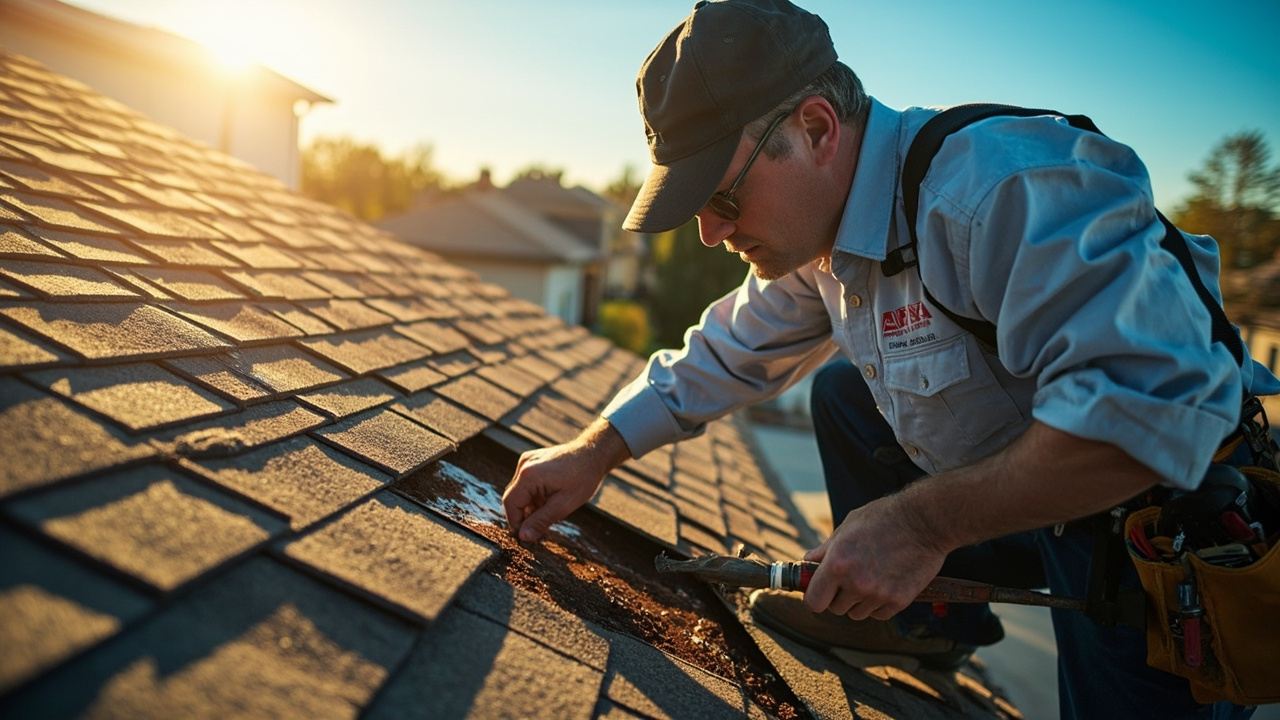
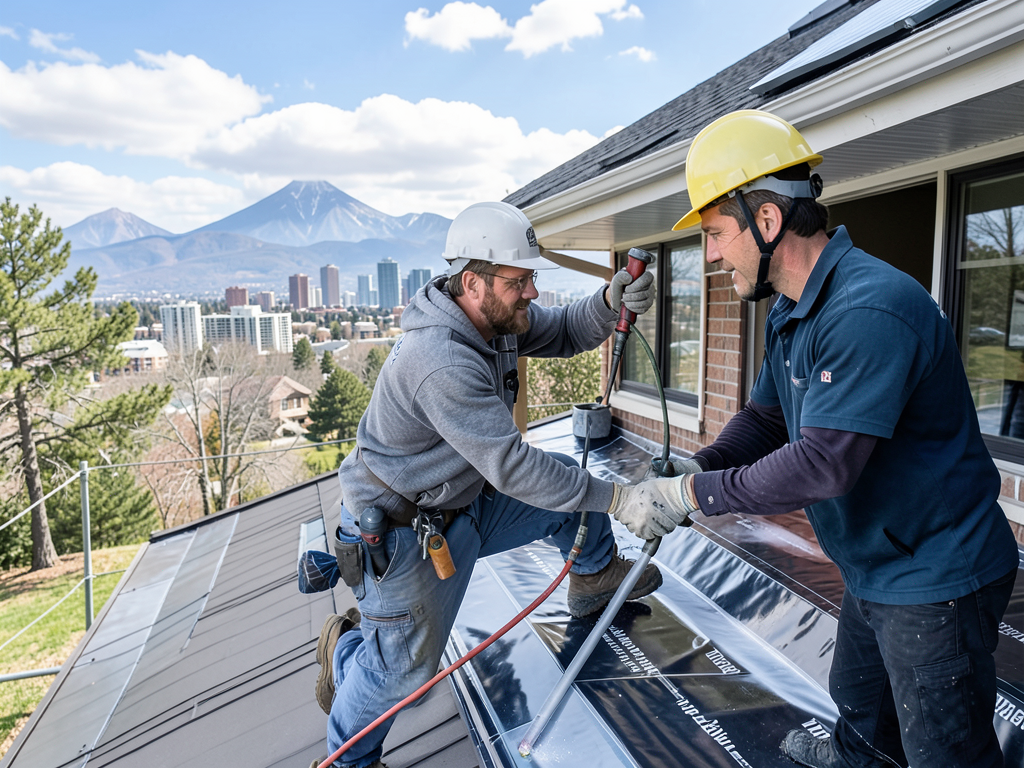
Roof valley flashing repair starts with removing the compromised materials, not covering them up. We pull back the surrounding shingles to expose the full valley assembly. This reveals whether the failure is limited to surface flashing or extends into the underlayment and deck.

Once exposed, we inspect the roof deck for soft spots and water staining. If the decking has begun to delaminate, we replace those sections with exterior-grade plywood before installing new flashing. Structural integrity matters because flashing relies on a solid nailing surface to resist wind uplift and thermal movement.

We install ice and water shield membrane that extends at least 12 inches on both sides of the valley centerline. This self-adhesive barrier bonds directly to the deck and creates a watertight seal even if water penetrates the metal flashing. In Denver, this protection is critical where ice dams form during prolonged cold snaps.

Next comes the valley flashing itself. We use corrosion-resistant metal that matches your roof profile, whether that is open valley with W-shaped channels or closed-cut valley with integrated shingle weaving. The flashing extends from the ridge down to the eave without seams or joints where water can infiltrate. Each edge gets mechanically fastened and then covered by properly cut shingles that direct water into the channel without creating dams.

Repairing damaged roof valleys also means addressing the drainage path. We verify that gutters align with valley discharge points and that downspouts move water away from the foundation. A perfect valley repair fails if water backs up at the eave and reverses direction under the shingles.

What Happens During Your Valley Leak Repair

Valley Leak Repair in Denver – Stop Water Damage Before It Spreads Through Your Home
01

Detailed Valley Inspection

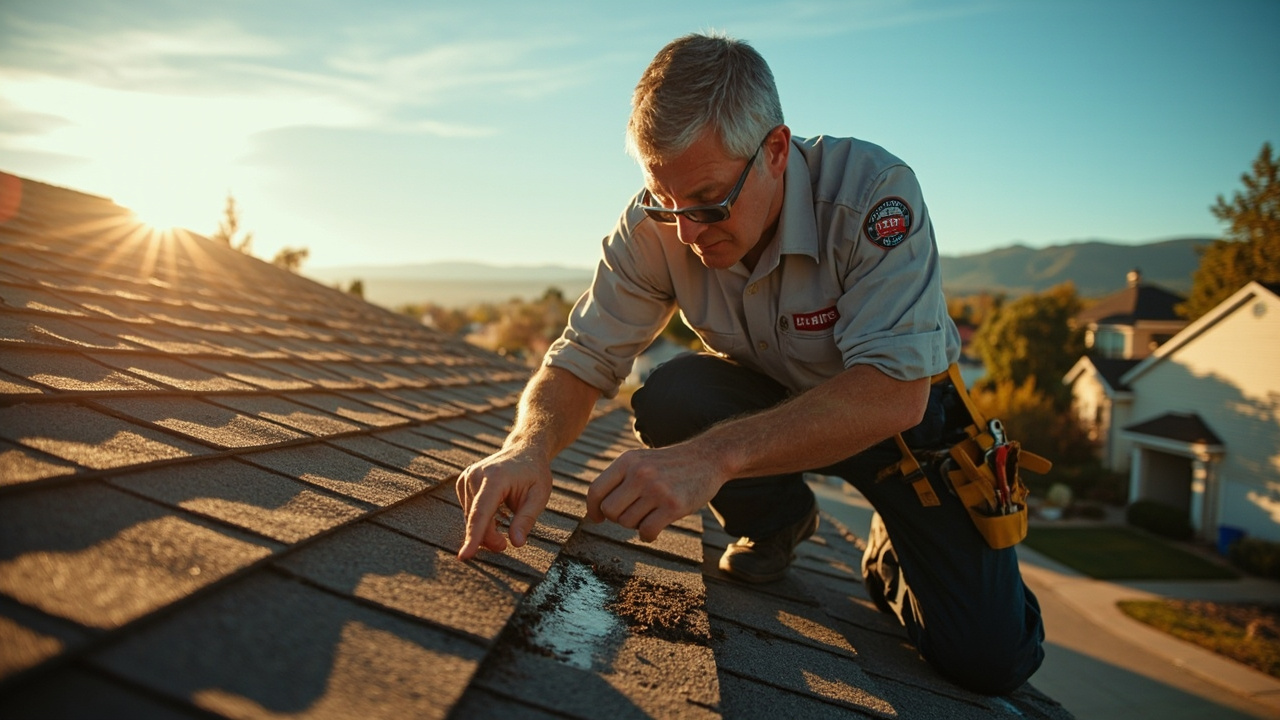
We access your roof to examine the full length of the failing valley, checking for rust-through on metal flashing, separated seams, and shingle deterioration along the edges. We also inspect your attic from below to trace water staining and identify secondary leak points. This diagnostic phase determines whether you need partial or full valley reconstruction.
02

Flashing and Deck Replacement

We remove damaged shingles and flashing to expose the roof deck, replacing any compromised plywood sections before installing new ice and water shield underlayment. Fresh valley flashing goes down with proper overlap and mechanical fasteners, creating a continuous water channel. We cut and weave surrounding shingles to integrate seamlessly with the new flashing without creating weak points.
03

Water Flow Testing

After installation, we test the valley with running water to verify that flow moves cleanly through the channel and into the gutter system without backup or side infiltration. We also inspect from the attic during testing to confirm no water penetrates the new assembly. You get documentation of the completed repair and recommendations for gutter maintenance to protect your investment.

Why Denver Homeowners Trust Apex Roofing Denver for Valley Repairs

Valley leak repair is not a DIY project. The work happens on a sloped surface where one mistake sends you to the emergency room. More importantly, incorrect flashing installation creates worse leaks than the original problem. You need a crew that understands Denver's building codes, snow load requirements, and high-altitude weather patterns.

Apex Roofing Denver has repaired valleys on every roof type common to the metro area, from ranch homes in Lakewood to Victorian-era houses in Capitol Hill. We know which flashing profiles work with your specific shingle style and roof pitch. We also understand that Denver's hailstorms damage valleys differently than other roof sections because the concentrated water flow accelerates granule loss and metal fatigue.

Our approach prioritizes long-term performance over quick patches. We do not use roofing cement to bridge gaps or rely on caulk to seal seams. These shortcuts fail within one or two freeze-thaw cycles. Instead, we rebuild the valley assembly using materials engineered for Colorado's climate extremes.

We also coordinate with your insurance adjuster when hail or wind damage contributes to valley failure. Many homeowners assume valleys are excluded from storm damage claims, but impact fractures and wind-lifted shingles qualify for coverage when documented correctly. We provide detailed photo evidence and material breakdowns that support your claim without inflating the scope.

Local building codes require specific valley construction methods in Denver's wind zones. We stay current on these requirements and pull permits when structural repairs extend beyond simple flashing replacement. This protects you from liability if you sell your home and the buyer's inspector flags unpermitted work.

What to Expect from Your Valley Leak Repair Service

Rapid Response and Scheduling

Valley leaks worsen quickly because water volume concentrates in these channels. We prioritize leak calls and schedule inspections within 24 to 48 hours of your contact. If your ceiling is actively dripping, we provide emergency tarping to stop further damage until we complete the permanent repair. Most valley repairs finish in one to two days depending on the extent of decking replacement and weather conditions. We work around your schedule and keep you informed of progress at each phase.

Thorough Leak Diagnosis

Not all ceiling stains trace back to valley leaks. We perform a complete roof inspection to rule out other failure points like chimney flashing, pipe boots, or wind-damaged shingles. From your attic, we trace water stains back to the entry point and verify the valley as the source before recommending repairs. You receive photos of the damaged areas and a written explanation of what failed and why. This diagnostic clarity prevents unnecessary repairs and helps you understand the scope before work begins.

Quality Materials and Workmanship

We use corrosion-resistant valley flashing that matches the expected lifespan of your roof system, not bargain-grade metal that rusts out in five years. Shingles integrate with the flashing using proper cut patterns and adhesive strips to prevent wind uplift. Every fastener gets placed in the correct zone to avoid creating new leak points. The finished valley looks seamless and handles Denver's heavy spring runoff without backup or overflow. You get a repair built to outlast the next hailstorm and winter season.

Post-Repair Support and Maintenance Guidance

After completing your valley repair, we provide maintenance recommendations to extend the life of the entire roof system. This includes gutter cleaning schedules, debris removal from valley channels, and signs to watch for that indicate future problems. We document the work with date-stamped photos for your records and insurance files. If you experience any issues with the repaired valley during the next storm cycle, we return to inspect and address the concern. Proper valley maintenance prevents repeat failures and protects your home investment.

Frequently Asked Questions

You Have Questions,
We Have Answers

How to fix a leaking valley? +

Fixing a leaking valley requires identifying the failure point first. Remove damaged shingles and inspect the valley flashing for cracks, gaps, or improper installation. Replace corroded metal flashing or damaged underlayment. In Denver's freeze-thaw climate, ice damming often compromises valley integrity. Apply ice and water shield beneath new flashing, extending at least six inches up each roof plane. Reinstall shingles with proper overlap and seal all nail penetrations. For open metal valleys, ensure the metal extends fully beneath shingle edges. Closed-cut valleys need precise shingle placement to prevent water infiltration. Professional repair ensures watertight performance through Colorado's intense summer storms and winter snowmelt cycles.

How much to repair a valley on a roof? +

Valley repair costs depend on damage extent, roofing material, and accessibility. Minor flashing repairs range from a few hundred dollars, while extensive work requiring shingle removal and complete valley replacement costs more. Denver's steep-pitched roofs common in older neighborhoods increase labor costs. Metal valley replacement typically costs less than woven or closed-cut valley reconstruction. Factors include pitch angle, roof height, material matching for discontinued shingles, and whether structural decking needs replacement. Insurance may cover storm damage. Request a detailed inspection before committing. Most Denver roofers provide free assessments to identify whether you need spot repair or full valley reconstruction.

Can heavy rain cause roof valley leaks? +

Yes. Heavy rain overwhelms valleys faster than any roof section because water concentrates there from two planes. Denver's sudden summer thunderstorms dump intense rainfall that exposes existing weaknesses in flashing, underlayment, or shingle integration. If your valley has compromised sealant, lifted shingles, or deteriorated flashing, heavy rain will find the path of least resistance. Older valleys without adequate underlayment protection are especially vulnerable. Ice and water shield beneath flashing prevents this penetration. Even small gaps allow gallons of water into your attic during downpours. If leaks appear only during heavy rain, your valley system cannot handle the volume. Professional inspection identifies the weak point.

How to stop a metal roof valley from leaking? +

Metal roof valley leaks typically stem from fastener penetrations, seam failures, or improper flashing integration. Inspect all screws for backing out or missing washers. Replace any compromised fasteners with longer screws and fresh rubber washers. Apply butyl tape beneath overlapping seams, then re-secure with appropriate fasteners. Check where metal valley meets wall flashing or chimney connections. Denver's temperature swings cause metal expansion and contraction, loosening connections over time. Seal small gaps with high-grade polyurethane sealant rated for metal-to-metal applications. For standing seam valleys, ensure clips allow thermal movement without creating gaps. Avoid silicone, which fails quickly on metal. Professional metal roofers understand expansion joint requirements for Colorado's climate.

How to waterproof a valley? +

Waterproofing a valley starts beneath the visible layer. Install ice and water shield across the entire valley width, extending at least six inches onto each roof plane. This self-sealing membrane prevents water penetration even if surface materials fail. In Denver, apply two layers in valleys prone to ice damming on north-facing slopes. Install metal flashing over the membrane, ensuring proper overlap direction so water flows downward without backtracking. Seal shingle edges with roofing cement where they meet the valley. For extra protection, use woven valley construction where shingles interlock across the valley center. Open metal valleys need drip edges to direct water away from fascia. Proper waterproofing handles snowmelt and summer storms equally.

Is a roof leak covered by homeowners insurance? +

Homeowners insurance typically covers sudden, accidental damage like hail impact, fallen tree limbs, or wind-torn valleys. Denver's hailstorms frequently damage valley flashing and warrant claims. Insurance does not cover gradual deterioration from age, lack of maintenance, or installation defects. If your valley leak results from a recent storm event, document damage with photos immediately and contact your insurer. Many Denver roofing companies provide free insurance inspections and assist with claims documentation. Adjusters look for impact marks, torn flashing, or displaced shingles. Keep maintenance records to prove the roof was in good condition before the event. Deductibles apply, and claim approval depends on demonstrating storm-related damage versus wear.

Why do roof valleys leak? +

Valleys leak because they channel the most water and endure the most stress. Common failures include improper flashing installation, inadequate underlayment, shingle misalignment, and fastener penetrations through the waterproof layer. Denver's freeze-thaw cycles worsen small gaps as ice expansion tears flashing seams. Debris accumulation in valleys traps moisture against shingles, accelerating rot. Older roofs often lack ice and water shield, relying only on felt paper that deteriorates. Thermal movement causes metal valleys to separate at seams. Poor workmanship, like nailing through the valley center or insufficient overlap, creates immediate leak paths. Valleys fail first because they work hardest, making proper installation and regular inspection critical for Denver homes.

What is the best time of year for roof repair? +

Late spring through early fall offers ideal conditions for roof repair in Denver. May through September provides consistent weather windows, warm temperatures for sealant curing, and minimal precipitation risk. Avoid winter repairs when snow, ice, and subfreezing temperatures compromise material performance and worker safety. Shingles become brittle below 40 degrees, cracking during installation. However, emergency leaks require immediate attention regardless of season. Many Denver roofers work year-round using specialty cold-weather materials for urgent repairs. Schedule non-emergency valley work in summer when crews have better availability and materials perform optimally. Fall repairs before November ensure your roof handles winter snowload. Book early because Denver roofers stay busy during prime season.

What is the cheapest way to fix a leaking roof? +

The cheapest fix is often the most expensive mistake. Temporary solutions like roof tape or sealant fail quickly under Denver's weather extremes, leading to interior damage that costs far more than proper repair. For minor valley leaks, targeted flashing repair or shingle replacement costs less than full valley reconstruction. However, cutting corners on underlayment or using mismatched materials creates recurring problems. The most cost-effective approach is hiring a qualified roofer to diagnose the root cause and fix it once. DIY repairs void warranties and mask underlying damage. Proper materials and installation prevent repeat failures. Insurance may cover storm damage, making professional repair affordable. Cheap fixes become expensive when water damage requires drywall, insulation, and mold remediation.

What is the average cost to repair a roof leak? +

Roof leak repair costs vary widely based on location, damage extent, and material type. Simple valley flashing repairs may cost a few hundred dollars, while extensive damage requiring decking replacement, insulation work, and interior repairs runs significantly higher. Denver's steep roofs and two-story homes increase labor costs due to safety requirements. Material matching for older or discontinued shingles adds expense. Emergency repairs during storms cost more than scheduled work. Most reputable Denver roofers provide free inspections to assess damage and provide detailed estimates. Costs include labor, materials, disposal, and any necessary structural repairs. Request itemized quotes from multiple contractors. Insurance coverage reduces out-of-pocket expenses for qualifying storm damage. Invest in proper repair to avoid recurring leaks.

How Denver's Snow Load and UV Exposure Accelerate Valley Deterioration

Denver sits at 5,280 feet where UV radiation is 25 percent stronger than at sea level. This intense sun exposure breaks down roofing adhesives and causes metal flashing to expand and contract more aggressively than in lower elevations. When you combine this with snow accumulation that sits in valleys for weeks during cold snaps, you create a cycle where ice forces open the joints that UV radiation has already weakened. Valley flashing that lasts 30 years in milder climates often fails in 15 to 20 years here because of these compounding stresses.

Denver building codes address valley construction specifically because of our climate challenges. Proper installation requires ice and water shield coverage that extends beyond the minimum requirements used in warmer regions. Apex Roofing Denver trains on these local standards and understands how different neighborhoods experience different wear patterns based on sun exposure and tree coverage. Our familiarity with Denver's roof profiles means we match repair methods to your specific home style, whether that is a modern build in Stapleton or a historic property in Washington Park.
Roofing Services in The Denver Area

Looking for trusted roofing services near you? Apex Roofing Denver proudly serves homeowners and businesses across the greater Denver area with expert roof repairs, replacements, inspections, and storm damage restoration. From Aurora to Lakewood and Thornton to Centennial, our experienced roofing team is ready to deliver fast, dependable solutions. Use the map below to explore our service areas and find top-rated roofing help near your neighborhood.

Address:
Apex Roofing Denver, 2301 Blake St, Denver, CO, 80205

Additional Services We Offer

Our news updates

Latest Articles & News from The Blogs

Lorem ipsum dolor sit amet. Aut expedita quaerat quo eligendi numquam et laudantium perspiciatis qui minima expedita rem consequatur ducimus.…

Test Blog 4

Lorem ipsum dolor sit amet. Aut expedita quaerat quo eligendi numquam et laudantium perspiciatis qui minima expedita rem consequatur ducimus.…

Test Blog 3

Lorem ipsum dolor sit amet. Aut expedita quaerat quo eligendi numquam et laudantium perspiciatis qui minima expedita rem consequatur ducimus.…

Test Blog 2

Lorem ipsum dolor sit amet. Aut expedita quaerat quo eligendi numquam et laudantium perspiciatis qui minima expedita rem consequatur ducimus.…

Contact Us

Valley leaks spread fast and cost more the longer you wait. Call Apex Roofing Denver at (720) 484-8300 for a thorough inspection and permanent repair solution. We respond quickly and fix it right the first time.