




Menu

Roof Flashing Leaking in Denver – Expert Diagnosis Stops Water Damage Fast

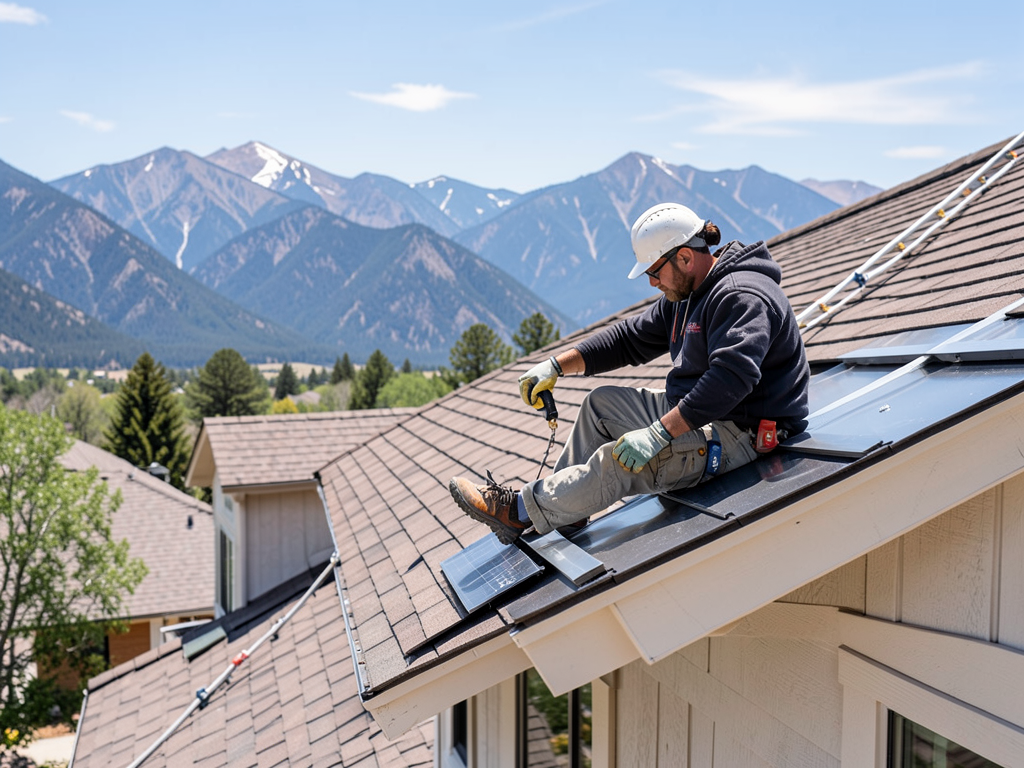
Our trained technicians identify the exact flashing failure point on your Denver roof and apply the correct repair method to prevent interior water damage, mold growth, and structural decay.

Slider Image 1
Slider Image 2
Slider Image 3
Slider Image 4
Slider Image 5
Slider Image 7
Slider Image 8
Slider Image 9
Slider Image 10
Slider Image 11

Why Roof Flashing Fails in Denver's Extreme Climate

You notice water stains on your ceiling after a spring storm. The drip appears near a chimney, skylight, or wall junction. That is leaky roof flashing at work.

Flashing is the metal or rubberized barrier installed at roof penetrations and transitions. It diverts water away from vulnerable seams. When flashing fails, water infiltrates your attic, insulation, and drywall.

Denver's climate accelerates flashing degradation. The city experiences over 300 days of sunshine annually, which causes UV breakdown of sealants and expansion-contraction cycles in metal flashing. Winter temperatures drop below freezing more than 150 nights per year, creating ice dams that force water under compromised flashing seals.

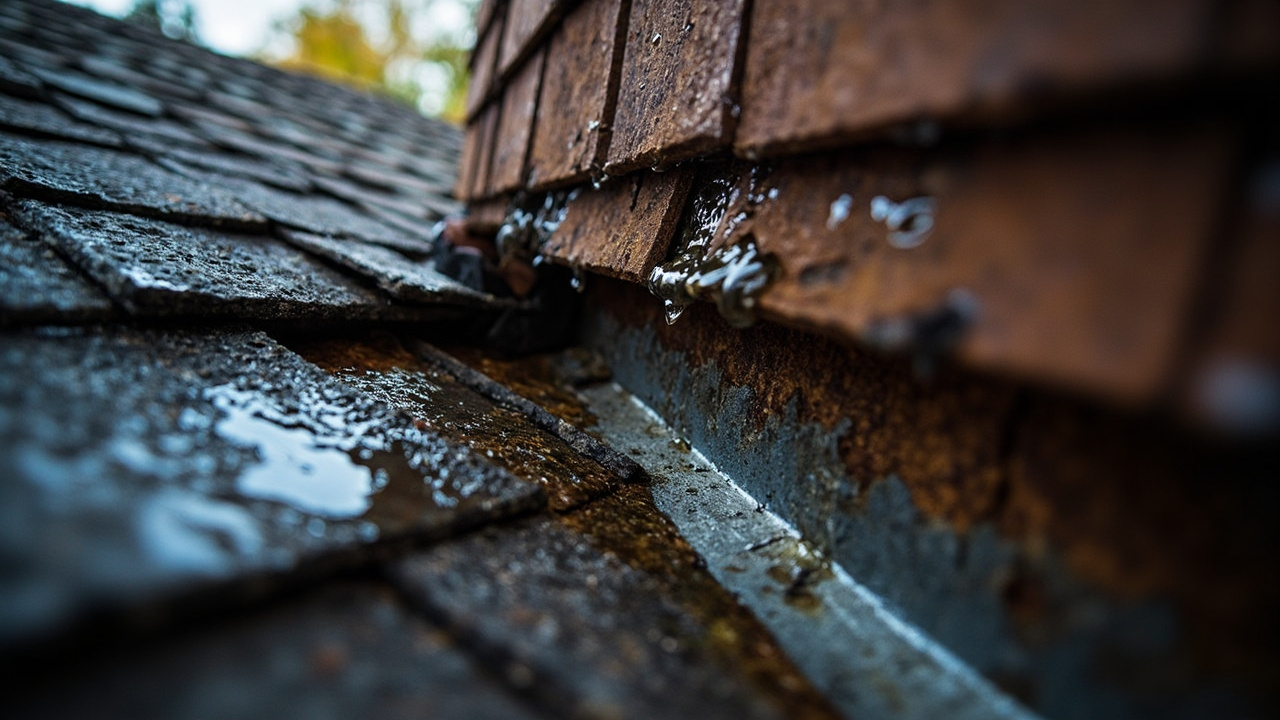
Damaged roof flashing often results from improper installation during the original roof build. Roofers who skip the underlayment step or use roofing cement instead of proper step flashing create weak points. Rusted roof flashing is common in older Denver homes where galvanized steel was used instead of aluminum or copper. The metal corrodes after 15 to 20 years, especially on north-facing slopes where moisture lingers.

Loose roof flashing happens when fasteners pull out due to thermal cycling. Metal expands in summer heat and contracts in winter cold. This movement loosens nails and screws over time. Wind gusts exceeding 40 mph during spring storms can lift improperly secured flashing, allowing water entry.

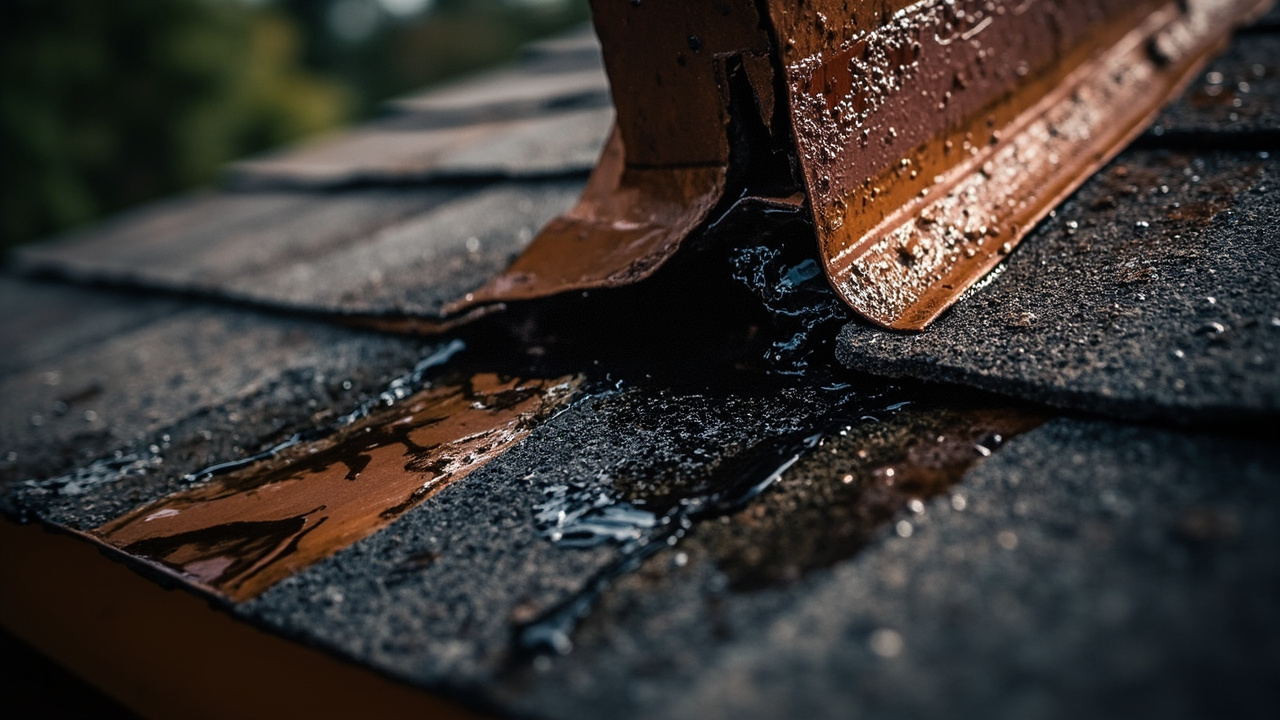
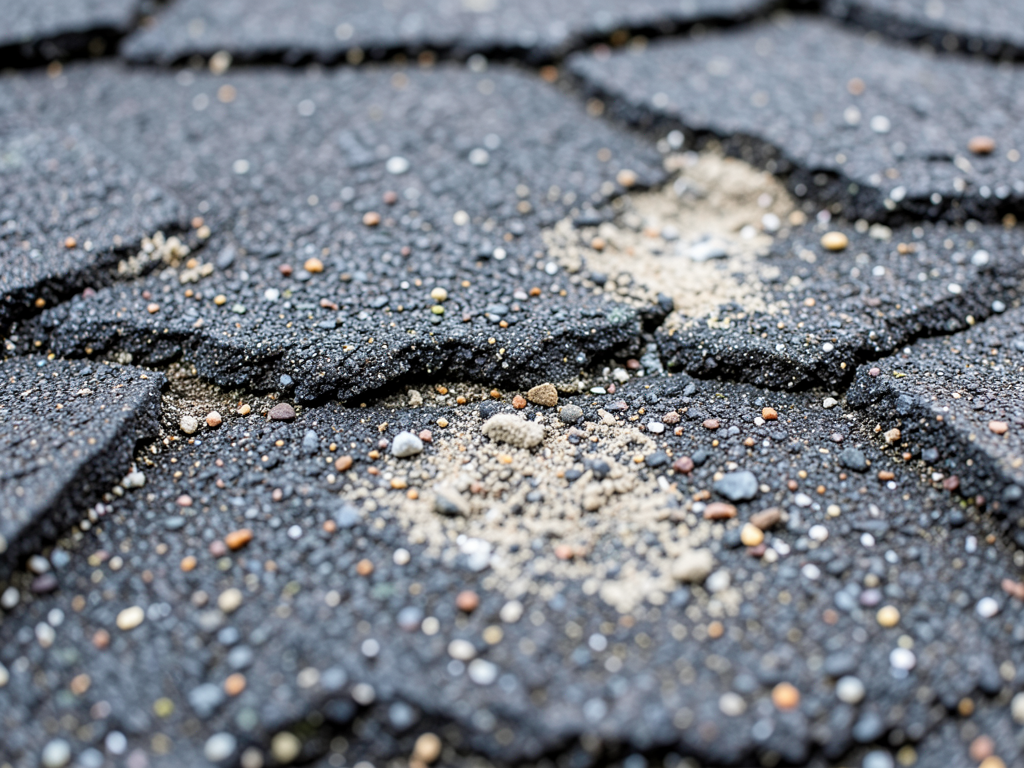
Flashing seal failure occurs at transition points where dissimilar materials meet. The sealant between metal flashing and asphalt shingles dries out and cracks. Once the bond breaks, water flows directly into the roof deck. You see the damage inside your home weeks or months later when mold starts growing in the attic.

Why Roof Flashing Fails in Denver's Extreme Climate
How We Diagnose and Repair Flashing Leaks Correctly

How We Diagnose and Repair Flashing Leaks Correctly

Most homeowners call after they see interior water damage. We start by tracing the leak back to its source on the roof. Water travels along roof decking and rafters before dripping through your ceiling, so the stain location is rarely the entry point.

Our technicians perform a roof deck inspection from inside the attic first. We use moisture meters to detect elevated humidity levels in the wood sheathing. This identifies the infiltration zone. Then we move to the exterior and examine all flashing points within a 10-foot radius of the suspected entry.

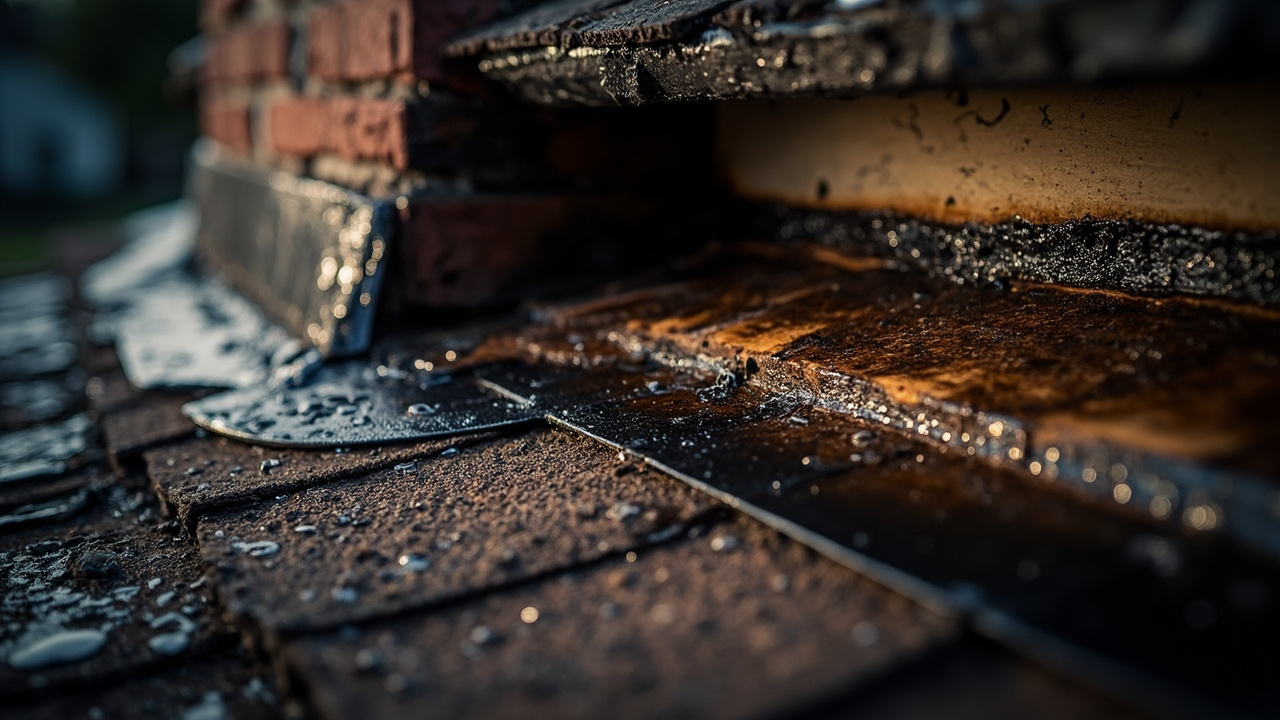
We check chimney flashing for gaps between the counter flashing and step flashing. Counter flashing embeds into the chimney mortar joints and overlaps the step flashing below. If the mortar has crumbled or the counter flashing was never installed, water runs straight down the chimney face and under the roofing material.

Skylight flashing requires a curb mount system with proper head flashing, step flashing on the sides, and a saddle or cricket on the uphill side. We verify the curb itself is not rotted and that the flashing integrates correctly with the roofing plane. Skylight leaks often stem from cracked curb wood, not the skylight glass itself.

Valley flashing must extend at least 8 inches on each side of the valley centerline and use Ice and Water Shield underlayment for Denver's freeze-thaw cycles. We inspect for torn underlayment, insufficient overlap, and debris accumulation that dams water flow.

Pipe boot flashing degrades when the rubber collar cracks from UV exposure. We replace the entire boot assembly and seal the base to the roof deck. Using caulk alone is a temporary fix that fails within one season.

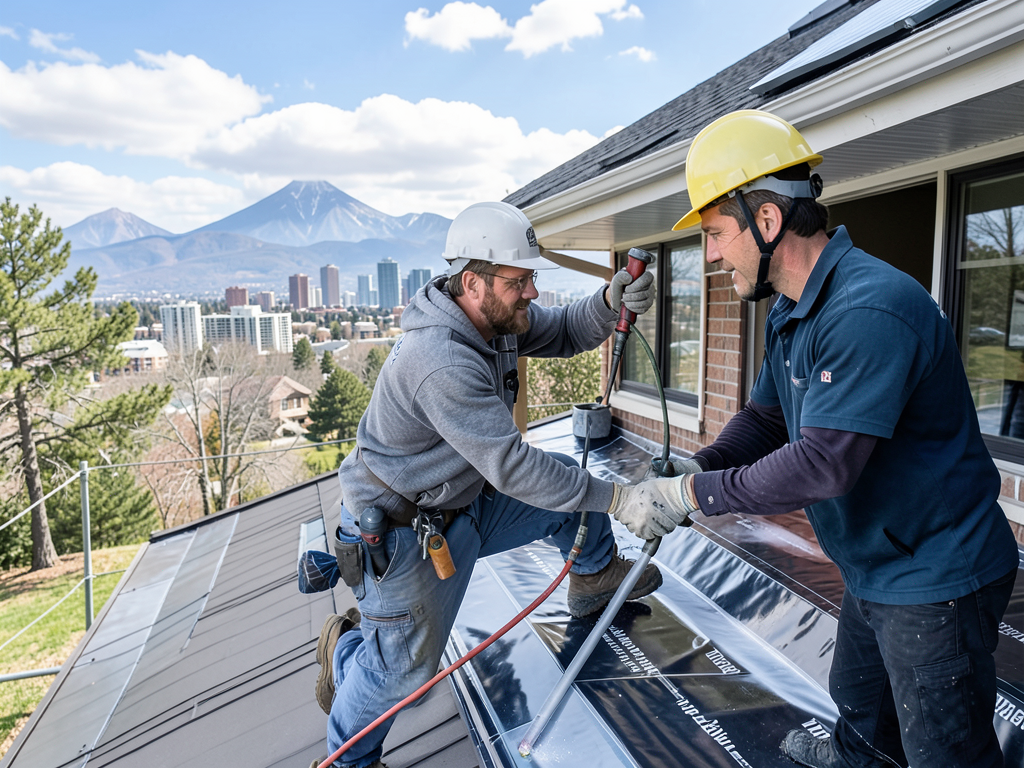
Once we identify the failure mode, we remove the defective flashing, inspect the underlying roof deck for rot, replace damaged sheathing if needed, and install new flashing using the correct materials and overlap specifications.

What Happens During a Flashing Leak Repair

Roof Flashing Leaking in Denver – Expert Diagnosis Stops Water Damage Fast
01

Leak Source Identification

We trace the water intrusion path from your interior damage point back to the roof surface. Using attic moisture mapping and exterior flashing inspection, we pinpoint the exact failure location. This eliminates guesswork and prevents unnecessary tear-off. You receive photos of the damaged flashing and a written diagnosis of the failure mechanism before any work begins.
02

Flashing Removal and Deck Repair

We remove the compromised flashing and the surrounding shingles to expose the roof deck. Prolonged leaks often cause wood rot in the sheathing and rafters. We replace any deteriorated decking with CDX plywood that matches your existing roof structure. The new deck must cure and be primed before flashing installation. This step prevents future deck failure and ensures a solid fastening base.
03

New Flashing Installation

We install new step flashing or continuous flashing using materials appropriate for Denver's climate. Aluminum and copper resist corrosion better than galvanized steel. Each piece overlaps the one below it and integrates with Ice and Water Shield underlayment. We apply roofing cement only at specified contact points, never as a primary seal. The shingles reinstall over the flashing with proper exposure to maintain the roof's weather barrier.

Why Denver Homeowners Choose Apex Roofing Denver for Flashing Repairs

Flashing repair is not a job for general handymen. It requires understanding how water flows across a roof plane and how different materials interact during temperature swings.

Apex Roofing Denver has repaired flashing failures on thousands of Denver homes. We know the common installation mistakes made during the 1980s and 1990s building boom, when many contractors skipped proper step flashing on chimney and wall transitions. We also understand how Denver's hail storms damage flashing without leaving visible dents on shingles.

Our crews are trained on the International Building Code flashing requirements and the specific amendments adopted by Denver's Department of Community Planning and Development. These codes dictate minimum flashing widths, overlap dimensions, and fastener spacing. A repair that does not meet code will fail inspection if you ever sell your home or file an insurance claim.

We work directly with insurance adjusters when hail or wind damage causes flashing failure. Many adjusters initially deny flashing claims because the damage is not visible from ground level. We provide documentation, moisture readings, and photo evidence that demonstrates the flashing was compromised by the insured event. This increases your claim approval rate and ensures you receive adequate compensation for both the flashing and any related water damage.

Denver's older neighborhoods like Washington Park, Congress Park, and Hilltop contain homes with original slate, tile, and wood shake roofs. These materials require specialized flashing techniques that differ from standard asphalt shingle methods. We have experience working with historic roofing materials and can source period-correct flashing that maintains your home's architectural integrity while providing modern weather protection.

You also need a roofer who understands Denver's microclimates. Homes on the west side of town near the foothills experience higher wind loads and more rapid temperature fluctuations than properties on the eastern plains. We adjust flashing installation methods based on your specific location and exposure.

What You Can Expect from Our Flashing Repair Service

Response Time and Scheduling

We schedule leak inspections within 48 hours of your call during normal weather conditions. If you are experiencing active leaking during a storm, we provide emergency tarp service to stop water intrusion until permanent repairs can be made. Flashing repairs typically take one to three days depending on the extent of roof deck damage and weather windows. We do not install flashing when precipitation is forecast within 24 hours because proper sealant curing requires dry conditions. You receive a firm start date once we complete the initial assessment and order materials.

The Inspection and Assessment Process

Our inspection includes attic access, roof surface examination, and flashing detail photography. We measure moisture content in roof decking and framing using pin-type and pinless moisture meters. You receive a written report that explains the failure mechanism, shows the current condition, and outlines the repair scope. We provide a detailed estimate that itemizes materials, labor, and any structural repairs needed. There is no pressure to commit immediately. You have time to review the assessment and compare it with other qualified roofers. The inspection fee applies toward your repair cost if you choose Apex Roofing Denver.

Repair Quality and Materials

We use mill-finish aluminum flashing for most residential applications because it resists corrosion and matches the lifespan of asphalt shingle roofs. Copper flashing is available for premium homes and historic properties where aesthetics matter. All underlayment is Ice and Water Shield, not standard felt paper. We apply sealant only where the manufacturer specifies, avoiding the over-application that causes future problems when flashing needs maintenance. Each repair includes new fasteners sized correctly for Denver's wind zone. You receive documentation of materials used, which is required for future insurance claims and home sales.

Post-Repair Monitoring and Maintenance

Flashing repairs carry a workmanship warranty that covers leaks caused by installation defects. Material defects are covered by the manufacturer's warranty, which we facilitate on your behalf. We recommend annual roof inspections to monitor flashing condition, especially on older homes where multiple penetrations exist. During these inspections, we check sealant integrity, fastener tightness, and debris accumulation in valleys. Early detection of minor issues prevents major leaks. You can schedule inspections as standalone services or bundle them with gutter cleaning for homes in tree-dense neighborhoods like Wash Park and Cheesman Park.

Frequently Asked Questions

You Have Questions,
We Have Answers

How to fix leaking roof flashing? +

Fixing leaking roof flashing requires identifying the failure point first. Remove damaged sealant or caulking around the flashing. If the metal is bent or corroded, you need to lift surrounding shingles carefully and remove the old flashing. Install new flashing, ensuring proper overlap and securing it with roofing nails. Seal all edges with high-quality roofing cement. Denver's freeze-thaw cycles stress flashing joints, so proper sealing is critical. If flashing around chimneys or valleys is compromised, call a professional. Incorrect repairs create bigger water intrusion problems, especially during spring snowmelt when runoff volume peaks.

Why is my roof leaking under flashing? +

Your roof leaks under flashing when the metal barrier fails to divert water away from seams and penetrations. Common causes include improper installation, corroded metal from Denver's temperature swings, missing or cracked sealant, or ice dam backup. Flashing around chimneys, skylights, and valleys takes the most abuse. When shingles settle over time or nails back out, gaps form. Wind-driven rain during Denver's spring storms pushes water into these openings. Older homes often have step flashing that has separated from the wall. You need a diagnostic inspection to pinpoint whether the flashing itself or surrounding materials failed first.

Can roof flashing cause leaks? +

Yes, roof flashing absolutely causes leaks when it fails. Flashing creates the waterproof seal at roof transitions, penetrations, and valleys where shingles alone cannot protect. When flashing corrodes, separates, or was installed incorrectly from the start, water infiltrates the roof deck. Denver's intense UV exposure degrades sealants faster than in cloudier climates. Hail can dent or puncture flashing, creating entry points. Valley flashing collects heavy water flow during snowmelt. If you see rust streaks, lifted edges, or missing sections, that flashing is actively leaking or will soon. Flashing failure accounts for most roof leaks that appear around chimneys and dormers.

How much does it cost to repair flashing on a roof? +

Flashing repair costs in Denver range widely based on location and damage extent. Simple resealing around a pipe boot or vent runs lower, while replacing chimney counter flashing or valley flashing costs more due to labor intensity. Removing and replacing step flashing requires lifting multiple shingle courses. Material choice matters. Aluminum costs less than copper but has a shorter lifespan in Denver's climate. Access difficulty on steep pitches or multi-story homes increases labor costs. Most contractors charge by the project, not by the hour. Get multiple quotes and ensure the estimate includes material quality specifications and proper underlayment replacement if needed.

Does homeowners insurance cover flashing repair? +

Homeowners insurance typically covers flashing repair only if damage resulted from a covered peril like hail, wind, or fallen trees. Gradual deterioration from age or lack of maintenance is excluded. Denver homes face frequent hail events, which can dent flashing and create leaks. Document storm dates and damage with photos immediately. Insurance adjusters look for impact marks on metal and corresponding roof damage. If flashing failed due to poor installation or normal wear, you pay out of pocket. Review your policy's wind and hail deductibles. Filing a claim for minor flashing repairs may not exceed your deductible, making it pointless financially.

Does flex seal work on roof flashing? +

Flex Seal is a temporary emergency patch, not a professional repair for roof flashing. It may stop active dripping during a storm, but it does not address underlying structural failure. Denver's temperature extremes cause Flex Seal to crack and peel within months. The product cannot replace properly installed metal flashing or create a watertight seal at critical junctions like chimney bases or valley channels. Roofing cement and metal flashing provide durable, code-compliant repairs. If you need a quick stopgap before a contractor arrives, use it sparingly. Do not consider it a permanent fix. Inspectors and buyers flag Flex Seal patches as deferred maintenance.

Can I put new flashing over old flashing? +

No, do not install new flashing over old flashing. Layering traps moisture between metal layers, accelerating corrosion and rot in underlying roof decking. Proper flashing replacement requires removing the failed material, inspecting and repairing sheathing damage, and installing new flashing with correct overlap sequences. Denver's wet spring season makes trapped moisture especially destructive. Old flashing may have concealed rust perforation or separation from substrate. Stacking new metal over compromised material just delays the inevitable failure. You waste money on a repair that will leak again within a year. Remove and replace is the only code-compliant, warranty-backed method for flashing repair.

Are roofers responsible for flashing? +

Yes, licensed roofers are responsible for installing and repairing flashing as part of a complete roofing system. Flashing is not optional or a separate trade in residential roofing. A quality roofer ensures flashing integrates properly with shingles, underlayment, and penetrations. In Denver, roofers must understand how altitude and freeze-thaw cycles affect flashing performance. They select appropriate materials and install to manufacturer specifications. If your roofer subcontracts flashing or treats it as an add-on, find another contractor. Flashing failure is the number one source of roof leaks. Any roofer who does not prioritize flashing installation lacks the expertise your home needs.

How much will it cost to fix a roof leak? +

Roof leak repair costs depend on the source and damage extent. Simple flashing reseals or shingle replacements cost less than repairing water-damaged decking or attic insulation. If the leak has been active for months, you may face mold remediation and structural repairs, which multiply costs significantly. Denver homes with complex rooflines or multiple penetrations require more diagnostic time. Emergency repairs during storms cost more than scheduled maintenance. Location matters too. Leaks around chimneys demand more labor than valley leaks. Always get a written estimate that includes diagnostic inspection, material specs, and labor breakdown. Cheaper quotes often hide deferred work that surfaces later.

Can you replace flashing without replacing the roof? +

Yes, you can replace flashing without replacing the entire roof if shingles are in good condition. Roofers carefully lift shingle courses around the failed flashing, remove old metal, install new flashing, and reseal shingles back down. This works well for isolated failures around chimneys, skylights, or pipe boots. Denver homes often need flashing replacement mid-roof lifespan due to hail or UV degradation. If your roof is nearing the end of its life expectancy or multiple areas show wear, replacing everything together saves money long-term. Partial repairs make sense when the roof has ten-plus years remaining and damage is localized to one flashing area.

How Denver's Freeze-Thaw Cycles Accelerate Flashing Seal Failure

Denver experiences an average of 148 freeze-thaw cycles each year. Daytime temperatures reach 50 degrees while nights drop below freezing from October through April. This constant temperature swing causes metal flashing to expand and contract repeatedly, which breaks sealant bonds and loosens fasteners. Water that seeps under compromised flashing freezes at night and expands, widening gaps and pushing flashing away from the roof deck. By spring, what started as a minor seal crack becomes a significant leak path. Homes in the Hilltop and Park Hill neighborhoods, where mature trees shade roofs and extend ice retention, see accelerated flashing degradation compared to properties with full sun exposure.

Denver's building codes require enhanced flashing details in climate zone 5B to address freeze-thaw damage. The city mandates Ice and Water Shield underlayment at all roof penetrations and valleys, which many roofers working in warmer climates do not encounter in their standard practices. Apex Roofing Denver works exclusively in the Front Range and understands these requirements. We have repaired flashing on homes in every Denver neighborhood, from new construction in Stapleton to century-old bungalows in Berkeley. This local focus means we recognize the recurring failure patterns specific to Denver's housing stock and climate. You are not getting a generalized repair approach adapted from another region.
Roofing Services in The Denver Area

Looking for trusted roofing services near you? Apex Roofing Denver proudly serves homeowners and businesses across the greater Denver area with expert roof repairs, replacements, inspections, and storm damage restoration. From Aurora to Lakewood and Thornton to Centennial, our experienced roofing team is ready to deliver fast, dependable solutions. Use the map below to explore our service areas and find top-rated roofing help near your neighborhood.

Address:
Apex Roofing Denver, 2301 Blake St, Denver, CO, 80205

Additional Services We Offer

Our news updates

Latest Articles & News from The Blogs

Lorem ipsum dolor sit amet. Aut expedita quaerat quo eligendi numquam et laudantium perspiciatis qui minima expedita rem consequatur ducimus.…

Test Blog 4

Lorem ipsum dolor sit amet. Aut expedita quaerat quo eligendi numquam et laudantium perspiciatis qui minima expedita rem consequatur ducimus.…

Test Blog 3

Lorem ipsum dolor sit amet. Aut expedita quaerat quo eligendi numquam et laudantium perspiciatis qui minima expedita rem consequatur ducimus.…

Test Blog 2

Lorem ipsum dolor sit amet. Aut expedita quaerat quo eligendi numquam et laudantium perspiciatis qui minima expedita rem consequatur ducimus.…

Contact Us

Water damage spreads fast once flashing fails. Call Apex Roofing Denver at (720) 484-8300 right now to schedule your leak diagnosis. We will identify the failure point and provide a clear repair plan within 48 hours.