




Menu

Fire & Smoke Damage Assessment in Denver – Emergency Response Within 2 Hours

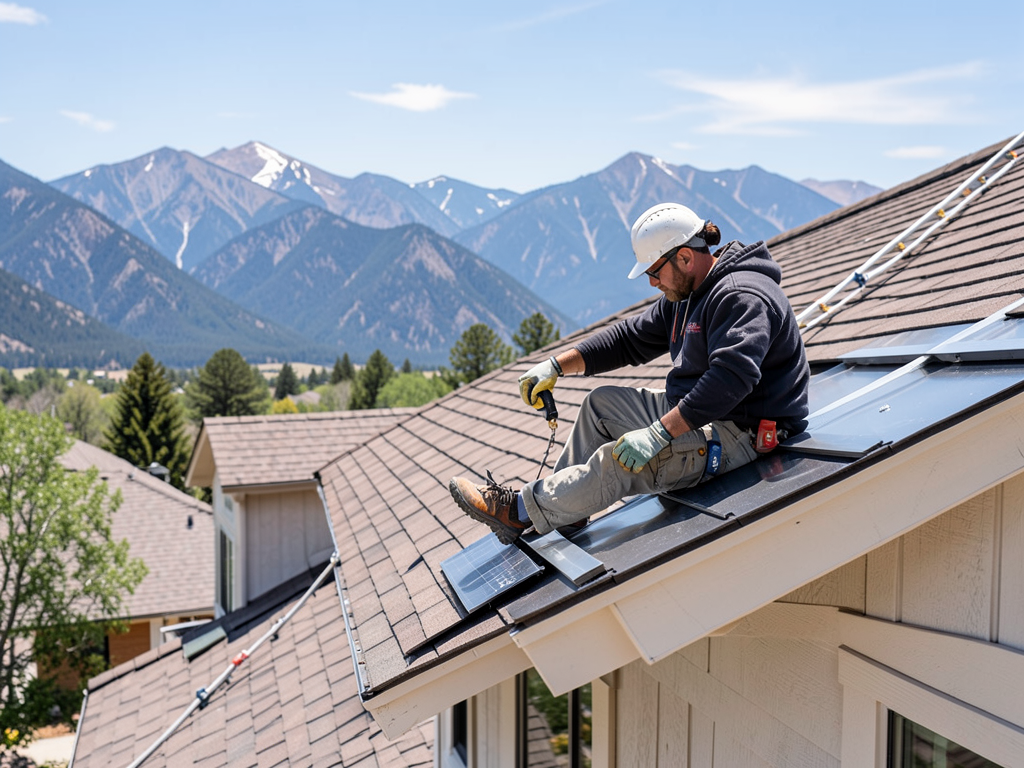
When fire strikes, you need a structural roof fire analysis fast. Apex Roofing Denver dispatches crews around the clock to evaluate smoke damage, document loss for your insurance claim, and secure your property before water or looters make it worse.

Slider Image 1
Slider Image 2
Slider Image 3
Slider Image 4
Slider Image 5
Slider Image 7
Slider Image 8
Slider Image 9
Slider Image 10
Slider Image 11

Why Fire Damage to Your Denver Roof Demands Immediate Expert Inspection

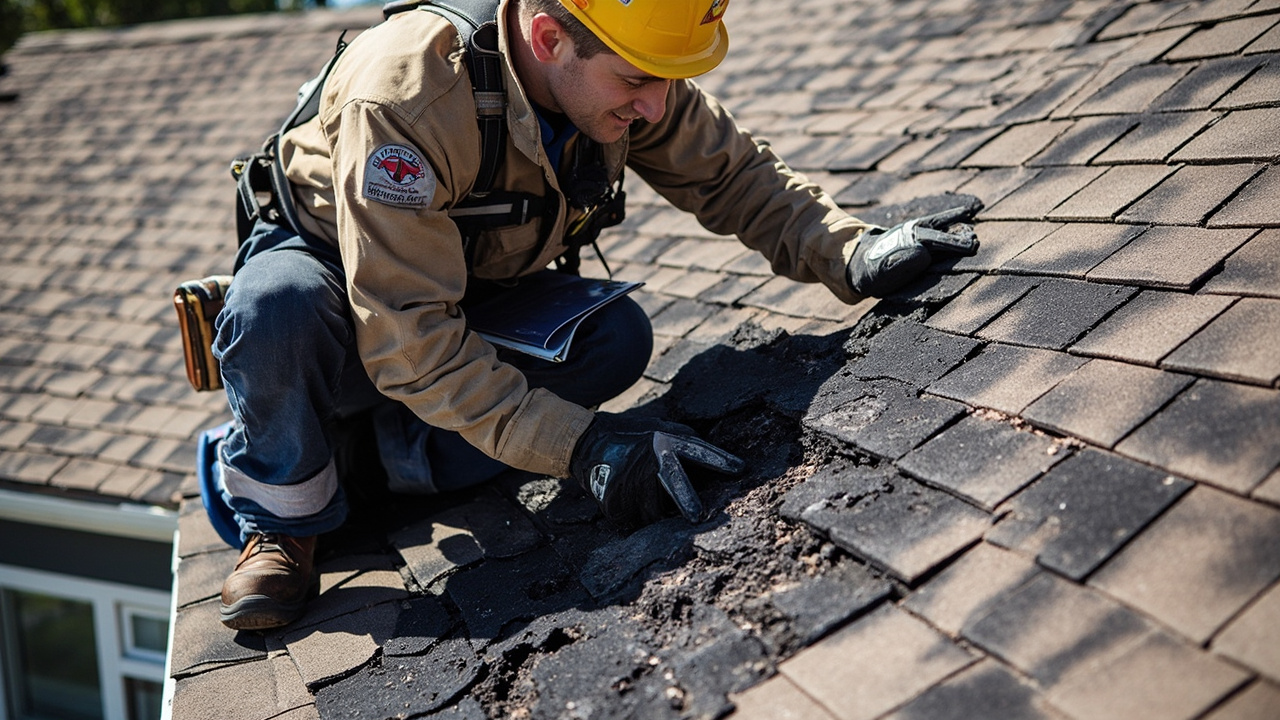
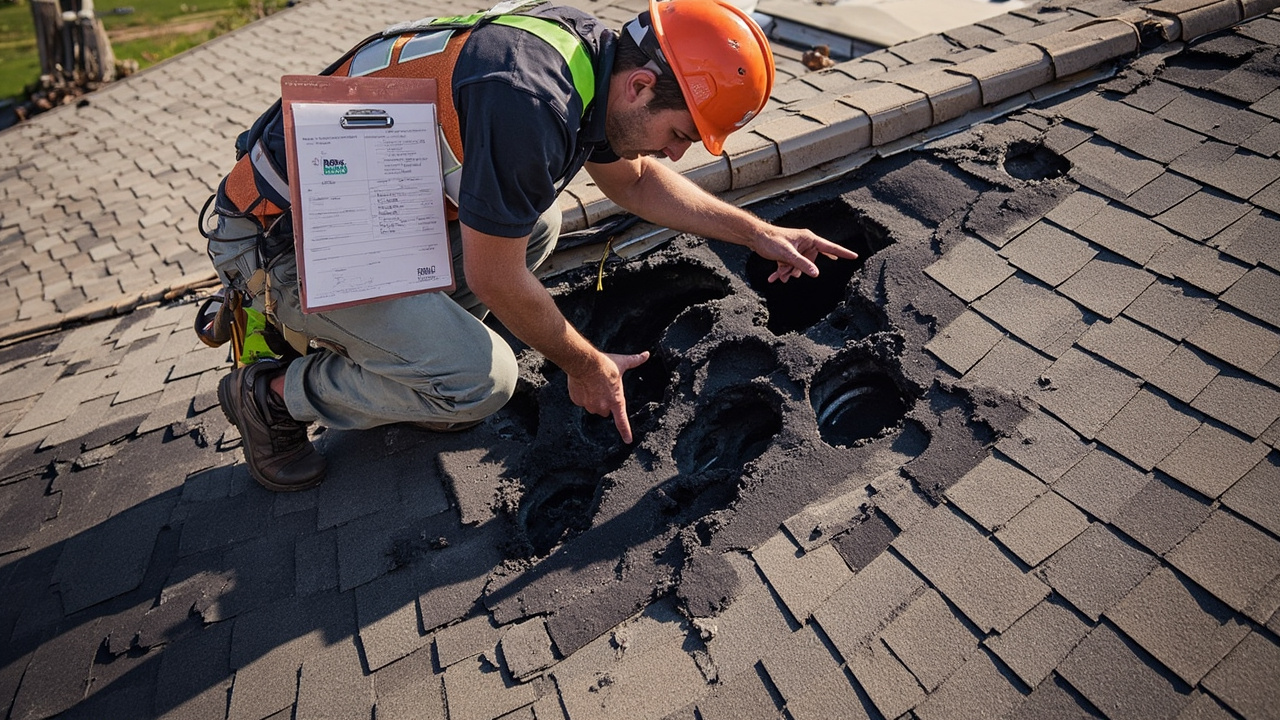
The moment flames or smoke touch your roof, the clock starts. Fire weakens structural decking, melts asphalt shingles, and warps metal flashing. Smoke and soot seep into underlayment and attic insulation, creating toxic residue that continues to corrode fasteners and framing long after the fire department leaves.

In Denver, our dry climate and high altitude create unique post-fire risks. Low humidity means charred wood dries fast, which sounds good until you realize it becomes brittle and prone to sudden collapse. When afternoon thunderstorms roll through the Front Range, rain pours directly into compromised roof decking that no longer sheds water. One storm can turn localized fire damage into catastrophic interior flooding, mold growth, and structural failure.

You also face a hard deadline. Most homeowner policies require documented proof of damage within 48 to 72 hours to process claims efficiently. Insurance adjusters need a post-fire roof inspection report that details what burned, what got scorched by radiant heat, and what suffered secondary smoke damage. Without a professional fire damage roofing evaluation, you risk claim denial or severe underpayment.

Waiting even 24 hours gives wind, rain, and scavengers access to your home through burned openings. An emergency roof fire inspection secures the scene, documents every detail, and provides the written evidence your insurer demands. Speed matters. Precision matters more.

Why Fire Damage to Your Denver Roof Demands Immediate Expert Inspection
How We Conduct a Structural Fire and Smoke Damage Assessment

How We Conduct a Structural Fire and Smoke Damage Assessment

A smoke damage roof assessment is forensic work. We do not eyeball it and guess. Our crews arrive with thermal imaging cameras, moisture meters, and core sampling tools to determine the full scope of damage, even in areas that look untouched.

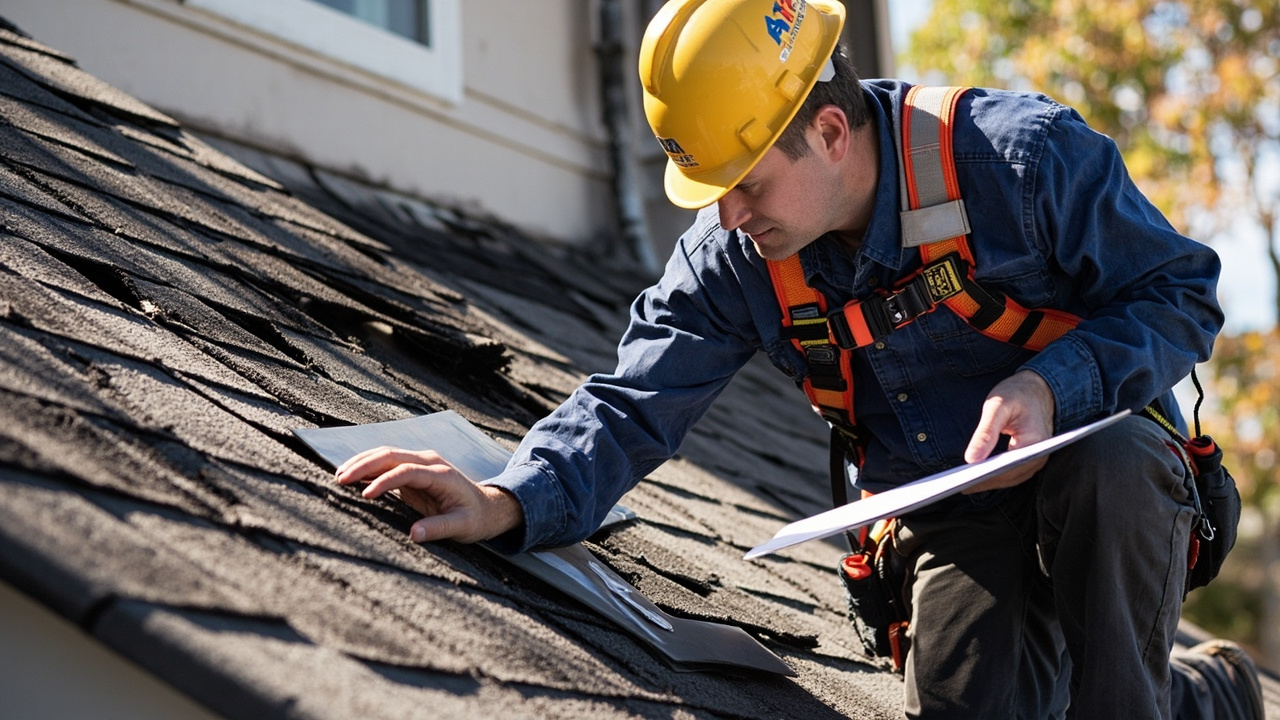
We start by evaluating the roof deck itself. Fire burns through sheathing in irregular patterns. What looks solid from below may be a thin carbonized shell ready to collapse under your adjuster's weight. We probe suspect areas, mark safe zones, and photograph everything with time-stamped, GPS-tagged images for your claim file.

Next, we inspect structural members. Rafters, trusses, and ridge beams lose load-bearing capacity when exposed to prolonged heat, even if they never ignited. We measure char depth, check for delamination in engineered lumber, and flag any member that needs replacement. Insurance companies love to approve surface repairs and ignore hidden structural compromise. We document it all.

Smoke and soot assessment comes next. Acidic residue from burning asphalt, plastic vents, and tar paper etches into metal flashing, galvanized fasteners, and HVAC penetrations. We test pH levels and check for pitting that will cause leaks in six months. If your policy covers smoke damage, we make sure every affected component gets listed.

Finally, we evaluate secondary water damage. Firefighting efforts dump thousands of gallons onto your roof. We trace saturation into insulation, drywall, and ceiling joists. Wet insulation loses R-value and grows mold in 48 hours. Our emergency roof fire inspection includes moisture mapping so you can remediate before health hazards develop.

What Happens When You Call for Emergency Fire Damage Roof Inspection

Fire & Smoke Damage Assessment in Denver – Emergency Response Within 2 Hours
01

Immediate Dispatch and Site Securing

We arrive within two hours, often while embers still smolder. Our crew tarps breaches, removes loose debris, and cordons off unsafe zones to prevent injury or further loss. We coordinate with your fire marshal to ensure scene access, then begin photo documentation before any evidence disappears. You get a verbal damage overview on-site so you can notify your insurer immediately and start the claims clock.
02

Full Structural and Material Analysis

We perform a layer-by-layer evaluation of your entire roof system. Thermal cameras reveal heat pockets still trapped in decking or insulation. Moisture meters map water infiltration from firefighting. We core-sample questionable sheathing, test fastener integrity, and inspect every flashing transition, vent boot, and penetration. You receive a written report with annotated photos, material condition ratings, and replacement recommendations within 24 hours of our visit.
03

Insurance Coordination and Rebuild Planning

We deliver a claim-ready fire damage roofing evaluation to your adjuster with itemized line items, material costs, and code compliance notes. If your insurer undervalues the loss, we provide supplemental documentation and meet with their estimator on-site. Once your claim approves, we schedule reconstruction, pull permits, and restore your roof to pre-loss condition using matching materials and Denver building code standards. You get one point of contact from crisis to completion.

Why Denver Property Owners Trust Apex Roofing for Post-Fire Assessments

When your roof burns, you need someone who understands both fire forensics and Denver building regulations. Apex Roofing Denver specializes in emergency roof fire inspection across the metro area, from Capitol Hill to Highlands Ranch. We know which insurance adjusters lowball claims, which materials meet current wildfire mitigation codes, and how to navigate Denver's permitting process when your home sits in a historic district.

Our crews train annually on fire damage assessment protocols. We understand how radiant heat affects different roofing materials, how to identify concealed charring in composite decking, and how to differentiate between fire damage and pre-existing wear. Insurance companies respect our reports because we use industry-standard documentation methods, calibrated testing equipment, and objective material failure analysis. We do not inflate claims, and we do not miss hidden damage.

Local expertise matters. Denver requires Class A fire-rated roofing in many zones, especially near open space and foothills. If your burned roof predates the 2018 code update, your replacement must meet current wildfire standards. We spec compliant materials, coordinate inspections with Denver Community Planning and Development, and ensure your rebuild qualifies for any available mitigation rebates or tax credits.

We also understand the urgency. You cannot wait three days for an out-of-state contractor to fly in. We dispatch from our Denver facility within two hours, day or night, every day of the year. Our trucks carry tarps, bracing, and temporary shoring so we can stabilize your property immediately. You get a local cell number, not a call center. When you text at 2 a.m. because wind tore your tarp loose, we answer and dispatch a crew.

What to Expect During Your Emergency Fire Damage Roof Inspection

Same-Day Emergency Dispatch

We answer calls 24/7 and dispatch crews within two hours across the Denver metro. Our trucks carry everything needed to secure your property, from heavy-duty tarps to scaffolding and safety equipment. You receive a text with your crew's name, photo, and ETA. We coordinate with fire marshals to access the scene as soon as law enforcement clears it. If your fire happens at 3 a.m., we arrive before sunrise. Speed prevents secondary damage, and secondary damage is where insurance battles begin.

Comprehensive Damage Documentation

Our fire damage roofing evaluation includes thermal imaging, moisture mapping, and structural load testing. We photograph every damaged component from multiple angles with GPS and time stamps embedded in the metadata. You get a written report within 24 hours that itemizes fire damage, smoke contamination, and water infiltration separately. We include material specifications, unit costs, and Denver building code references so your adjuster cannot dispute our findings. If your insurer sends a third-party engineer, we meet them on-site and defend our assessment with calibrated testing data.

Insurance-Grade Reporting and Advocacy

Your written smoke damage roof assessment becomes your most important claim document. We format reports to match Xactimate and other estimating software insurers use, which eliminates disputes over line items. If your adjuster undervalues the loss, we provide supplemental documentation at no extra charge and attend re-inspections to advocate for full replacement of compromised materials. We have decades of experience with every major carrier operating in Colorado. We know their tactics, and we know how to counter them. You get a roof restored to code, not a patch job.

Full Rebuild with Code Compliance

Once your claim approves, Apex Roofing Denver handles permitting, material procurement, and construction. We pull permits with Denver Community Planning and Development, schedule inspections, and ensure your new roof meets current fire ratings and wind uplift standards. If your home sits in a historic district like Highlands or Curtis Park, we source matching materials that satisfy both code and design review. Your rebuild includes a workmanship guarantee, and we provide maintenance guidance to help you protect your investment. Fire recovery is stressful enough. We make the roofing part simple.

Frequently Asked Questions

You Have Questions,
We Have Answers

What does a fire damage assessment include? +

A fire damage assessment examines structural integrity, soot penetration, smoke residue, and water damage from firefighting efforts. Professionals inspect your roof deck, framing, electrical systems, and HVAC ducts for hidden damage. In Denver, assessors check for compromised insulation and ventilation, which are critical at high altitude. They document charring depth, heat stress on roofing materials, and assess whether repairs or full replacement are needed. The assessment includes thermal imaging to find hidden hotspots and moisture meters to detect trapped water. You receive a detailed report for insurance claims, including photos and recommended next steps.

How do you assess smoke damage? +

Smoke damage assessment identifies soot type, penetration depth, and odor sources throughout your property. Professionals test surfaces for acidity levels, as smoke leaves corrosive residues that worsen over time. In Denver homes, assessors check attic spaces and crawlspaces where smoke migrates through gaps. They examine HVAC systems, which spread contaminants building-wide. Different materials absorb smoke differently, so porous surfaces like drywall and insulation often need replacement while hard surfaces may be cleanable. Professionals use specialized equipment to measure particulate density and create a restoration plan that addresses both visible staining and invisible health hazards.

What is the 30/30/30 rule for fire? +

The 30/30/30 rule is a fire investigation guideline. Fires burn upward at 30 degrees, outward at 30 degrees, and downward at 30 degrees from the point of origin. This pattern helps investigators determine where a fire started and how it spread. For Denver homeowners, understanding this rule explains why damage appears in unexpected places. Fire travels through wall cavities, attic spaces, and flooring in predictable patterns. During assessment, professionals use this rule to trace the fire path and identify all affected areas, including hidden damage you cannot see, which is critical for complete restoration.

How to estimate fire damage costs? +

Fire damage costs depend on burn severity, square footage affected, structural compromise, and secondary water damage. Start by documenting everything with photos. Get a professional assessment that separates structural repairs, content replacement, smoke remediation, and water extraction. In Denver, altitude and climate affect drying times and material costs. Request itemized estimates from licensed contractors. Insurance adjusters use software like Xactimate, but independent assessments often reveal hidden damage they miss. Factor in temporary housing, debris removal, and permit fees. Most Denver fire restorations range from minor smoke cleaning to complete rebuilds, so professional assessment is non-negotiable before estimating.

What are the four types of damage assessment? +

The four types are rapid assessment, preliminary assessment, detailed assessment, and recovery assessment. Rapid assessment happens immediately after fire crews leave, identifying immediate hazards and securing the property. Preliminary assessment documents visible damage for initial insurance claims. Detailed assessment uses specialized equipment to find hidden structural damage, smoke penetration, and water intrusion. Recovery assessment tracks restoration progress and ensures completion. In Denver, professionals conduct these sequentially, adapting to specific conditions like our dry climate, which affects smoke odor persistence, and freeze-thaw cycles that can worsen water-damaged structures if not addressed quickly.

Who must carry out a fire assessment? +

Licensed restoration professionals, structural engineers, or certified fire investigators conduct fire damage assessments. In Denver, your insurance company may send an adjuster, but you should hire an independent assessor to protect your interests. Colorado law does not prohibit property owners from conducting their own assessments, but untrained evaluations miss hidden damage and jeopardize insurance claims. Professionals have thermal imaging cameras, moisture meters, and training to detect compromised roof decking, weakened framing, and electrical hazards. For commercial properties, Colorado building codes require licensed professionals to certify structural safety before reoccupation. Always verify credentials and local references.

What qualifies as smoke damage? +

Smoke damage includes discoloration, odor, corrosive residue, and particulate contamination on surfaces and within materials. Soot contains acids, chemicals, and carbon that etch glass, tarnish metal, and penetrate porous materials like drywall and insulation. In Denver homes, smoke travels through HVAC systems and settles in unexpected areas far from the fire origin. Damage qualifies for insurance claims when it affects structural integrity, air quality, or usability. Even light smoke exposure creates health risks and permanent staining if not professionally cleaned within days. Qualifications depend on documentation, so photograph everything before touching affected areas.

What are the 5 main components of a fire risk assessment? +

The five components are identifying fire hazards, identifying people at risk, evaluating and reducing risks, recording findings, and reviewing regularly. For Denver properties, hazards include combustible roofing materials, inadequate ventilation in high-altitude conditions, and outdated electrical systems common in older neighborhoods. Assessors evaluate ignition sources, fuel loads, and escape routes. They document vulnerable occupants and create mitigation plans. Findings must be recorded in writing and updated when property use changes. Colorado commercial properties require annual reviews. Residential assessments help homeowners reduce fire risk through targeted improvements like upgrading attic ventilation and clearing defensible space around structures.

Will insurance pay for smoke damage? +

Yes, homeowner and commercial policies typically cover smoke damage from covered fire events, including fires originating elsewhere. Your policy pays for cleaning, odor removal, and replacement of unsalvageable items. In Denver, document everything immediately with photos and videos. Insurance covers secondary damage like smoke in HVAC systems and soot on belongings. However, adjusters often underestimate penetration depth and hidden damage. Get an independent assessment before accepting their offer. Policies cover temporary housing during restoration. Act fast, as smoke residue becomes permanent within days, and delayed reporting can jeopardize claims. Review your policy for actual cash value versus replacement cost coverage.

What is the golden rule of fire? +

The golden rule of fire safety is get out, stay out, and call for help. Never re-enter a burning structure. Once firefighters clear the scene, the golden rule for restoration is act immediately. Smoke and soot cause permanent damage within 48 hours, especially in Denver's dry climate where acids concentrate quickly. Secure the property, document everything, and contact professionals before touching anything. Do not attempt DIY cleaning, as improper methods spread contaminants and void insurance coverage. Time matters. Corrosive residues etch glass, tarnish metal, and destroy electronics within days. Professional assessment and rapid response minimize total loss.

How Denver's Dry Climate and Altitude Complicate Fire Damage Recovery

Denver's elevation and low humidity create unique challenges after a roof fire. Charred wood dries rapidly at 5,280 feet, which makes burned decking brittle and prone to sudden structural failure. What seems stable one day can collapse the next when the moisture content drops below critical thresholds. Our structural roof fire analysis accounts for this accelerated degradation. We do not rely on visual inspections alone. Thermal imaging reveals hidden heat pockets still smoldering in insulation or underlayment 24 hours after firefighters leave. Afternoon thunderstorms common to the Front Range dump rain onto compromised decking that no longer sheds water, turning localized fire damage into catastrophic interior flooding. Speed and precision matter in Denver's climate.

Denver building codes have tightened significantly since the 2018 wildfire mitigation updates. If your burned roof predates these changes, your replacement must meet current Class A fire ratings and wind uplift standards, especially in zones near open space or foothills. Apex Roofing Denver knows which materials satisfy both Denver Community Planning and Development requirements and historic district design review boards. We also understand local insurance claim patterns. Adjusters working the metro area often undervalue smoke damage to metal components like flashing and fasteners, claiming surface cleaning is sufficient. We test pH levels and document corrosion so you get full replacement of compromised materials. Local expertise prevents claim denials and ensures code-compliant rebuilds.
Roofing Services in The Denver Area

Looking for trusted roofing services near you? Apex Roofing Denver proudly serves homeowners and businesses across the greater Denver area with expert roof repairs, replacements, inspections, and storm damage restoration. From Aurora to Lakewood and Thornton to Centennial, our experienced roofing team is ready to deliver fast, dependable solutions. Use the map below to explore our service areas and find top-rated roofing help near your neighborhood.

Address:
Apex Roofing Denver, 2301 Blake St, Denver, CO, 80205

Additional Services We Offer

Our news updates

Latest Articles & News from The Blogs

Lorem ipsum dolor sit amet. Aut expedita quaerat quo eligendi numquam et laudantium perspiciatis qui minima expedita rem consequatur ducimus.…

Test Blog 4

Lorem ipsum dolor sit amet. Aut expedita quaerat quo eligendi numquam et laudantium perspiciatis qui minima expedita rem consequatur ducimus.…

Test Blog 3

Lorem ipsum dolor sit amet. Aut expedita quaerat quo eligendi numquam et laudantium perspiciatis qui minima expedita rem consequatur ducimus.…

Test Blog 2

Lorem ipsum dolor sit amet. Aut expedita quaerat quo eligendi numquam et laudantium perspiciatis qui minima expedita rem consequatur ducimus.…

Contact Us

Your insurance claim clock is ticking. Call Apex Roofing Denver at (720) 484-8300 for immediate dispatch. We arrive within two hours, secure your property, and deliver a claim-ready fire damage roofing evaluation within 24 hours. Do not let secondary damage destroy what the fire missed.