




Menu

Emergency Flat Roof Patching in Denver – 24/7 Response Teams Dispatched in Under 90 Minutes

When water is actively pouring through your flat roof, you need immediate help. Apex Roofing Denver deploys emergency flat roof patching crews around the clock to stop leaks fast and prevent interior damage across the Denver metro.

Slider Image 1
Slider Image 2
Slider Image 3
Slider Image 4
Slider Image 5
Slider Image 7
Slider Image 8
Slider Image 9
Slider Image 10
Slider Image 11

Why Flat Roof Leaks in Denver Demand Immediate Action

Denver's extreme temperature swings wreak havoc on flat roofing systems. When overnight temperatures drop from 60 degrees to below freezing, any standing water on your flat roof expands as it freezes. This freeze-thaw cycle creates micro-cracks in the membrane that turn into active leaks by morning.

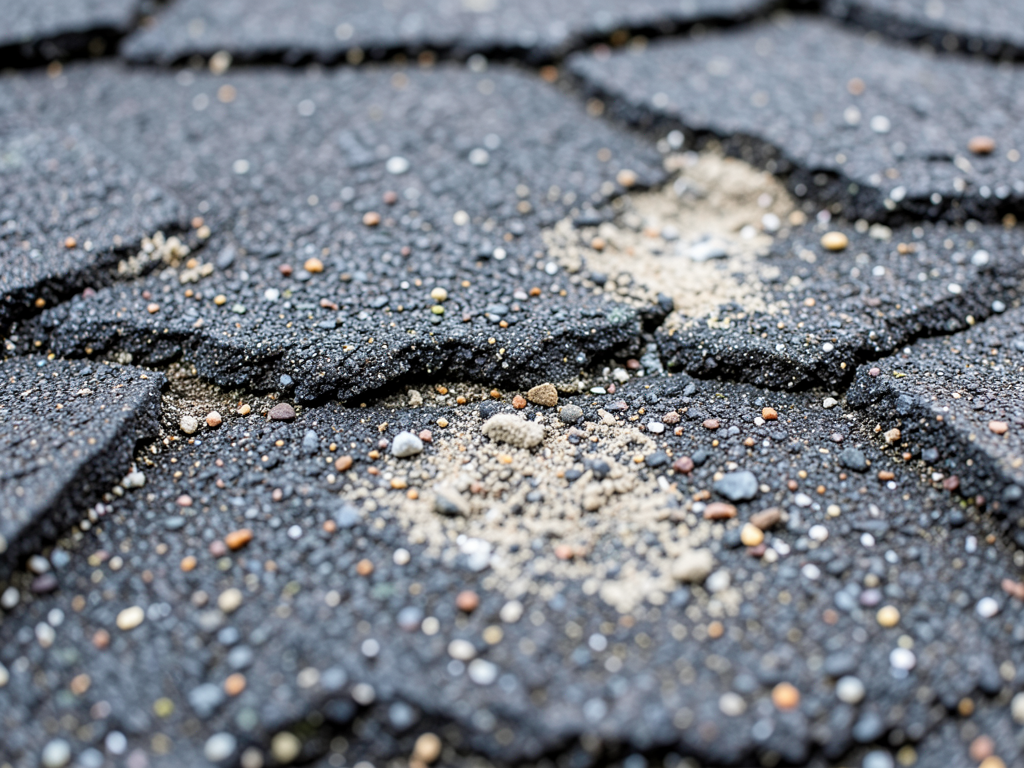
The high-altitude UV exposure in Denver degrades roofing membranes faster than in coastal cities. Your EPDM rubber or TPO membrane becomes brittle after years of intense sun, and a single hailstorm can puncture the weakened surface in multiple locations. When that happens, water finds its way through insulation layers and into your ceiling cavity within hours.

You cannot wait until Monday morning when water is dripping onto equipment, inventory, or living spaces. Every hour of delay allows more moisture to saturate insulation, compromise structural decking, and create conditions for mold growth. Water travels laterally across flat roof decking, so the visible drip inside might be twenty feet away from the actual breach point on your roof.

Emergency flat roof repair requires immediate response because flat roofs have no natural drainage angle to shed water away from compromised areas. Unlike pitched roofs where gravity moves water downslope, flat roofs pond water directly over any puncture or seam failure. That standing water applies constant hydrostatic pressure, forcing moisture deeper into your building envelope with every passing minute.

Same day flat roof repair is not a luxury in Denver. It is damage control. The longer water sits on a compromised flat roof, the more secondary damage you will face. Apex Roofing Denver maintains emergency response teams specifically for urgent flat roof leak repair across the greater Denver metro, from Lakewood to Aurora.

Why Flat Roof Leaks in Denver Demand Immediate Action
How Emergency Flat Roof Patching Stops Active Leaks

How Emergency Flat Roof Patching Stops Active Leaks

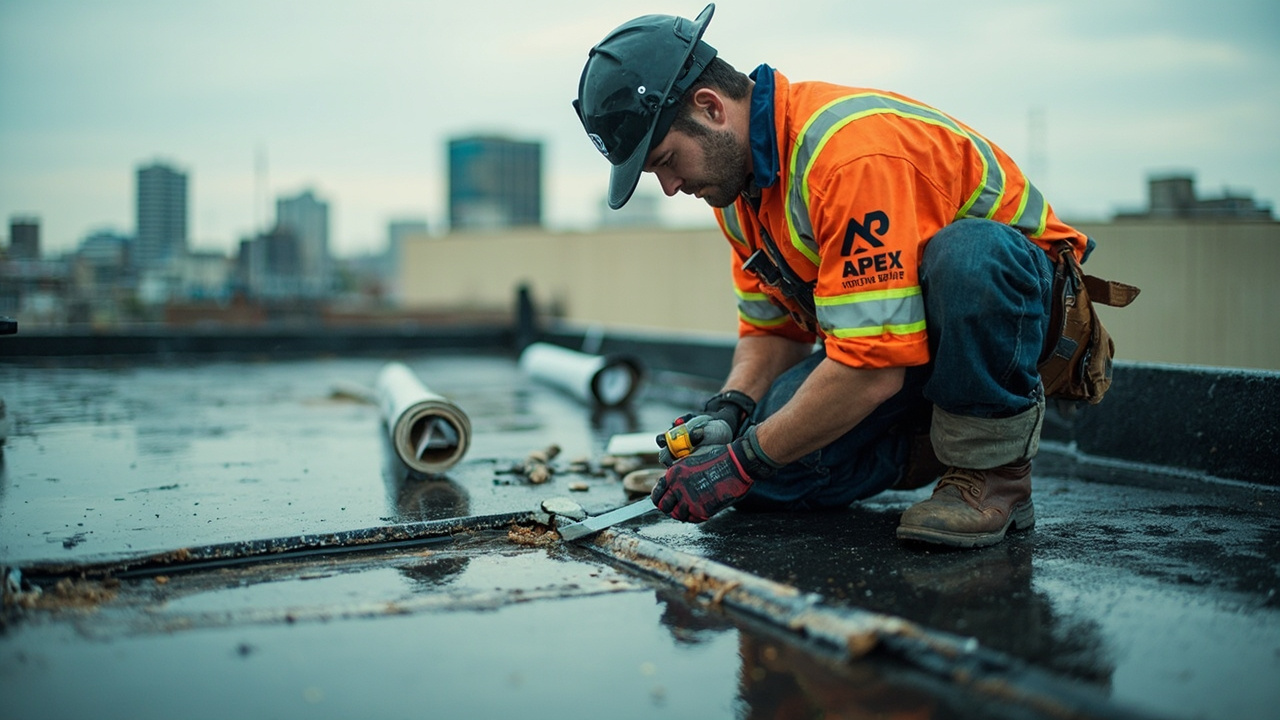
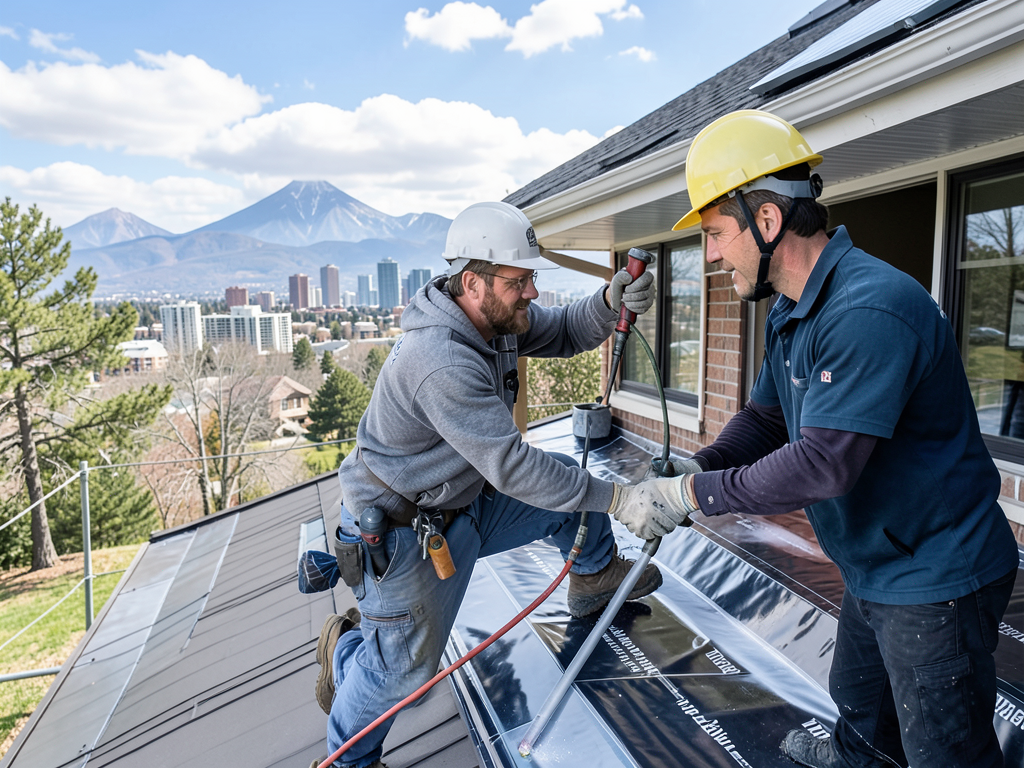
Effective 24/7 flat roof patching service starts with rapid water diversion, not immediate patching. When our emergency crew arrives, the first priority is stopping water infiltration into your building, even if that means temporary measures. We deploy heavy-duty tarps with sandbag anchoring systems or emergency roof coatings to create an immediate moisture barrier while we diagnose the failure point.

Flat roof leaks rarely originate where you see water inside. We use infrared moisture detection equipment to map the full extent of saturation in your roof assembly. This technology identifies trapped moisture in insulation layers that would otherwise go undetected until it causes structural rot. We trace water pathways back to the source breach, which is often a failed seam, damaged flashing at a parapet wall, or puncture near an HVAC curb.

The patching method depends entirely on your membrane type and the nature of the failure. For EPDM rubber roofs, we use vulcanizing tape and liquid adhesive that bonds at the molecular level, even in cold Denver temperatures. TPO and PVC membranes require heat welding with specialized equipment to create watertight seams that match the strength of the original installation. Modified bitumen systems need torch-applied patches or cold-process adhesives depending on weather conditions.

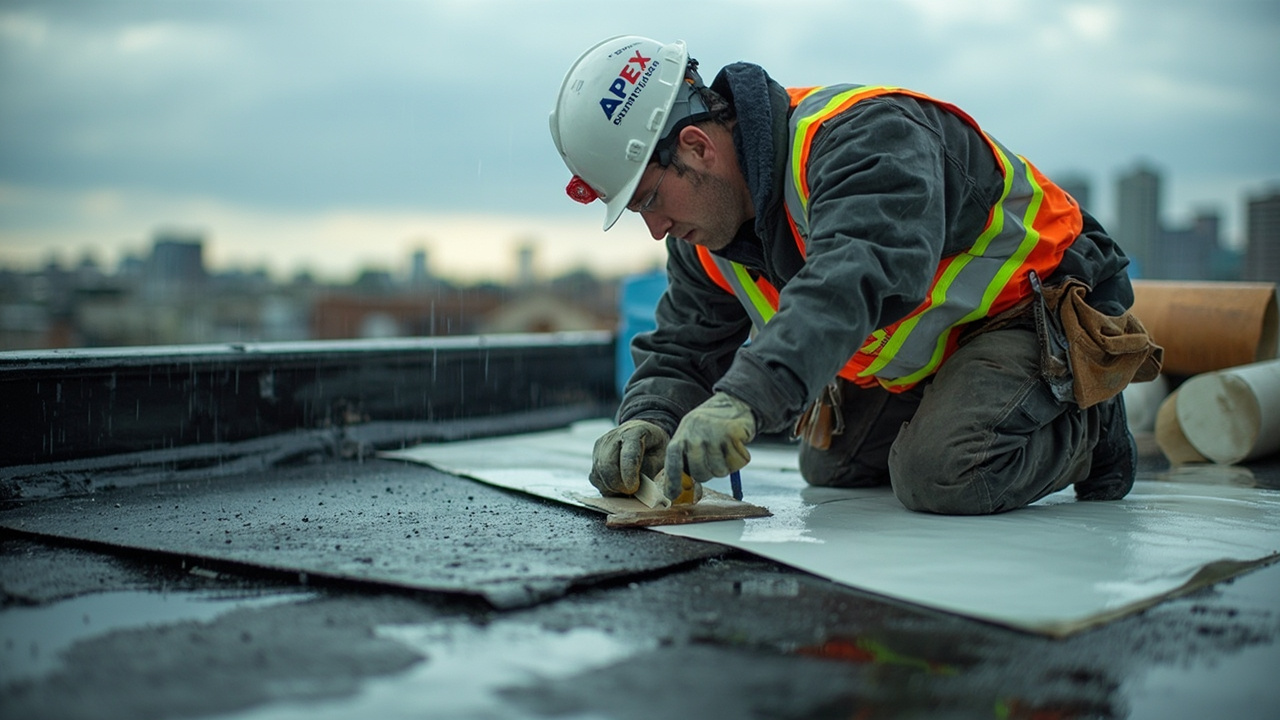
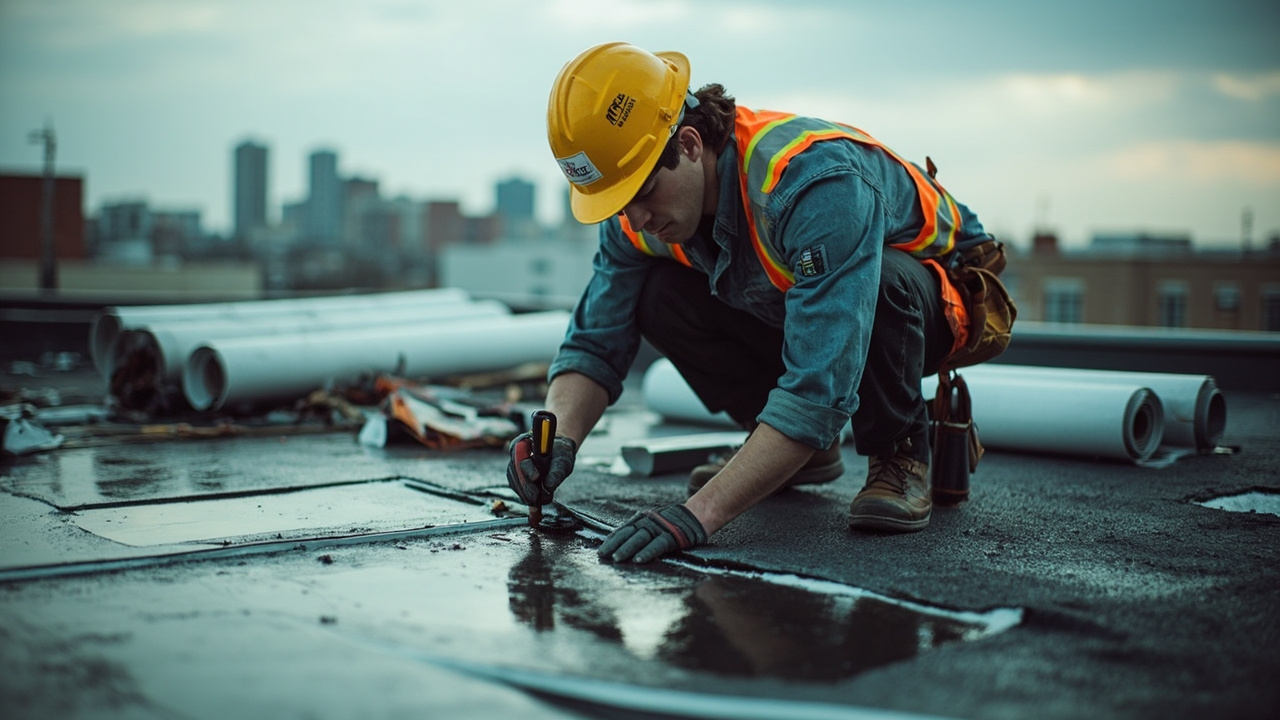
We do not simply cover the hole. Proper emergency flat roof patching includes removing any wet insulation beneath the breach point, drying the substrate, and replacing damaged sections before applying the membrane patch. Moisture trapped under a patch will cause the adhesive to fail within weeks. We also address the drainage issues that allowed ponding water to exploit the weak point in the first place.

Emergency repairs are engineered to last until a comprehensive roof evaluation can be scheduled, not just to get you through the night. Our patches are warranty-grade installations that become permanent components of your roofing system when applied correctly.

What Happens When You Call for Emergency Flat Roof Service

Emergency Flat Roof Patching in Denver – 24/7 Response Teams Dispatched in Under 90 Minutes
01

Emergency Dispatch and Assessment

Within minutes of your call, our dispatch team confirms your location and assigns the nearest emergency crew. We ask specific questions about the leak location, visible water flow, and any electrical hazards. Our technicians arrive with moisture detection equipment, safety gear, and emergency patching materials for all common flat roof membrane types. The initial roof inspection happens immediately, even in darkness or during active precipitation, to locate the breach point and assess interior damage.
02

Immediate Leak Containment

Our crew establishes temporary water diversion measures within the first hour on site. This might include emergency tarping, water vacuuming from ponded areas, or installing temporary flashing around active leak points. We document the damage with photos and thermal imaging for your insurance claim. Once water infiltration stops, we begin substrate preparation by removing saturated insulation and drying the roof deck. Only then do we apply the permanent membrane patch using heat welding or chemical bonding appropriate to your roof system.
03

Quality Verification and Documentation

After the patch cures, we perform a water test by flooding the repair area and monitoring for any seepage. We provide detailed documentation of all work performed, materials used, and recommendations for follow-up repairs. You receive photos of the breach point, the repair process, and the finished installation. Our emergency patches come with service documentation that integrates with your existing roof warranty. We schedule a follow-up inspection within two weeks to verify the repair integrity and check for any secondary damage that might have been masked by the emergency conditions.

Why Denver Property Owners Trust Apex Roofing Denver for Emergency Repairs

Emergency flat roof patching requires specialized knowledge of how Denver's climate affects different membrane systems. A repair technique that works perfectly in Houston will fail within months at our altitude and temperature extremes. Apex Roofing Denver maintains emergency response crews who understand how cold temperatures affect adhesive curing times and why morning condensation on flat roofs complicates leak detection.

We stock emergency materials for every flat roof system common in the Denver metro area. Whether your commercial building has a torch-down modified bitumen roof installed in the 1990s or your home addition features a modern TPO membrane, our trucks carry the specific patching materials and tools needed for a permanent repair. You will not wait days for special-order supplies while water continues damaging your property.

Our technicians are trained in Denver building codes and understand the specific requirements for flat roof repairs on commercial buildings in different jurisdictions. We know which repairs require permits and which fall under emergency maintenance provisions. This knowledge prevents code violations that could complicate your insurance claim or create liability issues.

Flat roof emergencies often happen during Colorado's worst weather. Our crews work safely in high winds, during snowstorms, and through temperature extremes that would halt most roofing operations. We maintain proper fall protection systems and work protocols that allow us to perform emergency repairs on commercial buildings while minimizing liability exposure for property owners.

The Denver market has plenty of roofers who will patch a leak on a sunny Tuesday afternoon. Far fewer maintain the equipment, materials inventory, and trained personnel required for true 24/7 emergency response. Apex Roofing Denver invested in emergency service infrastructure because we understand that flat roof leaks do not wait for business hours. When you call at 2 AM on a Sunday, you reach an actual dispatcher who can deploy a repair crew, not an answering service taking messages.

What to Expect During Emergency Flat Roof Patching Service

Response Time and Availability

Our emergency dispatch operates 24 hours a day, 365 days a year, including holidays. Response time averages under 90 minutes for properties within the Denver metro area, from Thornton to Highlands Ranch. During major storm events that generate multiple calls, we prioritize based on severity and dispatch additional crews from our extended service network. You will receive a confirmed arrival window within 15 minutes of your initial call. Our technicians contact you directly when they are 10 minutes away, so you can provide access to the building and roof. Emergency service does not mean rushed work. It means immediate deployment with the same quality standards we apply to scheduled repairs.

On-Site Damage Assessment

The emergency assessment includes both the roof surface and interior spaces affected by water infiltration. We use thermal imaging cameras to detect moisture trapped in insulation layers and identify saturated areas of roof decking that need replacement. Our inspection report documents the primary breach point, any secondary damage, and contributing factors like inadequate drainage or deteriorated flashing. You receive this assessment before we begin repair work, along with a clear explanation of what the emergency patch will accomplish and what additional repairs might be needed. We photograph everything for your records and insurance documentation. The assessment typically takes 20 to 40 minutes, depending on roof size and access conditions.

Repair Quality and Durability

Emergency patches are not temporary fixes. We use the same materials and installation methods required for warranty-grade repairs. EPDM patches receive proper surface preparation and primer application before bonding. TPO and PVC patches are heat-welded with overlaps that exceed manufacturer specifications. We replace any wet insulation and verify that roof decking is structurally sound before installing the membrane patch. The repair is tested with standing water before we leave the site. Our emergency patches routinely last for years without failure, and many become permanent components of the roofing system. You receive documentation of all materials used, including product specifications and manufacturer data sheets that satisfy insurance requirements and building department inspections.

Follow-Up and Long-Term Solutions

Emergency patching stops immediate water infiltration, but it does not address underlying system failures. We schedule a comprehensive roof evaluation within two weeks of the emergency repair to assess overall roof condition and remaining service life. This follow-up inspection is included with your emergency service and provides detailed recommendations for any additional repairs needed. We check for other areas of membrane deterioration, drainage problems, or flashing failures that could cause future leaks. You receive a written report with prioritized repair recommendations and realistic timelines. If your flat roof is near the end of its service life, we provide replacement options and help you plan for that investment. Our goal is to prevent the next emergency, not just fix the current one.

Frequently Asked Questions

You Have Questions,
We Have Answers

How to temporarily cover a flat roof? +

Stop water entry immediately with a heavy-duty tarp secured by weighted sandbags or 2x4 boards. Do not nail into the membrane. Clear debris and standing water first. In Denver, wind and sudden afternoon storms make tarp security critical. Overlap edges by at least two feet and secure all sides. This is a temporary measure only. Call a professional within 24 hours because Denver's freeze-thaw cycles will worsen damage fast. Tarps buy you time but cannot withstand prolonged UV exposure or snow loads. Act now to prevent interior damage and mold growth.

How to repair a flat roof without replacing it? +

Repairs avoid replacement when damage is localized. For small punctures or blisters, a professional applies roof cement, patches, or elastomeric coatings directly to the affected area. Seam repairs use heat-welded patches for TPO or EPDM membranes. Ponding water areas may need tapered insulation to improve drainage without tearing off the entire roof. Denver's intense UV exposure degrades membranes faster, so coating systems can extend life by five to seven years. Repairs work when the substrate is sound and damage covers less than 25 percent of the roof. A roof inspection determines feasibility.

What is the best way to repair a leaking flat roof? +

Identify the leak source first. Water travels along the roof deck, so the interior stain rarely matches the exterior breach. Clean the area, remove moisture, and apply a compatible patch material. For EPDM, use EPDM patches with lap sealant. For TPO, heat-weld patches. For built-up roofs, use roof cement and fiberglass mesh. Denver's rapid temperature swings require flexible materials that expand and contract. Apply patches during dry, warm conditions for proper adhesion. Emergency sealants stop water temporarily, but permanent repairs need professional attention. Do not layer incompatible products or you will worsen the problem.

Does flex seal work on flat roofs? +

Flex Seal is a temporary stopgap, not a professional solution. It works on small cracks or seams for a few weeks but fails under Denver's extreme temperature fluctuations and UV intensity. The product does not adhere well to dirty or wet surfaces, and flat roofs often have both. It cannot handle ponding water or structural movement. Use it only as an emergency measure while waiting for a contractor. Professional-grade elastomeric coatings or membrane patches provide durability and flexibility that Flex Seal cannot match. Do not rely on it for long-term waterproofing or you risk bigger repair bills.

How to temporarily patch a flat roof? +

Clean the damaged area and remove standing water. Cut a patch from compatible membrane material, extending six inches past the damaged zone. Apply roof cement or primer, press the patch firmly, and seal edges with lap sealant. For EPDM, use EPDM-specific adhesive. For TPO, heat-welding is required. Denver's afternoon thunderstorms mean you need to work fast during dry windows. Temporary patches last weeks, not months. Cover sharp objects or punctures immediately to prevent water infiltration into insulation layers. This stops the emergency but schedule a professional inspection within days to assess underlying damage and prevent mold.

Does peel and stick roofing work? +

Peel and stick roofing membranes work for patches and small repairs when installed correctly. They bond to clean, dry surfaces and seal minor leaks fast. However, Denver's temperature extremes test adhesive strength. Cold winters reduce bond quality, and hot summers soften adhesives. These products work best on slopes where water drains quickly, not in ponding areas common on flat roofs. Peel and stick is a temporary or supplemental solution. For permanent repairs, heat-welded seams or fully adhered membranes provide superior performance. Use peel and stick for emergencies, then transition to professional-grade materials.

Where do flat roofs leak most? +

Flat roofs leak most at penetrations, seams, and low spots. Vents, HVAC units, and pipe boots create weak points where flashing fails. Membrane seams separate from thermal expansion and contraction, especially in Denver's wide temperature swings. Ponding water accelerates membrane breakdown and finds tiny cracks. Roof edges and parapets experience wind uplift stress. Scuppers and drains clog with debris, causing water backup. Interior leaks often appear far from the actual breach because water travels along the roof deck. Inspect these high-risk zones first during an emergency and clear drains immediately after storms.

What is the average cost to repair a flat roof? +

Flat roof repairs in Denver range from a few hundred dollars for small patches to several thousand for extensive membrane replacement or structural fixes. Variables include membrane type, damage extent, accessibility, and urgency. Emergency calls after hours cost more. Minor leaks sealed with patches run lower. Ponding water corrections requiring tapered insulation or drain modifications increase costs. Commercial buildings with HVAC equipment need crane access, raising prices. Insurance may cover storm damage. Get multiple estimates, but prioritize speed during emergencies. Delaying repairs in Denver's climate multiplies damage and costs fast. Ask about warranty and material compatibility.

Is flat roof repair covered by insurance? +

Insurance covers flat roof leaks caused by sudden, accidental events like hail, windstorms, or falling trees. Gradual wear, poor maintenance, or age-related deterioration are typically excluded. Denver's hailstorms qualify as covered perils, but you must prove the damage timeline. Document everything with photos and dates. File claims immediately after storms. Insurance adjusters inspect damage and review maintenance records. If you neglected repairs, expect denial. Policies vary, so review your coverage limits and deductibles. Emergency tarping costs may be reimbursable. Work with contractors experienced in insurance claims to navigate the process and maximize your payout.

Why is my flat roof leaking after heavy rain? +

Heavy rain exposes flat roof weaknesses. Clogged drains and scuppers trap water, creating pressure that finds cracks in membranes or flashing. Ponding water from poor drainage overwhelms sealants. Thermal expansion during temperature drops causes seams to separate. Denver's intense afternoon downpours dump water faster than undersized drainage systems handle. Aging membranes become brittle and crack under water weight. Interior leaks may appear hours after rain as water migrates along the roof deck. Clear drains immediately, inspect for ponding, and call a professional to identify the breach before the next storm hits.

How Denver's Hailstorms and Temperature Swings Accelerate Flat Roof Failures

Denver sits in a hail corridor that produces more severe hailstorms than almost any major metro area in the United States. A single hailstorm can puncture flat roof membranes in dozens of locations, creating leaks that might not become apparent for weeks. The damage is not always obvious from ground level. Hail impacts compromise the membrane integrity without creating immediate holes, but those weak points fail rapidly when temperature swings cause the material to contract and expand. Our emergency crews respond to more flat roof leaks in the 48 hours following a hailstorm than during any other weather pattern. The combination of impact damage and extreme UV exposure at 5,280 feet creates conditions where flat roofs fail faster than in lower-altitude cities with similar climates.

Denver's building codes require specific flat roof construction methods that differ from Front Range mountain communities and eastern plains towns. Commercial flat roofs need drainage systems designed for rapid snowmelt and summer thunderstorms that can dump two inches of rain in under an hour. Residential flat roof additions, common in neighborhoods like Park Hill and Washington Park, must integrate with existing drainage systems without overloading downspouts. Apex Roofing Denver understands these local requirements because we have repaired flat roofs across every Denver neighborhood and suburb. We know which flat roof systems perform reliably in Denver's climate and which materials fail prematurely. That local knowledge matters when you need immediate flat roof leak repair that will hold up through our next weather extreme.
Roofing Services in The Denver Area

Looking for trusted roofing services near you? Apex Roofing Denver proudly serves homeowners and businesses across the greater Denver area with expert roof repairs, replacements, inspections, and storm damage restoration. From Aurora to Lakewood and Thornton to Centennial, our experienced roofing team is ready to deliver fast, dependable solutions. Use the map below to explore our service areas and find top-rated roofing help near your neighborhood.

Address:
Apex Roofing Denver, 2301 Blake St, Denver, CO, 80205

Additional Services We Offer

Our news updates

Latest Articles & News from The Blogs

Lorem ipsum dolor sit amet. Aut expedita quaerat quo eligendi numquam et laudantium perspiciatis qui minima expedita rem consequatur ducimus.…

Test Blog 4

Lorem ipsum dolor sit amet. Aut expedita quaerat quo eligendi numquam et laudantium perspiciatis qui minima expedita rem consequatur ducimus.…

Test Blog 3

Lorem ipsum dolor sit amet. Aut expedita quaerat quo eligendi numquam et laudantium perspiciatis qui minima expedita rem consequatur ducimus.…

Test Blog 2

Lorem ipsum dolor sit amet. Aut expedita quaerat quo eligendi numquam et laudantium perspiciatis qui minima expedita rem consequatur ducimus.…

Contact Us

Water damage gets worse every hour you wait. Our emergency crews are standing by right now to stop your flat roof leak. Call Apex Roofing Denver at (720) 484-8300 for immediate dispatch. We will have a repair team at your property within 90 minutes.