




Menu

Spray Foam Roofing in Denver | Minimize Downtime with Industrial-Grade SPF Systems

Commercial spray foam roofing installations and re-coats engineered for Denver's freeze-thaw cycles, delivered on schedule with full code compliance to keep your operations running.

Slider Image 1
Slider Image 2
Slider Image 3
Slider Image 4
Slider Image 5
Slider Image 7
Slider Image 8
Slider Image 9
Slider Image 10
Slider Image 11

Why Denver's Climate Punishes Traditional Commercial Roofing

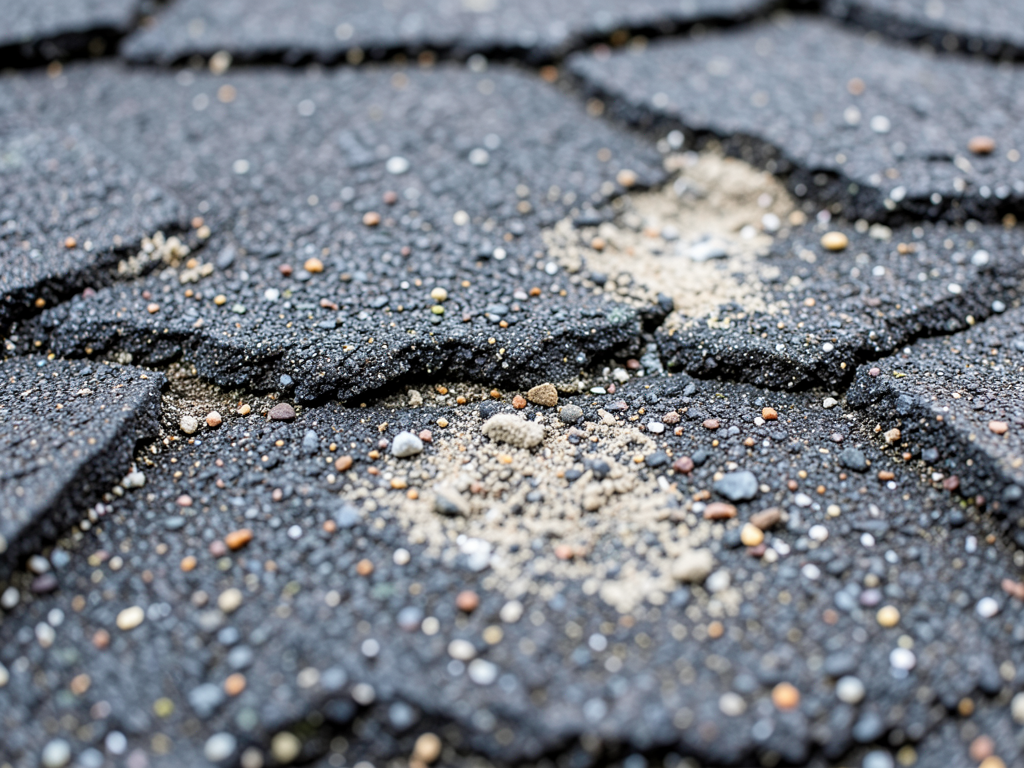
Denver's freeze-thaw cycles destroy conventional commercial roofs. Temperatures swing from 15°F in January to 90°F in July. Water enters micro-cracks, freezes, expands, and tears apart seams in built-up roofing and single-ply membranes. The 300 days of intense UV radiation at 5,280 feet elevation accelerate material breakdown. Add the low humidity and you get thermal shock that cracks brittle roofing materials within five years.

Your facility cannot afford the liability. Leaks disrupt operations, damage inventory, create slip hazards, and trigger OSHA violations. Reactive repairs cost you more than proactive solutions. Traditional roofing requires tear-offs every 15 years, which means business interruption, disposal fees, and downtime.

SPF roofing solves this. Spray polyurethane foam roofing creates a monolithic, seamless barrier that flexes with thermal expansion. No seams mean no water infiltration points. The closed-cell structure provides an R-value of 6.5 per inch, cutting HVAC costs by up to 30 percent. Commercial spray foam roofing adheres directly to existing substrates, which eliminates tear-off costs and keeps your building operational during installation.

Denver's altitude and climate demand a roof system that performs under stress. An SPF roof system delivers that performance. Polyurethane foam roofing is not cosmetic. It is structural reinforcement that extends roof life by decades while reducing your total cost of ownership.

Why Denver's Climate Punishes Traditional Commercial Roofing
How We Install SPF Roofing for Maximum Performance

How We Install SPF Roofing for Maximum Performance

We do not guess. Every commercial spray foam roofing project starts with a substrate moisture scan using infrared thermography and capacitance meters. Wet insulation under your existing roof will cause foam adhesion failure. We identify it, remove it, and prepare a dry substrate before any foam touches your roof.

Surface preparation determines longevity. We power wash to remove oils, dust, and biological growth. We apply a primer on porous substrates like concrete or aged modified bitumen. We repair structural defects, reinforce parapet walls, and ensure proper drainage slopes. Foam application over a compromised substrate is a waste of your capital budget.

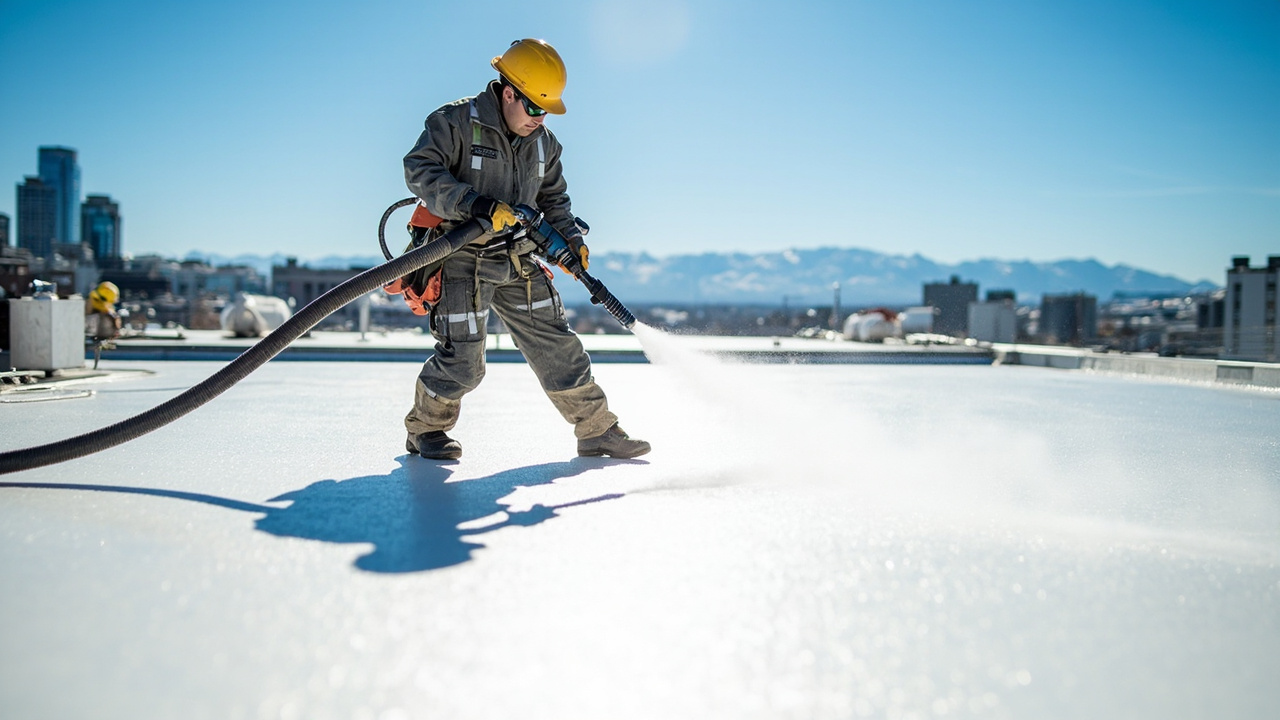
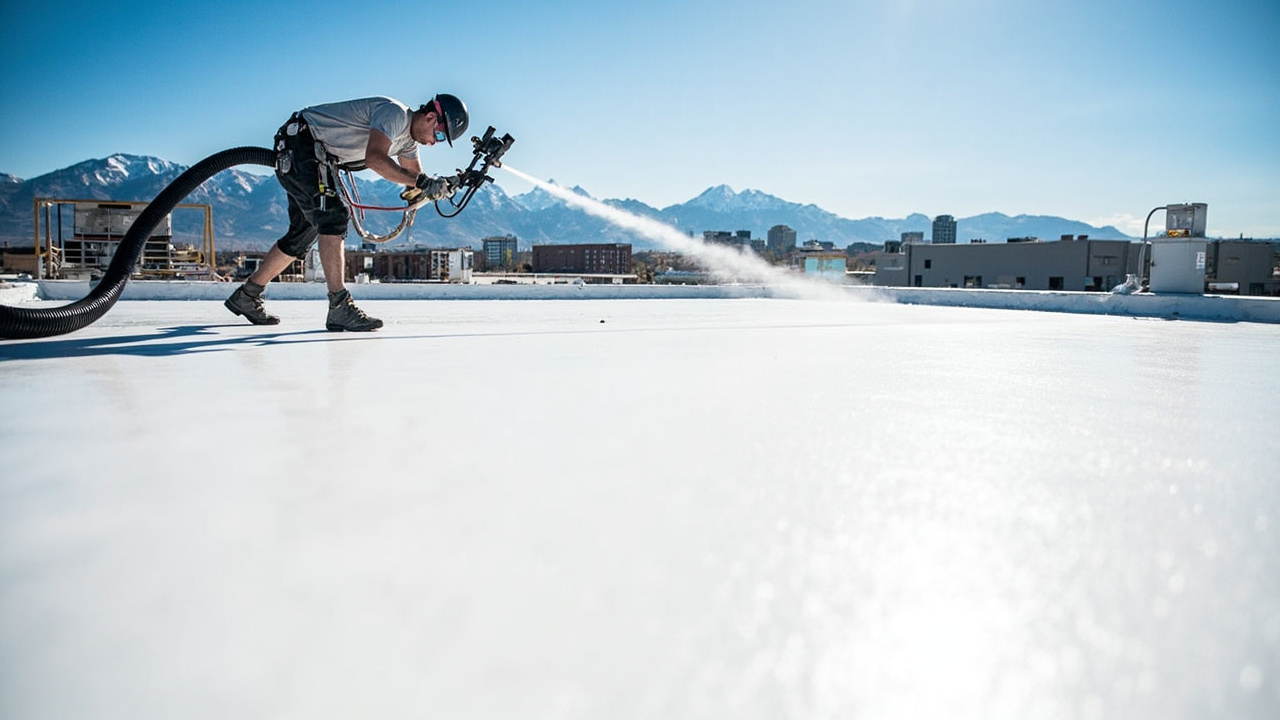
We spray polyurethane foam in multiple passes to achieve the specified thickness, typically 1.5 to 3 inches depending on R-value requirements and structural load calculations. The foam is applied in lifts to prevent heat buildup and ensure proper cell structure. Ambient temperature must be above 40°F with no moisture in the forecast. We do not rush. We schedule around Denver's weather windows to ensure proper cure times.

The elastomeric coating is where most contractors fail. We apply a minimum of 20 mils of silicone or acrylic coating with embedded polyester fabric at all transitions, penetrations, and edges. This coating is your UV barrier. Without it, foam degrades in months. We apply two coats with embedded granules for reflectivity and impact resistance.

Apex Roofing Denver uses only Tier 1 manufacturers with ICC-ES reports and FM Approvals. We do not use budget foam. We engineer systems that meet or exceed Denver's wind uplift requirements and fire ratings.

What Happens During Your SPF Roofing Project

Spray Foam Roofing in Denver | Minimize Downtime with Industrial-Grade SPF Systems
01

Pre-Installation Assessment and Planning

We conduct a roof core analysis to measure existing insulation moisture content and test adhesion compatibility. We review structural load capacity with your engineer to confirm the roof deck can support additional weight. We coordinate with your operations manager to schedule work during low-activity hours. We pull permits and submit all required documentation to Denver's Building Department. You receive a detailed project timeline with weather contingencies and phasing options to avoid disrupting your business operations.
02

Controlled Application and Quality Checks

Our crews section off work zones to contain overspray and maintain fall protection. We spray foam in controlled passes, monitoring thickness with wet film gauges and core samples. Temperature and humidity are logged every hour. We embed reinforcement fabric at all flashings, curbs, and penetrations before applying the protective coating. Each day ends with a site walkthrough to identify any defects before the foam fully cures. We correct issues immediately, not after the final invoice.
03

Final Inspection and Documentation

We perform a flood test on all penetrations and a final infrared scan to verify complete adhesion with no voids or delamination. You receive a complete project binder with material certifications, thickness verification reports, and photographic documentation of every roof section. We coordinate the final municipal inspection and provide you with a roof asset file for your facilities management team. The system is warrantied through the manufacturer, and we provide annual re-coat schedules to maximize lifespan.

Why Denver Commercial Clients Choose Apex Roofing Denver

We install SPF roofing on Denver's commercial buildings because we understand what failure costs you. A roof leak in your warehouse does not just damage product. It triggers insurance claims, OSHA inspections, and lost customer confidence. You need a contractor who shows up on schedule, completes the work without change orders, and builds systems that perform for 20 years.

We are familiar with Denver's building codes and the requirements for commercial re-roofing in historic districts like LoDo and RiNo. We have worked with structural engineers on buildings with restricted load capacities. We know which substrates require additional prep and which foam formulations perform best at altitude.

Our project managers coordinate with your facility teams to minimize disruption. We do not block loading docks, we do not leave equipment unsecured overnight, and we do not walk away until the site is clean. We have completed projects on occupied medical facilities, cold storage warehouses, and multi-tenant retail centers without a single operational shutdown.

Apex Roofing Denver uses only spray rigs calibrated to manufacturer specifications. We do not subcontract foam application. Our crews are factory-trained and certified by the Spray Polyurethane Foam Alliance. We carry commercial general liability coverage with completed operations endorsements and pollution liability for chemical overspray.

You are making a capital investment. We treat it that way. We provide ROI projections based on your current energy costs, expected lifespan comparisons against alternative systems, and maintenance cost reductions. You get data, not sales pitches.

What Your Commercial SPF Roofing Project Includes

Project Timeline and Scheduling

Most commercial spray foam roofing projects take two to five days depending on square footage and complexity. We provide a detailed schedule before work begins, including weather delay contingencies. We coordinate with your operations team to work during off-hours if necessary. Our crews arrive on time, complete daily targets, and communicate any delays immediately. You are not left guessing when the project wraps. We update you daily with progress photos and completion percentages. Large projects are phased to keep portions of your roof accessible and functional.

Comprehensive Roof Analysis

We start with a roof core extraction to test moisture levels in your existing insulation. We use infrared thermography to locate hidden leaks and wet insulation that would compromise foam adhesion. We evaluate the structural deck for load capacity and identify any damaged sections that need reinforcement. We review your HVAC equipment, penetrations, and drainage systems to plan proper flashing details. You receive a written report with findings, recommendations, and material specifications before any work is scheduled. We do not spray foam over problems.

Performance and Energy Efficiency

SPF roofing delivers an R-value of 6.5 per inch, which reduces thermal bridging and lowers HVAC demand. The seamless application eliminates air leakage that drives up heating costs during Denver winters. The reflective topcoat reduces solar heat gain in summer, cutting cooling loads by up to 30 percent. You will see measurable reductions in your utility bills within the first year. The system also adds structural rigidity to your roof deck and improves wind uplift resistance. This is not just a roof. It is a performance upgrade for your building envelope.

Manufacturer Warranties and Maintenance Plans

We provide material warranties through the foam and coating manufacturers, covering defects in materials and performance. Warranties range from 10 to 20 years depending on system design and maintenance commitment. We offer annual inspection and re-coat services to extend system life and maintain warranty compliance. Re-coating every 10 to 15 years restores UV protection and adds another decade of service life. We document all maintenance in your roof asset file and notify you when re-coating is due. Proper maintenance turns a 20-year roof into a 40-year roof.

Frequently Asked Questions

You Have Questions,
We Have Answers

Is spray foam good for roofs? +

Spray foam roofing works well for commercial buildings in Denver. It creates a seamless, monolithic barrier that blocks moisture infiltration and handles Denver's freeze-thaw cycles without cracking. The foam adheres directly to most substrates, adding structural rigidity while providing high R-value insulation. This reduces HVAC loads during Denver's temperature swings. Spray foam also reflects UV rays, which matters during Colorado's 300 days of sunshine. For flat or low-slope commercial roofs common in Denver's warehouse and office districts, spray foam eliminates seams where leaks typically start. Proper installation and maintenance are critical to performance and longevity.

What are the disadvantages of a spray foam roof? +

Spray foam roofing requires skilled application. Improper installation leads to adhesion failure, especially during Denver's rapid temperature changes. The material degrades under UV exposure without a protective coating, which needs reapplication every 5 to 10 years. Foam can trap moisture if applied over wet substrates, causing hidden rot in commercial buildings. It costs more upfront than traditional systems like TPO or EPDM. Repairs demand specialized contractors, limiting your vendor options in the Denver metro. Some building codes require additional fire barriers, increasing project costs. Denver's high altitude can affect curing times and application conditions, making weather windows tighter for contractors.

How long does spray foam last on a roof? +

Spray foam roofing lasts 20 to 30 years on commercial buildings with proper maintenance. Denver's intense UV radiation and hail exposure shorten lifespan without regular recoating. You must inspect the elastomeric coating every 3 to 5 years and reapply as needed to protect the foam substrate. Ponding water from clogged drains accelerates degradation on flat roofs common in Denver's commercial districts. Foot traffic from HVAC maintenance damages the surface over time. Buildings near the Front Range face additional wear from wind-driven debris. Documented maintenance records extend the roof's functional life and protect your investment against premature failure in Colorado's climate.

Why is spray foam a red flag for lenders? +

Lenders flag spray foam because improper installation traps moisture in attics and wall cavities, causing structural damage that reduces property value. Some early foam formulations off-gassed harmful chemicals or used materials now banned. In Denver's real estate market, appraisers discount properties with undocumented foam work because remediation costs can exceed $30,000 for commercial buildings. Lenders also worry about code compliance. Denver requires specific fire ratings and vapor barriers that unlicensed contractors often skip. If the foam blocks ventilation paths required by Denver building codes, you face expensive corrections before closing. Proper documentation from licensed contractors mitigates these concerns.

Why are insurance companies not insuring homes with spray foam insulation? +

Insurance companies avoid spray foam insulation because it hides fire risks and moisture damage during inspections. Closed-cell foam can trap water behind walls or in attic spaces, creating mold growth that remains invisible until structural failure occurs. Some foam formulations increase fire spread rates if not properly treated with flame retardants. In Denver, underwriters see higher claims on properties with DIY or unlicensed foam installations. Commercial policies may exclude coverage entirely or demand removal before binding. If your Denver building has spray foam, expect higher premiums or policy restrictions. Document professional installation with permits and fire-rated materials to improve insurability.

How much does it cost to spray foam a 2000 foot attic? +

Commercial attic foam insulation costs depend on thickness, foam type, and access conditions. Closed-cell foam provides higher R-value per inch but costs more than open-cell. Denver's building codes may require specific fire barriers or vapor retarders, adding expense. Labor rates vary across the metro area. Most contractors quote by board foot or square footage rather than total attic size. Weather delays during Denver's winter months can increase costs. You must also factor in HVAC modifications if the foam changes ventilation requirements. Request itemized bids from licensed Denver contractors with commercial experience to compare project scope and ensure code compliance.

Why are people removing spray foam? +

Property owners remove spray foam when it traps moisture, fails to meet code requirements, or blocks necessary inspections. In Denver, older foam installations often lack proper vapor barriers, causing hidden rot in roof decks and framing. Some foam contains hazardous materials flagged during environmental assessments before commercial property sales. Buyers demand removal when lenders refuse financing due to installation concerns. Improperly applied foam also blocks access to electrical and plumbing systems, complicating renovations in Denver's aging commercial buildings. Removal costs run high because foam adheres aggressively to substrates. You may need abatement contractors if the foam contains banned chemicals.

Why is it hard to sell a house with spray foam insulation? +

Houses with spray foam struggle to sell because lenders and insurers flag undocumented installations. In Denver's competitive market, buyers avoid properties requiring expensive foam removal or remediation. Appraisers discount values when foam blocks inspections of roof decks, framing, or mechanical systems. Some foam installations violate Denver building codes by eliminating required ventilation paths, forcing sellers to fund corrections before closing. Insurance companies either deny coverage or charge premiums that kill deals. Buyers also worry about hidden moisture damage trapped behind foam in Denver's freeze-thaw climate. Professional installation with permits and documentation reduces these concerns but does not eliminate buyer hesitation.

Is spray foam roofing expensive? +

Spray foam roofing costs more upfront than conventional systems like TPO, EPDM, or modified bitumen. Commercial installations in Denver run higher due to material costs, specialized labor, and equipment requirements. You pay for the foam's insulation value and seamless application, which can reduce long-term HVAC expenses. Denver's high altitude and temperature swings require careful application, increasing labor time. Recoating every 5 to 10 years adds ongoing costs. However, foam's energy savings and durability can offset the initial expense over the roof's lifespan. Compare total cost of ownership, not just installation price, when evaluating foam against traditional systems for your Denver commercial property.

Why is spray foam insulation now a red flag? +

Spray foam is now a red flag because widespread misapplication created structural and financial problems. Unlicensed contractors in Denver installed foam without proper vapor barriers, fire ratings, or ventilation considerations. This trapped moisture, violated building codes, and created liabilities that lenders and insurers now avoid. Some foam formulations off-gassed harmful chemicals or blocked critical inspections during property transactions. In Denver's market, buyers see foam as a hidden defect requiring expensive remediation. Professional installations with permits and documentation still work fine, but the industry's past problems tainted the material's reputation. Commercial buyers now demand proof of code-compliant installation before closing deals.

How Denver's Altitude and UV Exposure Demand High-Performance SPF Systems

Denver sits at 5,280 feet, where UV radiation is 25 percent stronger than at sea level. This accelerates coating degradation on spray polyurethane foam roofing. Standard acrylic coatings fail within five years under this exposure. We use silicone coatings with embedded ceramic granules that reflect UV and resist thermal shock from Denver's 60-degree daily temperature swings. The freeze-thaw cycles between October and April cause conventional roofing to crack and split. An SPF roof system remains flexible and intact because the closed-cell foam structure absorbs expansion and contraction without tearing.

Denver's building codes require commercial roofs to meet specific wind uplift ratings due to Front Range wind events and microbursts. We engineer every polyurethane foam roofing installation to meet or exceed Class 90 wind uplift standards. Our crews understand local permitting requirements and coordinate inspections with Denver's Department of Community Planning and Development. We have completed projects across metro Denver, from warehouses in Commerce City to mixed-use buildings in the Denver Tech Center. Local expertise means we account for altitude, climate, and code compliance in every system we install.
Roofing Services in The Denver Area

Looking for trusted roofing services near you? Apex Roofing Denver proudly serves homeowners and businesses across the greater Denver area with expert roof repairs, replacements, inspections, and storm damage restoration. From Aurora to Lakewood and Thornton to Centennial, our experienced roofing team is ready to deliver fast, dependable solutions. Use the map below to explore our service areas and find top-rated roofing help near your neighborhood.

Address:
Apex Roofing Denver, 2301 Blake St, Denver, CO, 80205

Additional Services We Offer

Our news updates

Latest Articles & News from The Blogs

Lorem ipsum dolor sit amet. Aut expedita quaerat quo eligendi numquam et laudantium perspiciatis qui minima expedita rem consequatur ducimus.…

Test Blog 4

Lorem ipsum dolor sit amet. Aut expedita quaerat quo eligendi numquam et laudantium perspiciatis qui minima expedita rem consequatur ducimus.…

Test Blog 3

Lorem ipsum dolor sit amet. Aut expedita quaerat quo eligendi numquam et laudantium perspiciatis qui minima expedita rem consequatur ducimus.…

Test Blog 2

Lorem ipsum dolor sit amet. Aut expedita quaerat quo eligendi numquam et laudantium perspiciatis qui minima expedita rem consequatur ducimus.…

Contact Us

Stop reacting to leaks. Schedule a roof analysis with Apex Roofing Denver and get a performance-based roofing solution. Call (720) 484-8300 now to discuss your project timeline and receive a detailed assessment.