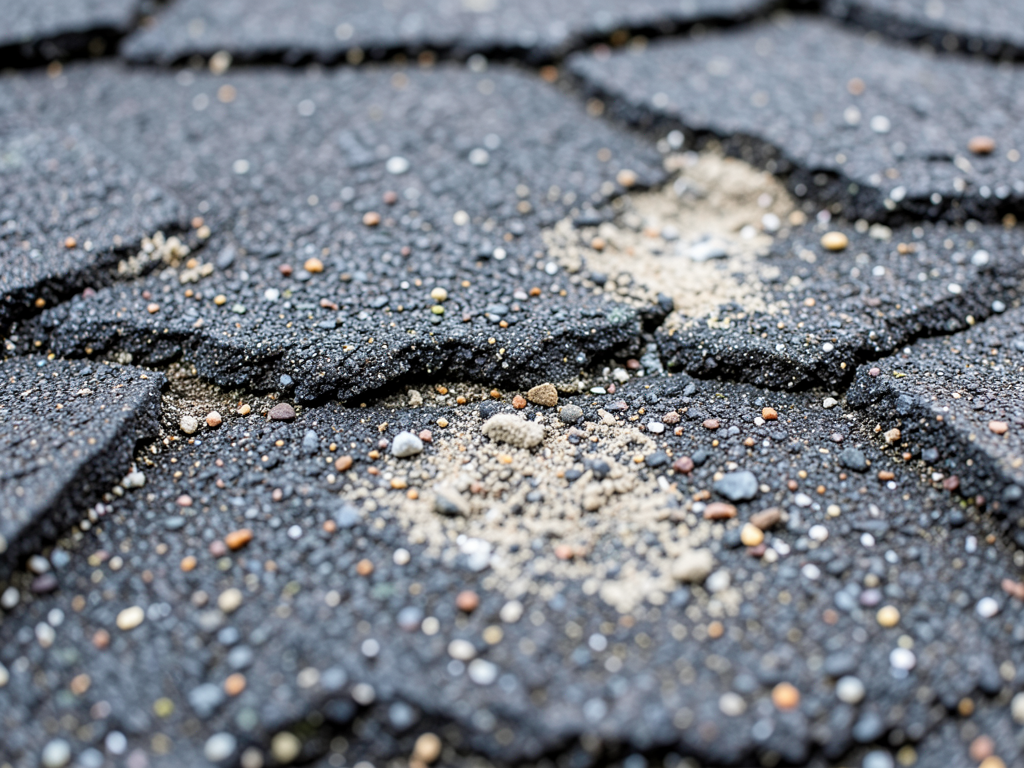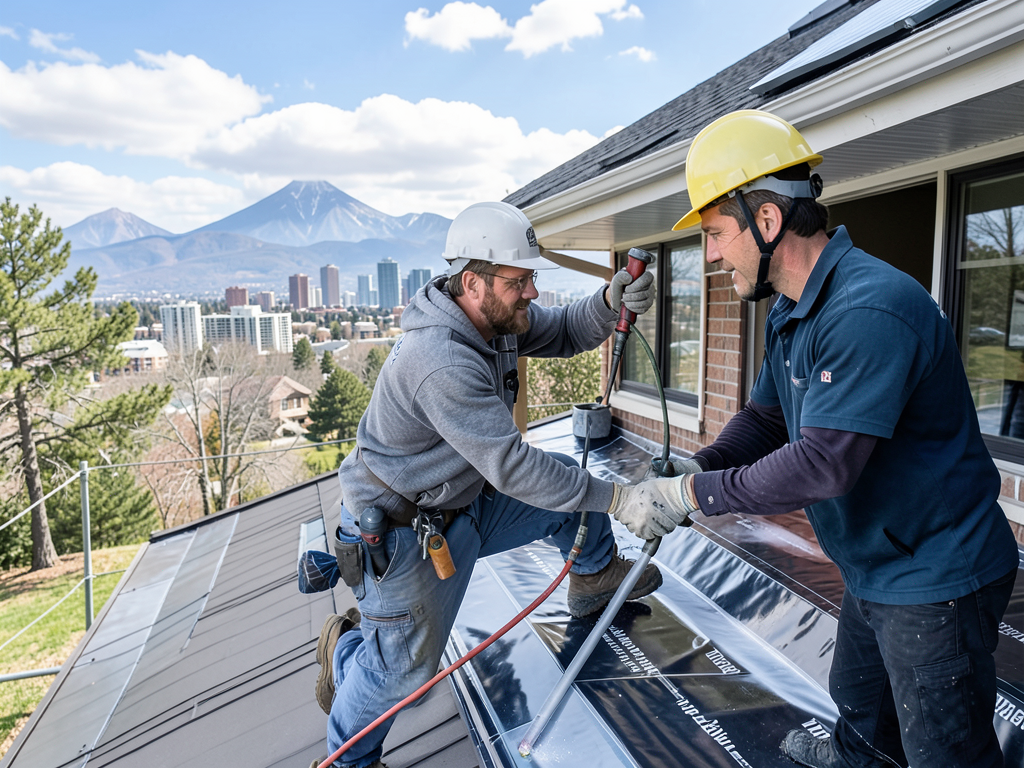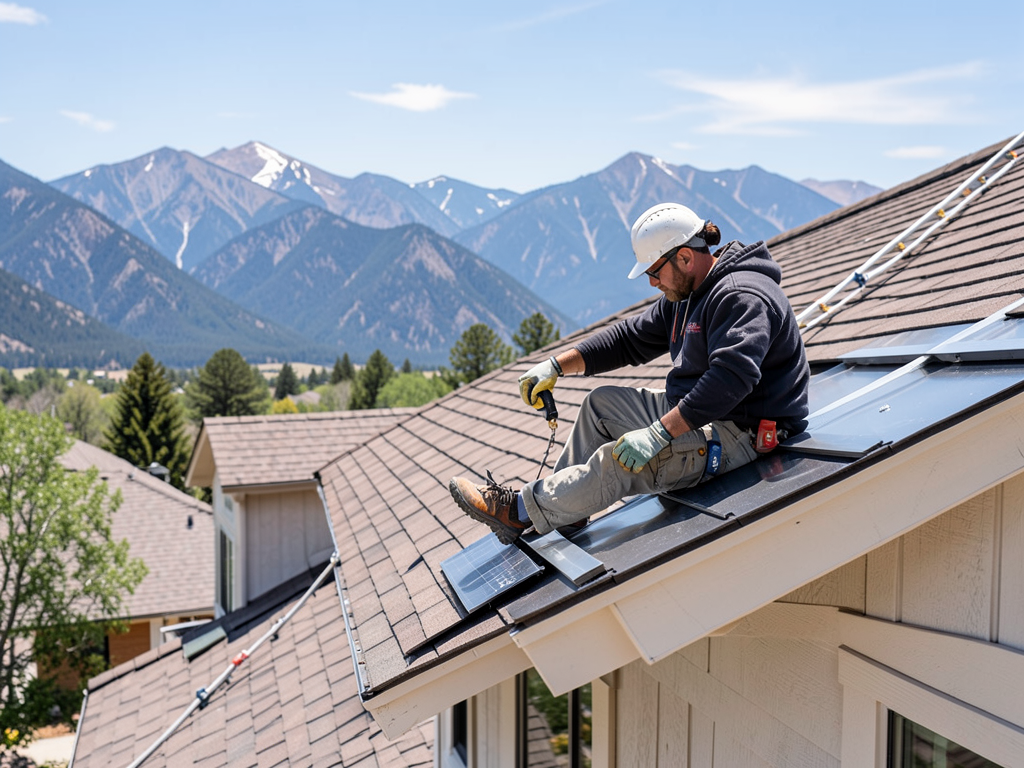





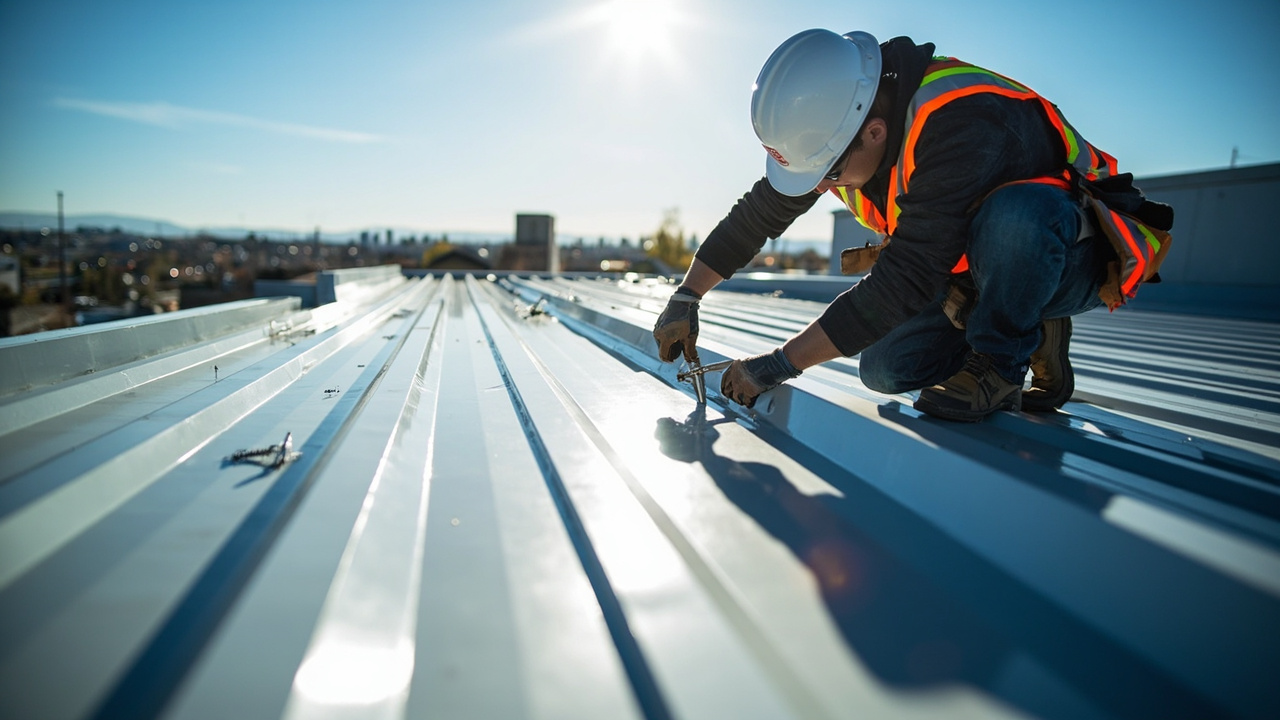
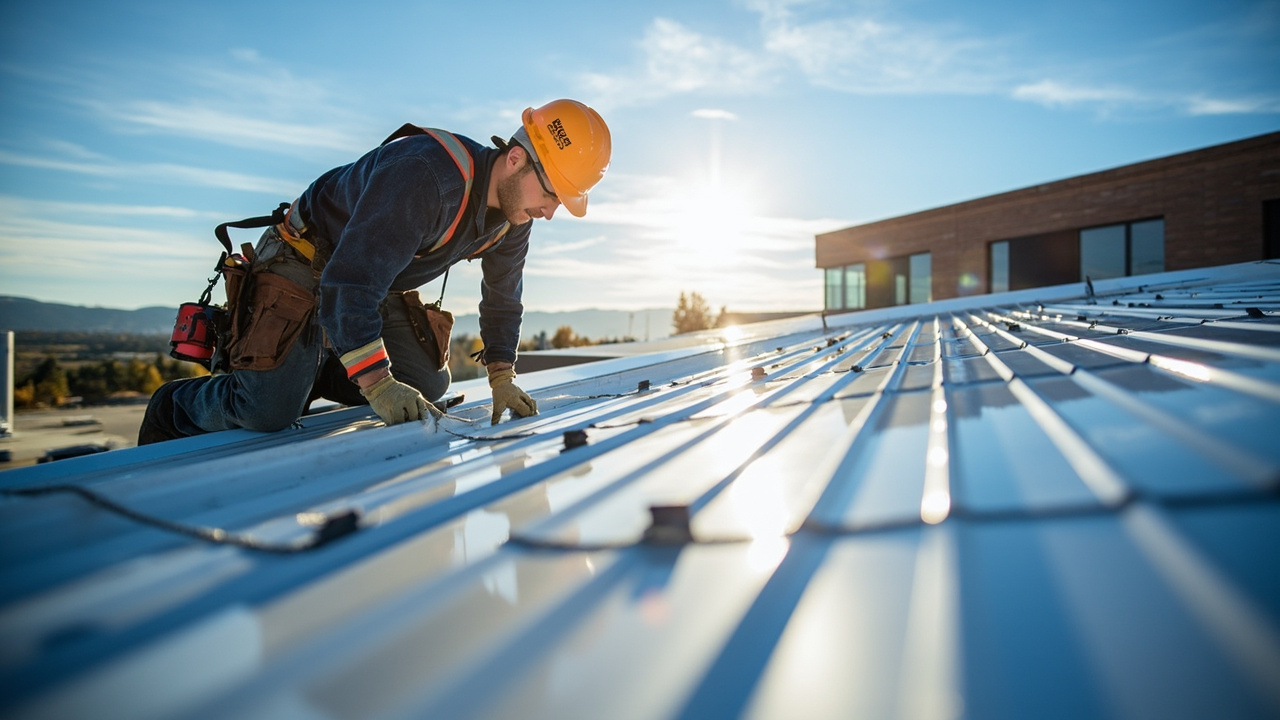
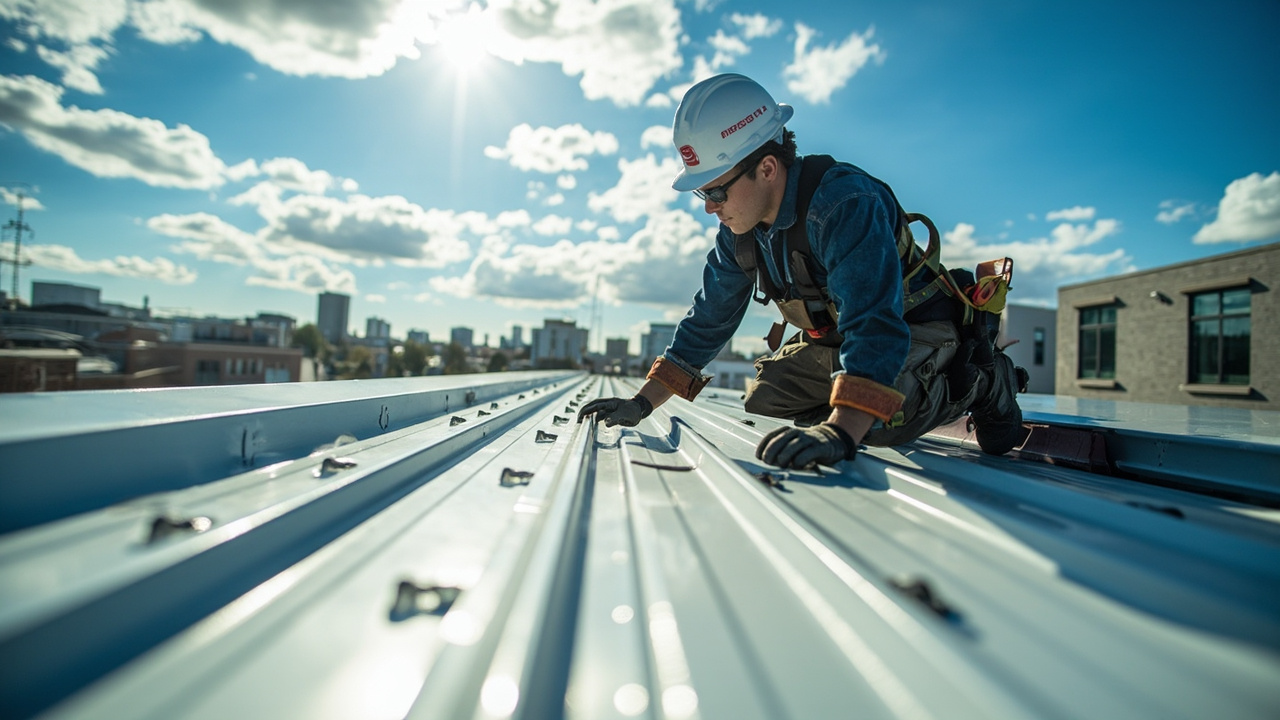
Denver's 5,280-foot elevation creates roofing conditions that do not exist at lower altitudes. The thin atmosphere provides less UV filtration, which means 25 percent more solar radiation hits your roof compared to coastal cities. This accelerates degradation of conventional roofing materials and causes rapid thermal cycling. Temperature swings of 40 to 50 degrees between day and night stress roof membranes and create expansion-contraction cycles that fatigue attachment points. Metal retrofit roofing systems handle these conditions because the panels float on concealed clips that allow thermal movement without stressing the structure. The reflective coatings reduce surface temperatures by 30 to 40 degrees compared to dark-colored conventional roofs.
Commercial properties in Denver require roof systems that meet specific snow load requirements and wind uplift ratings. The Denver Building Code references IBC standards, which mandate design for 30 PSF ground snow load and wind speeds up to 90 MPH. Metal-over-metal reroofing and flat-to-slope metal retrofit installations must include stamped engineering documents that prove compliance with these requirements. Apex Roofing Denver maintains relationships with structural engineers who understand Front Range building conditions and local jurisdiction review processes. This ensures your project passes plan review and inspection without delays or costly redesigns during construction.