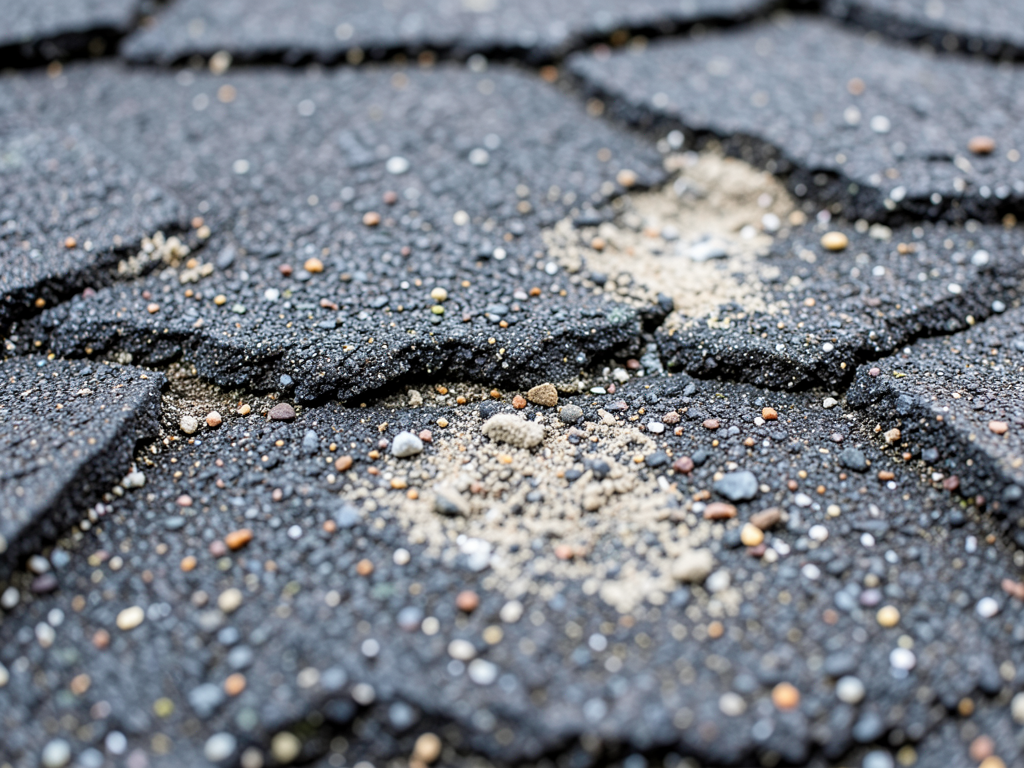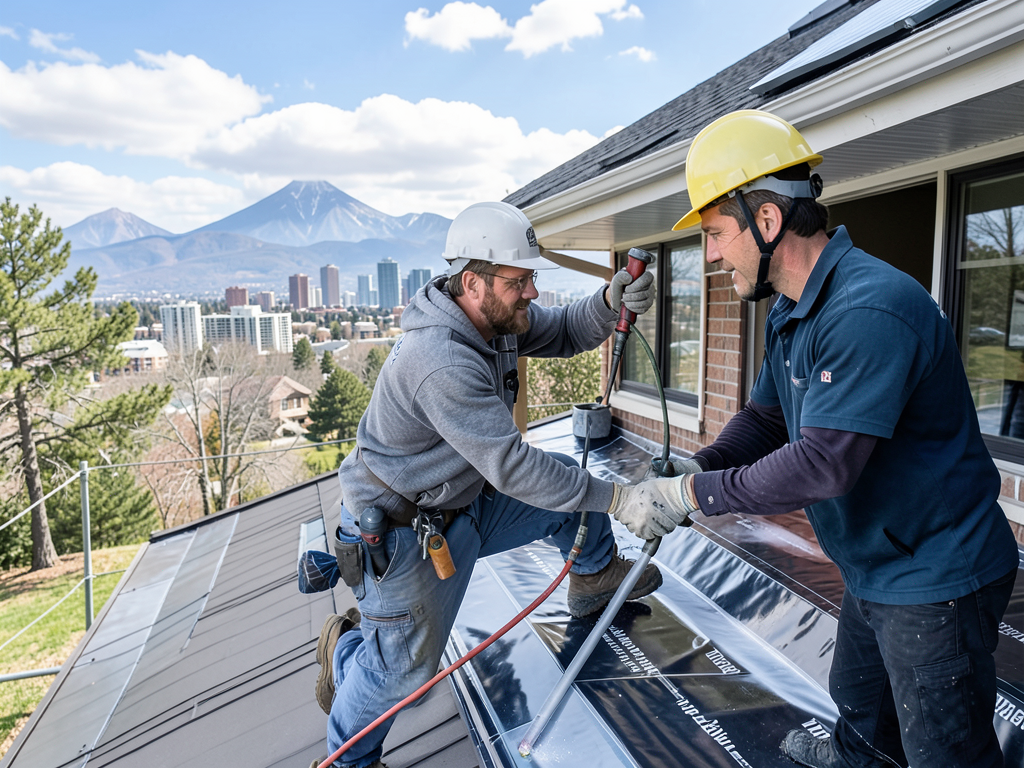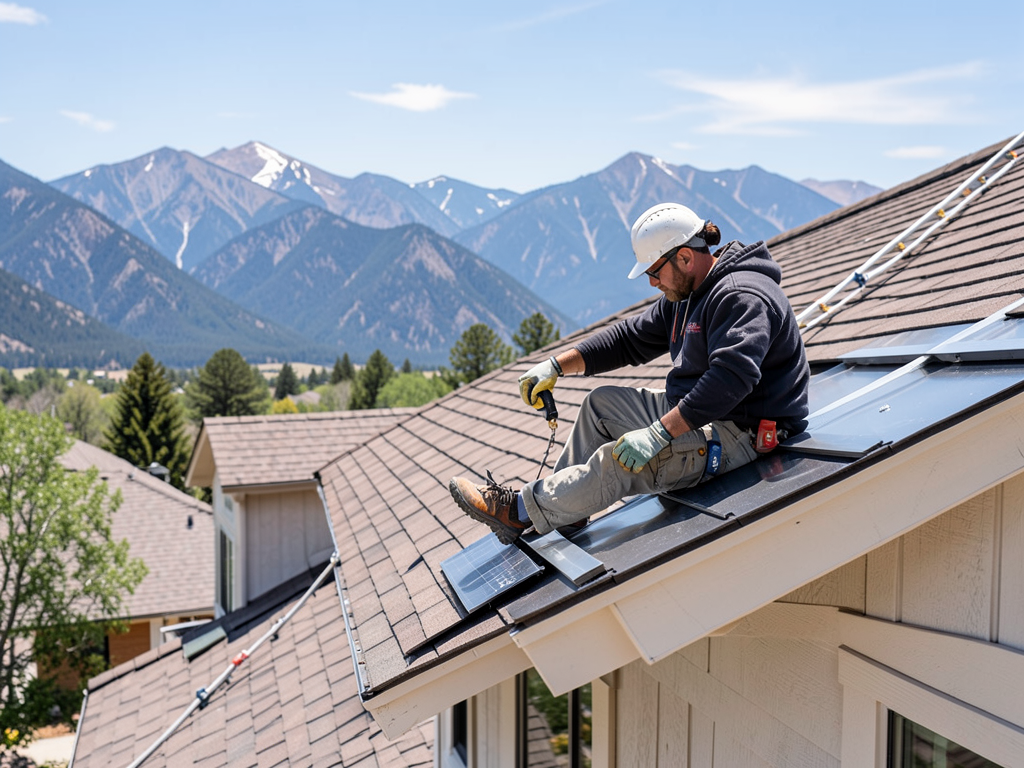





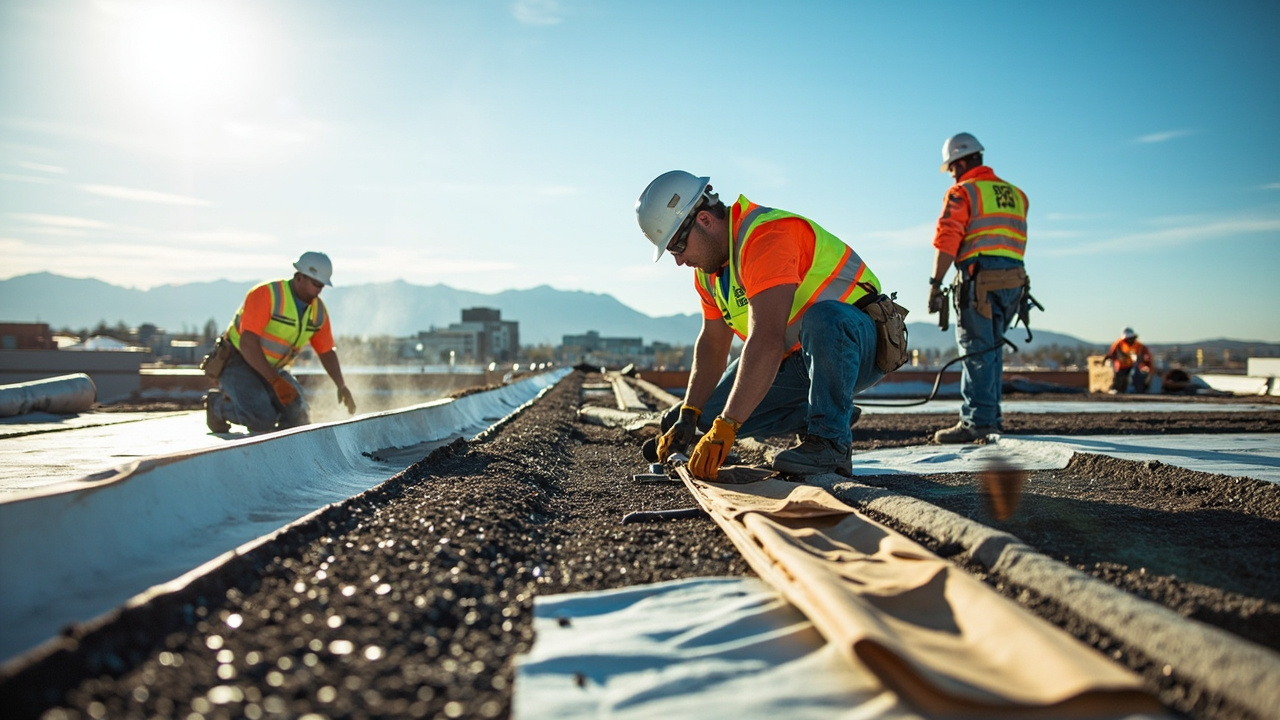
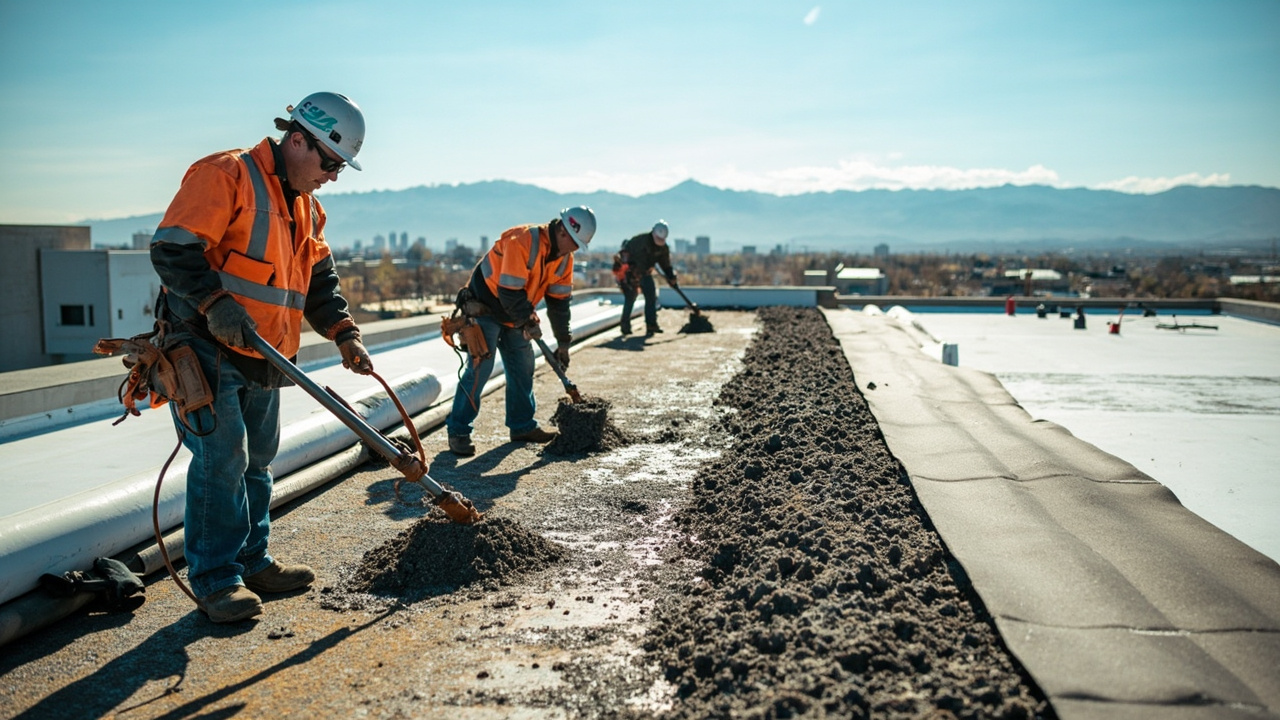
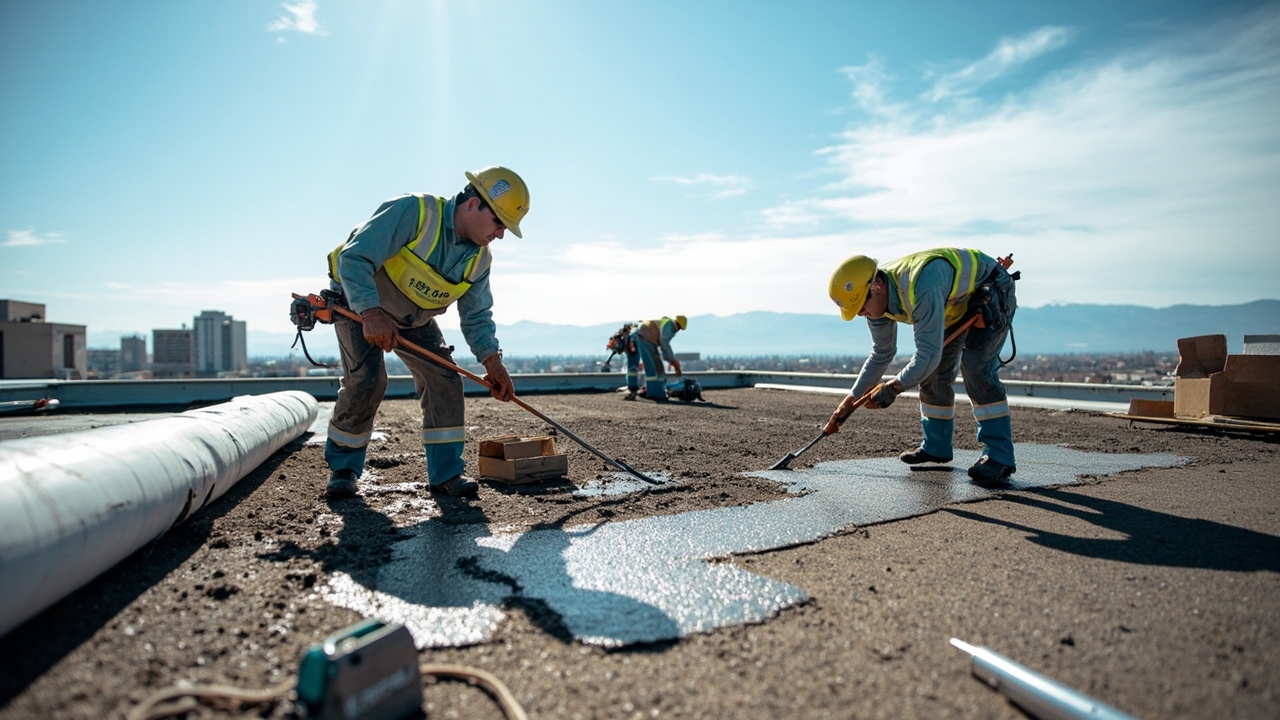
Denver sits at 5,280 feet, where atmospheric pressure is 17% lower than at sea level. This affects how asphalt built-up roofing systems cure and perform. Lower air pressure means solvents evaporate faster during installation, changing working time for hot bitumen application. UV radiation intensity increases roughly 8% per 1,000 feet of elevation, accelerating breakdown of unprotected asphalt. The gravel ballast on tar and gravel roofing becomes more critical here than in lower elevations because it shields the asphalt layers from this increased UV exposure. Temperature swings from 20 degrees at night to 70 degrees during the day create expansion and contraction stress that inferior roofing systems cannot handle. Multi-ply construction absorbs this movement without cracking.
Denver amended the International Building Code with specific requirements for commercial roofing wind uplift ratings. Buildings in exposed locations require higher-rated systems to resist downslope wind events. Our installations meet or exceed these local code requirements, ensuring your built-up roof passes inspection and performs as engineered. We maintain relationships with Denver building inspectors and understand the documentation they require for permit approval. Local expertise matters when navigating code compliance, especially for properties in historic districts like Curtis Park or Five Points where additional restrictions apply. Choosing a roofing contractor familiar with Denver's specific regulations prevents costly delays and ensures your project meets all jurisdictional requirements.