




Menu

Commercial Roof Coatings in Denver – Minimize Downtime with Industrial-Grade Restoration Systems

Apex Roofing Denver delivers liquid applied roofing and elastomeric roof coatings that extend membrane life, reduce energy costs, and keep your facility operational without the disruption of full tear-off replacement.

Slider Image 1
Slider Image 2
Slider Image 3
Slider Image 4
Slider Image 5
Slider Image 7
Slider Image 8
Slider Image 9
Slider Image 10
Slider Image 11

Why Denver's Climate Demands Strategic Commercial Roof Protection

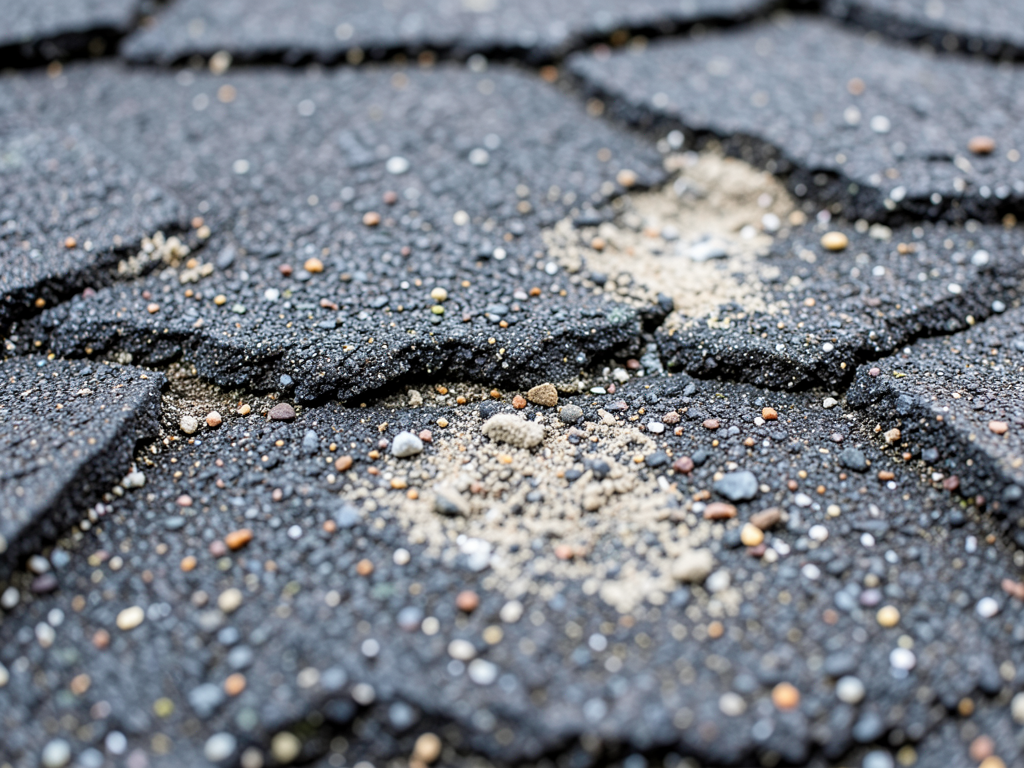
Denver's elevation and weather patterns create accelerated wear on commercial flat roof systems. Intense UV exposure at 5,280 feet degrades membrane integrity faster than at sea level. You see this in chalking surfaces, brittleness, and premature cracking. The freeze-thaw cycle compounds the damage. Water infiltrates microcracks during the day, then expands when temperatures drop at night. This repetitive stress fractures seams and causes membrane delamination.

Traditional built-up roofs and single-ply membranes lose reflectivity within five to seven years in this environment. Dark surfaces absorb heat, drive up HVAC loads, and accelerate thermal cycling. You pay more to cool the building while the roof deteriorates faster. Commercial roof restoration systems solve both problems without shutting down operations.

Industrial roof coatings create a monolithic barrier over existing membranes. Elastomeric roof coatings flex with temperature swings instead of cracking. They reflect solar radiation, which lowers surface temperatures by 30 to 50 degrees. This reduces cooling costs and extends the life of the substrate underneath. Liquid applied roofing conforms to complex geometries, penetrations, and transitions that cause leaks in conventional systems.

You avoid the cost and disruption of tear-off. The coating bonds directly to the existing membrane, adding thickness and waterproofing without adding significant structural load. For warehouses, manufacturing facilities, and office complexes in the Denver metro, this means no production downtime, no interior protection measures, and no dumpsters blocking loading docks for weeks.

Why Denver's Climate Demands Strategic Commercial Roof Protection
How Commercial Roof Coatings Deliver ROI Through Restoration

How Commercial Roof Coatings Deliver ROI Through Restoration

Apex Roofing Denver starts with a moisture survey and substrate analysis. We use infrared thermography and core sampling to identify wet insulation and membrane deterioration. This data determines if your roof is a candidate for coating or requires targeted repairs first. Not every roof qualifies. If the membrane has retained more than 25% moisture or shows widespread delamination, we address those deficiencies before applying any coating system.

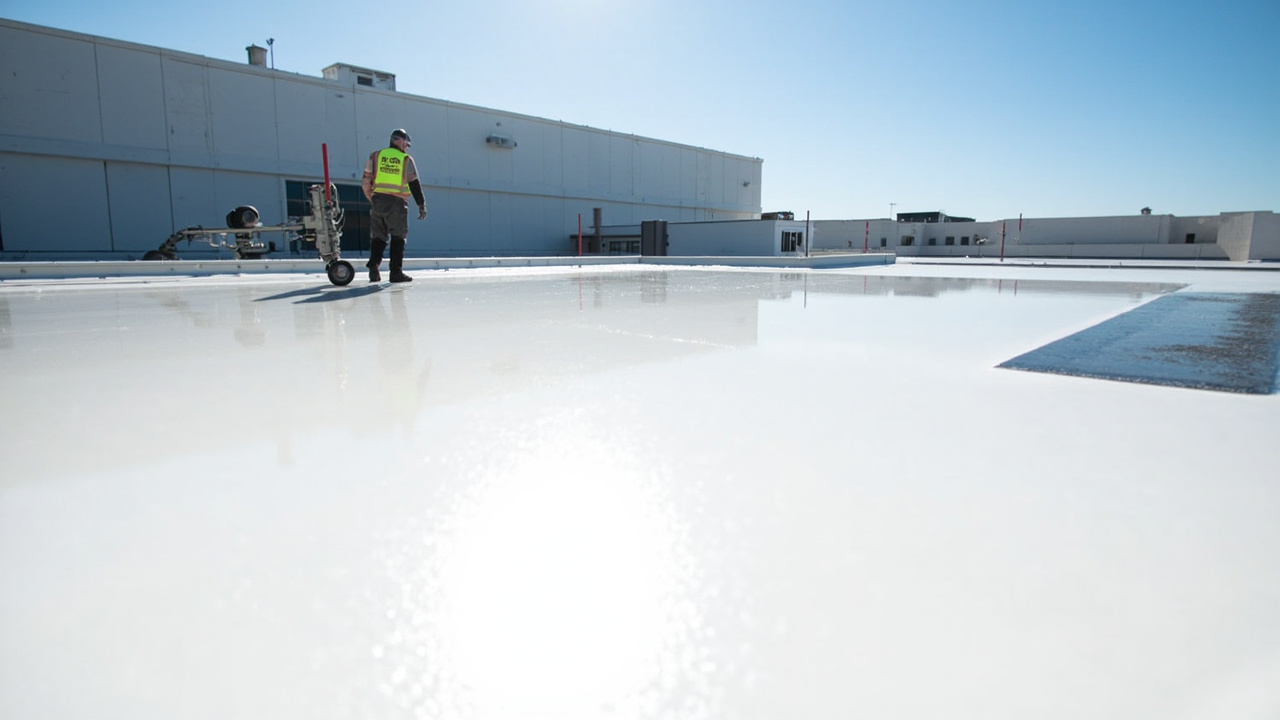
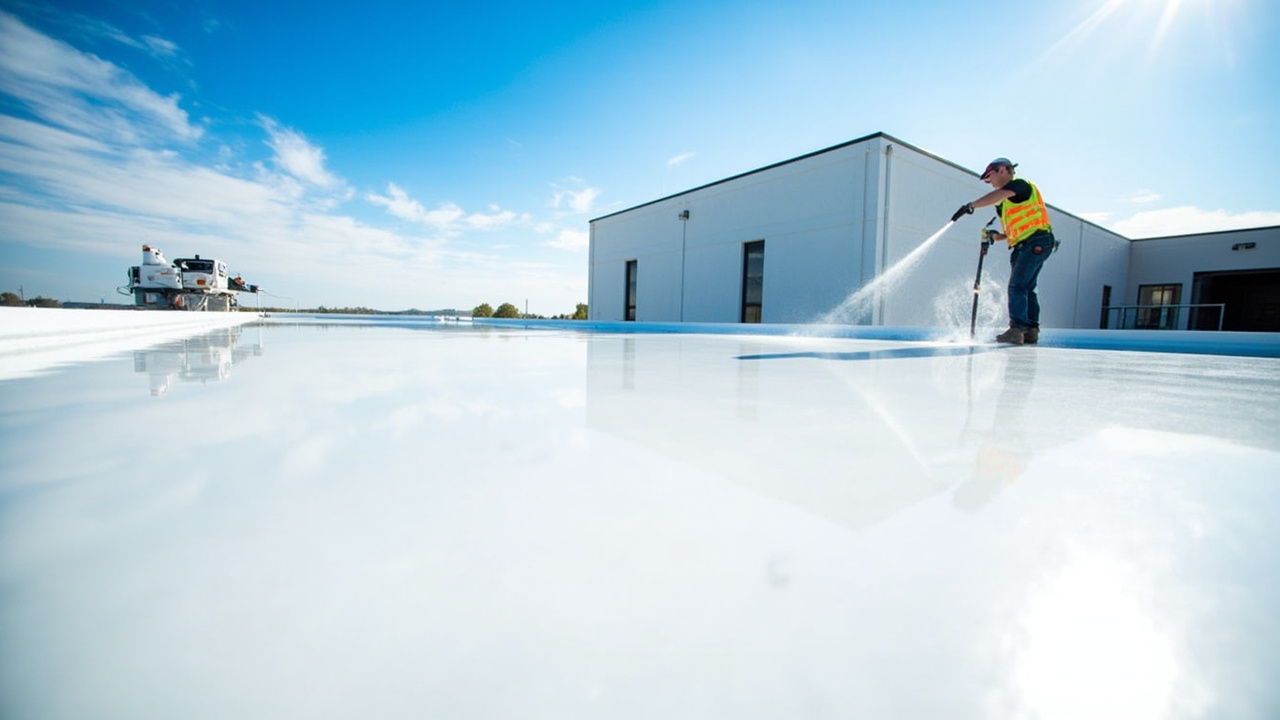
We prepare the surface through power washing and mechanical abrasion to remove loose granules, oxidation, and contaminants. Adhesion failure happens when coatings are applied over dirty or incompatible substrates. We treat seams, transitions, and penetrations with reinforcing fabric and detail coats. Parapet walls, curbs, drains, and HVAC equipment require extra attention. These are the areas where leaks originate.

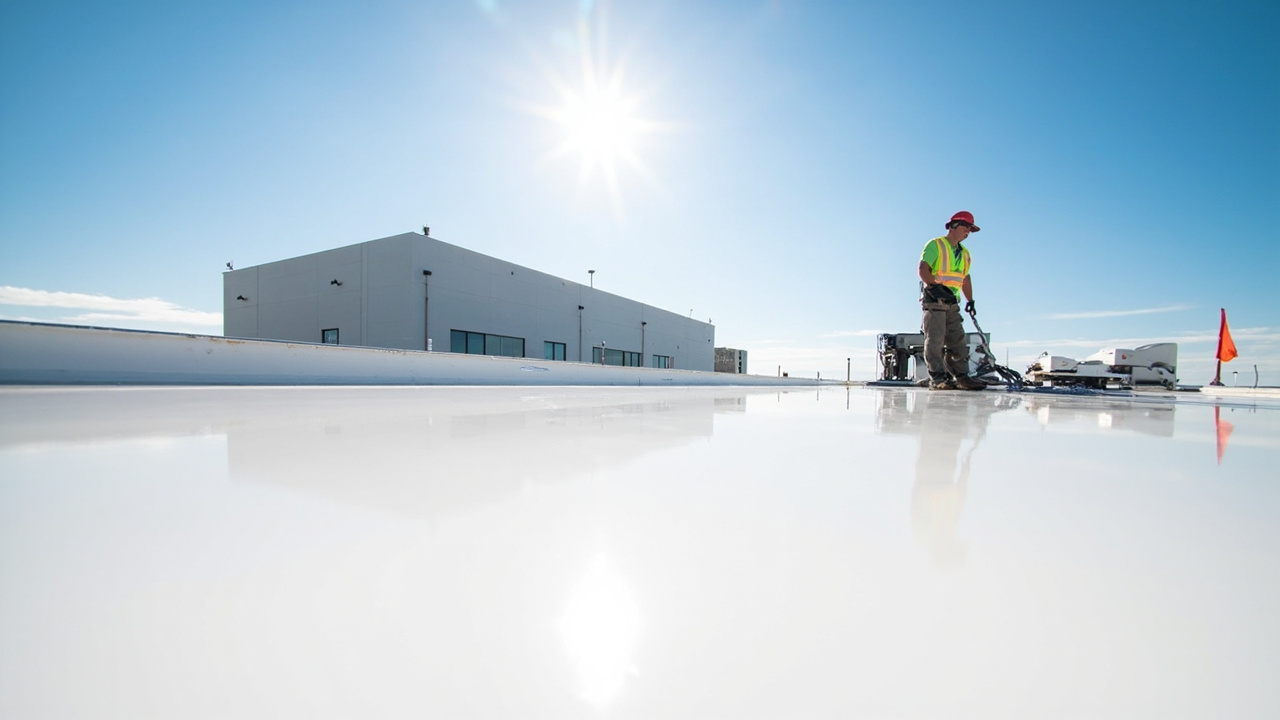
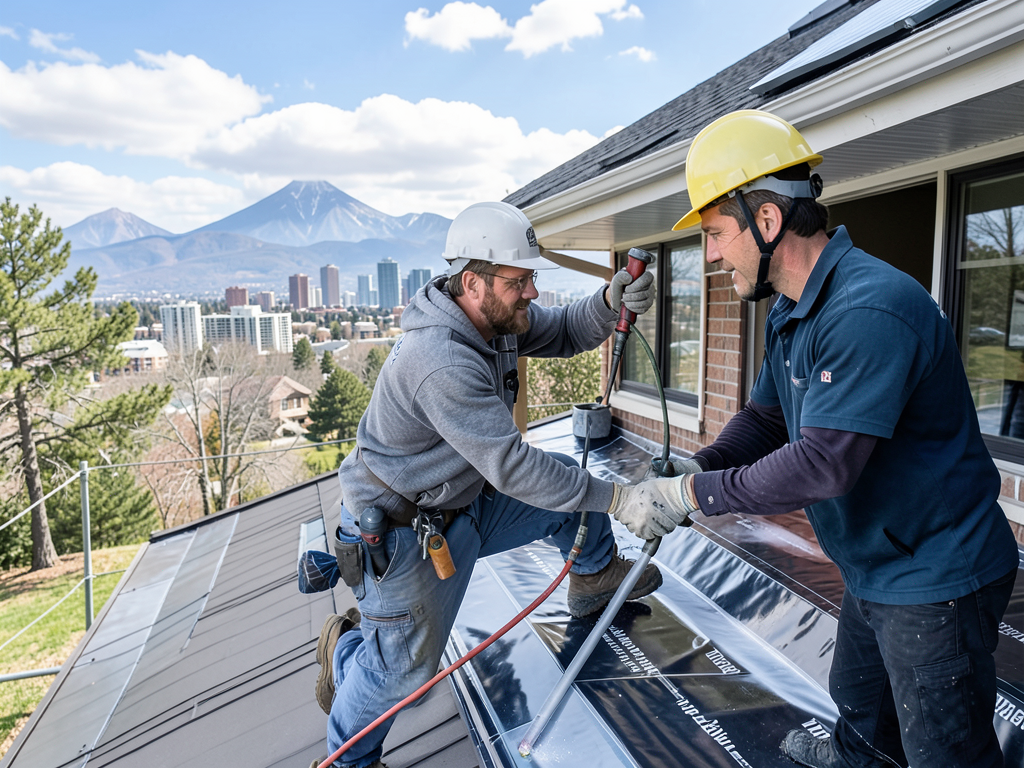
The base coat goes down at a specified mil thickness, usually 20 to 30 mils wet. Elastomeric roof coatings require proper application rates to achieve the warranty thickness. Too thin and you lose performance. Too thick and you waste material without added benefit. We use airless sprayers calibrated for the specific product viscosity and ambient temperature. Denver's low humidity allows faster recoat times, but we monitor surface temperatures to avoid application during thermal shock conditions.

The topcoat provides UV resistance and reflectivity. We install it at the manufacturer's specified rate, typically 1 to 1.5 gallons per square. The result is a seamless, reflective surface that meets or exceeds Energy Star requirements and qualifies for utility rebates through Xcel Energy's Cooling Rebate Program.

The Commercial Coating Application Sequence

Commercial Roof Coatings in Denver – Minimize Downtime with Industrial-Grade Restoration Systems
01

Roof Assessment and Testing

We conduct a comprehensive roof inspection using infrared scanning to detect trapped moisture and hidden membrane damage. Core samples verify insulation condition and determine substrate compatibility with coating chemistry. This diagnostic phase identifies repair areas and confirms your roof structure can support a restoration system without tear-off. We provide a detailed scope of work with mil thickness specifications and coverage rates before any application begins.
02

Surface Preparation and Repairs

Power washing removes dirt, algae, and oxidized material that prevents adhesion. We cut out and replace damaged membrane sections, then treat all seams, flashings, and penetrations with reinforcing fabric and detail coats. Proper preparation determines coating performance. We address every blister, crack, and open seam before base coat application. This phase typically takes two to three days depending on roof size and condition. Weather conditions must be stable with no rain forecasted for 48 hours.
03

Coating Application and Inspection

Base coat application establishes the waterproof barrier at specified mil thickness using calibrated spray equipment. After proper cure time, the topcoat goes down to provide UV protection and reflectivity. We measure wet film thickness during application to verify coverage rates match specifications. Final inspection confirms uniform coverage, proper detailing at transitions, and compliance with manufacturer requirements. You receive documentation for warranty activation and proof of reflectivity for utility rebate applications. Most applications complete in three to five days.

Why Denver Facility Managers Choose Apex Roofing for Coating Systems

Commercial roof failures disrupt operations. You cannot afford to shut down production lines, relocate inventory, or close tenant spaces while contractors replace an entire roof system. Apex Roofing Denver specializes in commercial roof restoration systems that extend membrane life 10 to 15 years without the downtime associated with tear-off replacement.

We understand Denver building codes and the specific requirements for commercial structures in different jurisdictions. Adams County, Arapahoe County, and Denver County each have distinct permitting processes and inspection protocols. We handle all coordination with building departments and schedule inspections to keep your project moving forward.

Our crews work around your operational schedule. If you run a 24-hour facility, we coordinate application during off-peak hours or weekends. If you have temperature-sensitive inventory, we plan the work to avoid disrupting climate control. We protect HVAC equipment, skylights, and rooftop units during surface preparation and coating application. You do not deal with overspray on windows or coating drift onto vehicles in the parking lot.

We work directly with manufacturers like Gaco Western, Tremco, and Karnak to ensure product selection matches your roof type and performance requirements. Silicone coatings perform differently than acrylic systems. Urethane coatings offer superior abrasion resistance for roofs with foot traffic. We match the chemistry to your specific application and warranty expectations.

You receive detailed documentation for warranty activation. Most coating systems come with 10 to 20-year material warranties when installed by approved applicators. We provide the required photographs, mil thickness readings, and installation reports manufacturers need to issue the warranty. This documentation also supports your asset management records and increases property value during lease negotiations or sales.

What to Expect from Your Commercial Coating Project

Project Timeline and Scheduling

Most commercial coating projects take three to seven days depending on roof size and complexity. We schedule work during stable weather windows, typically May through October in Denver. You receive a detailed timeline before we start. We coordinate with your facility manager to minimize impact on operations. If weather delays occur, we communicate immediately and reschedule without extending your project unnecessarily. Large facilities may be sectioned to allow phased completion. You maintain full building functionality throughout the process.

Pre-Application Assessment Process

The assessment phase takes one to two days. We conduct infrared moisture surveys, pull core samples, and document existing conditions. You receive a written report identifying any structural concerns, moisture intrusion, or membrane damage that requires repair before coating. This diagnostic work prevents warranty issues and ensures the coating system performs as designed. We provide recommendations for repair scope and coating type based on your roof substrate, age, and performance goals. The assessment fee applies toward your project cost if you proceed.

Performance and Energy Savings

Reflective roof coatings reduce surface temperatures by 30 to 50 degrees compared to aged, dark membranes. You see lower cooling costs immediately. Most facilities report 10 to 20% reductions in summer HVAC loads. The coating also reduces thermal cycling stress on the membrane, which extends substrate life. You avoid premature replacement costs. The monolithic barrier eliminates seam failures and common leak points. Properly maintained coating systems last 10 to 15 years before requiring a maintenance topcoat, which costs a fraction of replacement.

Warranty Coverage and Maintenance

Manufacturer warranties range from 10 to 20 years depending on coating type and system thickness. These warranties cover material defects and waterproofing performance when installed by approved applicators. We provide all required documentation for warranty activation. Annual inspections extend coating life and catch minor issues before they become problems. We offer maintenance agreements that include inspection, cleaning, and minor repairs. Most coatings require a maintenance topcoat at year 10 to 12 to refresh reflectivity and extend the warranty period. This recoat costs significantly less than full system replacement.

Frequently Asked Questions

You Have Questions,
We Have Answers

What type of roof coating is best? +

The best commercial roof coating depends on your substrate and Denver's climate demands. Silicone performs well in high UV exposure and ponding water, common on flat roofs across the Denver metro. Acrylic offers excellent reflectivity and cost efficiency for sloped metal structures. Urethane resists impact from hail, a frequent concern given Colorado's storm patterns. Evaluate your existing membrane, drainage issues, and business operations. A coating that extends roof life while minimizing downtime and meeting local building codes delivers the highest ROI for commercial properties in Denver.

What is the average cost of roof coating? +

Commercial roof coating costs vary based on substrate condition, coating type, and square footage. Expect project pricing to reflect labor, surface preparation, and material selection. Silicone systems typically cost more than acrylics but offer superior longevity in Denver's intense sun and temperature swings. Urethane falls mid-range. Factor in roof access, complexity, and required repairs before coating application. A thorough inspection identifies hidden substrate damage that impacts total investment. Prioritize cost per year of service life, not just upfront expense, when budgeting for commercial properties.

How much does a commercial TPO roof cost? +

Commercial TPO roofing costs depend on membrane thickness, insulation requirements, and building size. Thicker membranes resist punctures and UV degradation better in Denver's high-altitude environment. Labor rates, roof complexity, and required penetration details affect pricing. TPO performs well in freeze-thaw cycles and offers energy efficiency through reflective surfaces. Evaluate whether your facility needs enhanced hail resistance or specific fire ratings per local code. Consider installation timing to minimize business disruption. Request detailed breakdowns that separate materials, labor, and warranty coverage for accurate project comparison.

What is seal best roof coating? +

Seal Best is a silicone-based elastomeric coating designed for low-slope commercial roofs. It provides waterproofing and UV protection while remaining flexible across temperature extremes. In Denver, silicone coatings handle ponding water and high solar exposure effectively. The product resists mold and mildew, requires no primer on many substrates, and extends membrane life when applied correctly. Evaluate whether your roof substrate and drainage conditions suit silicone chemistry. Professional application ensures proper mil thickness and adhesion. Compare performance specifications against other coating systems for your specific commercial building needs.

How many years does roof coating last? +

Commercial roof coatings last 10 to 20 years depending on product chemistry, application quality, and maintenance. Silicone systems often reach 15 to 20 years in Denver's climate due to superior UV resistance. Acrylics may require recoating sooner, around 10 to 15 years. Urethane falls between these ranges. Proper surface preparation, correct mil thickness, and regular inspections extend service life. Denver's hail storms and temperature fluctuations accelerate wear on poorly maintained systems. Plan recoating intervals into facility budgets to avoid premature membrane failure and costly tear-offs.

What is better, TPO or EPDM? +

TPO and EPDM serve different commercial applications. TPO offers heat-welded seams and better reflectivity, reducing cooling costs in Denver's high-altitude sun exposure. EPDM provides proven durability in freeze-thaw cycles and costs less upfront. TPO resists punctures better but requires skilled installers for proper seam integrity. EPDM handles ponding water well but absorbs more heat. Evaluate your building's energy efficiency goals, budget constraints, and roof traffic patterns. Both membranes meet Denver building codes when installed correctly. Choose based on long-term operational costs and specific facility requirements.

How many square feet will 5 gallons of roof coating cover? +

Five gallons of roof coating typically covers 250 to 500 square feet at recommended mil thickness. Coverage varies by substrate porosity, surface texture, and application method. Smooth modified bitumen accepts coating more efficiently than rough concrete. First coats absorb more material than topcoats. Denver's dry climate and high altitude affect application rates due to faster solvent evaporation. Professional applicators calculate coverage based on manufacturer specifications and actual roof conditions. Factor in waste, overspray, and second coat requirements when estimating material needs for commercial projects.

How much should a 2000 sq ft roof cost? +

A 2000 square foot commercial roof replacement cost depends on membrane type, insulation upgrades, and existing system removal. Single-ply membranes like TPO or EPDM differ in price from built-up or modified bitumen systems. Denver's building codes may require enhanced insulation or fire ratings. Roof access difficulty, penetration count, and required structural repairs affect labor costs. Coating an existing membrane costs significantly less than full replacement if the substrate remains sound. Request itemized proposals that separate materials, labor, disposal, and warranty components for accurate comparison.

Is urethane or silicone roof coating better? +

Urethane and silicone coatings address different commercial roof challenges. Urethane offers superior impact resistance against Denver's hail storms and provides excellent adhesion to various substrates. It works well for high-traffic roofs. Silicone excels in ponding water situations and extreme UV exposure, common on flat roofs across the Denver metro. Silicone requires no recoat preparation, while urethane may need topcoats for UV protection. Evaluate your facility's specific threats, whether hail damage, drainage issues, or foot traffic, then select the coating chemistry that mitigates those risks.

Can roofers make 100k a year? +

Experienced commercial roofers in Denver can earn six figures annually. Income depends on specialization, certifications, and project complexity. Foremen, project managers, and skilled single-ply installers command higher wages. Denver's construction market and high cost of living support competitive compensation. Commercial projects, especially those requiring specialized coatings or complex waterproofing, pay more than residential work. Self-employed contractors with established client bases and crews exceed employee wages. Earnings reflect skill level, safety training, manufacturer certifications, and ability to manage large-scale projects efficiently while minimizing business downtime.

How Denver's High-Altitude UV Exposure Accelerates Commercial Roof Deterioration

Denver sits at 5,280 feet elevation where UV radiation intensity is 25% higher than at sea level. This accelerated exposure breaks down petroleum-based roofing materials faster. You see surface chalking, brittleness, and loss of volatiles within five to seven years on conventional membranes. Elastomeric roof coatings contain UV inhibitors and reflective pigments designed for high-altitude exposure. They maintain flexibility and waterproofing integrity longer than unprotected membranes. Facilities in the Denver metro that apply commercial roof restoration systems before severe degradation occurs extend roof life by 10 to 15 years without replacement costs or operational disruption.

Denver commercial building codes require permits for roof work exceeding basic maintenance. Apex Roofing Denver maintains relationships with plan reviewers in Denver, Adams, Arapahoe, and Jefferson Counties. We understand local requirements for fire ratings, wind uplift, and energy code compliance. Our coating specifications meet or exceed 2021 International Building Code standards adopted by Denver. We coordinate inspections and provide documentation that satisfies building department requirements. Choosing a contractor familiar with local jurisdictions prevents delays, rejected permits, and compliance issues that can shut down your project or void your warranty coverage.
Roofing Services in The Denver Area

Looking for trusted roofing services near you? Apex Roofing Denver proudly serves homeowners and businesses across the greater Denver area with expert roof repairs, replacements, inspections, and storm damage restoration. From Aurora to Lakewood and Thornton to Centennial, our experienced roofing team is ready to deliver fast, dependable solutions. Use the map below to explore our service areas and find top-rated roofing help near your neighborhood.

Address:
Apex Roofing Denver, 2301 Blake St, Denver, CO, 80205

Additional Services We Offer

Our news updates

Latest Articles & News from The Blogs

Lorem ipsum dolor sit amet. Aut expedita quaerat quo eligendi numquam et laudantium perspiciatis qui minima expedita rem consequatur ducimus.…

Test Blog 4

Lorem ipsum dolor sit amet. Aut expedita quaerat quo eligendi numquam et laudantium perspiciatis qui minima expedita rem consequatur ducimus.…

Test Blog 3

Lorem ipsum dolor sit amet. Aut expedita quaerat quo eligendi numquam et laudantium perspiciatis qui minima expedita rem consequatur ducimus.…

Test Blog 2

Lorem ipsum dolor sit amet. Aut expedita quaerat quo eligendi numquam et laudantium perspiciatis qui minima expedita rem consequatur ducimus.…

Contact Us

Stop leaks and reduce energy costs with industrial roof coatings from Apex Roofing Denver. Call (720) 484-8300 for a moisture survey and coating system proposal. We schedule assessments around your operations and deliver solutions that work.