




Menu

Flat Roof Repair & Restoration in Denver | Minimize Downtime, Maintain Business Operations

Apex Roofing Denver delivers industrial flat roof repair and commercial roof coating services engineered to keep your facility operational while we restore structural integrity and extend membrane lifespan across the metro.

Slider Image 1
Slider Image 2
Slider Image 3
Slider Image 4
Slider Image 5
Slider Image 7
Slider Image 8
Slider Image 9
Slider Image 10
Slider Image 11

Denver's Climate Accelerates Commercial Flat Roof Deterioration

Your facility's flat roof faces relentless attack in Denver. The Mile High City's 300 days of intense UV radiation break down membrane elasticity faster than anywhere at sea level. Temperature swings of 40 degrees between day and night create expansion and contraction cycles that fatigue seams and fasteners. Winter freeze-thaw events force water into microscopic cracks, then expand to create structural damage by spring.

Low slope roof refurbishment becomes necessary when ponding water sits for more than 48 hours after precipitation. This standing water accelerates membrane degradation and creates interior leak risks that threaten inventory, equipment, and operations. Denver's dry climate also means your HVAC units work harder, increasing rooftop traffic and wear on walkway pads and flashing details.

Commercial flat roof restoration addresses these compounding factors before minor issues cascade into emergency shutdowns. Warehouse districts near I-70 and manufacturing facilities along I-25 face additional challenges from hail corridors that strike the Front Range each spring. A single hailstorm can compromise membrane integrity across thousands of square feet, creating immediate liability concerns.

Industrial flat roof repair requires understanding Denver's building codes for commercial structures, including specific requirements for wind uplift ratings and fire resistance classifications. Your roof system must meet City and County of Denver standards while maintaining the structural load capacity for snow accumulation and mechanical equipment. Delaying commercial roof waterproofing creates compounding damage that multiplies repair costs and extends project timelines when you can least afford disruption.

Denver's Climate Accelerates Commercial Flat Roof Deterioration
Engineered Restoration Systems That Maintain Operations

Engineered Restoration Systems That Maintain Operations

Apex Roofing Denver deploys a diagnostic protocol before any commercial flat roof restoration begins. We conduct infrared thermography scans to map subsurface moisture without destructive testing. Core samples reveal deck conditions and insulation saturation levels. This data determines whether you need targeted repair or full membrane replacement.

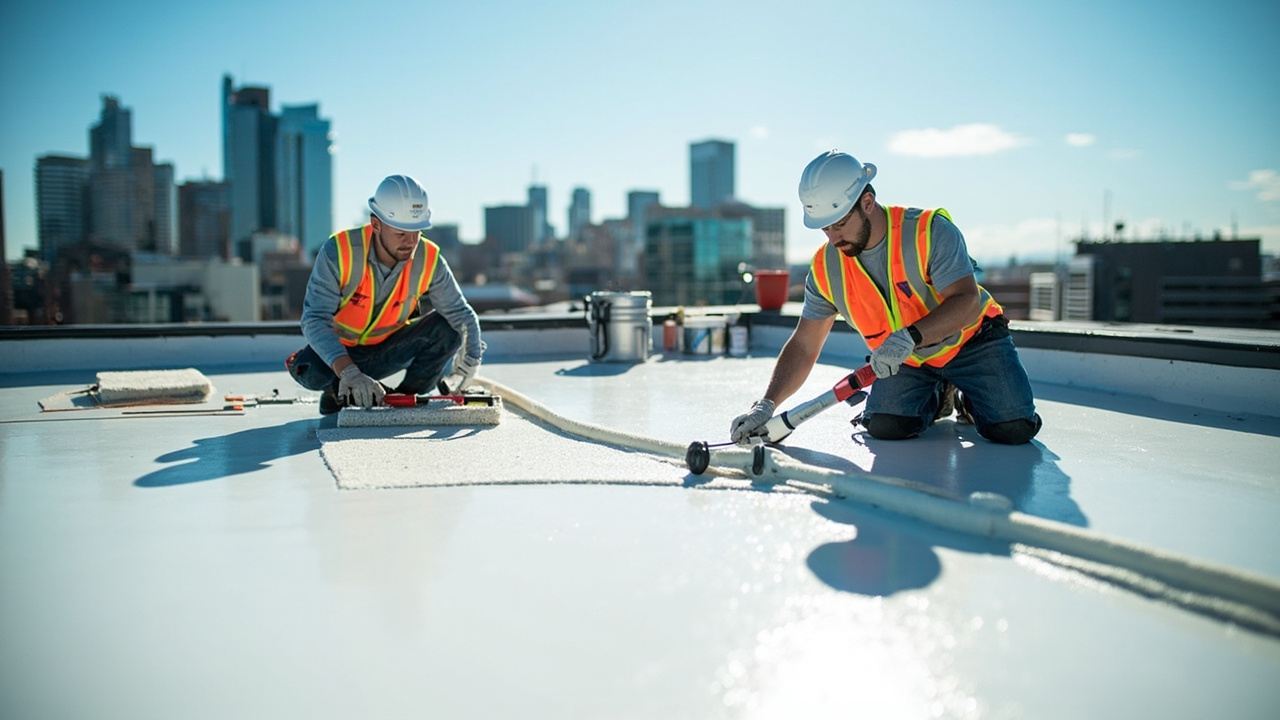
Our industrial flat roof repair methodology prioritizes business continuity. We phase work zones to maintain facility access and security. Climate-controlled warehouses stay operational because we section off repair areas with temporary weather barriers. For manufacturing facilities, we schedule membrane application during second or third shifts to avoid production interference.

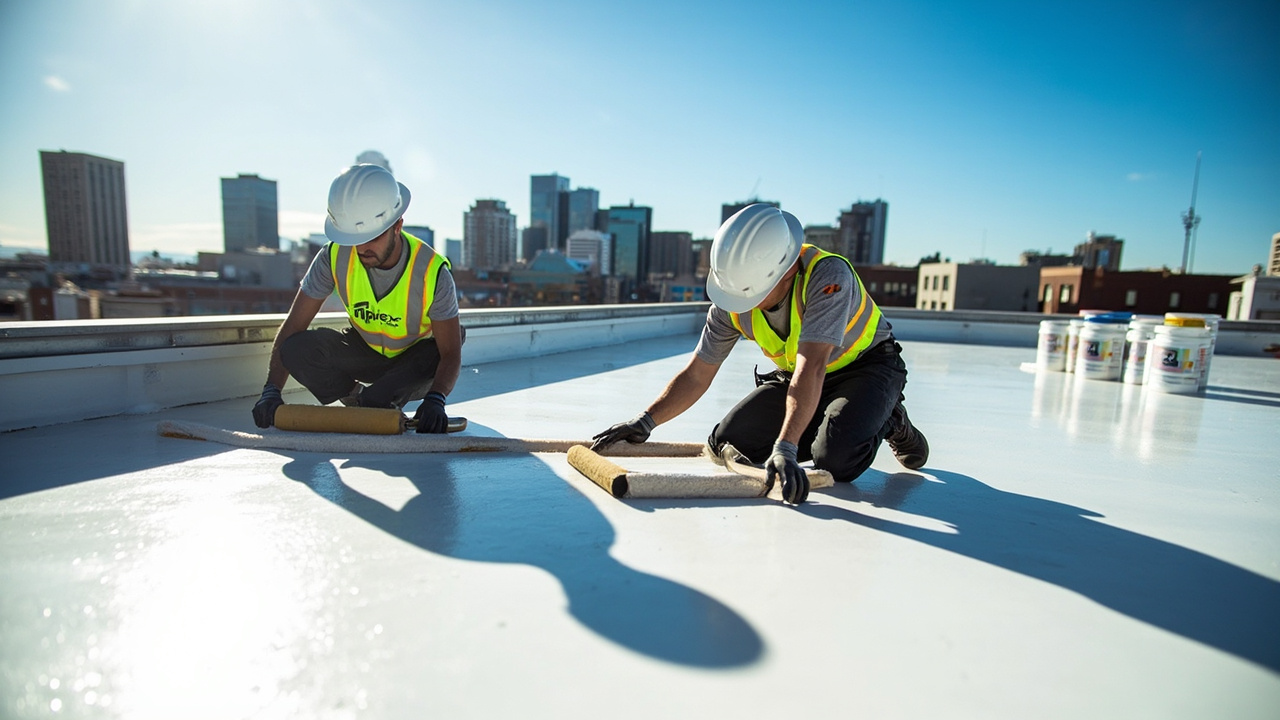
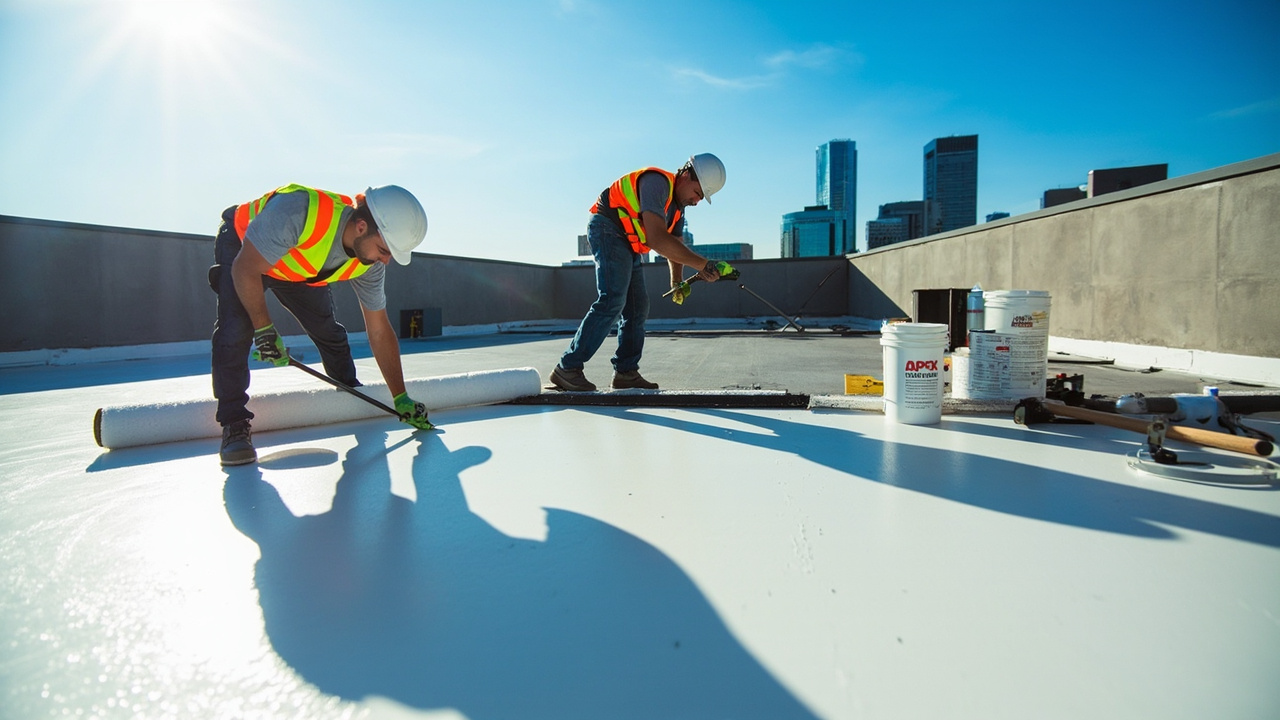
Commercial roof coating services extend membrane life by 10 to 15 years when applied correctly. We prep surfaces by power washing to remove biological growth and failed coatings, then prime to ensure adhesion. Silicone and acrylic elastomeric coatings create seamless barriers that reflect UV radiation and resist ponding water. These systems require specific mil thickness to meet manufacturer specifications and maintain warranty compliance.

Low slope roof refurbishment often involves rebuilding parapet walls and replacing deteriorated copings. We install two-part flashing systems with termination bars mechanically fastened to code. Drain assemblies get rebuilt with sump pans and strainers sized for Denver's intense but brief summer downpours. Every penetration receives custom flashing details because generic solutions fail under thermal cycling.

Commercial roof waterproofing requires membrane selection based on your building use. TPO and PVC membranes resist chemicals in manufacturing environments. EPDM rubber handles thermal movement in unheated storage facilities. Modified bitumen systems provide impact resistance in high-traffic rooftop areas. We match the system to your operational demands and budget constraints.

Your Commercial Roof Restoration Timeline

Flat Roof Repair & Restoration in Denver | Minimize Downtime, Maintain Business Operations
01

Facility Assessment and Diagnostics

We deploy infrared scanning equipment and conduct core sampling to map moisture intrusion and structural compromise. Our team evaluates roof access points, reviews building plans, and identifies operational constraints. You receive a detailed condition report with phasing recommendations that maintain your business schedule. We coordinate with facility managers to establish work zones that protect sensitive operations and maintain security protocols throughout the project.
02

Phased Membrane Restoration

Work proceeds in sections that allow continued facility use. We remove failed membrane, replace saturated insulation, and rebuild damaged substrate before installing new roofing systems. All material staging occurs in designated areas that do not block loading docks or emergency exits. Our crews maintain temporary weather protection using heat-welded tarps secured to withstand Denver wind events. Each completed section undergoes flood testing before we move to the next phase.
03

Final Inspection and Documentation

We conduct a complete walkthrough with facility management to verify all penetrations are sealed, all drain assemblies flow freely, and all membrane seams meet welding standards. You receive as-built drawings showing membrane layout, insulation R-values, and flashing details. This documentation supports your facility maintenance program and proves code compliance during property transactions. We provide material certifications and manufacturer warranty paperwork required for your records.

Denver Commercial Roofing Expertise That Protects Your Investment

Apex Roofing Denver understands the specific demands of commercial properties across the metro. We navigate City and County of Denver permit requirements for commercial re-roofing projects, including the mandatory inspections for buildings over 5,000 square feet. Our project managers coordinate with city inspectors to schedule reviews that do not delay your timeline.

We work throughout Denver's commercial corridors, from the warehouse districts near Stapleton to the industrial parks along I-76 in Commerce City. Each area presents unique challenges. Older buildings in the Auraria and Five Points neighborhoods require careful substrate evaluation because original construction used wood decking that deteriorates when exposed to moisture. Newer tilt-up concrete buildings in Montbello and Gateway need specialized fastening systems that account for concrete density and rebar placement.

Denver's position on the Front Range creates weather variability that impacts project scheduling. We monitor conditions closely and adjust work plans when afternoon thunderstorms threaten adhesive cure times or when early season snow arrives before forecast. Our crews understand that membrane installation requires specific temperature ranges and that rushing work in marginal conditions creates long-term failure risks you cannot afford.

Commercial flat roof restoration requires understanding how your building systems interact. HVAC units create thermal patterns that affect insulation performance. Rooftop equipment generates vibration that loosens fasteners over time. We account for these factors during system design so your roof performs for its intended lifespan. Generic solutions ignore these details and create premature failures that disrupt operations and damage your bottom line.

Local suppliers provide material availability that national contractors cannot match. When project conditions require specification changes, we source alternatives within 24 hours. This responsiveness keeps your project on schedule and your facility protected.

What Your Commercial Roof Restoration Delivers

Project Duration and Scheduling Flexibility

Most commercial flat roof restoration projects span two to six weeks depending on facility size and system complexity. We phase work to accommodate your operational schedule, including weekend and night shifts when required. Weather contingencies get built into timelines because Denver's conditions can halt membrane installation without warning. You receive weekly progress updates and 48-hour advance notice before any work that affects building access or utility service. Our project managers maintain direct communication channels with your facility team to address concerns immediately. Rush scheduling is available for buildings facing lease deadlines or sale transactions, though expedited timelines may require premium labor rates.

Comprehensive Roof System Evaluation

Our initial assessment includes infrared thermography, core sampling, and visual inspection of all roof penetrations and flashing details. We test drain flow rates and evaluate parapet wall conditions. You receive a written report documenting moisture intrusion locations, insulation R-values, and substrate integrity. This report includes repair recommendations with phasing options that balance immediate needs against budget constraints. We identify code compliance issues that could complicate future property transactions or trigger violations during city inspections. The evaluation takes four to eight hours depending on building size. No destructive testing occurs without your approval. This diagnostic process ensures accurate project scoping and eliminates surprise costs during construction.

Performance Standards and Material Quality

Every commercial roof coating service and membrane installation meets manufacturer specifications for Denver's climate zone. We install systems engineered for minimum 20-year service life under normal conditions. All membrane seams undergo testing to verify proper heat welding or adhesive bonding. Fastener density meets or exceeds wind uplift requirements for your building height and exposure category. Insulation values comply with current energy codes while accommodating your HVAC load calculations. You receive material certifications proving compliance with fire resistance ratings required for your building classification. Final inspection includes flood testing of all drain assemblies and verification that all penetrations are properly sealed. The completed system protects your facility from Denver's weather extremes while maintaining structural integrity.

Maintenance Programs and Long-Term Support

Commercial roof waterproofing systems require annual inspections to maintain optimal performance and preserve manufacturer coverage. We offer scheduled maintenance programs that include debris removal, drain cleaning, and sealant inspection at flashing details. Spring inspections identify hail damage before small punctures become major leaks. Fall inspections verify drain assemblies are clear before winter snow load arrives. You receive written reports documenting roof conditions and recommended repairs. This documentation supports your facility maintenance records and demonstrates proper care during insurance claims or property sales. Emergency repair service is available when unexpected damage occurs. Preventive maintenance extends system life and protects your investment by catching minor issues before they escalate into operational disruptions.

Frequently Asked Questions

You Have Questions,
We Have Answers

What is the average cost to repair a flat roof? +

Flat roof repair costs vary based on the scope of damage, material type, and access difficulty. Minor repairs for membrane punctures or flashing issues range from moderate to significant investment per square foot. Extensive repairs addressing pooling water, structural damage, or widespread membrane failure increase costs substantially. Denver's freeze-thaw cycles and UV exposure accelerate deterioration, often requiring more comprehensive repairs than gentler climates. Commercial properties must factor in business interruption costs and code compliance upgrades. Request a detailed inspection to identify hidden damage beneath the surface. Material choice affects longevity and ROI. Proper assessment prevents recurring repair cycles that drain capital budgets.

Is it expensive to repair a flat roof? +

Flat roof repair is not inherently expensive when addressed promptly. Small leaks or localized damage cost far less than deferred maintenance that causes interior damage, inventory loss, or operational disruption. Denver's intense sun and thermal cycling make early intervention critical for cost control. The expense escalates when water infiltration damages insulation, decking, or structural components. Commercial facilities face additional costs from tenant displacement, HVAC inefficiency, and potential liability claims. Compare repair costs against downtime expenses and lost productivity. Emergency repairs outside business hours increase labor costs. Preventive maintenance programs reduce overall lifecycle costs and extend membrane performance.

How often should a flat roof be redone? +

Flat roofs typically require replacement every 15 to 30 years depending on material quality, installation standards, and maintenance consistency. EPDM rubber systems last 20 to 25 years. TPO membranes perform well for 15 to 20 years in Denver's climate. Modified bitumen systems reach 15 to 20 years with proper maintenance. Denver's extreme temperature swings and high UV index accelerate aging. Commercial properties with heavy foot traffic or rooftop equipment need more frequent replacement. Annual inspections identify membrane degradation before catastrophic failure. Budget for replacement based on installation date and observed condition. Proactive replacement prevents emergency scenarios that disrupt operations and inflate costs.

What are common flat roof problems? +

Common flat roof problems include ponding water that remains 48 hours after precipitation, membrane punctures from foot traffic or debris, and flashing failures at penetrations and edges. Denver's freeze-thaw cycles cause seam separation and membrane cracking. Blistering occurs when moisture trapped beneath the membrane expands. Shrinkage from thermal cycling creates tension at seams and fasteners. Clogged drains exacerbate ponding and accelerate deterioration. Roof penetrations for HVAC units and plumbing vents are frequent leak points. UV degradation weakens membrane integrity over time. Inadequate slope creates drainage issues. Vegetation growth damages membranes and blocks drainage systems. Regular inspections catch these issues before they compromise building interiors.

Is flat roof repair covered by insurance? +

Insurance coverage for flat roof repair depends on the damage cause and policy language. Wind damage, hail impact, and sudden events like fallen trees typically qualify for claims. Denver's severe weather events increase claim likelihood. Gradual deterioration, poor maintenance, or age-related wear are excluded from most policies. Insurers require documentation proving sudden, unexpected damage rather than deferred maintenance. Commercial policies differ from residential coverage in deductibles, replacement cost provisions, and endorsements. Review your policy for specific flat roof exclusions. Maintain inspection records and repair documentation to support claims. Some policies depreciate roof value based on age, reducing payout amounts.

What is the life expectancy of a flat roof? +

Flat roof life expectancy ranges from 10 to 30 years based on material selection and environmental factors. Built-up roofing systems last 15 to 20 years. Single-ply membranes like TPO and EPDM reach 15 to 25 years. Modified bitumen systems perform for 10 to 20 years. Denver's intense UV radiation, temperature extremes, and freeze-thaw cycles reduce lifespan compared to moderate climates. Installation quality significantly affects longevity. Proper drainage design prevents premature failure. Regular maintenance extends performance beyond typical ranges. Commercial roofs with equipment traffic experience shorter lifespans. Plan capital budgets around realistic replacement timelines. Professional inspections provide accurate remaining service life estimates.

Does homeowners insurance cover roof replacement? +

Homeowners insurance covers roof replacement when damage results from covered perils like wind, hail, fire, or falling objects. Policies exclude replacement for age, wear, or maintenance neglect. Denver's hailstorms frequently trigger legitimate claims. Insurance adjusters assess whether damage is sudden and accidental versus gradual deterioration. Actual cash value policies depreciate roof age, reducing payouts. Replacement cost coverage pays full replacement without depreciation but costs more in premiums. Commercial property policies have different thresholds and endorsements. Document damage immediately with photos. Obtain professional assessments to support claims. Policy language determines coverage scope, so review exclusions before assuming coverage.

What are signs my flat roof needs replacing? +

Replace your flat roof when you observe widespread membrane cracking, multiple leak points despite repairs, visible sagging or soft spots indicating structural damage, or age exceeding the material's expected lifespan. Persistent ponding water signals drainage failure requiring comprehensive correction. Interior water stains, mold growth, or ceiling damage indicate ongoing infiltration. Energy costs increase when insulation becomes saturated. Denver's climate accelerates aging, making visual inspections critical. Blistering across large areas compromises waterproofing integrity. Frequent repair cycles indicate systemic failure. Deteriorated flashing at penetrations and edges allows water entry. Professional assessments determine whether repair or replacement provides better ROI.

What is the most expensive part of replacing a roof? +

The most expensive component of roof replacement is the removal and disposal of existing materials, particularly multiple roof layers accumulated over decades. Labor costs dominate commercial projects due to the complexity and safety requirements. Structural repairs to decking or framing substantially increase expenses when water damage has compromised integrity. Insulation replacement adds significant cost but improves energy efficiency. Denver projects may require additional insulation to meet current energy codes. Membrane material selection affects cost, with premium systems commanding higher prices but offering superior longevity. Rooftop equipment relocation and reinstallation add labor hours. Building access challenges on multi-story structures increase expenses.

How old may a roof be before insurance claims it's too old? +

Insurance companies typically consider roofs over 20 years old as increased risk, affecting coverage terms and claim eligibility. Policies may require inspections for roofs exceeding 15 years to maintain full coverage. Some insurers refuse new policies on roofs older than 20 years without replacement. Denver's severe weather makes insurers particularly cautious about aged roofs. Commercial policies have stricter age limits than residential coverage. Carriers may switch from replacement cost to actual cash value for older roofs, reducing claim payouts significantly. Different materials have different age thresholds. Proactive replacement before age cutoffs ensures continued coverage. Maintain documentation of repairs and upgrades to demonstrate responsible maintenance.

How Denver's Hail Corridors and UV Intensity Impact Commercial Flat Roofs

Denver sits in a hail corridor where spring and summer storms generate ice projectiles that pummel commercial roofs across the metro. These events compromise membrane integrity in ways that are not immediately visible but create leak pathways within 12 to 18 months. The Mile High City's elevation exposes your roof to 25 percent more UV radiation than coastal cities, accelerating membrane degradation and plasticizer loss. This combination of impact damage and constant UV bombardment means commercial flat roof restoration becomes necessary years earlier than in other markets. Industrial facilities in Commerce City and Montbello face additional risk from afternoon thunderstorms that develop along the Palmer Divide and track northeast across the metro.

City and County of Denver requires commercial re-roofing permits for projects exceeding $2,500 in value, which includes nearly all industrial flat roof repair work. Inspectors verify that new systems meet current energy code requirements and proper attachment methods for Denver's wind exposure category. Apex Roofing Denver maintains established relationships with city building inspectors, which streamlines approval processes and prevents project delays. We understand local code interpretations that generic contractors miss, including specific requirements for parapet height and fire-resistance ratings in mixed-use districts. This local expertise protects you from compliance issues that create liability during property transactions or insurance claims.
Roofing Services in The Denver Area

Looking for trusted roofing services near you? Apex Roofing Denver proudly serves homeowners and businesses across the greater Denver area with expert roof repairs, replacements, inspections, and storm damage restoration. From Aurora to Lakewood and Thornton to Centennial, our experienced roofing team is ready to deliver fast, dependable solutions. Use the map below to explore our service areas and find top-rated roofing help near your neighborhood.

Address:
Apex Roofing Denver, 2301 Blake St, Denver, CO, 80205

Additional Services We Offer

Our news updates

Latest Articles & News from The Blogs

Lorem ipsum dolor sit amet. Aut expedita quaerat quo eligendi numquam et laudantium perspiciatis qui minima expedita rem consequatur ducimus.…

Test Blog 4

Lorem ipsum dolor sit amet. Aut expedita quaerat quo eligendi numquam et laudantium perspiciatis qui minima expedita rem consequatur ducimus.…

Test Blog 3

Lorem ipsum dolor sit amet. Aut expedita quaerat quo eligendi numquam et laudantium perspiciatis qui minima expedita rem consequatur ducimus.…

Test Blog 2

Lorem ipsum dolor sit amet. Aut expedita quaerat quo eligendi numquam et laudantium perspiciatis qui minima expedita rem consequatur ducimus.…

Contact Us

Schedule your commercial roof assessment today. Our team evaluates your system and provides actionable recommendations that fit your operational schedule and budget requirements. Call Apex Roofing Denver at (720) 484-8300 to arrange your facility inspection.