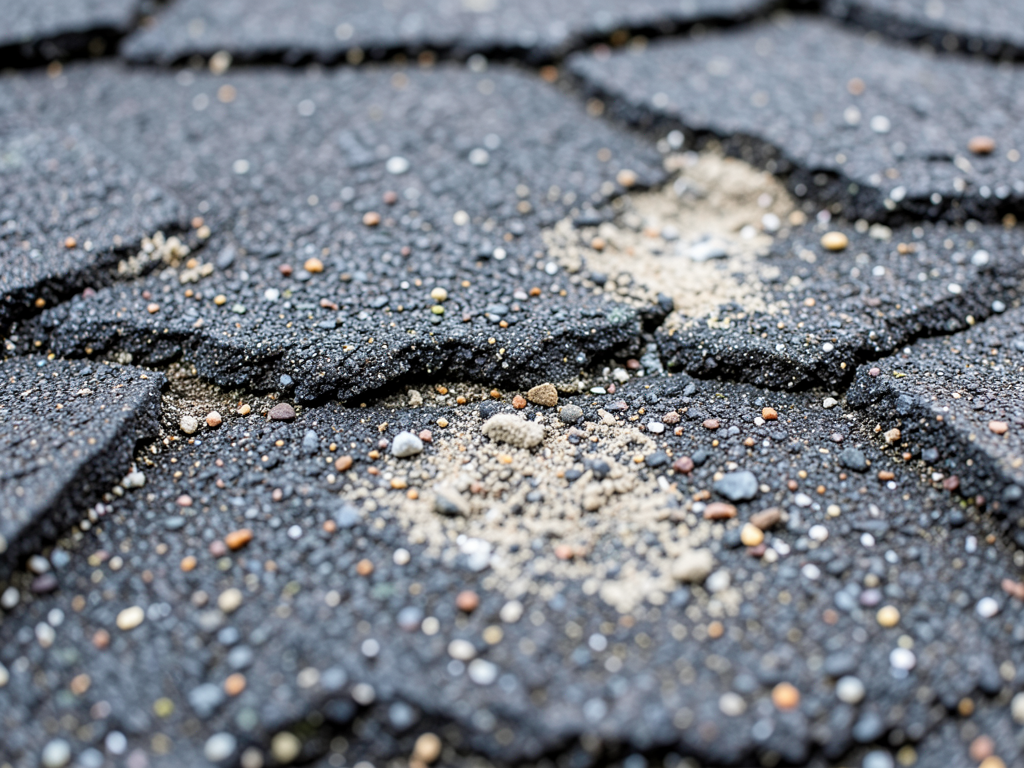





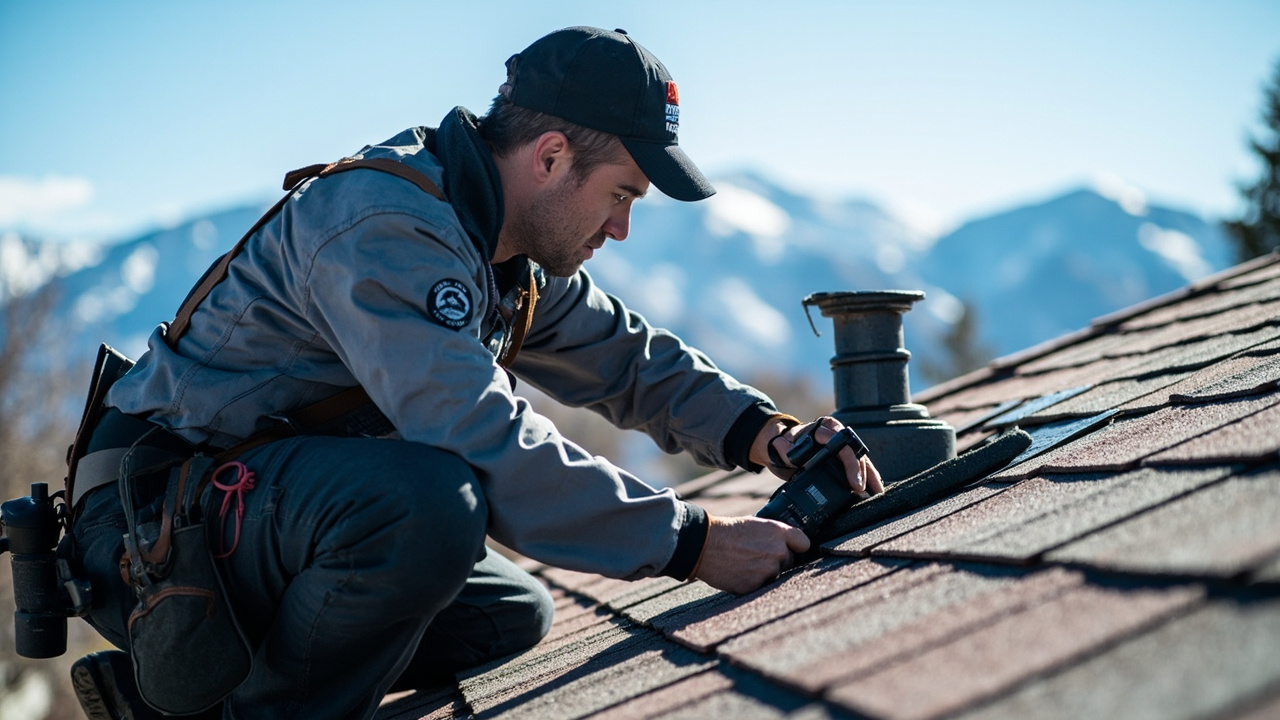
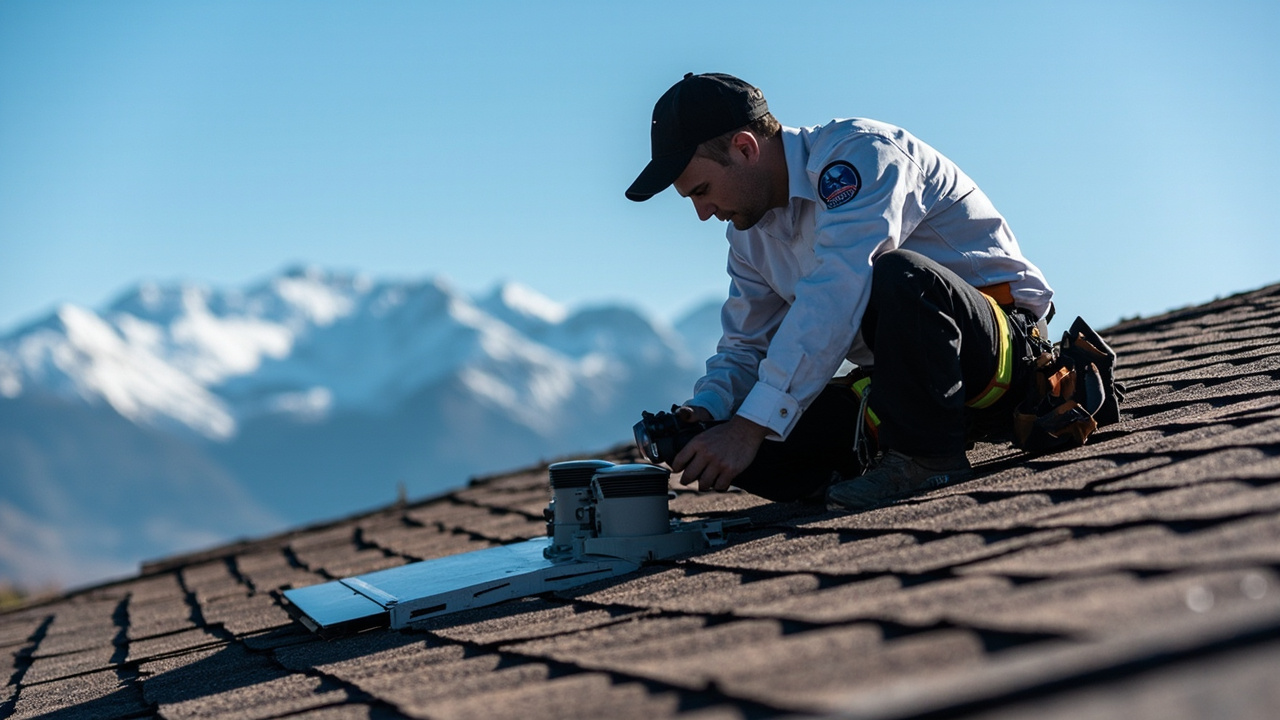
Denver sits at the base of the Front Range where cold air from the Rockies collides with warm air from the plains. This creates the perfect conditions for severe hailstorms. The city experiences an average of nine hail days per year, with stones ranging from pea-sized to golf ball-sized. A single storm can damage thousands of roofs across neighborhoods from Capitol Hill to Highlands Ranch. UV radiation at 5,280 feet is 25 percent stronger than at sea level, which accelerates shingle aging and makes roofs more vulnerable to impact damage. These combined factors mean Denver roofs deteriorate faster than roofs in most other cities. Regular inspections catch this accelerated wear before it leads to leaks.
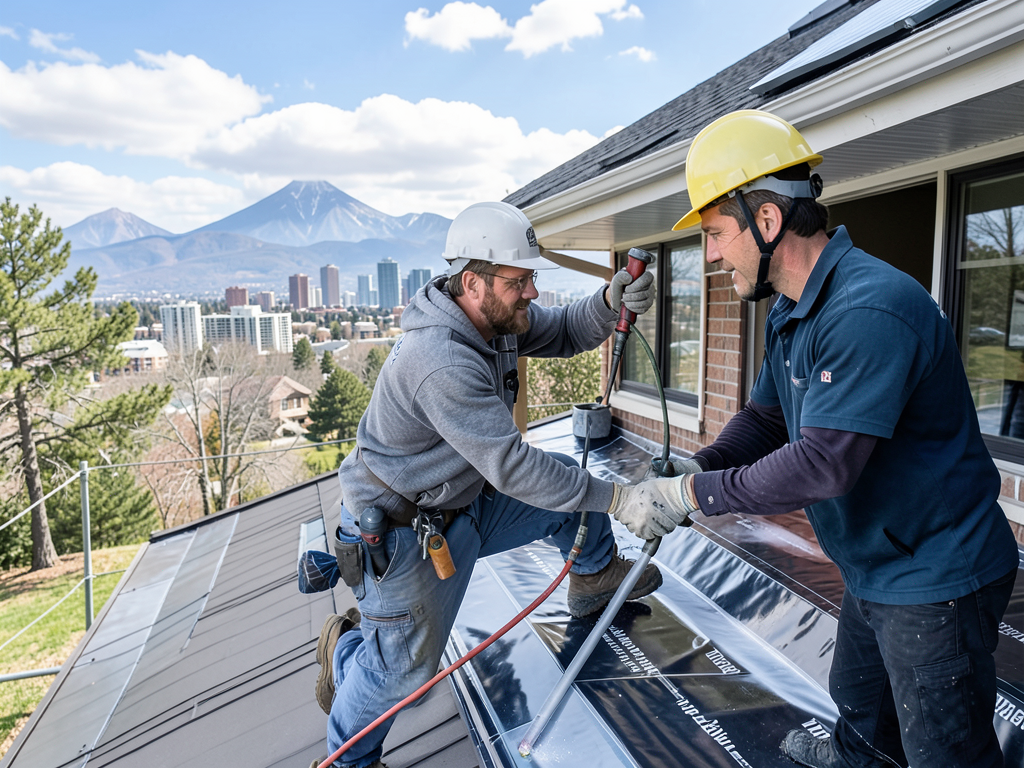
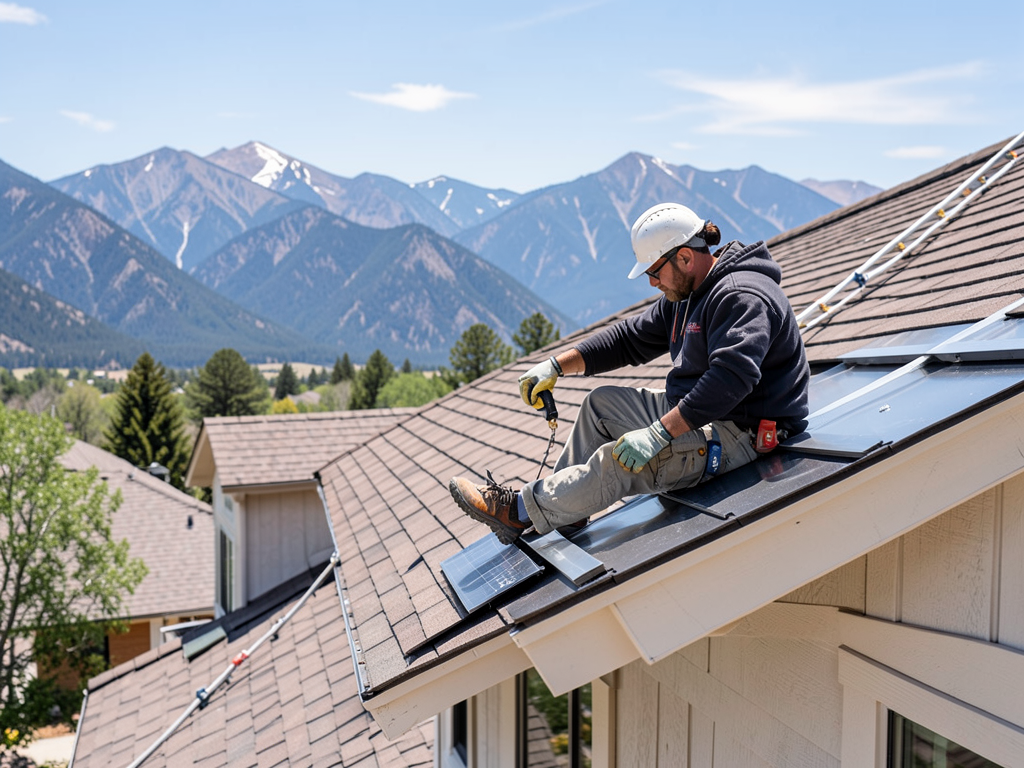
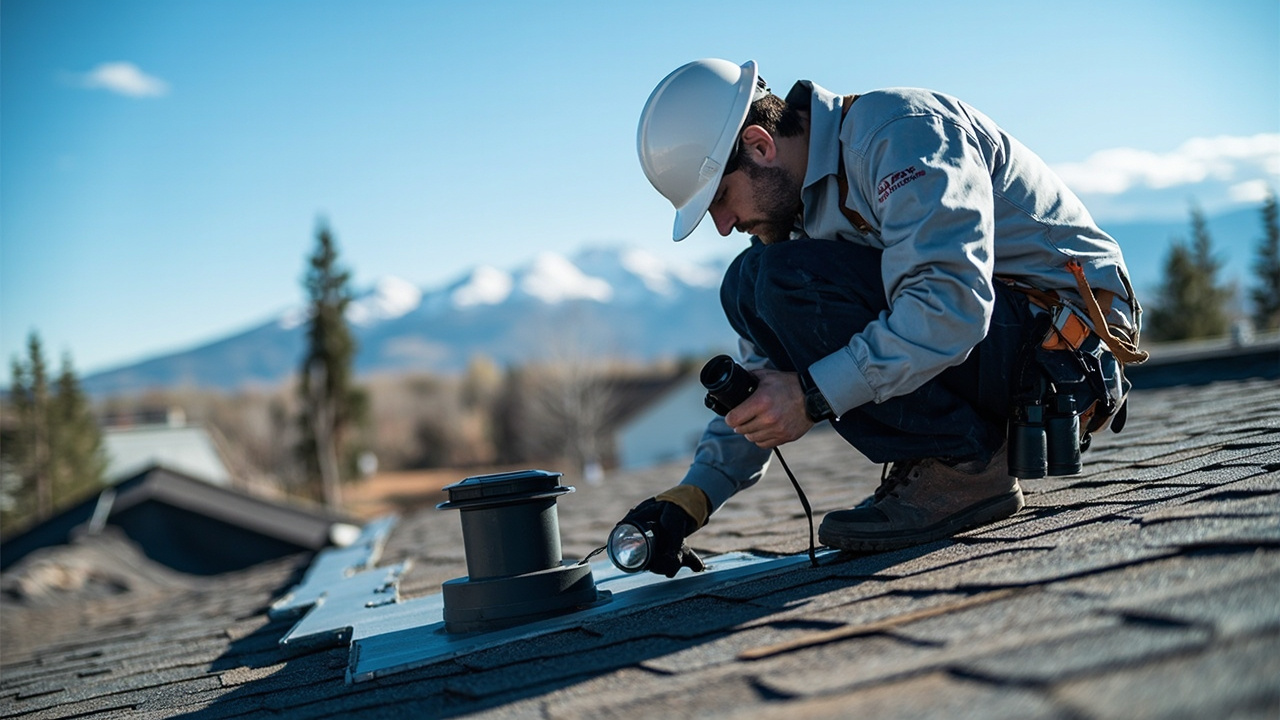
Denver building codes require proper ice and water shield installation in valleys and along eaves. Many older homes were built before these codes existed. A maintenance inspection identifies these deficiencies before they cause problems. Local roofing contractors understand the specific challenges of working at altitude, where temperature swings of 40 degrees in a single day are common. We know which materials hold up to Denver's climate and which fail prematurely. This local expertise prevents costly mistakes and ensures repairs use products designed for Colorado's Front Range environment.