




Menu

Roof Inspection & Certification in Denver – Complete Documentation for Insurance, Mortgages & Peace of Mind

Get a comprehensive roof condition certification from Denver roofing experts who understand local building requirements, insurance carrier standards, and the documentation you need to protect your investment and close critical transactions.

Slider Image 1
Slider Image 2
Slider Image 3
Slider Image 4
Slider Image 5
Slider Image 7
Slider Image 8
Slider Image 9
Slider Image 10
Slider Image 11

Why Denver Property Owners Need Professional Roof Certification

You need proof your roof works. Maybe your insurance carrier is demanding a roofing inspection certificate before renewal. Maybe you are refinancing and the lender wants a roof life certification in writing. Maybe you are selling a home and the buyer's inspector flagged concerns that require professional documentation. Without the right paperwork, deals stall, premiums spike, and transactions collapse.

Denver's high-altitude sun exposure accelerates shingle degradation faster than lower elevations. The intense UV radiation at 5,280 feet breaks down asphalt composition, causing granule loss and brittleness that can shave years off expected roof life. Add in the freeze-thaw cycles that hit 30 to 40 times per winter, and you have expansion and contraction that loosens fasteners, cracks sealant, and opens pathways for water intrusion. Hail is another factor. Denver sits in a moderate hail zone, and even small strikes create damage that compounds over time.

A roof certification report is not a sales pitch. It is a professional assessment that documents current condition, estimates remaining service life, and identifies any deficiencies that affect structural integrity or water resistance. Insurance companies use this information to assess risk. Mortgage lenders use it to protect collateral. Buyers use it to negotiate price or demand repairs. If your roof cannot pass inspection, you need to know before it costs you thousands in lost equity or denied coverage.

This is not about passing or failing. It is about transparency. A roof certification letter gives you leverage, clarity, and documentation that stands up to scrutiny from adjusters, underwriters, and attorneys.

Why Denver Property Owners Need Professional Roof Certification
How We Conduct a Roof Condition Certification in Denver

How We Conduct a Roof Condition Certification in Denver

We do not guess. We measure, document, and certify based on objective criteria that satisfy insurance carriers, lenders, and real estate professionals. Our roof inspection process includes both ground-level assessment and direct roof access to evaluate components that affect service life and weather resistance.

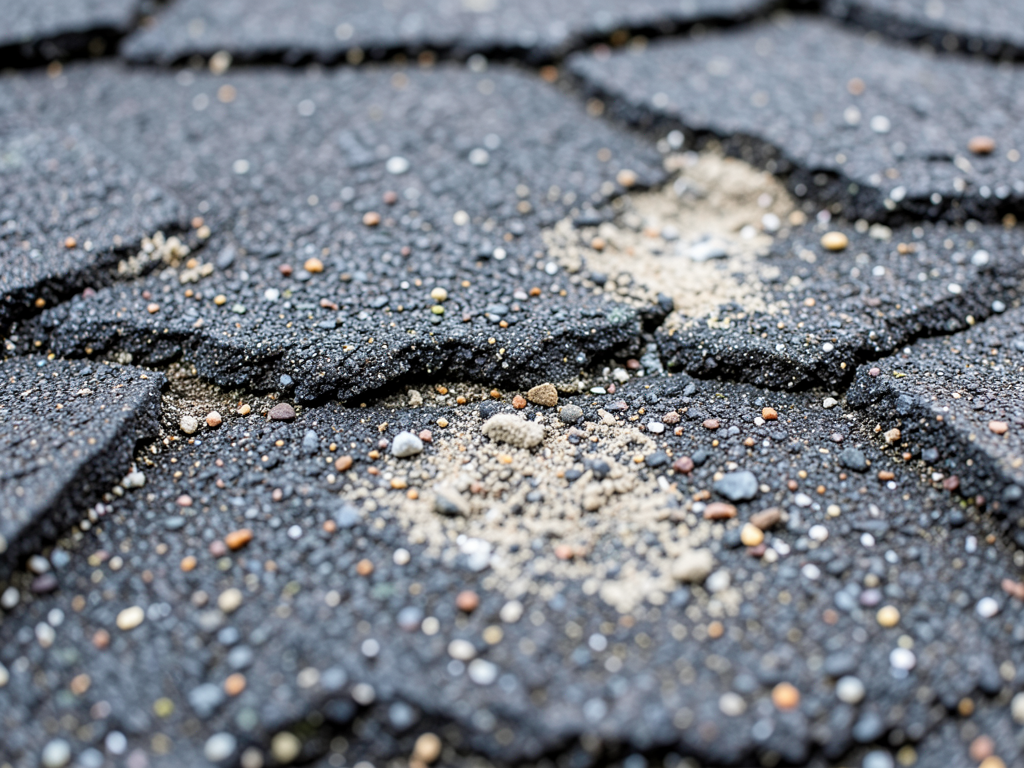
We start with shingle condition. We check for granule loss, curling, cupping, and missing tabs. We measure the depth of asphalt layers to estimate remaining thickness. We inspect flashing around chimneys, skylights, and plumbing vents, because these penetrations are the most common failure points. We examine valley flashing for corrosion or improper installation. We check ridge caps for wind damage and improper nailing patterns. We inspect soffit vents, ridge vents, and gable vents to confirm adequate attic ventilation, which directly affects shingle longevity.

We also evaluate the roof deck from the attic side when accessible. We look for sagging, water stains, mold growth, and daylight penetration. We check for proper ventilation baffles and insulation contact that can cause condensation and rot. We document any signs of previous leaks, even if currently dry, because this affects insurability.

Our roof certification report includes photographs, measurements, and a written summary that states the current condition, estimated remaining life in years, and any recommended repairs. If your roof qualifies, we issue a roof life certification that satisfies most insurance and lending requirements. If it does not qualify, we explain exactly why and what repairs are needed to bring it into compliance.

This documentation is defensible. It is based on industry standards from the National Roofing Contractors Association and adheres to Denver building code requirements. It holds up under third-party review.

What Happens During Your Roof Certification Appointment

Roof Inspection & Certification in Denver – Complete Documentation for Insurance, Mortgages & Peace of Mind
01

Exterior and Interior Assessment

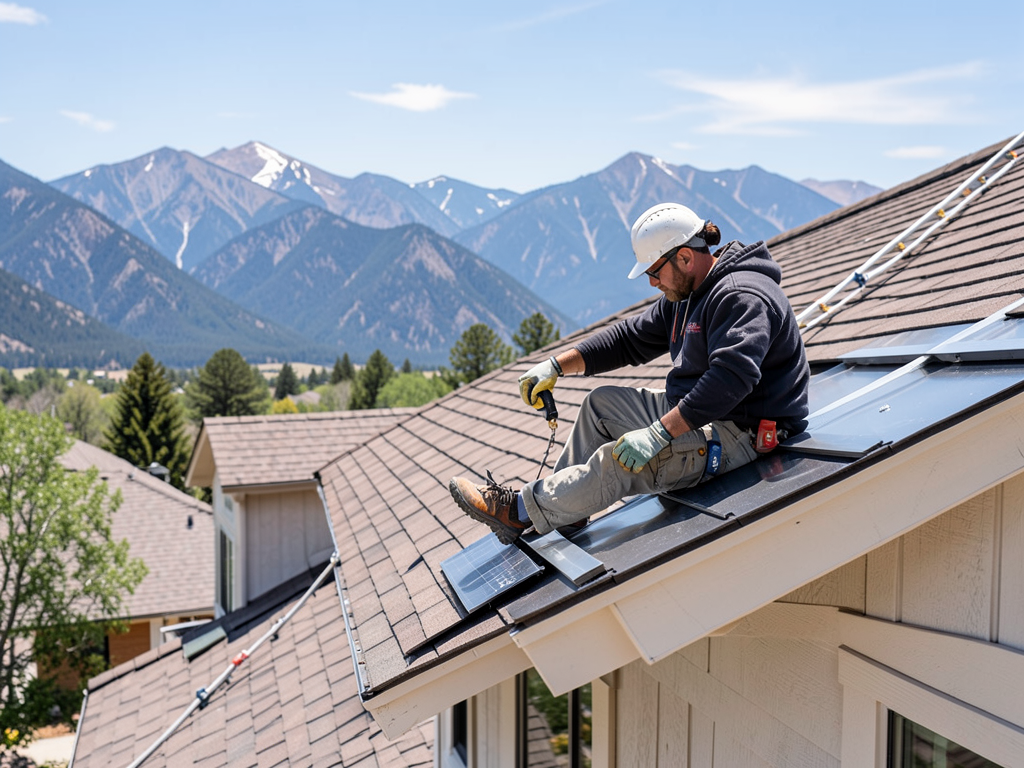
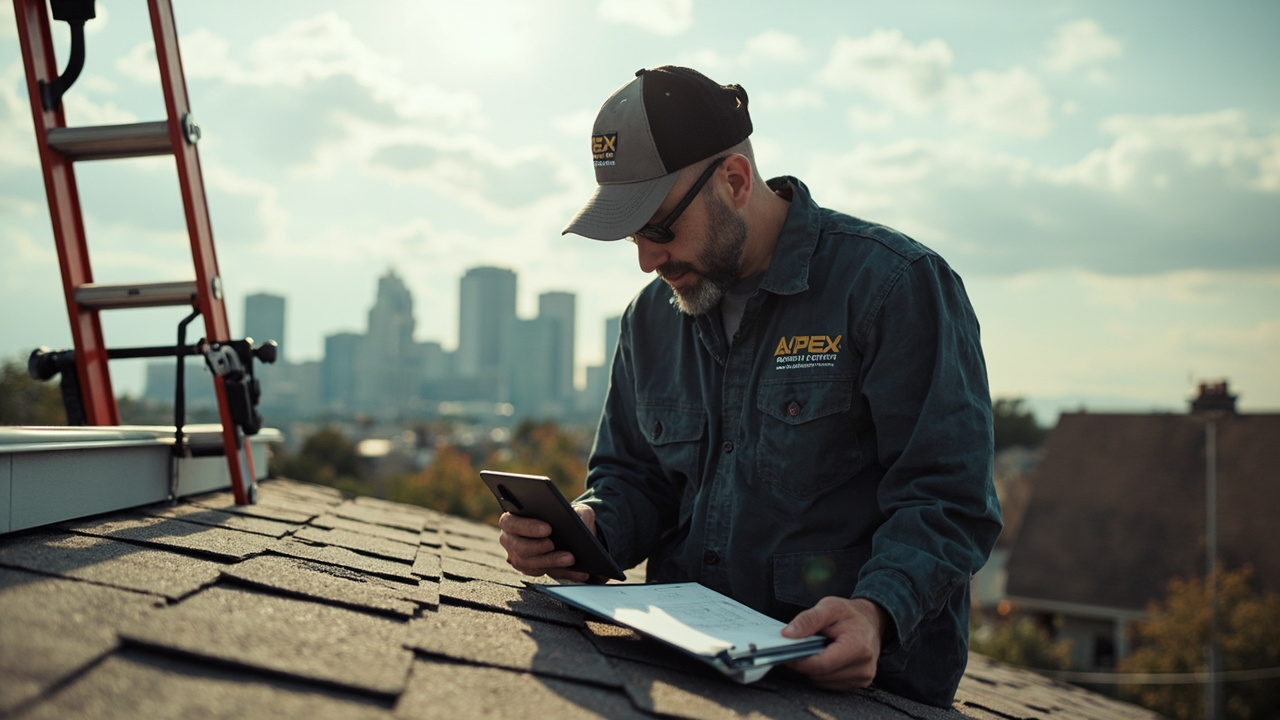
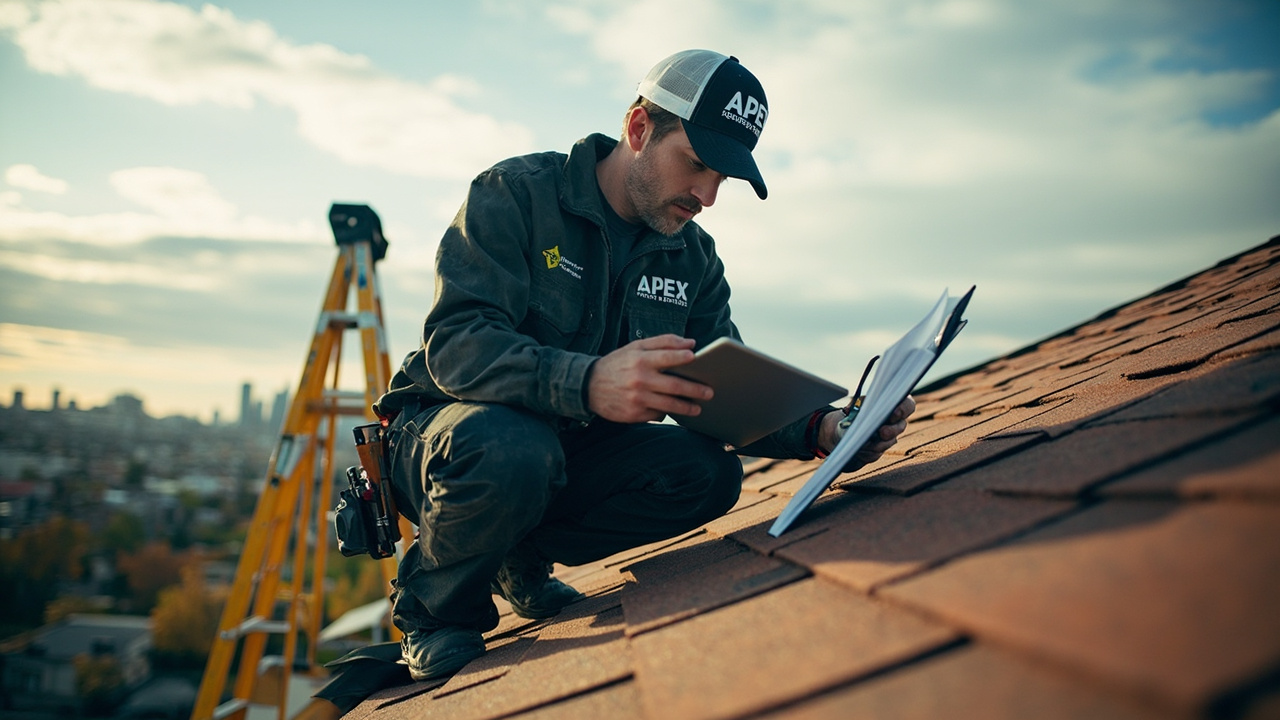
We inspect your roof from the ground using binoculars and drones when necessary to assess overall condition without causing foot traffic damage. Then we access the roof directly to examine shingles, flashing, and penetrations up close. We also inspect the attic space to check for leaks, ventilation issues, and structural concerns that affect roof performance and longevity in Denver's climate.
02

Documentation and Measurement

We photograph all critical areas including valleys, flashing, shingle condition, and any deficiencies. We measure shingle thickness, check fastener patterns, and document ventilation adequacy. We note the roof age, material type, and any previous repairs. This data forms the basis of your roof condition certification and provides the evidence insurance carriers and lenders require to make underwriting decisions.
03

Certification Report Delivery

You receive a written roof certification report within 24 to 48 hours that includes all photographs, condition findings, estimated remaining life, and our professional recommendation. If your roof qualifies, we issue a roof certification letter suitable for insurance renewals, mortgage applications, or real estate transactions. If repairs are needed, we provide a detailed scope and timeline to bring your roof into certifiable condition.

Why Apex Roofing Denver Is Your Trusted Certification Partner

Insurance companies reject generic inspection reports. They want documentation from licensed contractors who understand their underwriting standards and can speak their language. We have worked with every major carrier operating in the Denver metro, and we know what triggers approvals versus denials.

Denver building code has specific requirements for roof ventilation, snow load capacity, and wind resistance that differ from other Colorado municipalities. We are familiar with the 2021 International Residential Code amendments adopted by Denver, including the prescriptive ventilation ratios and the underlayment standards for steep-slope roofs. We know that many Denver neighborhoods, especially in the Highland and Curtis Park historic districts, have architectural review requirements that affect repair and replacement options. This local knowledge matters when you are trying to certify a roof for continued service versus justifying replacement.

We also understand the insurance game. Carriers are tightening underwriting standards across Colorado due to hail claims and wildfire exposure. They are dropping policies or demanding inspections on roofs over 15 years old, even if the roof is functional. We document condition in a way that satisfies their risk models without overstating deficiencies or creating unnecessary claim barriers.

Our roof certification reports have been accepted by State Farm, Allstate, Farmers, USAA, and dozens of regional carriers. We have provided roof life certifications for VA loans, FHA loans, and conventional mortgages through every major lender in the Denver market. We know what underwriters flag, and we address those concerns proactively in our documentation.

You are not paying for a pass or fail grade. You are paying for accurate information that protects your financial position and gives you options, whether that means continuing coverage, negotiating repairs, or planning for replacement.

What You Can Expect from Our Roof Certification Service

Fast Turnaround for Urgent Deadlines

Insurance renewals and mortgage closings do not wait. We schedule inspections within 48 hours of your call, and we deliver written certification reports within 24 to 48 hours after the inspection. If you have a same-week closing or a policy cancellation notice, let us know upfront. We prioritize urgent requests and can expedite documentation when you are under time pressure. We understand that delays cost money, and we structure our process to meet real estate and insurance deadlines without cutting corners on accuracy.

Thorough Inspection Beyond Surface Appearance

We do not just look at your roof from the driveway. We access the roof directly, inspect attic spaces, and evaluate all components that affect service life and weather resistance. We check flashing integrity, measure shingle wear, assess ventilation, and document any signs of previous or ongoing leaks. We use thermal imaging when moisture intrusion is suspected, and we take detailed photographs that support our findings. You receive a comprehensive assessment that covers structural, functional, and aesthetic condition, giving you the full picture before you commit to repairs or defend your coverage.

Defensible Documentation That Satisfies Third Parties

Your roof certification letter is written to industry standards and includes the specific language insurance carriers and lenders require. We state the roof age, material type, current condition, estimated remaining life, and any recommended repairs. We include photographs, measurements, and references to applicable building codes. This is not a generic checklist. It is a professional report that holds up under scrutiny from adjusters, underwriters, appraisers, and real estate attorneys. If your carrier or lender requests clarification, we respond directly to their questions and provide additional documentation at no extra charge.

Honest Recommendations Without Sales Pressure

If your roof qualifies for certification, we issue the documentation you need. If it does not qualify, we explain exactly why and what repairs would bring it into compliance. We do not use inspections as sales opportunities to push unnecessary replacements. You get honest information based on objective criteria, and you decide how to proceed. If minor repairs can extend service life and satisfy your insurance carrier, we tell you that. If replacement is the only viable option, we explain the reasoning and provide a detailed estimate. Our goal is to give you accurate information, not to manufacture work.

Frequently Asked Questions

You Have Questions,
We Have Answers

What is a certified roof inspector? +

A certified roof inspector is a trained professional who evaluates your roof's condition and documents findings in a formal report. In Denver, inspectors assess damage from hail storms, freeze-thaw cycles, and UV exposure common at our high altitude. They check shingles, flashing, ventilation, gutters, and structural integrity. Certification means the inspector completed specific training through organizations like HAAG or NRCIA. These professionals understand Denver's unique climate challenges and building codes. They provide unbiased assessments needed for insurance claims, real estate transactions, or maintenance planning. A certified inspector gives you accurate data, not a sales pitch.

How much does a basic roof inspection cost? +

A basic roof inspection in Denver typically ranges from free to $400, depending on scope and provider. Many roofing contractors offer free visual inspections when quoting repair or replacement work. Independent certified inspectors charge $200 to $400 for detailed reports needed for real estate closings or insurance claims. The cost varies based on roof size, pitch, accessibility, and complexity. Steep roofs or multi-level homes cost more due to safety requirements. Denver's frequent hail events mean many homeowners get free storm damage assessments from contractors working with insurance companies. Investment in a paid inspection often prevents costly surprises down the road.

What does a roof inspection include? +

A thorough roof inspection examines all components from shingles to structure. Inspectors check shingle condition, granule loss, cracking, and missing tabs. They evaluate flashing around chimneys, vents, and valleys where leaks start. Gutters, downspouts, and drainage patterns get reviewed. Inspectors assess ventilation systems, attic moisture, and insulation levels. They look for sagging, rot, or structural concerns. In Denver, inspectors specifically check for hail impact damage, ice dam evidence, and wind uplift issues common in our climate. You receive a written report documenting findings with photos. The inspection identifies current problems and predicts future maintenance needs.

What certifications do roofers need? +

Colorado requires roofing contractors to hold a valid business license and general liability insurance. Individual roofers do not need state-level trade licenses, but many earn voluntary certifications from manufacturers like GAF, Owens Corning, or CertainTeed. These credentials prove expertise in specific product installation. Professional certifications from HAAG or NRCIA train inspectors in damage assessment and documentation. Denver requires contractors to pull permits for reroof projects and pass final inspections. Reputable roofers carry workers' compensation insurance and maintain good standing with the Better Business Bureau. Ask for proof of insurance and references before hiring any contractor.

How much does it cost to check a roof? +

Checking a roof costs anywhere from free to $400 in the Denver metro area. Contractors offering free inspections typically provide basic visual assessments to identify repair needs or quote replacement projects. Certified independent inspectors charge $200 to $400 for comprehensive reports with photos and documentation. This paid inspection is common during home purchases or insurance claims. Roof size, steepness, and accessibility affect pricing. A simple ranch-style home costs less than a two-story with multiple valleys and dormers. Emergency leak inspections may carry service call fees. The investment protects you from buying a home with hidden damage or validates insurance claims.

Is a roof inspection worth it? +

A roof inspection is absolutely worth it in Denver. Our climate punishes roofs with intense UV exposure at 5,280 feet, frequent hailstorms, and freeze-thaw cycles that crack shingles and flashing. An inspection catches small problems before they become expensive water damage inside your home. For home buyers, a $300 inspection can reveal a $15,000 roof replacement need before closing. For existing homeowners, annual inspections extend roof life by identifying maintenance needs early. Inspections document storm damage for insurance claims, often recovering thousands in coverage. The cost is minimal compared to interior damage from undetected leaks or premature roof failure.

Who pays for a roof inspection? +

The party requesting the inspection typically pays. Home buyers usually pay for pre-purchase roof inspections as part of due diligence, though sellers sometimes cover the cost to facilitate sales. Homeowners pay for routine maintenance inspections or storm damage assessments when filing insurance claims. Some insurance companies pay for third-party inspections when claims disputes arise. Real estate agents occasionally pay to resolve transaction issues. Many Denver roofing contractors offer free inspections when homeowners need repair quotes or suspect storm damage. However, independent certified inspections for documentation purposes are buyer or homeowner expenses. The investment protects your financial interests regardless of who pays.

What is the biggest red flag in a home inspection? +

Active roof leaks are the biggest red flag in home inspections. Water penetration causes mold, rot, structural damage, and destroyed insulation. In Denver, missing or damaged shingles after hail storms signal immediate problems. Poor attic ventilation leads to premature shingle failure and ice dams. Amateur repair attempts with mismatched materials or improper flashing installation create future headaches. Multiple layers of old shingles indicate shortcuts and potential deck damage underneath. Sagging roof sections suggest structural failure requiring immediate attention. Widespread granule loss means the roof is at end of life. These issues cost thousands to fix and should trigger serious negotiation or walking away from the deal.

Is $30,000 too much for a roof? +

Whether $30,000 is too much depends on your roof size, materials, and complexity. For Denver homes, a standard asphalt shingle reroof on a 2,000 square foot ranch costs $12,000 to $18,000. Larger homes, steep pitches, multiple stories, or premium materials push costs higher. A 3,500 square foot two-story home with architectural shingles easily reaches $25,000 to $35,000. Metal roofing, tile, or slate cost significantly more. Denver's market rates include removal of old materials, deck repairs, upgraded ventilation, and permit fees. Get three written estimates from licensed contractors. Compare scope of work, material quality, and warranties. Rock-bottom prices often mean corners get cut.

How long does a roof inspection take? +

A standard roof inspection takes 45 minutes to two hours, depending on size and complexity. Simple ranch-style homes with easy roof access take less time than multi-level homes with steep pitches. Inspectors spend time in the attic checking ventilation, insulation, and moisture issues. They photograph damage and document findings. Denver's frequent hail events mean inspectors carefully examine every shingle face for impact marks. Comprehensive inspections for real estate transactions or insurance claims take longer than basic visual assessments. Expect same-day or next-day reports for most inspections. Emergency leak inspections happen faster, focusing on the immediate problem area before expanding to full roof evaluation.

How Denver's High Altitude and Freeze-Thaw Cycles Affect Roof Certification Standards

Denver's elevation creates unique challenges for roof longevity that directly affect certification criteria. UV exposure at 5,280 feet is 25 percent higher than at sea level, accelerating shingle aging and granule loss. Insurance carriers account for this by adjusting service life expectations downward compared to lower elevations. A 25-year architectural shingle in Denver may only be certifiable for 18 to 20 years of service life due to UV degradation. The freeze-thaw cycle is another factor. Denver averages 30 to 40 freeze-thaw events per winter, causing expansion and contraction that loosens fasteners, cracks sealant, and opens gaps in flashing. These conditions mean roof condition certifications in Denver require closer scrutiny of shingle adhesion, fastener patterns, and flashing integrity than in more temperate climates.

Apex Roofing Denver understands how local insurance carriers adjust their underwriting models for Colorado's Front Range climate. We document roof condition using the same criteria State Farm, Allstate, and regional carriers apply when evaluating risk. We also stay current with Denver building code updates, including the ventilation and underlayment requirements that affect insurability and resale value. When you need a roofing inspection certificate that satisfies local lenders, adjusters, and real estate professionals, you need a contractor who knows Denver's specific conditions and how they affect certification standards. We provide that expertise with every inspection.
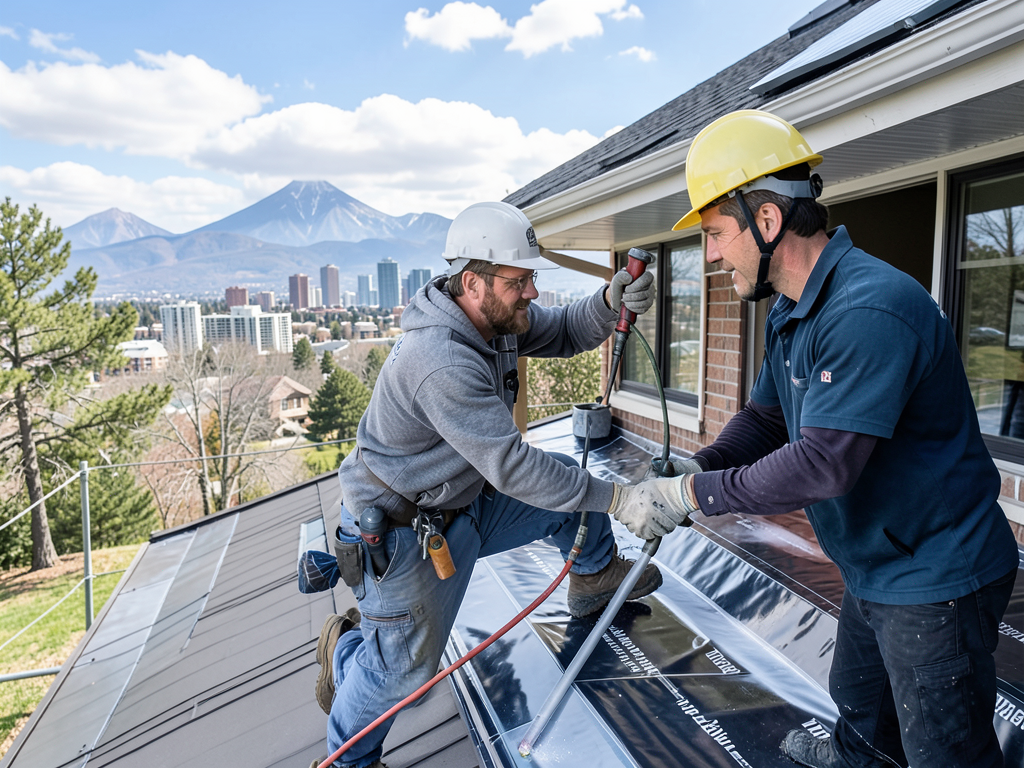
Roofing Services in The Denver Area

Looking for trusted roofing services near you? Apex Roofing Denver proudly serves homeowners and businesses across the greater Denver area with expert roof repairs, replacements, inspections, and storm damage restoration. From Aurora to Lakewood and Thornton to Centennial, our experienced roofing team is ready to deliver fast, dependable solutions. Use the map below to explore our service areas and find top-rated roofing help near your neighborhood.

Address:
Apex Roofing Denver, 2301 Blake St, Denver, CO, 80205

Additional Services We Offer

Our news updates

Latest Articles & News from The Blogs

Lorem ipsum dolor sit amet. Aut expedita quaerat quo eligendi numquam et laudantium perspiciatis qui minima expedita rem consequatur ducimus.…

Test Blog 4

Lorem ipsum dolor sit amet. Aut expedita quaerat quo eligendi numquam et laudantium perspiciatis qui minima expedita rem consequatur ducimus.…

Test Blog 3

Lorem ipsum dolor sit amet. Aut expedita quaerat quo eligendi numquam et laudantium perspiciatis qui minima expedita rem consequatur ducimus.…

Test Blog 2

Lorem ipsum dolor sit amet. Aut expedita quaerat quo eligendi numquam et laudantium perspiciatis qui minima expedita rem consequatur ducimus.…

Contact Us

Insurance renewals and mortgage closings do not wait. Call Apex Roofing Denver at (720) 484-8300 to schedule your roof inspection and certification. We deliver defensible documentation that satisfies carriers, lenders, and buyers, giving you the proof you need to protect your investment and close your transaction.