
The Best Solar Roofing Options for Energy Efficient Denver Homes
Denver homeowners face a unique challenge. The city gets over 300 days of sunshine each year, but it also endures severe hail storms and heavy snow. That makes choosing the right solar roofing system critical. You need a solution that captures energy efficiently while standing up to Colorado’s extreme weather. Roofing Sheridan.
Solar roofing has evolved far beyond bulky rack-mounted panels. Today you can choose from sleek integrated solar shingles or traditional panels mounted on a new roof. Each option offers different benefits for Denver’s climate and your home’s architecture. Understanding these differences helps you make the right investment for long-term energy savings and roof durability. Roofing Englewood.
The best solar roofing system for your Denver home depends on several factors. Your roof’s age and structure matter. So does your home’s architectural style and your energy goals. Most importantly, you need a system designed for Colorado’s high-altitude UV exposure and frequent hail impacts. Let’s explore your options and what makes each one suitable for Denver’s unique conditions.. Read more about Choosing a Roof Color That Won’t Make Your West Highland Home Overheat.
Integrated Solar Shingles vs. Traditional Solar Panels
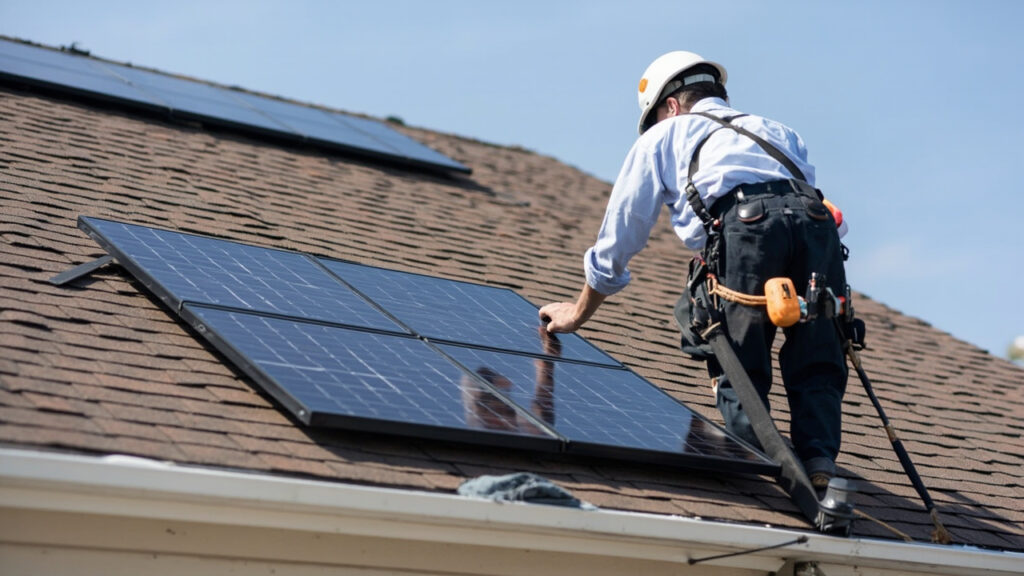
Traditional solar panels mount on racks above your existing roof. They work well for homes with newer roofs or those wanting maximum energy production. These panels capture more sunlight per square foot than integrated systems. However, they add wind load and create gaps where hail can strike your underlying shingles.
Integrated solar shingles replace your existing roofing material. They install flush with your roof, creating a seamless appearance. GAF Timberline Solar shingles and Tesla Solar Roof lead this category. These systems protect your home like traditional roofing while generating electricity. The integrated design eliminates mounting hardware and reduces potential leak points.
For Denver’s climate, integrated shingles offer significant advantages. They provide Class 4 impact resistance, the highest rating available. This protection shields both your solar cells and underlying roof from hail damage. The low profile also reduces wind uplift during Colorado’s frequent storms. Traditional panels can achieve similar protection but require additional mounting hardware and engineering.
Energy production differs between systems. Traditional panels typically generate 15-20% more electricity per square foot than integrated shingles. However, integrated systems often cover more of your roof since they replace existing material rather than mounting on top. The aesthetic benefit appeals to homeowners in neighborhoods like Lakewood and Englewood where architectural guidelines matter.
Cost Comparison and ROI Analysis
Solar roofing represents a significant investment. Traditional panel systems cost $15,000-$25,000 for an average Denver home. Integrated solar shingles run $25,000-$40,000 including roof replacement. The higher upfront cost of integrated systems reflects both the solar technology and premium roofing materials. How Much a Full Roof Replacement Actually Costs in Denver Right Now.
ROI calculations favor integrated systems for older roofs. If your roof needs replacement anyway, combining projects saves 20-30% on labor costs. You also qualify for the federal solar tax credit on the entire project, not just the solar portion. This credit currently returns 30% of your investment as a tax credit. Federal Solar Tax Credit.
Energy savings vary by system size and household usage. A typical Denver home with solar roofing saves $800-$1,200 annually on electricity. With Xcel Energy’s net metering program, you earn credits for excess power sent to the grid. Most systems pay for themselves in 7-10 years through energy savings and incentives. Xcel Energy Net Metering.
| System Type | Average Cost | Energy Production | Key Benefit |
|---|---|---|---|
| Traditional Panels | $15,000-$25,000 | 15-20% more per sq ft | Higher efficiency |
| GAF Timberline Solar | $25,000-$35,000 | Standard production | Class 4 impact rating |
| Tesla Solar Roof | $30,000-$40,000 | Standard production | Premium aesthetics |
Denver Solar Incentives and Rebates
Colorado offers some of the nation’s best solar incentives. The federal Investment Tax Credit returns 30% of your solar roofing costs as a tax credit. This applies to both the solar technology and roof replacement when installing integrated systems. You can claim this credit on your federal taxes for the year of installation. Industrial Roof Replacement.
Xcel Energy’s net metering program pays you for excess electricity your system produces. Credits roll over month to month and year to year. During sunny summer months, you can build up credits to offset winter electricity costs. The program ensures you get full retail value for your solar power rather than wholesale rates.
Colorado offers additional incentives. The state sales tax exemption eliminates sales tax on solar equipment and installation. Local utilities may offer rebates ranging from $500-$2,000 depending on your system size. Denver’s Green Building Ordinance provides expedited permitting for solar-ready roofing projects.
Property tax exemptions protect you from increased taxes due to your solar installation. While solar roofing increases your home’s value by $15,000-$25,000, you won’t pay additional property taxes on that value. This exemption makes solar roofing more affordable over the long term.
Building Codes and Permitting in Denver
Denver requires specific permits for solar roofing installations. The process starts with a structural engineering review to ensure your roof can support the added weight. Most solar systems add 3-5 pounds per square foot, well within modern building standards. However, older homes may need structural reinforcement.
The City and County of Denver mandates Class 4 impact resistance for all new roofing in many neighborhoods. This requirement protects against hail damage and often satisfies insurance company requirements. Both integrated solar shingles and traditional panels can meet this standard when properly installed.
Electrical permits ensure your solar system connects safely to the grid. Xcel Energy requires an interconnection agreement before activating your system. The utility inspects your installation to verify it meets safety standards and won’t backfeed power during outages.
Denver’s permitting process typically takes 2-4 weeks. Expedited permits are available for projects meeting specific criteria. Working with a local contractor familiar with Denver’s requirements streamlines this process. They handle permit applications, inspections, and utility coordination on your behalf.
Class 4 Impact Resistance for Colorado Hail
Hail poses the biggest threat to Denver solar roofing. The Front Range experiences some of the nation’s most severe hail storms, particularly from May through August. Class 4 impact resistance provides the highest level of protection against hail damage.
Class 4 testing involves firing steel balls at roofing materials. The material must withstand impacts without cracking or breaking. This rating protects against hailstones up to 2 inches in diameter. Most integrated solar shingles achieve Class 4 ratings through tempered glass and reinforced mounting systems.
Traditional solar panels can also achieve Class 4 ratings but require specific mounting hardware. Rack-mounted systems need additional bracing and impact-resistant glass. The mounting hardware creates potential weak points where hail can damage both panels and underlying roofing.
Insurance companies often require Class 4 roofing in hail-prone areas. Installing Class 4 solar roofing can lower your premiums and simplify claims processing. Many Denver homeowners find that insurance savings offset a portion of their solar investment over time.
Installation Process and Timeline
Solar roofing installation follows a specific sequence. First, your contractor removes existing roofing materials down to the deck. They inspect for damage and make necessary repairs. Next, they install new underlayment and flashing to create a watertight barrier.
For integrated systems, solar shingles install directly on the underlayment. Electricians run wiring through the roof structure to connect the solar cells. The process resembles traditional roofing installation but includes electrical integration steps. Most homes complete installation in 3-5 days depending on roof size and complexity.
Traditional panel installation starts similarly but adds mounting hardware. Racks attach to your roof structure, then panels mount to the racks. This process takes 1-2 days for the solar portion after roofing completes. The additional hardware creates more potential entry points for water.
After installation, your system undergoes inspection by the city and utility company. This process ensures code compliance and safe grid connection. Activation typically occurs within 1-2 weeks of passing inspections. Your contractor provides monitoring system setup and explains energy production tracking.
Energy Production in Denver’s Climate
Denver’s high altitude actually benefits solar production. The city sits at 5,280 feet above sea level, where sunlight is stronger and more direct. Solar panels here generate 7-10% more electricity than at sea level with the same equipment. This advantage helps offset the higher costs of Colorado installations.
Winter snow poses challenges but also creates opportunities. Panels produce some electricity even through light snow cover. The dark surfaces absorb heat and melt snow faster than surrounding roofing. Most systems are installed at angles that promote natural snow shedding.
Summer heat can reduce panel efficiency by 10-25%. However, Denver’s relatively low humidity helps maintain better performance than more humid climates. The dry air allows panels to cool more effectively during hot afternoons when energy demand peaks.
Seasonal production varies significantly. Summer months generate 40-50% more electricity than winter months. Net metering helps balance this difference by banking excess summer credits for winter use. Most Denver solar homes achieve 70-90% of their annual electricity needs through solar production.
Maintenance and Longevity
Solar roofing requires minimal maintenance. Integrated shingles need no more care than traditional roofing. Annual inspections check for damage, loose connections, or debris accumulation. Most systems include monitoring that alerts you to production drops indicating potential issues.
Cleaning isn’t usually necessary in Denver. Occasional rain keeps panels relatively clean. If you notice significant dirt buildup, gentle rinsing with a garden hose works well. Avoid pressure washing, which can damage seals and electrical connections.
Solar panels typically last 25-30 years. Integrated shingles often carry 25-year warranties covering both roofing and solar functions. Traditional panels usually have 20-25 year warranties on power production. Inverters, which convert DC to AC power, typically need replacement after 10-15 years.
Denver’s climate affects longevity. UV exposure at high altitude can degrade materials faster than lower elevations. However, the dry climate reduces moisture-related issues like corrosion or mold growth. Quality installation and materials selection help maximize system lifespan.
Financing Options for Solar Roofing
Several financing options make solar roofing accessible. Cash purchases provide the best long-term returns but require significant upfront investment. Home equity loans or lines of credit offer lower interest rates than personal loans while leveraging your home’s value.
Solar loans specifically designed for renewable energy projects often feature favorable terms. These loans may offer 10-20 year terms with fixed interest rates. Some programs allow you to finance both the solar system and roof replacement together.
Power Purchase Agreements (PPAs) and solar leases require no upfront investment. You pay a monthly fee for the electricity your system produces. While these options reduce initial costs, they typically provide lower long-term savings than ownership. PPAs also complicate home sales since the agreement transfers with the property.
Many Denver homeowners use a combination approach. They finance part of the project while using tax credits and incentives to reduce the balance. This strategy balances immediate affordability with long-term ownership benefits.
Environmental Impact and Sustainability
Solar roofing significantly reduces your carbon footprint. A typical Denver home solar system prevents 3-4 tons of carbon dioxide emissions annually. Over a 25-year lifespan, this equals planting 100+ trees or removing a car from the road for a decade.
The manufacturing process for solar panels does create emissions. However, most panels generate enough clean energy within 1-2 years to offset their production footprint. After this break-even point, they provide pure environmental benefit for their remaining lifespan.
Integrated solar shingles offer additional sustainability advantages. They eliminate the need for separate roofing materials and solar panel production. The reduced material usage and single-installation process lower the overall environmental impact compared to traditional approaches.
Water conservation represents another benefit. Solar roofing reduces the urban heat island effect by absorbing less heat than traditional dark roofing. This cooling effect can lower neighborhood temperatures and reduce cooling energy demand during summer months.
Choosing the Right Contractor
Solar roofing requires specialized expertise beyond standard roofing or solar installation. Look for contractors with both roofing and solar certifications. NABCEP certification for solar installation and manufacturer training for specific products indicate proper qualifications.
Local experience matters significantly in Denver. Contractors familiar with Front Range weather patterns understand the importance of proper underlayment, flashing, and ventilation. They also navigate Denver’s permitting process efficiently and understand local building code requirements.
Ask potential contractors about their warranty coverage. Comprehensive warranties should cover both roofing materials and solar equipment. Labor warranties of 5-10 years indicate confidence in installation quality. Verify that warranty coverage remains valid if you sell your home.
Request references from recent solar roofing projects in your area. Visit completed installations if possible to assess quality and aesthetics. Check online reviews focusing on both solar performance and roofing integrity after severe weather events.
Future Trends in Solar Roofing
Solar technology continues advancing rapidly. Panel efficiency improves by approximately 0.5% annually, meaning newer systems produce more power from the same roof area. Integrated shingles are becoming more efficient, narrowing the gap with traditional panels.
Battery storage represents the next frontier for solar roofing. Home batteries allow you to store excess solar power for use during outages or peak rate periods. As battery costs decrease, more Denver homeowners are adding storage to their solar systems.
Building-integrated photovoltaics (BIPV) expands beyond roofing. Solar windows, siding, and even pavement are in development. These technologies could transform entire building surfaces into power generators, though most remain too expensive for residential use currently.
Smart home integration enhances solar roofing benefits. Advanced inverters and energy management systems optimize power usage based on time-of-use rates and household patterns. Some systems can automatically adjust to maximize savings during peak rate periods.
Making Your Decision
Choosing solar roofing involves balancing multiple factors. Consider your roof’s age and condition first. If replacement is needed within 5-7 years, integrated solar shingles often provide the best value. For newer roofs, traditional panels might offer better economics.
Evaluate your energy goals and budget. Maximum energy production favors traditional panels. Aesthetic preferences and neighborhood guidelines might steer you toward integrated systems. Your available budget and financing options also influence the decision.
Consult with qualified contractors for specific recommendations. They can assess your roof structure, energy usage patterns, and local conditions to provide tailored advice. Get multiple quotes and compare not just price but also equipment quality, warranty coverage, and contractor experience.
The right solar roofing system can provide decades of clean energy, protect your home from Colorado’s harsh weather, and increase your property value. With proper planning and installation, it represents one of the smartest home improvements available to Denver homeowners today.
Frequently Asked Questions
How long does solar roofing installation take in Denver?
Most solar roofing projects in Denver take 3-5 days for installation plus 2-4 weeks for permitting and inspections. The total process from contract signing to system activation typically takes 4-6 weeks. Weather delays can extend timelines during winter months.
Will solar roofing increase my home’s value in Denver?
Yes, solar roofing typically increases Denver home values by $15,000-$25,000. Buyers value both the energy savings and environmental benefits. Homes with solar roofing often sell faster than comparable properties without solar, particularly among environmentally conscious buyers.
Do I need to replace my roof before installing solar panels?
Not necessarily, but it’s often recommended. If your roof is over 15 years old or shows signs of wear, replacing it before solar installation prevents future removal costs. Many Denver homeowners combine roof replacement with solar installation to maximize efficiency and minimize disruption.
How does Denver’s hail affect solar roofing?
Denver’s severe hail requires Class 4 impact resistance for most solar roofing systems. Integrated solar shingles and properly mounted traditional panels can both achieve this rating. Quality installation and impact-resistant materials protect your investment from Colorado’s frequent hail storms.
What maintenance does solar roofing require?
Solar roofing requires minimal maintenance. Annual inspections check for damage and ensure optimal performance. Most systems include monitoring that alerts you to production issues. Occasional cleaning may be needed in areas with heavy dust or pollen, but Denver’s climate typically keeps panels clean naturally.
Can I install solar roofing on a flat roof?
Yes, solar roofing works on flat roofs common in Denver’s industrial areas and modern homes. Integrated shingles install similarly to traditional roofing. For traditional panels, special mounting systems create the proper tilt angle for optimal energy production while maintaining roof integrity.
How much can I save on electricity with solar roofing?
Denver homeowners typically save $800-$1,200 annually on electricity with solar roofing. Savings depend on system size, household usage, and Xcel Energy rates. Most systems offset 70-90% of annual electricity needs, with net metering providing credits for excess production.