
How to Spot Potential Roof Leaks Before They Turn Into Mold in Your Attic
Water stains on your ceiling or a musty smell in your attic are warning signs you cannot ignore. In Denver’s climate where hail storms and freeze-thaw cycles are common catching a roof leak early can save you thousands in repairs and prevent dangerous mold growth. This guide shows you exactly what to look for and when to call a professional before a small leak becomes a major problem. EPA mold growth information.
Why Early Detection Matters in Denver Homes
Denver’s high-altitude weather creates unique challenges for homeowners. Hail storms strike between May and August causing granule loss and shingle damage. Rapid temperature swings in fall and spring cause materials to expand and contract leading to cracks around flashing and vents. Snow accumulation in winter adds weight stress and when it melts ice dams can form at the roof edge forcing water under shingles. These conditions make leaks more likely and once water enters your attic mold can begin growing within 24 to 48 hours according to the EPA. Fixing Flat Roof Leaks in LoHi and Modern Denver Homes.
Interior Warning Signs to Watch For
Start your inspection inside your home. Look for these common indicators:
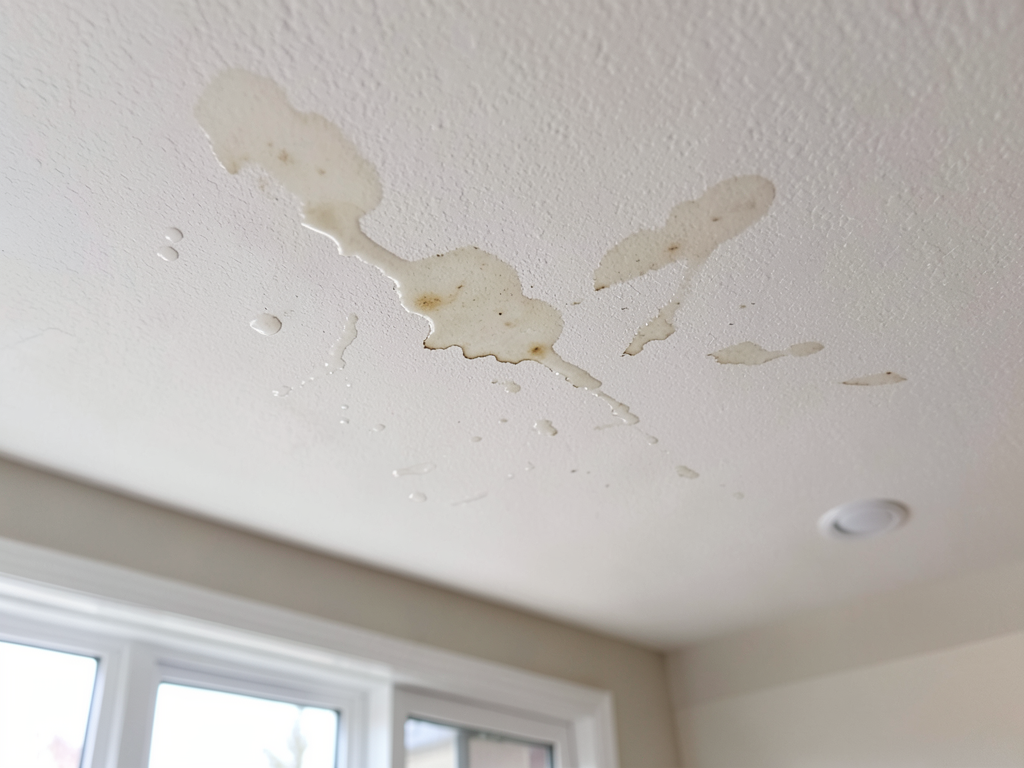
Water Stains on Ceilings and Walls
Brown or yellow discoloration often appears after a heavy rain or snow melt. These stains may start small but spread over time. Check around light fixtures and along exterior walls where roof leaks frequently occur.
Musty Odors in Upper Rooms
A persistent damp smell in bedrooms or hallways near the attic suggests moisture is present. This odor often precedes visible mold growth.
Peeling Paint or Bubbling Drywall
Moisture trapped behind paint or drywall causes it to lose adhesion. If you notice paint bubbling near the ceiling or along the top of walls investigate further.. Read more about What Size Hail Actually Causes Damage to a Shingle Roof in Denver?.
Exterior Red Flags to Check From the Ground
You can spot many problems without climbing onto your roof. Use binoculars and check these areas:
Missing or Damaged Shingles
Shingles that are cracked curled or completely missing leave your roof vulnerable. After a hail storm look for shingle bruising which appears as dark spots where granules have been knocked away.. Read more about What Happens if You Try to Overlay New Shingles on Your Existing Roof in Edgewater?.
Gutter Granule Loss
Finding large amounts of shingle granules in your gutters indicates advanced wear. This material protects shingles from UV damage so its loss accelerates deterioration. Reliable Gutter Installation for New Builds in Central Park.
Damaged Flashing
Flashing around chimneys vents and skylights can crack or pull away from the roof. Check for rust holes or separation especially after high winds.. Read more about Comparing Ridge Vents and Powered Attic Ventilators for Better Airflow in Thornton.
Deteriorated Drip Edge
The metal strip along your roof edge prevents water from seeping under shingles. Corrosion or bending here allows water to penetrate the roof deck.. Read more about Fixing Standing Water on Your Commercial Flat Roof in Arvada.
Denver-Specific Issues: Hail Damage and Ice Dams
Denver homeowners face two major weather-related threats that increase leak risk.
Hail Impact Bruising
Hailstones can bruise shingles without creating visible holes. These bruises weaken the shingle’s protective layer making it more susceptible to leaks. Look for dark circular spots on shingles after storms especially in areas like Lakewood and Englewood where older homes with aging roofs are common. Roofing Englewood.
Ice Dam Formation
When snow melts on a warm roof then refreezes at the colder eaves it creates an ice dam. Water backs up behind this dam and can seep under shingles. Homes in Westminster and Northglenn with poor attic insulation are particularly vulnerable to this problem.
The Hidden Danger: Checking Your Attic for Moisture
Your attic reveals the earliest signs of a leak. Here’s what to inspect:
Water Stains on Roof Decking
Dark streaks or spots on the underside of your roof boards indicate water intrusion. These stains often follow the path of water travel which may be several feet from the actual leak entry point.
Wet or Damp Insulation
Touch insulation in different areas. Wet spots feel cold and clump together. Damp insulation loses its effectiveness and can harbor mold growth.
Mold or Mildew Growth
Look for black green or white fuzzy growth on wood surfaces rafters or insulation. Mold spreads quickly in the warm moist environment of an attic.
Damp or Musty Odors
A strong musty smell indicates active moisture problems even if you cannot see visible mold yet.
Condensation on Roof Sheathing
During cold weather check for frost or water droplets on the underside of your roof. This condensation suggests poor attic ventilation which can lead to moisture buildup.
What to Do Immediately When You Spot a Leak
Finding a potential leak requires quick action to prevent further damage.
Contain the Water
Place buckets under active drips and move furniture away from affected areas. For ceiling leaks poke a small hole to release trapped water and prevent ceiling collapse.
Document the Damage
Take photos of water stains damaged areas and any visible roof problems. This documentation helps with insurance claims and helps contractors assess the situation.
Schedule a Professional Inspection
Call a licensed roofing contractor who understands Denver’s specific weather challenges. They can identify the source of the leak and recommend the right repair approach. Roofing Sheridan.
Consider Emergency Tarping
If storms are approaching or the damage is severe ask about emergency tarping services to prevent further water intrusion until permanent repairs can be made.
Why Early Detection Saves Denver Homeowners Thousands
Addressing a small leak promptly costs far less than dealing with extensive water damage and mold remediation. A simple flashing repair might cost a few hundred dollars while mold removal and structural repairs can run into the thousands. Plus insurance companies often deny claims for damage that resulted from neglected maintenance.. Read more about Dealing with Pine Needles and Clogged Gutters in the Wooded Lots of Castle Pines.
Prevention Strategies for Denver Homes
Regular maintenance reduces your risk of developing serious leaks.
Annual Professional Inspections
Have your roof inspected each spring after hail season and again in fall before winter weather arrives. This timing catches damage from summer storms and prepares your roof for snow loads.
Attic Ventilation Assessment
Proper ventilation prevents ice dams and reduces condensation. Ensure your attic has adequate intake and exhaust vents based on current building codes.
Gutter Maintenance
Clean gutters twice yearly to prevent ice dam formation and ensure proper water drainage away from your foundation.
Trim Overhanging Branches
Tree branches that touch or overhang your roof can damage shingles during storms and drop debris that holds moisture against the roof surface.
Common Misconceptions About Roof Leaks
Many homeowners misunderstand how leaks develop and progress.
Myth: Small Leaks Fix Themselves
Water damage worsens over time. What starts as a minor issue becomes a major problem if left unaddressed.
Myth: All Stains Mean Active Leaks
Old water damage can leave permanent stains even after repairs. A professional inspection determines if a stain indicates current moisture.
Myth: DIY Repairs Always Work
Without proper training and safety equipment DIY repairs often miss the true source of the leak or create new problems.
When to Call a Professional
Certain situations require expert attention.
Active Water Intrusion
If water is actively entering your home during rain or snow melt call immediately. Time is critical to prevent extensive damage.
Multiple Warning Signs
When you notice several indicators like stains plus attic mold or exterior damage a comprehensive inspection is necessary.
Insurance Claims
Professional documentation helps with insurance processes and ensures you receive appropriate coverage for repairs.
Safety Concerns
Steep roofs and multi-story homes create dangerous conditions for untrained individuals. Professional contractors have proper safety equipment and training.
Frequently Asked Questions
How long does it take for mold to grow after a roof leak?
Mold can begin growing within 24 to 48 hours in the right conditions according to the EPA. Warm moist environments like attics accelerate this process.
Can I prevent ice dams on my Denver roof?
Yes. Proper attic insulation and ventilation prevent the temperature variations that cause ice dams. Keeping your roof cold helps snow melt evenly rather than creating ice buildup at the edges.
How often should I have my roof inspected in Denver?
Schedule inspections twice yearly once in spring after hail season and again in fall before winter. Also inspect after any major storm that produces hail or high winds.
What’s the difference between hail damage and normal wear?
Hail damage appears as circular bruises or granule loss in specific patterns often concentrated on one side of the roof. Normal wear shows more gradual deterioration across the entire surface.
Should I repair or replace my roof if I find a leak?
This depends on the leak’s source the age of your roof and the extent of damage. A professional inspection can determine whether repair or replacement makes more financial sense for your situation. How Much a Full Roof Replacement Actually Costs in Denver Right Now.
Take Action Before Small Problems Become Big Expenses
Roof leaks rarely fix themselves and mold growth poses serious health risks to your family. If you notice any of the warning signs described in this guide do not wait. Early intervention saves money prevents structural damage and protects your home’s value.
Call Apex Roofing Denver today at (720) 484-8300 for a comprehensive leak inspection. Our experienced technicians understand Denver’s unique weather challenges and can identify problems before they become expensive disasters. We serve homeowners throughout the Denver metro area including Lakewood Englewood Westminster and surrounding communities.
Don’t let a small leak turn into a major mold problem. Contact us now to schedule your professional inspection and keep your home safe and dry year-round. For more information, visit FEMA disaster preparedness.
You may also find this helpful. Should You Install a Solar Attic Fan in Your Wheat Ridge Home This Summer?.
You may also find this helpful. Fixing a Leaking Dormer Window on Your Historic Curtis Park Victorian.
You may also find this helpful. Why Your Next Roof Should Feature an Integrated Snow Guard System in Evergreen.
You may also find this helpful. Managing Overhanging Tree Limbs and Their Impact on Your Bonnie Brae Roof.