
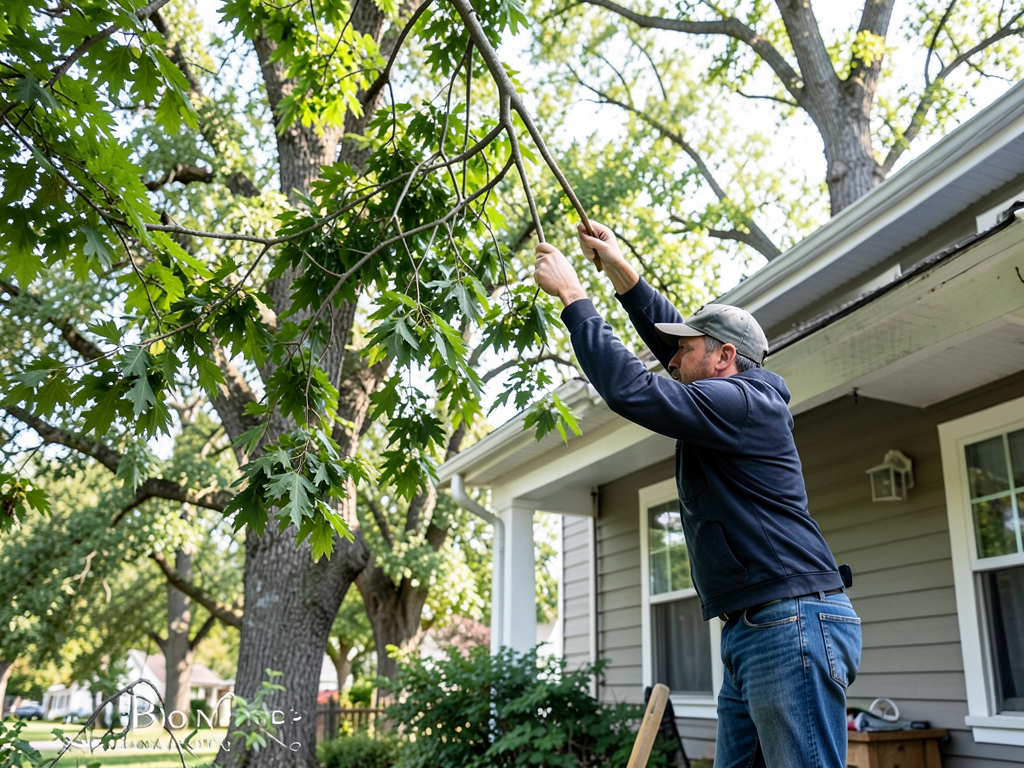
Managing Overhanging Tree Limbs and Their Impact on Your Bonnie Brae Roof
Living in Bonnie Brae means enjoying mature tree-lined streets and established neighborhoods. But those beautiful trees can create serious challenges for your roof. Denver’s unique climate combined with the area’s mature canopy creates specific risks that every homeowner should understand.
Bonnie Brae’s trees include large deciduous species like American elms and maples that drop heavy leaves in fall and hold snow in winter. These trees create shade that extends roof life by blocking UV rays but also trap moisture that accelerates deterioration. The combination of Denver’s heavy snow loads and mature tree canopy makes overhanging limbs a year-round concern for homeowners.
Common Types of Tree Damage to Denver Roofs
Tree damage to roofs occurs through several mechanisms that affect shingle integrity and roof structure. Understanding these helps you identify problems early.
Abrasive Scuffing from Overhanging Branches
When tree limbs rub against roof surfaces during wind storms they create a sandpaper effect. This constant friction removes protective granules from asphalt shingles exposing the asphalt layer underneath. Once granules are gone UV rays break down the asphalt causing curling and cracking. Denver’s frequent wind storms in spring and fall increase this abrasion risk especially on older roofs with brittle shingles.
Puncture Damage from Falling Limbs
Denver’s heavy wet snow in March and April creates extreme weight on tree branches. When branches break they can fall with enough force to puncture roofing materials. A single falling branch can create holes through multiple layers of roofing creating immediate leaks. The impact also damages underlayment and decking requiring extensive repairs beyond just replacing shingles. EPA Energy and Environment Guidelines.
Granule Loss and Shingle Bruising
Even without direct contact small debris from trees causes damage. Pine needles from ponderosa pines common in nearby neighborhoods like Washington Park and Cory-Merrill can accumulate in valleys and around chimneys. These needles hold moisture against shingles creating dark spots and accelerating deterioration. The constant moisture also promotes moss growth which further damages shingles.. Read more about Dealing with Pine Needles and Clogged Gutters in the Wooded Lots of Castle Pines.
Moisture Traps and Accelerated Decay
Tree shade creates cool damp areas on roofs that don’t dry quickly after rain or snow. This persistent moisture promotes moss algae and lichen growth. These organisms feed on asphalt and wood creating dark streaks and lifting shingle edges. Denver’s intense UV exposure when combined with trapped moisture creates accelerated deterioration especially on north-facing slopes under heavy tree cover.
How to Identify Damage After a Storm
Denver’s spring storms bring both wind and hail creating perfect conditions for tree-related roof damage. Here’s how to assess your roof safely.
Visual Inspection from the Ground
Start with a careful ground-level inspection using binoculars. Look for missing or damaged shingles especially in areas under large trees. Check for dark streaks or green patches indicating moss or algae growth. Examine gutters for excessive debris which suggests nearby trees are depositing material on your roof. Look for branches touching or hanging over your roofline. Reliable Gutter Installation for New Builds in Central Park.
Pay special attention to roof valleys where two slopes meet. These areas collect debris and are vulnerable to water backup. Check around chimneys and vents where flashing can be damaged by falling branches. Look for any sagging areas which might indicate structural damage from heavy snow or falling limbs.. Read more about Protecting Your Roof Vents from Curious Raccoons and Squirrels in University Park.
Attic Inspection for Hidden Damage
Go into your attic during daylight hours and turn off the lights. Look for any pinpoints of light coming through the roof which indicate holes or gaps. Check for water stains on rafters or decking which suggest active leaks. Feel for soft spots in the decking which indicate rot from moisture penetration. The attic reveals damage that’s invisible from outside. Fixing Flat Roof Leaks in LoHi and Modern Denver Homes.
Check insulation for moisture or mold growth. Denver’s dry climate means attic moisture usually comes from roof leaks not humidity. Look for rusty nails or metal components which indicate water penetration. Document any findings with photos for insurance purposes if you need to file a claim.
Cosmetic vs Functional Damage
Not all tree damage requires immediate repair. Cosmetic damage includes granule loss without exposed asphalt or minor scuffing without material removal. Functional damage affects the roof’s ability to shed water and includes missing shingles punctures or damaged flashing. Understanding this difference helps prioritize repairs and control costs.
Denver building codes require functional repairs to maintain roof integrity but don’t mandate cosmetic repairs. However waiting too long on seemingly minor damage often leads to major problems. A small puncture from a falling branch can grow larger with freeze-thaw cycles common in Denver’s climate.
The Cost of Ignoring Overhanging Branches
Delaying tree maintenance creates escalating costs that far exceed preventative trimming. Here’s what happens when you ignore overhanging limbs.. Read more about The Best Ways to Prevent Woodpeckers from Damaging Your Cedar Siding and Roof in Bow Mar.
Initial damage from branch contact might cost $200-500 to repair if caught early. This includes replacing a few damaged shingles and cleaning debris from gutters. However waiting allows damage to spread. Moisture trapped by debris causes wood rot in decking which can cost $1,000-3,000 to repair including structural components.
Major structural damage from falling branches during Denver’s heavy snow events can cost $5,000-15,000 to repair. This includes replacing damaged decking underlayment and shingles plus repairing any interior water damage. The longer you wait the more extensive and expensive repairs become.
Insurance complications add another layer of cost. Most Denver homeowners policies cover sudden damage from falling trees but may deny claims if maintenance neglect contributed to the problem. Insurers consider overhanging branches a maintenance issue requiring homeowner action. This means you could pay the full repair cost if they determine you failed to maintain your property.
Insurance and Tree Damage: What’s Covered?
Understanding your insurance coverage helps you make informed decisions about tree maintenance and roof repairs. Denver’s insurance landscape has specific nuances for tree-related damage.
Most Colorado homeowners policies cover damage from falling trees if the fall was sudden and accidental. This includes damage from wind storms or heavy snow that causes branches to break. However coverage typically requires the tree to damage a covered structure like your house garage or fence. Damage to landscaping usually isn’t covered.
The key distinction is between covered damage and maintenance responsibility. Insurance covers the sudden event but not ongoing neglect. If you knew about overhanging branches that posed a risk and failed to address them insurers might deny your claim. They could argue you failed to maintain your property properly.
Denver’s building codes require specific materials and installation methods for roof repairs. Using proper materials and following code ensures your insurance remains valid. DIY repairs or using substandard materials can void coverage and create liability issues if the repair fails.
Denver-Specific Prevention Tips
Denver’s unique climate and building environment require specific approaches to tree management. Here’s what works in the Front Range.
The 10-Foot Rule for Roof Clearance
Denver roofing professionals recommend maintaining at least 10 feet of clearance between tree limbs and your roof. This distance accounts for Denver’s high winds which can cause branches to sway significantly. The 10-foot rule also provides enough space for proper air circulation which helps prevent moisture buildup. Roofing Sheridan.
Measure clearance during different seasons. Trees grow throughout the year and what seems adequate in winter might be too close in summer when leaves are fully developed. Consider the mature size of your trees not just their current size. Some species common in Bonnie Brae neighborhoods can grow 2-3 feet per year.
Best Local Trees for Wind Resistance
If you’re planting new trees or replacing damaged ones choose species that handle Denver’s conditions well. Colorado blue spruce and ponderosa pine have strong branch structure that resists breaking in wind storms. These evergreens also don’t drop as much debris as deciduous trees making them better choices near roofs.
Native species like gambel oak and mountain mahogany have evolved to handle Front Range conditions. They typically have stronger wood than non-native species and require less maintenance. Avoid fast-growing weak-wooded trees like silver maple or cottonwood which are prone to branch breakage during Denver’s storms.
When to Call a Denver Arborist vs Roofer
Know when to call each professional. Call an arborist for tree health assessment pruning recommendations and tree removal if needed. They understand tree biology and can prune to maintain tree health while reducing roof risks. Arborists also know local regulations about tree removal in Denver’s historic districts.
Call a roofer when you need damage assessment repair estimates or material recommendations. Roofers understand how tree damage affects roofing systems and can recommend appropriate repairs. They also know local building codes and can ensure repairs meet Denver’s requirements. Roofing Englewood.
Sometimes you need both. If a tree has damaged your roof you might need the arborist to address the tree issue while the roofer repairs the roof. Working together they can solve both problems effectively.
Seasonal Breakdown of Tree-Related Roof Risks
Denver’s four distinct seasons create different tree-related risks throughout the year. Understanding these seasonal patterns helps you prepare and prevent damage.
Spring: Heavy Snow and Branch Breakage
March and April bring Denver’s heaviest snow which often falls on trees that have already started leafing out. The combination of heavy wet snow and full foliage creates extreme weight on branches. This is when most branch breakage occurs creating immediate roof damage risk.
Spring also brings high winds as weather systems shift. These winds can break already stressed branches or cause existing damage to worsen. Check your trees after major spring storms and remove any broken branches before they fall on your roof.
Summer: UV Damage and Moisture Retention
Denver’s intense summer UV exposure accelerates damage to compromised shingles. Areas under tree shade might seem protected but the contrast between shaded and sunny areas creates thermal stress. Shingles expand and contract at different rates causing cracking and separation.
Summer thunderstorms bring heavy rain that tests your roof’s integrity. Any existing damage from spring storms becomes apparent during these downpours. Check your attic after heavy summer rains for any signs of water infiltration.
Fall: Leaf Accumulation and Gutter Clogs
Denver’s deciduous trees drop leaves throughout October and November. These leaves accumulate in roof valleys gutters and around chimneys. When combined with fall rains this debris creates perfect conditions for water backup and ice dam formation during winter.
Fall is also when you should schedule your final roof inspection before winter. Check for any damage that occurred during summer storms and ensure your roof is ready for winter snow loads. Clean gutters thoroughly to prevent ice dam formation.
Winter: Ice Dams and Snow Load
Denver’s winter brings unique challenges. Snow accumulation on overhanging branches can create heavy loads that break branches onto your roof. Even without breakage the shade from trees prevents snow from melting and sliding off your roof creating heavy concentrated loads.
Ice dams form when snow melts during sunny days then refreezes at night. Tree shade prevents uniform melting creating conditions where ice dams form along roof edges. These ice dams force water under shingles causing interior damage.
Immediate Actions After a Branch Falls on Your Roof
When a tree branch falls on your Bonnie Brae roof during a storm quick action prevents further damage. Here’s what to do immediately.
First ensure everyone’s safety. Don’t go on the roof during or immediately after a storm. Assess damage from the ground using binoculars if possible. Look for obvious holes sagging areas or missing shingles. If you see major damage or suspect structural problems evacuate the house and call for professional help.
Second document everything. Take photos of the damage from multiple angles before doing anything else. Document the fallen branch’s size and location relative to your house. This documentation helps with insurance claims and helps contractors provide accurate estimates.
Third prevent additional water damage. If the branch created holes or lifted shingles cover the damaged area with a tarp. Use 2×4 boards to secure the tarp without putting additional holes in your roof. Don’t use nails or screws which can create more leaks. If you can’t safely tarp the area move valuables away from the damaged ceiling area.
Fourth contact your insurance company. Most policies require prompt notification of damage. They’ll guide you through the claims process and may recommend specific contractors. Keep all receipts for emergency repairs as these are often reimbursable under your policy.
Finally call a professional roofer for assessment and repair. Denver’s building codes require specific repair methods and materials. A qualified roofer ensures repairs meet code requirements and maintain your warranty coverage. They can also identify any hidden damage that wasn’t immediately apparent.
Comparing Prevention vs Repair Costs in Denver
Understanding the cost difference between prevention and repair helps you make smart decisions about tree maintenance. Here’s a comparison of typical costs in the Denver area.
| Service Type | Average Cost Range | Frequency | Long-term Value |
|---|---|---|---|
| Professional Tree Trimming | $300-800 | Every 2-3 years | High – prevents major damage |
| Gutter Cleaning | $150-300 | Twice yearly | Medium – prevents water damage |
| Shingle Replacement (minor) | $200-500 | As needed | Low – addresses existing damage |
| Structural Roof Repair | $3,000-10,000 | Only if major damage occurs | Low – expensive emergency repair |
| Full Roof Replacement | $8,000-20,000 | Every 20-30 years | Very Low – major expense |
As you can see preventative maintenance costs much less than repairs. Regular tree trimming and gutter cleaning cost a few hundred dollars annually while major repairs cost thousands. The math clearly favors prevention.
Denver Building Codes and Tree Management
Denver’s building codes include specific requirements that affect how you manage trees near your roof. Understanding these helps you stay compliant and maintain your insurance coverage.
Denver requires all roofing work to meet current building codes regardless of when the original roof was installed. This means if you’re repairing damage you must use current code-compliant materials and installation methods. For tree-related damage this often means upgrading to impact-resistant shingles if you’re making significant repairs.
The city also has regulations about tree removal especially in historic districts like parts of Bonnie Brae. You typically need a permit to remove trees above certain sizes even if they’re damaging your roof. Working with a certified arborist ensures you follow these regulations while addressing your roof concerns.
Denver’s Green Building Ordinance affects commercial properties and some residential areas. This ordinance includes requirements for roof materials and installation that may affect your repair or replacement options. Understanding these requirements before starting work prevents costly mistakes and ensures compliance. How Much a Full Roof Replacement Actually Costs in Denver Right Now.
Choosing the Right Materials for Denver’s Climate
Denver’s extreme climate requires specific roofing materials that can handle temperature swings heavy snow and intense UV exposure. Here’s what works best in the Front Range.
Impact-resistant shingles rated Class 4 are worth the investment in Denver. These shingles withstand hail damage better than standard shingles and often qualify for insurance discounts. While they cost 10-15% more upfront they can save thousands in repair costs over their lifetime.
Proper underlayment is crucial for Denver homes. Ice and water shield should be installed along eaves in valleys and around penetrations. This self-adhering membrane prevents water infiltration from ice dams and wind-driven rain. Denver’s building code requires specific underlayment types and installation methods.
Ventilation plays a key role in preventing moisture damage. Denver’s dry climate means most attic moisture comes from roof leaks not humidity. Proper ventilation prevents moisture buildup that can lead to rot and mold growth. This is especially important for homes with heavy tree cover that creates shade and traps moisture.
Long-Term Roof Maintenance Strategy
Developing a long-term maintenance strategy helps you protect your investment and prevent costly emergency repairs. Here’s a comprehensive approach for Bonnie Brae homeowners.
Schedule professional inspections twice yearly ideally in spring and fall. These inspections catch problems early when they’re easier and cheaper to fix. A professional roofer can identify issues you might miss and provide specific recommendations for your situation.
Create a maintenance calendar that includes tree trimming gutter cleaning and roof inspections. Regular maintenance prevents most major problems and extends your roof’s life. Keep records of all maintenance and repairs which helps with insurance claims and proves you’ve maintained your property properly.
Monitor your trees’ health and growth patterns. Some trees grow faster than others and may need more frequent trimming. Watch for signs of disease or structural problems that could increase failure risk. A healthy tree managed properly provides shade benefits without creating roof risks.
Consider your long-term plans when making decisions. If you plan to stay in your home for many years investing in higher-quality materials and more frequent maintenance makes sense. If you plan to sell soon focus on addressing immediate safety issues and obvious maintenance needs.
Frequently Asked Questions
How close can tree branches be to my roof without causing damage?
Denver roofing professionals recommend at least 10 feet of clearance between tree branches and your roof. This distance accounts for Denver’s high winds and prevents branches from touching your roof during storms. Closer clearance increases the risk of abrasion damage from branches rubbing against shingles and accelerates granule loss.
Will my insurance cover damage from a tree that was already overhanging my roof?
Most policies cover sudden accidental damage but may deny claims if they determine you failed to maintain your property. If you knew about overhanging branches that posed a risk and didn’t address them insurers might argue you were negligent. Document your maintenance efforts and address known hazards promptly to maintain coverage.
How often should I have my roof inspected if I have large trees nearby?
Schedule professional inspections twice yearly if you have large trees near your roof. Spring inspections catch winter damage while fall inspections prepare your roof for winter storms. Also inspect after major storms that could have caused new damage. Regular inspections cost $150-300 but can prevent thousands in repair costs.
What are the signs that tree branches are damaging my roof?
Look for missing or damaged shingles especially in areas under trees dark streaks or green patches indicating moss growth excessive debris in gutters and granule accumulation in downspouts. Inside your attic watch for water stains rusty nails or soft spots in the decking. These signs indicate your trees may be causing damage.
Should I remove trees that are too close to my house or just trim them?
Trimming is usually the first option since trees provide shade and aesthetic benefits. However removal might be necessary if trees are diseased structurally compromised or if trimming won’t provide adequate clearance. Consult with a certified arborist who can assess tree health and recommend the best approach for your situation.
How much does professional tree trimming near a roof typically cost in Denver?
Professional tree trimming near roofs typically costs $300-800 depending on tree size accessibility and the amount of trimming needed. Complex jobs involving large trees near power lines or requiring special equipment cost more. This investment prevents much more expensive roof repairs and extends your roof’s life.
What roofing materials work best in Denver’s climate with nearby trees?
Impact-resistant Class 4 shingles are worth the investment in Denver. They withstand hail better than standard shingles and often qualify for insurance discounts. Proper underlayment including ice and water shield is crucial. Choose materials rated for high UV exposure and extreme temperature swings common in the Front Range.
How can I tell if my roof has existing damage from tree contact?
Look for curling or missing shingles dark streaks on the roof surface excessive granules in gutters and moss or algae growth. Check for soft spots in your ceiling or walls which indicate water infiltration. If you’re unsure have a professional inspection which can identify both obvious and hidden damage.
Managing tree limbs near your Bonnie Brae roof requires understanding Denver’s unique climate and taking proactive steps to prevent damage. Regular maintenance choosing appropriate materials and knowing when to call professionals can save you thousands in repair costs and extend your roof’s life significantly.
Don’t wait for the next storm to discover problems. Take action now to protect your home and investment. If you need professional assessment or have concerns about tree-related roof damage call Apex Roofing Denver at (720) 484-8300. Our experienced team understands Denver’s specific challenges and can help you maintain a safe and durable roof for years to come.
Remember that proper tree management isn’t just about preventing damage—it’s about protecting your home maintaining your insurance coverage and ensuring your family’s safety. The small investment in prevention pays huge dividends in peace of mind and avoided emergency repairs. For more information, visit FEMA Hurricane Wind Protection.
{
“@context”: “https://schema.org”,
“@type”: “BlogPosting”,
“headline”: “Managing Overhanging Tree Limbs and Their Impact on Your Bonnie Brae Roof”,
“description”: “Learn how overhanging trees affect your Bonnie Brae roof and what Denver homeowners need to know about prevention, damage identification, and insurance claims.”,
“wordCount”: 3423,
“datePublished”: “2026-04-09T13:25:00.000Z”,
“dateModified”: “2026-04-09T13:25:00.000Z”,
“inLanguage”: “en-US”,
“mainEntityOfPage”: {
“@type”: “WebPage”,
“@id”: “https://apexroofingdenver.com”
},
“publisher”: {
“@type”: “LocalBusiness”,
“name”: “Apex Roofing Denver”,
“url”: “https://apexroofingdenver.com”
},
“author”: {
“@type”: “Organization”,
“name”: “Apex Roofing Denver”,
“url”: “https://apexroofingdenver.com”
},
“image”: {
“@type”: “ImageObject”,
“url”: “https://apexroofingdenver.com/wp-content/uploads/2026/03/managing-overhanging-tree-limbs-and-their-impact-o-1.png”
}
}
{
“@context”: “https://schema.org”,
“@type”: “RoofingContractor”,
“name”: “Apex Roofing Denver”,
“url”: “https://apexroofingdenver.com”,
“address”: {
“@type”: “PostalAddress”,
“addressLocality”: “Denver”
},
“areaServed”: {
“@type”: “City”,
“name”: “Denver”
}
}
{
“@context”: “https://schema.org”,
“@type”: “FAQPage”,
“mainEntity”: [
{
“@type”: “Question”,
“name”: “Insurance and Tree Damage: What’s Covered?”,
“acceptedAnswer”: {
“@type”: “Answer”,
“text”: “Understanding your insurance coverage helps you make informed decisions about tree maintenance and roof repairs. Denver’s insurance landscape has specific nuances for tree-related damage.”
}
},
{
“@type”: “Question”,
“name”: “How close can tree branches be to my roof without causing damage?”,
“acceptedAnswer”: {
“@type”: “Answer”,
“text”: “Denver roofing professionals recommend at least 10 feet of clearance between tree branches and your roof. This distance accounts for Denver’s high winds and prevents branches from touching your roof during storms. Closer clearance increases the risk of abrasion damage from branches rubbing against shingles and accelerates granule loss.”
}
},
{
“@type”: “Question”,
“name”: “Will my insurance cover damage from a tree that was already overhanging my roof?”,
“acceptedAnswer”: {
“@type”: “Answer”,
“text”: “Most policies cover sudden accidental damage but may deny claims if they determine you failed to maintain your property. If you knew about overhanging branches that posed a risk and didn’t address them insurers might argue you were negligent. Document your maintenance efforts and address known hazards promptly to maintain coverage.”
}
},
{
“@type”: “Question”,
“name”: “How often should I have my roof inspected if I have large trees nearby?”,
“acceptedAnswer”: {
“@type”: “Answer”,
“text”: “Schedule professional inspections twice yearly if you have large trees near your roof. Spring inspections catch winter damage while fall inspections prepare your roof for winter storms. Also inspect after major storms that could have caused new damage. Regular inspections cost $150-300 but can prevent thousands in repair costs.”
}
},
{
“@type”: “Question”,
“name”: “What are the signs that tree branches are damaging my roof?”,
“acceptedAnswer”: {
“@type”: “Answer”,
“text”: “Look for missing or damaged shingles especially in areas under trees dark streaks or green patches indicating moss growth excessive debris in gutters and granule accumulation in downspouts. Inside your attic watch for water stains rusty nails or soft spots in the decking. These signs indicate your trees may be causing damage.”
}
},
{
“@type”: “Question”,
“name”: “Should I remove trees that are too close to my house or just trim them?”,
“acceptedAnswer”: {
“@type”: “Answer”,
“text”: “Trimming is usually the first option since trees provide shade and aesthetic benefits. However removal might be necessary if trees are diseased structurally compromised or if trimming won’t provide adequate clearance. Consult with a certified arborist who can assess tree health and recommend the best approach for your situation.”
}
},
{
“@type”: “Question”,
“name”: “How much does professional tree trimming near a roof typically cost in Denver?”,
“acceptedAnswer”: {
“@type”: “Answer”,
“text”: “Professional tree trimming near roofs typically costs $300-800 depending on tree size accessibility and the amount of trimming needed. Complex jobs involving large trees near power lines or requiring special equipment cost more. This investment prevents much more expensive roof repairs and extends your roof’s life.”
}
},
{
“@type”: “Question”,
“name”: “What roofing materials work best in Denver’s climate with nearby trees?”,
“acceptedAnswer”: {
“@type”: “Answer”,
“text”: “Impact-resistant Class 4 shingles are worth the investment in Denver. They withstand hail better than standard shingles and often qualify for insurance discounts. Proper underlayment including ice and water shield is crucial. Choose materials rated for high UV exposure and extreme temperature swings common in the Front Range.”
}
},
{
“@type”: “Question”,
“name”: “How can I tell if my roof has existing damage from tree contact?”,
“acceptedAnswer”: {
“@type”: “Answer”,
“text”: “Look for curling or missing shingles dark streaks on the roof surface excessive granules in gutters and moss or algae growth. Check for soft spots in your ceiling or walls which indicate water infiltration. If you’re unsure have a professional inspection which can identify both obvious and hidden damage.”
}
}
]
}
{
“@context”: “https://schema.org”,
“@type”: “BreadcrumbList”,
“itemListElement”: [
{
“@type”: “ListItem”,
“position”: 1,
“name”: “Home”,
“item”: “https://apexroofingdenver.com”
},
{
“@type”: “ListItem”,
“position”: 2,
“name”: “Blog”,
“item”: “https://apexroofingdenver.com/blog”
},
{
“@type”: “ListItem”,
“position”: 3,
“name”: “Managing Overhanging Tree Limbs and Their Impact on Your Bonnie Brae Roof”
}
]
}
{
“@context”: “https://schema.org”,
“@type”: “Service”,
“serviceType”: “Roofing”,
“provider”: {
“@type”: “LocalBusiness”,
“name”: “Apex Roofing Denver”,
“url”: “https://apexroofingdenver.com”
},
“areaServed”: {
“@type”: “City”,
“name”: “Denver”
},
“description”: “Learn how overhanging trees affect your Bonnie Brae roof and what Denver homeowners need to know about prevention, damage identification, and insurance claims.”
}