
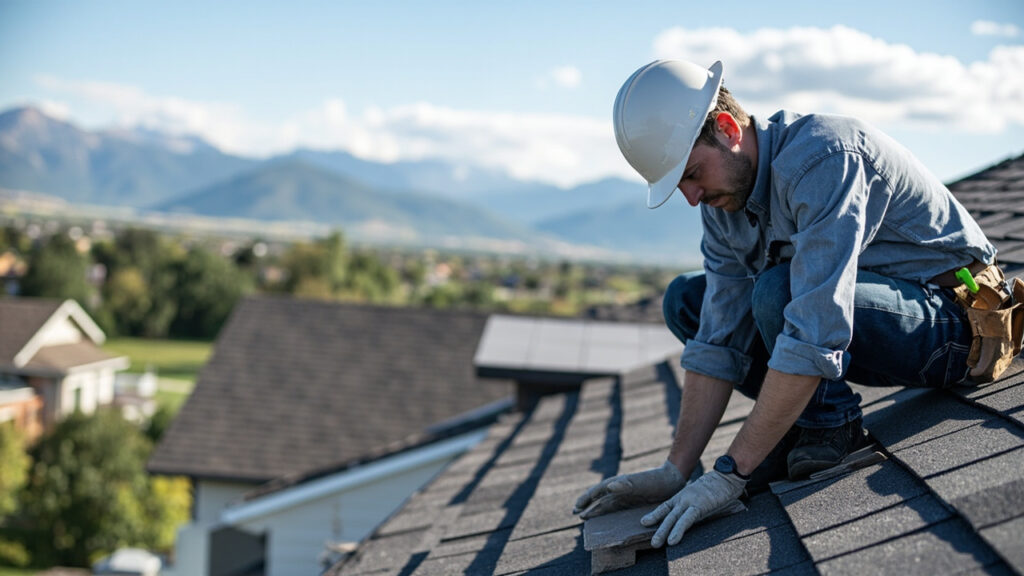
Choosing Between Asphalt Shingles and Metal Roofing for Your Denver Home
Your roof faces Colorado’s most punishing weather. Hail storms batter the Front Range from May through August. Winter brings heavy snow loads and rapid freeze-thaw cycles. Summer heat at 5,280 feet pounds materials with intense UV radiation. The wrong choice means replacing your roof years early.. Read more about Choosing a Roof Color That Won’t Make Your West Highland Home Overheat.
This guide cuts through marketing claims to show you exactly how asphalt shingles and metal roofing perform in Denver’s specific conditions. You’ll learn which material handles hail better. You’ll see real cost differences between neighborhoods like Lakewood and Westminster. Most importantly, you’ll understand which option protects your home and wallet over the next 20 to 50 years. Roofing Sheridan.
Denver Weather: The Ultimate Test for Your Roof
Colorado sits in Hail Alley. The Front Range sees more severe hail events than anywhere else in the continental United States. Denver averages three to four major hail storms annually. These storms produce hailstones ranging from quarter-sized to baseball-sized projectiles traveling at highway speeds.
High altitude intensifies UV damage. Denver receives 25% more UV radiation than cities at sea level. This breaks down asphalt shingles faster. The intense sunlight also heats metal panels dramatically, causing expansion and contraction that stresses fasteners and seams.
Winter creates different challenges. Denver’s freeze-thaw cycles cause materials to expand and contract repeatedly. Ice damming forms when snow melts on warm roof sections and refreezes at cold eaves. This forces water under shingles and into your home.
Wind patterns matter too. Chinook winds sweeping down from the mountains create uplift forces that can tear poorly installed materials. The combination of these factors means Denver roofs need specialized engineering not required in milder climates.
Asphalt Shingles: Cost-Effective Reliability for Mile High Homes
Asphalt shingles dominate Denver’s residential market for good reasons. They cost less upfront. Installation moves quickly. They work with most home styles from mid-century modern in Englewood to craftsman bungalows in Westminster. Roofing Englewood.
Three-tab shingles represent the budget option. They install in layers with overlapping tabs creating a uniform pattern. These typically last 15 to 20 years in Denver’s harsh climate. Architectural shingles add dimensional texture and better durability. Their laminated construction resists wind uplift better and often carries 30-year warranties.
Impact-resistant shingles earn Class 4 ratings under UL 2218 testing. These survive steel ball drops from specific heights without cracking. Many Denver insurance companies offer premium discounts for Class 4 installations. The investment often pays for itself through reduced premiums and fewer claims.
Installation timing affects performance. Denver’s summer heat makes shingles more pliable and easier to seal. Winter installations require special adhesives since temperatures drop below the 40-degree threshold where standard sealants work properly.
Ventilation becomes critical at altitude. Poor attic airflow causes asphalt shingles to overheat and deteriorate prematurely. Denver building codes often require specific ridge vent configurations to handle the extreme temperature swings.
Metal Roofing: The Premium Choice for Durability and Efficiency
Metal roofing delivers exceptional longevity in Colorado’s climate. Standing seam systems use hidden fasteners that eliminate leak points. The panels lock together creating a monolithic surface that sheds snow and ice efficiently.. Read more about The Best Solar Roofing Options for Energy Efficient Denver Homes.
Steel panels receive protective coatings like Galvalume or Kynar. These resist corrosion from Denver’s occasional acid rain and protect against UV degradation. Aluminum offers lighter weight and superior corrosion resistance for coastal proximity or severe weather zones.
Exposed fastener systems cost less but require more maintenance. The screws penetrate the panels creating potential leak points. Temperature cycling causes screws to back out over time. These systems work better for agricultural buildings than primary residences.
Metal reflects solar radiation rather than absorbing it. This keeps attics cooler in summer reducing air conditioning costs. The temperature difference can reach 20 to 30 degrees compared to asphalt shingles. In winter, metal sheds snow loads preventing dangerous accumulation.
Expansion and contraction create engineering challenges. Denver sees temperature swings of 50 degrees or more in a single day. Metal panels can expand several inches seasonally. Professional installation includes floating clip systems and proper spacing to accommodate this movement.
Fire resistance provides peace of mind. Class A fire ratings protect against wildfires common in Colorado’s foothills. Metal won’t ignite from wind-blown embers or lightning strikes.
Side-by-Side Comparison: Cost, Lifespan, and Maintenance
Initial costs differ dramatically between materials. Asphalt shingles typically run $350 to $500 per square in the Denver metro area. A square covers 100 square feet of roof surface. Metal roofing ranges from $800 to $1,500 per square depending on the system complexity.
Labor rates affect total project costs. Denver’s construction boom has increased roofing labor rates by 15% over the past three years. Metal installation requires specialized skills and tools adding to labor expenses.
Lifespan calculations reveal true value. Asphalt shingles last 15 to 30 years in Denver. Metal roofing systems often exceed 50 years with minimal maintenance. Over a 50-year period, you might replace asphalt shingles two to three times while metal remains intact.
Maintenance requirements differ significantly. Asphalt shingles need periodic inspections for wind damage, algae growth, and granule loss. Metal roofing requires checking fasteners and sealant integrity every few years. The maintenance cost difference often favors metal over the long term.
Energy efficiency impacts operating costs. Metal’s reflective properties can reduce cooling costs by 20% during Denver’s hot summers. The savings accumulate over decades potentially offsetting the higher initial investment.
| Factor | Asphalt Shingles | Metal Roofing |
|---|---|---|
| Initial Cost per Square | $350-$500 | $800-$1,500 |
| Expected Lifespan | 15-30 years | 50+ years |
| Annual Energy Savings | $0-$50 | $100-$300 |
| Insurance Premium Credit | 0-15% | 0-25% |
| Installation Time | 1-3 days | 3-7 days |
The Hail Factor: Which Material Holds Up Better in the Front Range?
Hail damage determines whether you need a full roof replacement or just repairs. Class 4 impact-resistant shingles earn their rating by surviving steel ball impacts without cracking. These specialized shingles add $100 to $200 per square to material costs but often qualify for insurance discounts. EPA energy efficiency guidelines.
Metal roofing handles hail differently. Steel panels dent from large hailstones but maintain watertight integrity. The dents remain cosmetic rather than structural. Aluminum and copper resist denting better than steel but cost significantly more.
Testing standards reveal performance differences. UL 2218 Class 4 testing drops steel balls from heights up to 20 feet. Class 3 shingles survive smaller impacts. Many Denver insurance companies now require Class 4 ratings for new installations in hail-prone areas.
Real-world performance varies by storm intensity. Small hail causes minimal damage to either material. Baseball-sized hail can penetrate standard asphalt shingles and dent metal severely. The key difference: damaged asphalt shingles leak while dented metal continues protecting your home.
Insurance claim patterns show interesting trends. Homes with Class 4 shingles file fewer claims over 20 years. The premium discounts often offset the higher material costs. Metal roofs rarely generate insurance claims since they maintain functionality despite cosmetic damage.
Energy Efficiency and ROI in the Denver Climate
Denver’s temperature extremes create unique energy challenges. Summer temperatures exceed 90 degrees Fahrenheit while winter nights drop below freezing. Your roof must handle both conditions efficiently.
Metal roofing’s solar reflectance index (SRI) typically ranges from 40 to 70. Higher numbers indicate better heat reflection. Standard asphalt shingles have SRIs around 20 to 30. The difference means metal roofs absorb less heat keeping attics cooler.
Thermal emittance affects how quickly materials release absorbed heat. Metal releases heat rapidly after sunset. Asphalt retains heat longer continuing to warm your home into the evening. This difference impacts cooling costs during Denver’s hot summer nights.
Winter performance reverses some advantages. Metal’s smooth surface sheds snow preventing ice dam formation. The snow slides off before it can melt and refreeze at eaves. This protects against water infiltration that damages both roofs and interiors.
ROI calculations depend on your timeline. Over 15 years, asphalt shingles often provide better returns due to lower initial costs. Beyond 20 years, metal’s energy savings and longevity typically generate superior returns. Your specific situation depends on energy rates, roof size, and how long you plan to own the home.
Resale value impacts ROI calculations. Metal roofing can increase home values by 1% to 6% according to some studies. The premium depends on your neighborhood and buyer preferences. In areas like Cherry Creek or Highlands Ranch, metal roofs often command higher resale premiums. Getting Your Highlands Ranch Roof Replaced After a Major Hail Storm.
Verdict: Choosing the Right Roof for Your Neighborhood
Your decision depends on several factors unique to your situation. Budget constraints matter significantly. If you plan to move within five years, asphalt shingles usually make more financial sense. The lower initial cost and adequate lifespan match short-term ownership plans.
Long-term ownership favors metal roofing. If you plan to stay 20+ years or want to minimize maintenance, metal delivers superior value. The energy savings accumulate while you avoid replacement costs that asphalt owners face repeatedly. How Much a Full Roof Replacement Actually Costs in Denver Right Now.
Neighborhood characteristics influence material choices. Some Denver HOAs restrict metal roofing colors or styles. Areas with historic designations may limit material options to maintain architectural consistency. Check your HOA covenants before making final decisions.
Insurance considerations play a major role. Homes in hail-prone areas benefit from Class 4 impact resistance. The premium discounts often offset the higher material costs within a few years. Your insurance agent can provide specific discount information for your property.
Environmental factors matter to many homeowners. Metal roofing contains recycled content and fully recycles at end of life. Asphalt shingles typically end up in landfills. Denver’s growing emphasis on sustainable building practices makes metal more attractive to environmentally conscious buyers.
Installation timing affects costs and availability. Denver’s roofing season runs from April through October. Winter installations cost more due to cold-weather precautions. Material lead times extend during peak season. Plan your project accordingly to avoid premium pricing.
Professional installation determines performance regardless of material choice. Denver’s extreme climate requires experienced contractors familiar with local building codes and weather challenges. Poor installation voids warranties and creates leak risks that cost thousands to repair.
Ready to make your decision? Call Apex Roofing Denver at (720) 484-8300 for a free consultation. We’ll evaluate your specific home, discuss material options, and provide detailed cost comparisons. Our team has installed hundreds of roofs throughout Lakewood, Westminster, and the greater Denver area. We understand exactly what each material needs to perform in Colorado’s unique climate.
Don’t wait until storm season to discover your roof can’t handle Denver’s weather. Schedule your assessment today and protect your home with the right roofing material for your needs and budget. For more information, visit FEMA hail damage resources.