
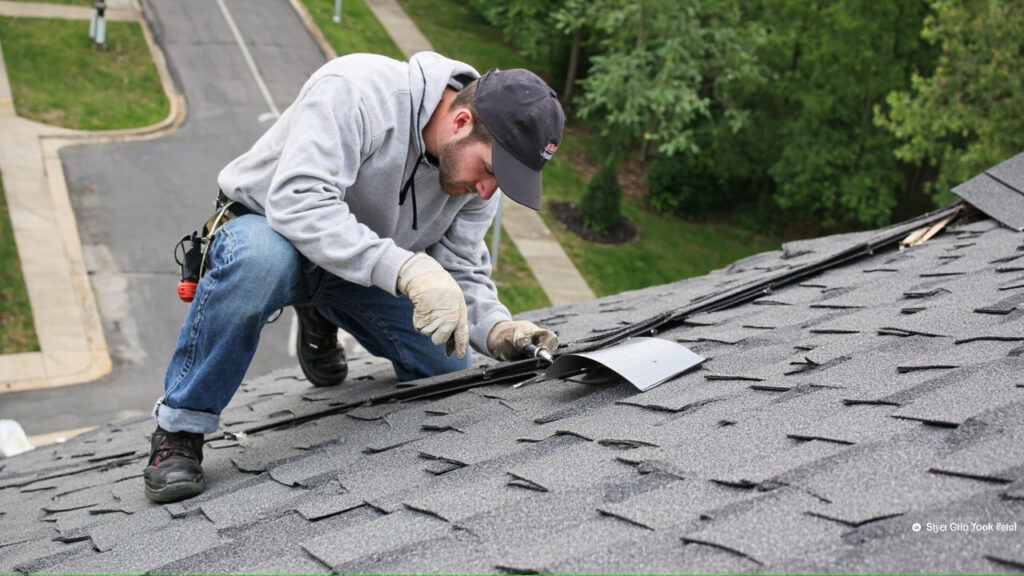
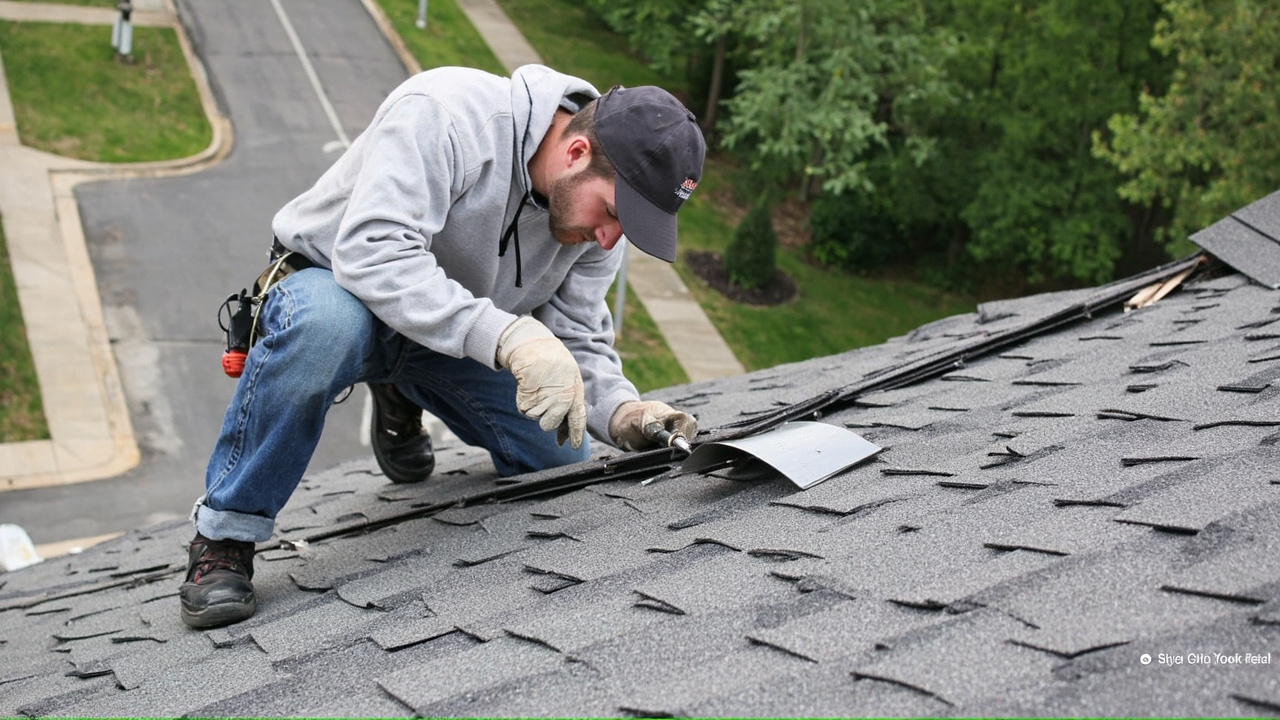
Improving Attic Ventilation to Cool Down Your Englewood Home
Living in Englewood means dealing with Colorado’s intense summer heat and winter freeze-thaw cycles. Your attic acts as the buffer zone between your living space and the roof, and without proper ventilation, it becomes a heat trap that drives up cooling costs and shortens your roof’s lifespan. Roofing Englewood.
Many homes in Englewood, particularly those built before 2000, suffer from inadequate attic airflow. This creates a cascade of problems: excessive heat buildup during summer months, moisture accumulation that leads to mold growth, and ice dam formation in winter. The solution isn’t just about comfort—it’s about protecting your investment and improving your home’s energy efficiency.
How Attic Ventilation Works in Colorado’s Climate
Attic ventilation operates on a simple principle: balanced airflow. Cool air enters through intake vents (typically soffit vents along the eaves) while warm, moist air exits through exhaust vents (ridge vents, gable vents, or powered fans). This continuous exchange prevents heat and moisture from accumulating in your attic space.
In Englewood’s high-altitude environment, this system faces unique challenges. At 5,280 feet above sea level, UV radiation is 25% stronger than at sea level, meaning your attic heats up faster. The rapid temperature swings between day and night—often 40-50 degrees in a single day—create expansion and contraction cycles that stress roofing materials. Roofing Sheridan.
During summer, an unventilated attic can reach temperatures of 150-160 degrees Fahrenheit. This heat radiates downward into your living space, forcing your air conditioning system to work harder. In winter, warm air from your home rises into the cold attic, where it meets freezing roof surfaces and creates condensation—the perfect breeding ground for mold and the precursor to ice dams.
Common Ventilation Problems in Englewood Homes
Many Englewood homes, especially those in established neighborhoods like downtown Englewood and the areas near South Broadway, were built when building codes were less stringent about ventilation requirements. These homes often have one or more of these issues:
- Blocked soffit vents from insulation that has fallen into the eave space
- Inadequate exhaust venting for the attic’s square footage
- Mismatched intake and exhaust ratios that create negative pressure
- Non-functioning powered vents due to electrical issues or motor failure
Mid-century ranch homes in Englewood, common in areas like the Belleview Avenue corridor, often have minimal attic ventilation by modern standards. These homes were designed for a different era when energy efficiency wasn’t a primary concern.
Newer construction in Englewood isn’t immune either. Some builders cut corners on ventilation to reduce costs, resulting in homes that meet minimum code but struggle with moisture management during Colorado’s heavy snow years.. Read more about Choosing a Roof Color That Won’t Make Your West Highland Home Overheat.
Types of Attic Ventilation Systems
Understanding your options helps you make informed decisions about improving your home’s ventilation. Each system has specific applications and benefits for Englewood’s climate.
Ridge Vents
Ridge vents run along the peak of your roof, providing continuous exhaust ventilation. When properly installed with adequate soffit intake, they create natural convection that moves air efficiently through the attic. In Englewood, ridge vents work exceptionally well because they’re less susceptible to wind-driven snow and ice than other exhaust options.
Soffit Vents
Soffit vents are the intake side of your ventilation system. They’re installed in the eaves and allow cool air to enter the attic at the lowest point. For Englewood homes, proper soffit ventilation is critical because it ensures that replacement air enters the attic without creating negative pressure that can pull conditioned air from your living space. How Much a Full Roof Replacement Actually Costs in Denver Right Now.
Gable Vents
Gable vents are installed in the triangular wall sections at the ends of your attic. While they can provide ventilation, they’re less efficient than ridge and soffit systems in Englewood’s climate because they don’t create the same natural airflow patterns and can allow snow to enter during winter storms.
Solar-Powered Attic Fans
Solar-powered fans provide active ventilation without increasing your electric bill. They’re particularly effective in Englewood during summer months when solar radiation is intense. These fans can reduce attic temperatures by 20-30 degrees on hot days, significantly decreasing the heat load on your air conditioning system.
Electric Powered Attic Fans
Electric fans offer more consistent performance than solar options but increase your energy consumption. They’re best suited for homes with complex roof designs or those in areas of Englewood where solar exposure is limited by tree cover or building orientation.
Calculating Proper Ventilation for Your Englewood Home
Building codes in Arapahoe County require 1 square foot of net free ventilation area for every 300 square feet of attic floor space when using a balanced system. This ratio changes to 1:150 if you’re only using exhaust vents or if your home has a vapor barrier.
Net Free Area (NFA) is the actual open area through which air can pass, accounting for louvers, screens, and other obstructions. Many homeowners install what they think is adequate ventilation only to discover their system provides half the required NFA.
For a typical Englewood home with 1,500 square feet of attic space, you’d need 5 square feet of net free ventilation area. This should be split between intake and exhaust—2.5 square feet each—to maintain balanced airflow. If your current system falls short of these requirements, you’re likely experiencing the negative effects of poor ventilation.
Ice Dam Prevention Through Proper Ventilation
Ice dams form when heat escaping from your living space melts snow on the roof, which then refreezes at the colder eaves. This creates a dam that traps water, potentially causing leaks and structural damage. Englewood homes are particularly vulnerable because of the area’s frequent freeze-thaw cycles during winter months. Fixing Flat Roof Leaks in LoHi and Modern Denver Homes.
Proper ventilation prevents ice dams by maintaining a cold roof temperature. When your attic stays close to the outside air temperature, snow on your roof remains frozen until temperatures rise above freezing. This simple principle can save you thousands in potential water damage repairs.
The solution involves more than just adding vents. You need to address air leaks from your living space into the attic, ensure adequate insulation (typically R-38 to R-49 for Englewood’s climate zone), and create proper ventilation pathways. This comprehensive approach is why many Englewood homeowners see immediate improvements after a professional ventilation assessment.
Energy Efficiency Benefits for Englewood Homeowners
Improving your attic ventilation can reduce cooling costs by 10-15% during Englewood’s hot summer months. The savings are most noticeable in homes with HVAC systems located in the attic, where extreme temperatures force air conditioners to work overtime.
Beyond direct energy savings, proper ventilation extends the life of your roofing materials. Asphalt shingles in Englewood’s high UV environment can deteriorate prematurely when exposed to excessive attic heat. The constant expansion and contraction from temperature swings weakens the adhesive bonds and causes cracking.
Xcel Energy offers rebates for certain energy-efficient home improvements, including some ventilation upgrades. While specific programs change annually, Englewood homeowners can often receive credits for installing Energy Star certified ventilation products or solar-powered attic fans.
The Ventilation Assessment Process
A professional ventilation assessment for your Englewood home involves several key steps to identify problems and recommend solutions.
- Attic Inspection
Technicians examine your attic space for existing ventilation, moisture damage, and insulation issues. They check for blocked soffit vents, inadequate exhaust, and signs of moisture problems like mold or water stains.
- Ventilation Calculation
Using your home’s square footage and roof design, professionals calculate the required Net Free Area and compare it to your current system’s capacity. This reveals whether you’re meeting building code requirements.
- Airflow Analysis
Technicians assess the balance between intake and exhaust ventilation. An imbalanced system can create negative pressure that pulls conditioned air from your living space, reducing efficiency and increasing energy costs.
- Moisture and Temperature Monitoring
Using specialized equipment, professionals measure attic temperature and humidity levels. This data helps identify whether your current ventilation adequately manages moisture and heat.
- Recommendations and Installation Plan
Based on the assessment, technicians provide specific recommendations for improving your ventilation system. This might include adding soffit vents, installing ridge vents, or upgrading to solar-powered fans.
Building Code Requirements for Englewood Homes
Arapahoe County follows the International Residential Code with local amendments specific to Colorado’s climate. For Englewood homes, this means meeting certain ventilation standards that many older homes don’t satisfy.. Read more about The Most Trusted Local Roofers Serving Littleton and South Denver.
The code requires ventilation openings to be protected by corrosion-resistant screening with openings of 1/4 inch or less. This prevents pests from entering while maintaining airflow. Additionally, ventilation must be evenly distributed between the lowest and highest points of the roof to create effective air movement.
For Englewood’s climate zone, building codes also specify minimum insulation requirements that work in conjunction with ventilation. Without proper insulation, even the best ventilation system can’t prevent heat loss in winter or heat gain in summer.
Cost Factors for Ventilation Improvements
The cost of improving your attic ventilation depends on several factors specific to your Englewood home. Simple improvements like clearing blocked soffit vents might cost a few hundred dollars, while comprehensive system upgrades can run $2,000-$5,000.
Factors affecting cost include your roof’s design complexity, the accessibility of your attic space, whether you need electrical work for powered fans, and the quality of materials selected. Homes in historic districts of Englewood might face additional constraints that affect installation options.
While the upfront cost might seem significant, most Englewood homeowners recover their investment through energy savings within 3-5 years. The added benefit of preventing moisture damage and extending roof life provides additional long-term value.
Choosing the Right Ventilation Solution for Your Home
The best ventilation solution for your Englewood home depends on your specific situation. A 1950s ranch in downtown Englewood has different needs than a newer construction in the northern part of the city.
Consider these factors when evaluating options: your home’s age and construction style, existing ventilation components, attic floor area, roof pitch, and your energy efficiency goals. Homes with complex rooflines or multiple valleys might benefit from a combination of ventilation types rather than a single solution.
Professional assessment is crucial because improper ventilation can actually worsen problems. For example, adding exhaust vents without adequate intake can create negative pressure that pulls conditioned air from your living space, increasing energy costs rather than reducing them.
Maintenance and Long-Term Care
Once you’ve improved your attic ventilation, regular maintenance ensures it continues working effectively. Englewood’s climate creates specific maintenance needs throughout the year.
Spring is ideal for checking that winter storms haven’t damaged vents or allowed debris to accumulate. Summer requires monitoring that powered fans are functioning correctly during peak heat. Fall is the time to ensure leaves and debris haven’t blocked soffit vents, and winter calls for watching for ice dam formation that might indicate ventilation problems.
Most ventilation components need minimal maintenance beyond occasional cleaning. However, powered fans have motors that may need replacement every 5-10 years, and ridge vents can become damaged by severe weather or UV degradation over time. Industrial Roof Replacement.
Frequently Asked Questions
How do I know if my Englewood home has adequate attic ventilation?
Signs of inadequate ventilation include high cooling bills, hot upper floors during summer, ice dam formation in winter, and moisture or mold in your attic. A professional assessment can measure your actual ventilation capacity against building code requirements.
Can I install additional ventilation myself?
While some ventilation improvements are DIY-friendly, improper installation can create more problems than it solves. Cutting into your roof without proper flashing can cause leaks, and imbalanced systems can increase energy costs. Professional installation ensures your system meets building codes and functions as designed.
Will improving ventilation lower my energy bills?
Yes, proper ventilation can reduce cooling costs by 10-15% in Englewood homes. The exact savings depend on your home’s size, current ventilation condition, and energy rates. Homes with HVAC systems in the attic typically see the greatest benefits.
How long does ventilation improvement take?
Most ventilation projects in Englewood can be completed in one day. Simple repairs like clearing blocked vents take just a few hours, while comprehensive system upgrades might require 6-8 hours depending on roof complexity and weather conditions.
Are there any Englewood-specific rebates for ventilation improvements?
While Englewood doesn’t offer city-specific rebates, Xcel Energy provides incentives for certain energy-efficient home improvements. Additionally, federal tax credits may be available for solar-powered ventilation products. Check with local utility providers for current programs.

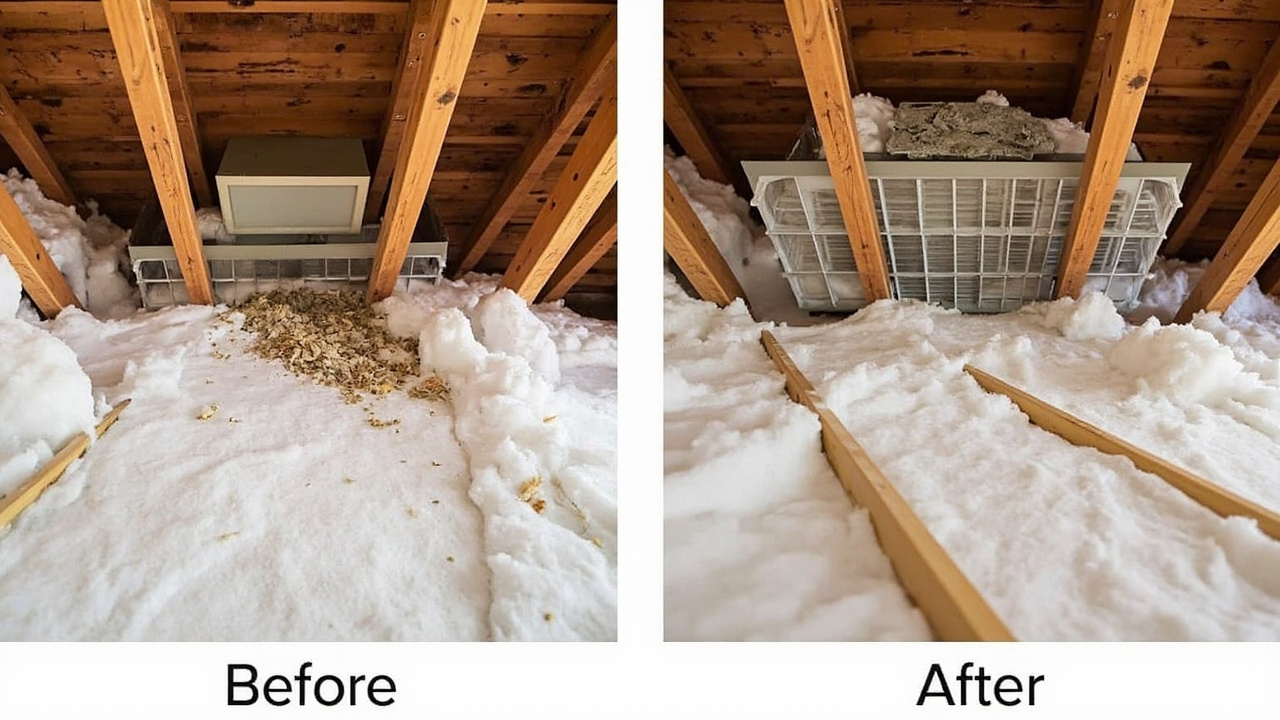
Improving your attic ventilation is one of the most cost-effective ways to enhance your Englewood home’s comfort and efficiency. Whether you’re dealing with high cooling bills, ice dam concerns, or simply want to extend your roof’s lifespan, proper ventilation provides measurable benefits that pay for themselves over time.
Don’t let another summer of heat buildup or winter of ice dams damage your home. Contact a local ventilation specialist to assess your current system and recommend improvements tailored to Englewood’s unique climate challenges.
Ready to improve your attic ventilation? Call (720) 484-8300 today for a free Englewood home assessment and take the first step toward a cooler, more efficient home. For more information, visit U.S. Department of Energy attic ventilation guide. For more information, visit FEMA ice dam prevention guide.
{
“@context”: “https://schema.org”,
“@type”: “BlogPosting”,
“headline”: “Improving Attic Ventilation to Cool Down Your Englewood Home”,
“description”: “Discover how proper attic ventilation reduces cooling costs and prevents damage in Englewood homes. Learn about local building codes, ice dam prevention, and energy-efficient solutions.”,
“wordCount”: 2188,
“datePublished”: “2026-03-04T13:28:00.000Z”,
“dateModified”: “2026-03-04T13:28:00.000Z”,
“inLanguage”: “en-US”,
“mainEntityOfPage”: {
“@type”: “WebPage”,
“@id”: “https://apexroofingdenver.com”
},
“publisher”: {
“@type”: “LocalBusiness”,
“name”: “Apex Roofing Denver”,
“url”: “https://apexroofingdenver.com”
},
“author”: {
“@type”: “Organization”,
“name”: “Apex Roofing Denver”,
“url”: “https://apexroofingdenver.com”
},
“image”: {
“@type”: “ImageObject”,
“url”: “https://apexroofingdenver.com/wp-content/uploads/2026/03/improving-attic-ventilation-to-cool-down-your-engl-1.jpg”
}
}
{
“@context”: “https://schema.org”,
“@type”: “RoofingContractor”,
“name”: “Apex Roofing Denver”,
“url”: “https://apexroofingdenver.com”,
“address”: {
“@type”: “PostalAddress”,
“addressLocality”: “Denver”
},
“areaServed”: {
“@type”: “City”,
“name”: “Denver”
}
}
{
“@context”: “https://schema.org”,
“@type”: “FAQPage”,
“mainEntity”: [
{
“@type”: “Question”,
“name”: “How do I know if my Englewood home has adequate attic ventilation?”,
“acceptedAnswer”: {
“@type”: “Answer”,
“text”: “Signs of inadequate ventilation include high cooling bills, hot upper floors during summer, ice dam formation in winter, and moisture or mold in your attic. A professional assessment can measure your actual ventilation capacity against building code requirements.”
}
},
{
“@type”: “Question”,
“name”: “Can I install additional ventilation myself?”,
“acceptedAnswer”: {
“@type”: “Answer”,
“text”: “While some ventilation improvements are DIY-friendly, improper installation can create more problems than it solves. Cutting into your roof without proper flashing can cause leaks, and imbalanced systems can increase energy costs. Professional installation ensures your system meets building codes and functions as designed.”
}
},
{
“@type”: “Question”,
“name”: “Will improving ventilation lower my energy bills?”,
“acceptedAnswer”: {
“@type”: “Answer”,
“text”: “Yes, proper ventilation can reduce cooling costs by 10-15% in Englewood homes. The exact savings depend on your home’s size, current ventilation condition, and energy rates. Homes with HVAC systems in the attic typically see the greatest benefits.”
}
},
{
“@type”: “Question”,
“name”: “How long does ventilation improvement take?”,
“acceptedAnswer”: {
“@type”: “Answer”,
“text”: “Most ventilation projects in Englewood can be completed in one day. Simple repairs like clearing blocked vents take just a few hours, while comprehensive system upgrades might require 6-8 hours depending on roof complexity and weather conditions.”
}
},
{
“@type”: “Question”,
“name”: “Are there any Englewood-specific rebates for ventilation improvements?”,
“acceptedAnswer”: {
“@type”: “Answer”,
“text”: “While Englewood doesn’t offer city-specific rebates, Xcel Energy provides incentives for certain energy-efficient home improvements. Additionally, federal tax credits may be available for solar-powered ventilation products. Check with local utility providers for current programs.”
}
}
]
}
{
“@context”: “https://schema.org”,
“@type”: “HowTo”,
“name”: “Professional Ventilation Assessment Process”,
“step”: [
{
“@type”: “HowToStep”,
“position”: 1,
“name”: “Attic Inspection”,
“text”: “Technicians examine your attic space for existing ventilation, moisture damage, and insulation issues. They check for blocked soffit vents, inadequate exhaust, and signs of moisture problems like mold or water stains.”
},
{
“@type”: “HowToStep”,
“position”: 2,
“name”: “Ventilation Calculation”,
“text”: “Using your home’s square footage and roof design, professionals calculate the required Net Free Area and compare it to your current system’s capacity. This reveals whether you’re meeting building code requirements.”
},
{
“@type”: “HowToStep”,
“position”: 3,
“name”: “Airflow Analysis”,
“text”: “Technicians assess the balance between intake and exhaust ventilation. An imbalanced system can create negative pressure that pulls conditioned air from your living space, reducing efficiency and increasing energy costs.”
},
{
“@type”: “HowToStep”,
“position”: 4,
“name”: “Moisture and Temperature Monitoring”,
“text”: “Using specialized equipment, professionals measure attic temperature and humidity levels. This data helps identify whether your current ventilation adequately manages moisture and heat.”
},
{
“@type”: “HowToStep”,
“position”: 5,
“name”: “Recommendations and Installation Plan”,
“text”: “Based on the assessment, technicians provide specific recommendations for improving your ventilation system. This might include adding soffit vents, installing ridge vents, or upgrading to solar-powered fans.”
}
],
“image”: “https://apexroofingdenver.com/wp-content/uploads/2026/03/improving-attic-ventilation-to-cool-down-your-engl-1.jpg”
}
{
“@context”: “https://schema.org”,
“@type”: “BreadcrumbList”,
“itemListElement”: [
{
“@type”: “ListItem”,
“position”: 1,
“name”: “Home”,
“item”: “https://apexroofingdenver.com”
},
{
“@type”: “ListItem”,
“position”: 2,
“name”: “Blog”,
“item”: “https://apexroofingdenver.com/blog”
},
{
“@type”: “ListItem”,
“position”: 3,
“name”: “Improving Attic Ventilation to Cool Down Your Englewood Home”
}
]
}
{
“@context”: “https://schema.org”,
“@type”: “Service”,
“serviceType”: “Roofing”,
“provider”: {
“@type”: “LocalBusiness”,
“name”: “Apex Roofing Denver”,
“url”: “https://apexroofingdenver.com”
},
“areaServed”: {
“@type”: “City”,
“name”: “Denver”
},
“description”: “Discover how proper attic ventilation reduces cooling costs and prevents damage in Englewood homes. Learn about local building codes, ice dam prevention, and energy-efficient solutions.”
}