





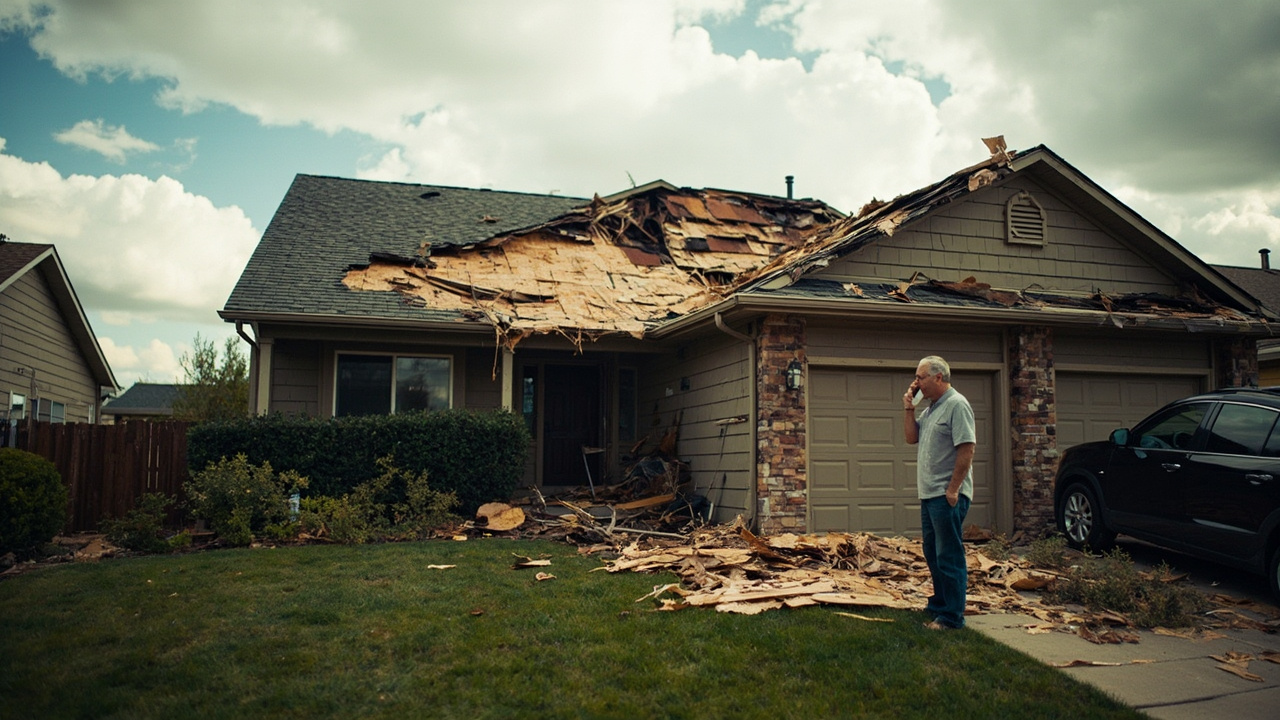
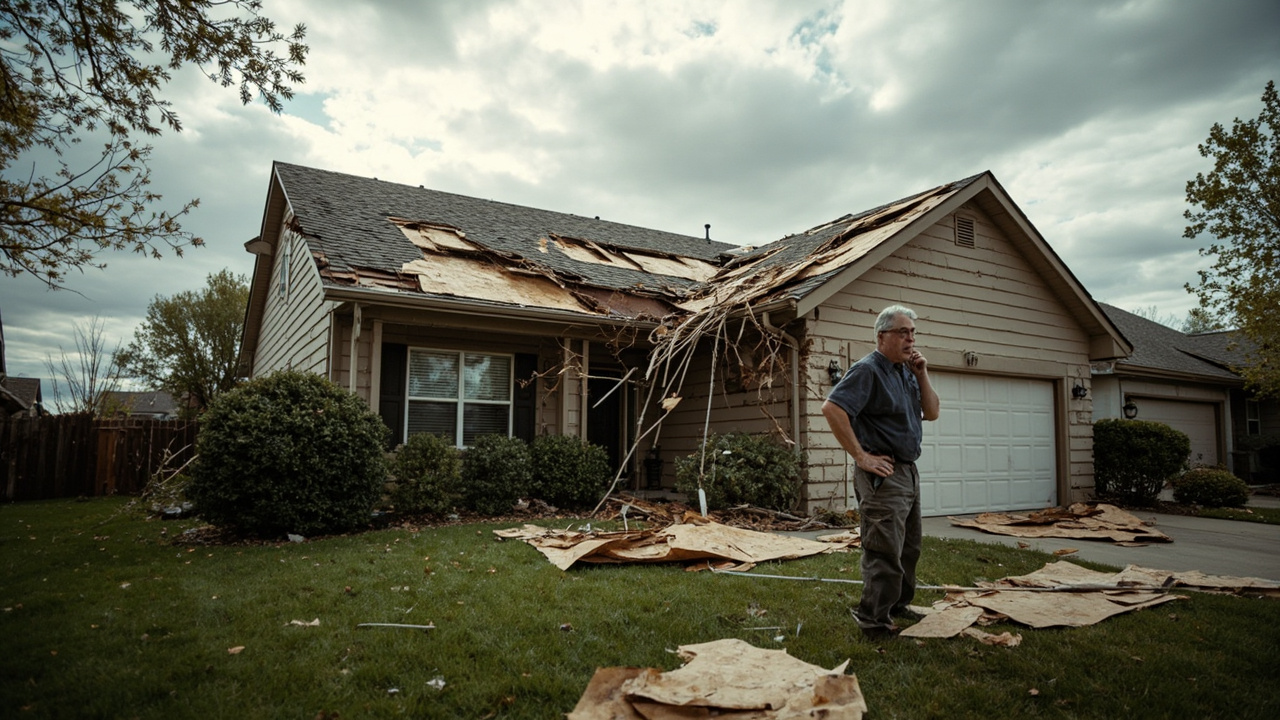
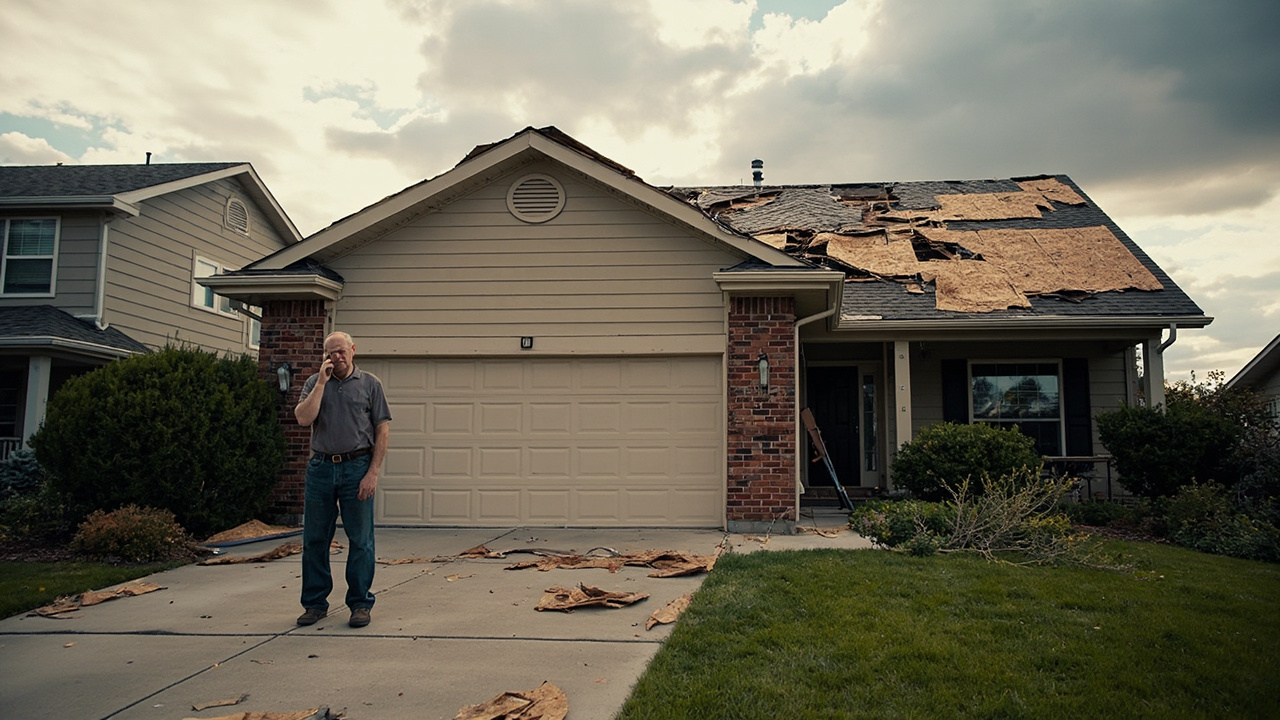
Denver sits directly east of the Continental Divide, where downslope Chinook winds accelerate as they descend from mountain elevations. These sudden wind events can reach 80 to 100 mph in exposed areas, creating uplift forces that exceed standard shingle fastening specifications. Unlike coastal hurricane zones with advance warning systems, Front Range wind storms develop quickly and strike without much notice. This means your roof takes full force impacts before you can prepare. Neighborhoods along the western edges of suburbs like Arvada, Lakewood, and Golden face the strongest gusts. Homes built before 2010 often lack high-wind rated shingles or upgraded fastening patterns now required by code. This combination of extreme wind exposure and older construction standards makes emergency wind roof repair a critical service for protecting Denver homes from rapid weather-related deterioration.
Denver's building codes evolved significantly after major wind events damaged thousands of roofs across the metro area. Current requirements mandate specific fastening patterns and materials in high-wind zones, but existing homes are not required to retrofit unless they undergo major renovation. This creates a gap where older roofs remain vulnerable. Apex Roofing Denver stays current with Denver's inspection protocols and material specifications so every repair meets modern standards even when replacing sections of older roofs. Our familiarity with local inspection processes means your wind damage repairs pass city reviews without delays. Insurance companies also recognize local contractors who understand regional claim documentation requirements and can advocate effectively when adjusters question repair necessity or scope.