
Why Your Steeper Roof in Congress Park Requires Special Safety Equipment and Expertise
Steep-slope roofs in Congress Park present unique challenges that demand specialized safety equipment and expert knowledge. The historic character of this Denver neighborhood means many homes feature high-pitch designs that standard roofing crews simply cannot handle safely. Denver Building Department requirements.
Roof pitch directly impacts worker safety and installation quality. Anything above a 4:12 pitch creates fall hazards that require OSHA-compliant fall protection systems. In Congress Park’s older homes you will often find pitches ranging from 6:12 to 12:12 or steeper where the roof rises 6 to 12 inches for every 12 inches of horizontal run. OSHA roofing safety guidelines.
Standard roofing practices do not apply here. The steeper the slope the more critical specialized equipment becomes. Without proper harnesses scaffolding and experienced crews steep-slope work becomes dangerous and can lead to costly mistakes or injuries. Roofing Sheridan.
Understanding Roof Pitch and Safety Requirements
Roof pitch determines everything about how a roof gets installed. A 4:12 pitch marks the threshold where standard walking becomes unsafe. In Congress Park many Victorian and craftsman-style homes exceed this threshold significantly.
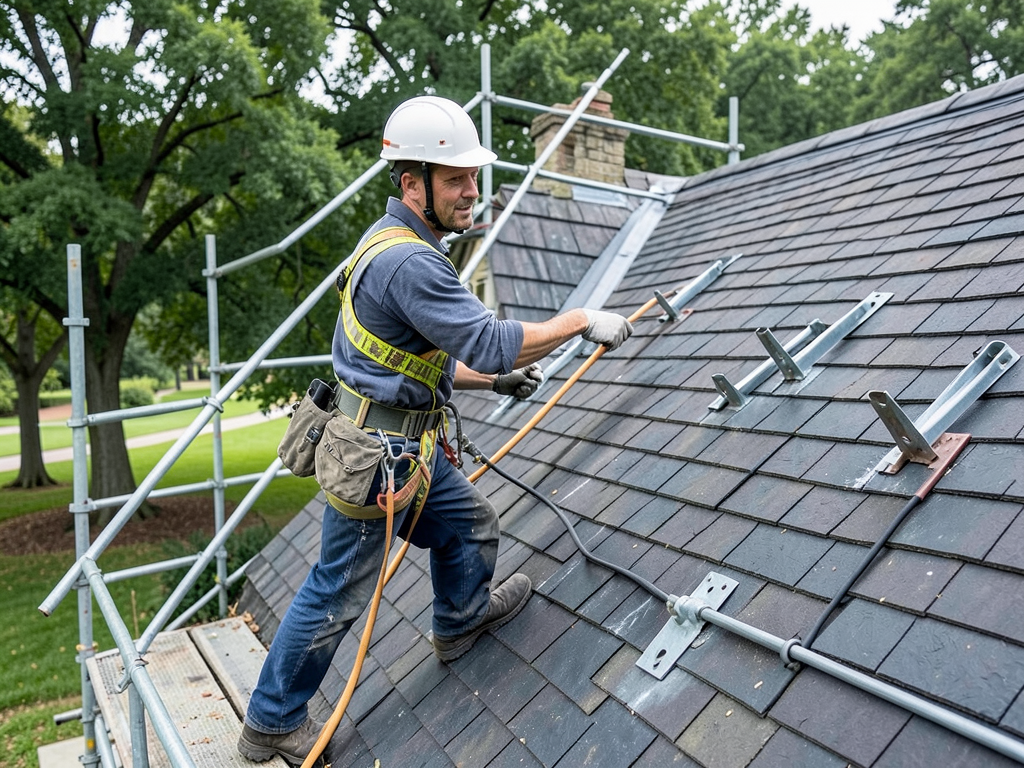
For pitches between 4:12 and 6:12 workers need fall protection equipment but can often work without scaffolding. Once you exceed 6:12 scaffolding becomes essential. At 8:12 and above specialized equipment like roof brackets and toe boards become mandatory for safe access.. Read more about How to Hang Holiday Lights on Your Roof Without Damaging the Shingles or Gutters.
The physics change dramatically with steeper pitches. Gravity creates greater force on workers and materials. Wind resistance increases exponentially. Snow and ice accumulation patterns shift creating different load distributions across the roof surface.
Essential Safety Equipment for Steep-Slope Roofing
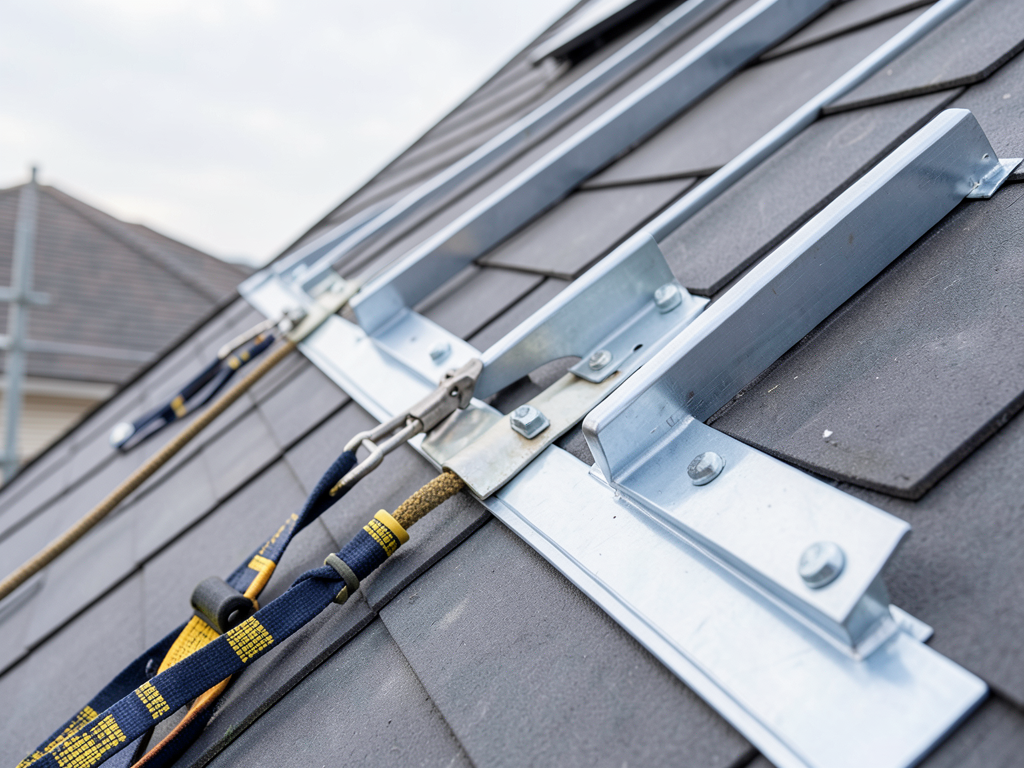
Professional steep-slope roofing requires comprehensive safety systems. Full-body harnesses with shock-absorbing lanyards connect to permanent roof anchors or temporary systems rated for 5000 pounds of force. Roofing Englewood.
Roof brackets provide stable platforms for workers to stand and place materials. These adjustable brackets attach to the roof deck and support planks that create temporary walking surfaces. Without them workers must crawl or use extreme caution slowing the entire project.
Scaffolding systems for steep slopes differ from standard scaffolding. They must get engineered to handle the roof’s angle and provide stable access points. Many contractors use rolling scaffolding with outriggers for added stability on Congress Park’s uneven historic lots.
Specialized tools include roofing brackets with non-slip surfaces extension ladders with roof hooks and material hoists to lift shingles and supplies without risking worker safety on steep inclines.
Denver Building Code Requirements for Steep Slopes
Denver’s building code specifically addresses steep-slope roofing through the International Building Code and International Residential Code adoption. For pitches above 4:12 contractors must follow specific installation methods and safety protocols. National Roofing Contractors Association.
Ice and water shield requirements increase with roof pitch. Denver County mandates ice and water shield in valleys and along eaves for all roofs but steep slopes in Congress Park often require full coverage due to ice damming risks in the neighborhood’s mature tree canopy.
Ventilation requirements also change with pitch. Steeper roofs create different air flow patterns in attics requiring specialized intake and exhaust calculations. Improper ventilation on steep slopes can lead to moisture problems and reduced shingle life.. Read more about Solving Common Roof Problems Found in Older Victorian Homes in the Baker Neighborhood.
Permit requirements for steep-slope work include detailed plans showing safety equipment placement material specifications and installation methods. Denver inspectors pay special attention to steep-slope projects due to the increased risks involved.
Material Considerations for Steep-Slope Applications
Not all roofing materials work well on steep slopes. Asphalt shingles require specific installation techniques on pitches above 6:12. The adhesive strips need higher temperatures to bond properly and wind uplift forces increase with steeper angles.
Synthetic slate and concrete tiles work excellently on steep slopes but require different fastening methods. These materials weigh more and create different load distributions. Professional installation ensures proper underlayment and fastening patterns.
Metal roofing systems often perform best on steep slopes. Standing seam metal panels lock together and resist wind uplift better than individual shingles. The smooth surface also sheds snow more effectively reducing ice damming risks common in Congress Park’s winter conditions.
Underlayment choices matter significantly. Synthetic underlayments provide better walkability and tear resistance than traditional felt on steep slopes. They also offer superior UV protection during installation delays common in Colorado’s variable weather.
Weather Challenges Specific to Congress Park
Congress Park’s location creates unique weather patterns affecting steep-slope roofs. The neighborhood sits in a transition zone between Denver’s urban heat island and the cooler eastern plains creating microclimates that standard weather data does not capture.
Heavy snow loads on steep slopes create different stress patterns than flat roofs. While steep slopes shed snow more effectively ice damming becomes a serious concern where snow melts and refreezes at the eaves. This cycle repeats throughout Denver’s freeze-thaw winters.
High-altitude UV exposure accelerates material degradation on steep south-facing slopes. The increased sun exposure can reduce shingle life by 20-30% compared to standard slopes. Professional contractors account for this in material selection and installation methods.
Wind patterns in Congress Park’s mature tree canopy create turbulence that affects steep roofs differently than open areas. Professional assessment includes evaluating nearby structures and vegetation that might impact wind loads and debris accumulation.
Finding Qualified Steep-Slope Contractors
Experience with steep-slope work separates qualified contractors from generalists. Look for crews with specific OSHA steep-slope training and documented safety protocols. Ask about their experience with Congress Park’s specific roof styles and materials.
Insurance requirements increase for steep-slope work. Contractors need higher liability coverage and workers’ compensation that specifically covers high-angle work. Verify current coverage and ask about their safety record with similar projects.
References should include steep-slope projects not just standard roof replacements. Ask to see photos of their work on similar Congress Park homes or other historic Denver neighborhoods with comparable architecture. How Much a Full Roof Replacement Actually Costs in Denver Right Now.
Cost differences between steep-slope and standard work reflect the increased equipment time and expertise required. Expect 20-40% higher costs for steep-slope projects but this investment protects your home and ensures proper installation.
Common Steep-Slope Problems and Solutions
Ice damming represents the most common issue on steep slopes in Congress Park. Proper underlayment installation and improved attic ventilation prevent most ice dam problems. Some homeowners install heat cables in problem areas as additional protection.
Wind damage affects steep slopes differently than standard roofs. The increased surface area catches more wind and the pitch can create uplift forces that damage flashing and ridge caps. Professional installation uses enhanced fastening patterns for these areas.
Debris accumulation in valleys and behind chimneys creates moisture traps on steep slopes. Regular maintenance includes clearing these areas and inspecting flashing for damage. Professional contractors install cricket systems behind chimneys to prevent debris buildup.
Material expansion and contraction on steep slopes can cause fastener pops and sealant failures. Professional installation accounts for these movements with proper spacing and flexible sealants designed for Colorado’s temperature swings.
Maintenance Requirements for Steep-Slope Roofs
Steep-slope roofs require different maintenance approaches than standard roofs. Walking on steep slopes without proper equipment risks injury and roof damage. Professional inspections using safety equipment identify problems before they become costly repairs.
Gutter systems on steep slopes need enhanced capacity to handle rapid water runoff. Oversized downspouts and reinforced hangers prevent overflow and detachment during heavy rain or rapid snowmelt events common in Denver. Reliable Gutter Installation for New Builds in Central Park.
Flashing maintenance becomes critical on steep slopes where water velocity increases. Professional contractors use larger flashing pieces and additional sealant layers to prevent water infiltration at vulnerable points like chimneys vents and valleys.
Regular inspections should check for loose fasteners damaged sealant and material wear patterns specific to steep slopes. These inspections help identify problems before they cause interior damage to your Congress Park home’s historic features.
Cost Factors for Steep-Slope Roofing Projects
Several factors increase steep-slope project costs beyond standard roofing. Safety equipment rental or purchase represents a significant expense as does the additional labor time required for careful installation on steep angles.
Material waste increases on steep slopes due to cutting angles and the need for additional starter strips and ridge caps. Professional contractors factor this into their estimates to avoid surprise costs during the project.
Permit costs for steep-slope work often exceed standard roofing permits due to the additional inspections required. Denver’s building department may require engineer-stamped plans for complex steep-slope projects or those involving structural modifications.
Warranty considerations also affect costs. Some manufacturers offer enhanced warranties for steep-slope installations when performed by certified contractors using specific installation methods and materials designed for high-pitch applications.
Safety Statistics and Risk Management
OSHA reports that falls from heights represent the leading cause of death in construction. Steep-slope roofing accidents occur at higher rates than standard roofing due to the increased fall distances and challenging work angles.
Professional contractors track their safety metrics and incident rates. Ask potential contractors about their safety record and specific protocols for steep-slope work. Reputable companies maintain detailed safety documentation and provide worker training records upon request.
Insurance companies recognize the increased risks of steep-slope work and may require specific coverage endorsements. Verify that your contractor carries adequate coverage for the specific type of work being performed on your Congress Park home.
Weather-related delays are more common on steep-slope projects. High winds rain or extreme temperatures can halt work for safety reasons. Professional contractors build weather contingencies into their schedules and communicate clearly about potential delays.
Environmental Considerations
Steep-slope roofs can support various environmental initiatives. The increased surface area works well for solar installations when properly engineered. Many Congress Park homeowners combine roof replacement with solar planning to maximize their investment. Industrial Roof Replacement.
Green roofing options exist for steep slopes though they require specialized engineering. Living roofs on steep pitches need additional support structures and irrigation systems designed to handle the angle and water flow patterns.
Material recycling options vary by steep-slope material type. Professional contractors often partner with recycling facilities that accept old shingles metal and other roofing materials reducing landfill impact from your project.
Energy efficiency improves with proper steep-slope installation. The increased attic space allows for better insulation placement and the roof pitch can get optimized for passive solar heating or cooling depending on your home’s orientation.
Future-Proofing Your Steep-Slope Investment
Consider long-term factors when planning steep-slope work. The increased initial investment often pays dividends through extended roof life better weather protection and enhanced home value. Congress Park’s historic character means quality roofing protects your entire property investment.
Technology continues advancing in steep-slope applications. New materials offer better durability energy efficiency and installation methods that reduce labor costs while improving safety. Professional contractors stay current with these advancements.
Climate change considerations affect steep-slope planning. Denver’s weather patterns continue evolving with increased temperature swings and precipitation variability. Professional installation accounts for these trends in material selection and installation methods.
Historic preservation requirements may apply to your Congress Park home. Steep-slope work on historic properties often requires additional approvals and specific material choices to maintain architectural integrity while ensuring modern performance.
Frequently Asked Questions
What qualifies as a steep-slope roof?
Any roof with a pitch exceeding 4:12 qualifies as steep-slope. This means the roof rises more than 4 inches for every 12 inches of horizontal run. Most Congress Park homes have pitches between 6:12 and 12:12 or steeper.
How much more does steep-slope roofing cost?
Steep-slope projects typically cost 20-40% more than standard roofing due to increased safety equipment labor time and material requirements. The exact premium depends on your specific roof’s pitch and complexity.
Can any roofing contractor handle steep slopes?
No. Steep-slope work requires specific OSHA training safety equipment and experience. Always verify that contractors have documented steep-slope experience and proper insurance coverage for high-angle work.
How long does steep-slope roofing take?
Steep-slope projects typically take 2-3 days longer than standard roofs due to the additional safety setup and careful installation required. Weather delays may extend this timeline.
What safety equipment is legally required?
OSHA requires fall protection equipment for any roof exceeding 4:12 pitch. This includes harnesses lanyards anchors and often scaffolding or roof brackets depending on the specific pitch and working conditions.
Ready to Protect Your Steep-Slope Roof?
Steep-slope roofs in Congress Park demand specialized expertise and equipment that only experienced professionals can provide. Do not risk your home’s protection or worker safety by hiring general contractors unfamiliar with high-pitch challenges.
Our team brings years of steep-slope experience specifically in Denver’s historic neighborhoods. We understand the unique challenges Congress Park homes present and have the safety equipment and expertise to handle them properly.
Call us today at (720) 484-8300 for a comprehensive steep-slope assessment. We will evaluate your roof’s specific needs explain our safety protocols and provide a detailed quote for protecting your home with professional steep-slope roofing expertise.
Do not wait until problems arise. Early assessment and proper installation prevent costly repairs and ensure your steep-slope roof performs optimally for decades to come.
Protect your Congress Park home with the specialized care it deserves. Contact us now to schedule your steep-slope roofing consultation.
You may also find this helpful. The Real Dangers of Trying to Patch Your Own Roof Without Professional Gear.
{
“@context”: “https://schema.org”,
“@type”: “BlogPosting”,
“headline”: “Why Your Steeper Roof in Congress Park Requires Special Safety Equipment and Expertise”,
“description”: “Steep-slope roofs in Congress Park demand specialized safety equipment and expert knowledge. Learn why standard roofing practices don’t apply to high-pitch designs.”,
“wordCount”: 2175,
“datePublished”: “2026-05-26T12:39:00.000Z”,
“dateModified”: “2026-05-26T12:39:00.000Z”,
“inLanguage”: “en-US”,
“mainEntityOfPage”: {
“@type”: “WebPage”,
“@id”: “https://apexroofingdenver.com”
},
“publisher”: {
“@type”: “LocalBusiness”,
“name”: “Apex Roofing Denver”,
“url”: “https://apexroofingdenver.com”
},
“author”: {
“@type”: “Organization”,
“name”: “Apex Roofing Denver”,
“url”: “https://apexroofingdenver.com”
},
“image”: {
“@type”: “ImageObject”,
“url”: “https://apexroofingdenver.com/wp-content/uploads/2026/03/why-your-steeper-roof-in-congress-park-requires-sp-1.png”
}
}
{
“@context”: “https://schema.org”,
“@type”: “RoofingContractor”,
“name”: “Apex Roofing Denver”,
“url”: “https://apexroofingdenver.com”,
“address”: {
“@type”: “PostalAddress”,
“addressLocality”: “Denver”
},
“areaServed”: {
“@type”: “City”,
“name”: “Denver”
}
}
{
“@context”: “https://schema.org”,
“@type”: “FAQPage”,
“mainEntity”: [
{
“@type”: “Question”,
“name”: “What qualifies as a steep-slope roof?”,
“acceptedAnswer”: {
“@type”: “Answer”,
“text”: “Any roof with a pitch exceeding 4:12 qualifies as steep-slope. This means the roof rises more than 4 inches for every 12 inches of horizontal run. Most Congress Park homes have pitches between 6:12 and 12:12 or steeper.”
}
},
{
“@type”: “Question”,
“name”: “How much more does steep-slope roofing cost?”,
“acceptedAnswer”: {
“@type”: “Answer”,
“text”: “Steep-slope projects typically cost 20-40% more than standard roofing due to increased safety equipment labor time and material requirements. The exact premium depends on your specific roof’s pitch and complexity.”
}
},
{
“@type”: “Question”,
“name”: “Can any roofing contractor handle steep slopes?”,
“acceptedAnswer”: {
“@type”: “Answer”,
“text”: “No. Steep-slope work requires specific OSHA training safety equipment and experience. Always verify that contractors have documented steep-slope experience and proper insurance coverage for high-angle work.”
}
},
{
“@type”: “Question”,
“name”: “How long does steep-slope roofing take?”,
“acceptedAnswer”: {
“@type”: “Answer”,
“text”: “Steep-slope projects typically take 2-3 days longer than standard roofs due to the additional safety setup and careful installation required. Weather delays may extend this timeline.”
}
},
{
“@type”: “Question”,
“name”: “What safety equipment is legally required?”,
“acceptedAnswer”: {
“@type”: “Answer”,
“text”: “OSHA requires fall protection equipment for any roof exceeding 4:12 pitch. This includes harnesses lanyards anchors and often scaffolding or roof brackets depending on the specific pitch and working conditions.”
}
},
{
“@type”: “Question”,
“name”: “Ready to Protect Your Steep-Slope Roof?”,
“acceptedAnswer”: {
“@type”: “Answer”,
“text”: “Steep-slope roofs in Congress Park demand specialized expertise and equipment that only experienced professionals can provide. Do not risk your home’s protection or worker safety by hiring general contractors unfamiliar with high-pitch challenges.”
}
}
]
}
{
“@context”: “https://schema.org”,
“@type”: “BreadcrumbList”,
“itemListElement”: [
{
“@type”: “ListItem”,
“position”: 1,
“name”: “Home”,
“item”: “https://apexroofingdenver.com”
},
{
“@type”: “ListItem”,
“position”: 2,
“name”: “Blog”,
“item”: “https://apexroofingdenver.com/blog”
},
{
“@type”: “ListItem”,
“position”: 3,
“name”: “Why Your Steeper Roof in Congress Park Requires Special Safety Equipment and Expertise”
}
]
}
{
“@context”: “https://schema.org”,
“@type”: “Service”,
“serviceType”: “Roofing”,
“provider”: {
“@type”: “LocalBusiness”,
“name”: “Apex Roofing Denver”,
“url”: “https://apexroofingdenver.com”
},
“areaServed”: {
“@type”: “City”,
“name”: “Denver”
},
“description”: “Steep-slope roofs in Congress Park demand specialized safety equipment and expert knowledge. Learn why standard roofing practices don’t apply to high-pitch designs.”
}