
Why Your Older Baker Neighborhood Home Might Be Missing a Critical Drip Edge
Your Baker neighborhood home tells a story through its architecture. Those charming 1920s bungalows and Victorian-era houses have weathered nearly a century of Denver’s harsh climate. But there’s a hidden vulnerability in many of these older homes that could be costing you thousands in repairs: a missing drip edge. EPA guide to ice dam prevention.
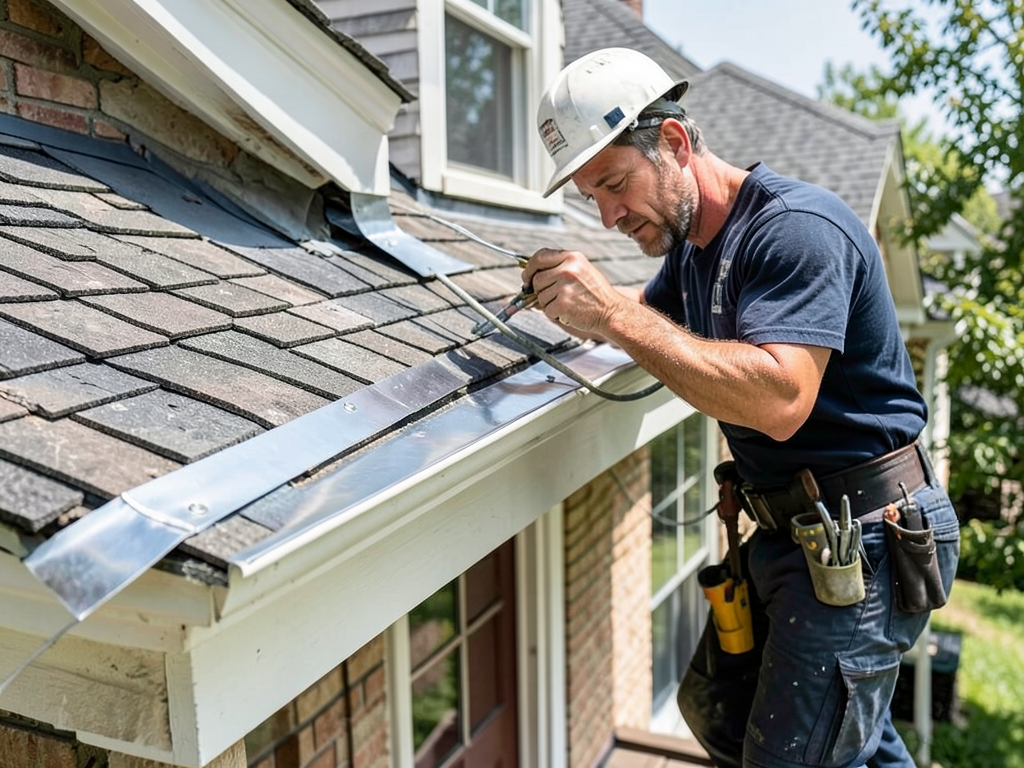
The drip edge is a simple L-shaped metal flashing that sits along the edges of your roof. While it seems like a minor detail, this component plays a crucial role in protecting your home from Colorado’s unique weather challenges. Many Baker homes built before the 1980s never had one installed, and that oversight can lead to serious structural damage over time.
Denver’s freeze-thaw cycles, heavy snow loads, and intense UV exposure create the perfect storm for roof damage. Without proper drip edge protection, water can seep behind your fascia boards, causing rot that spreads to your roof decking and even your home’s structure. The problem is especially pronounced in Baker because many homes sit on narrow lots where water runoff patterns are more concentrated.
Understanding what a drip edge does and why your older home might be missing this critical component could save you from a costly fascia replacement project down the road. Let’s explore what makes this simple metal strip so important for Denver homes. How Much a Full Roof Replacement Actually Costs in Denver Right Now.
What Makes Drip Edges Critical for Denver’s Climate
Denver experiences weather patterns that are particularly harsh on roofing components. Our high-altitude location means more intense UV radiation, which breaks down roofing materials faster than at lower elevations. The combination of hot summers and freezing winters creates expansion and contraction cycles that stress every part of your roof system. Roofing Sheridan.
Ice dam formation represents one of the biggest threats to homes without proper drip edge protection. When snow melts on your warm roof and refreezes at the colder eaves, it creates a barrier that forces water back up under your shingles. A properly installed drip edge creates a barrier that prevents this water from reaching your fascia and roof deck.
Wind-driven rain during our summer thunderstorms can also exploit weaknesses in older roof installations. Without the added protection of a drip edge, wind can drive water up and under the bottom edge of your shingles, leading to moisture intrusion that you might not discover until significant damage has occurred.
Identifying If Your Baker Home Lacks Drip Edge Protection
Checking for drip edge on your Baker home is straightforward. Walk outside and look at the edge of your roof where it meets the gutters. If you see a thin metal strip extending beyond the roof decking and directing water into the gutter, you have drip edge installed. If you only see the bottom edge of shingles hanging over the fascia, your home likely lacks this protection. Reliable Gutter Installation for New Builds in Central Park.
Many Baker homes were built during Denver’s early growth period when building codes were less stringent about roofing details. The original builders often focused on getting the roof on quickly rather than incorporating every modern weatherproofing feature. This means your charming historic home might be missing several modern roofing protections that we now consider standard. Getting Your Highlands Ranch Roof Replaced After a Major Hail Storm.
The absence of drip edge often correlates with other missing roofing components. Homes without drip edge frequently lack proper ice and water shield underlayment, adequate ventilation, or properly sealed roof penetrations. These homes are essentially time capsules of early 20th-century roofing practices.
The Hidden Costs of Missing Drip Edge Protection
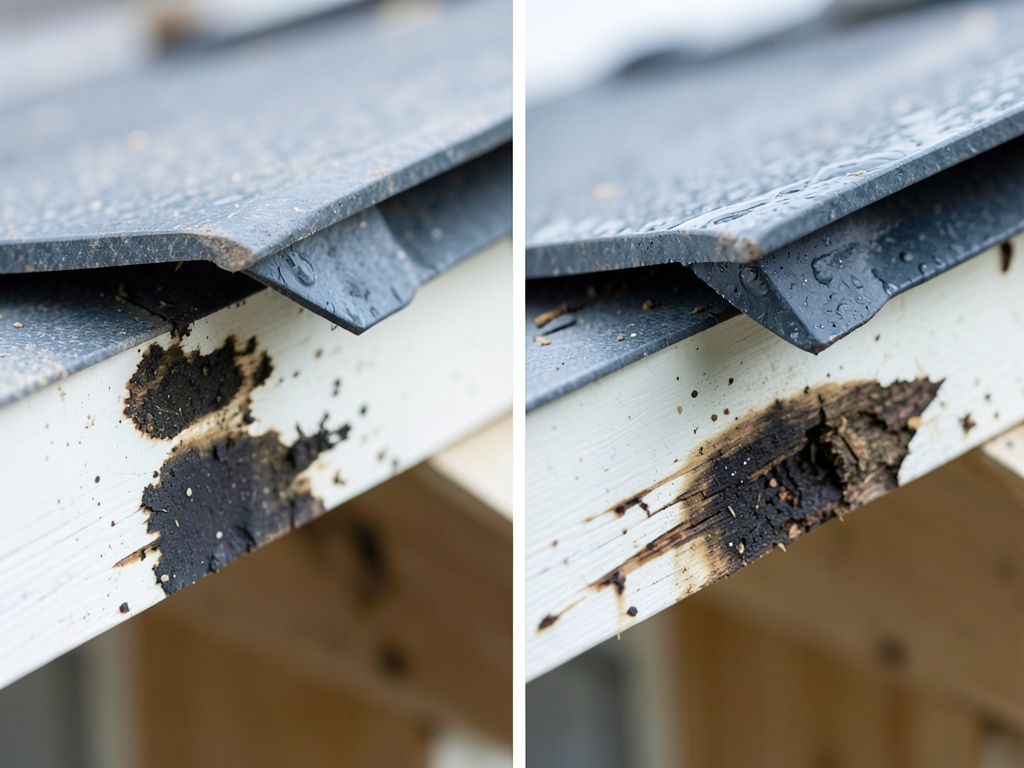
Water damage from missing drip edge doesn’t happen overnight. It’s a slow process that can take years to become visible. The first sign is often peeling paint on fascia boards, which indicates moisture penetration. Over time, this moisture causes the wood to rot, compromising the structural integrity of your roof edge.
Once fascia boards begin rotting, the damage spreads quickly. Water can penetrate into your roof decking, causing it to delaminate and lose its structural strength. In severe cases, moisture can reach your home’s framing, leading to mold growth and structural instability that requires extensive repairs.
The cost of fascia and soffit replacement typically ranges from $15 to $30 per linear foot, depending on the complexity of your roofline and the extent of the damage. For an average Baker home with 150 linear feet of roof edge, you could be facing $2,250 to $4,500 in repairs that could have been prevented with a $500 to $800 drip edge installation. Industrial Roof Replacement.
Denver Building Code Requirements for Drip Edge
Modern building codes in Denver and surrounding areas now require drip edge installation on all new roofs and roof replacements. The International Residential Code (IRC) Section R905.2.8.5 specifically mandates drip edge flashing along eaves and rakes of shingle roofs. Most Colorado municipalities have adopted these requirements as part of their local building codes. International Residential Code drip edge requirements.
The code requires that drip edge extend at least 1/4 inch below the roof decking and be fastened every 12 inches along its length. It must also extend over the roof underlayment at the eaves and under the underlayment on the rakes. These specifications ensure proper water shedding and prevent wind-driven rain from penetrating the roof edge.
For Baker homeowners planning roof repairs or replacements, understanding these requirements is crucial. Even if your original roof didn’t have drip edge, current codes will require its installation during any significant roofing work. This means factoring the additional cost into your roofing budget and ensuring your contractor complies with local regulations.
Comparing Drip Edge Materials for Denver’s Climate
Not all drip edge materials perform equally in Colorado’s extreme conditions. The most common options include aluminum, galvanized steel, and copper, each with different advantages for our climate.. Read more about Solving Common Roof Problems Found in Older Victorian Homes in the Baker Neighborhood.
Aluminum drip edge offers excellent corrosion resistance and is lightweight, making it ideal for most residential applications. It typically costs $1 to $2 per linear foot and comes in various colors to match your home’s exterior. However, aluminum can be more susceptible to denting from hail impacts.
Galvanized steel provides superior strength and impact resistance, crucial for Denver’s frequent hailstorms. While slightly more expensive at $2 to $3 per linear foot, steel drip edge can withstand the abuse of falling branches and hail without deforming. The galvanization process protects against rust, though scratches can expose the steel to corrosion over time.
Copper represents the premium option, offering unmatched durability and a distinctive appearance that develops a patina over time. While costing $4 to $6 per linear foot, copper drip edge can last 50 years or more without replacement. Its natural antimicrobial properties also help prevent algae and moss growth in shaded areas.
Material Comparison Table
| Material | Cost per Linear Foot | Lifespan in Denver | Hail Resistance | Best Use |
|---|---|---|---|---|
| Aluminum | $1 – $2 | 20-25 years | Moderate | Standard residential |
| Galvanized Steel | $2 – $3 | 30-40 years | High | Hail-prone areas |
| Copper | $4 – $6 | 50+ years | Very High | Premium/historic homes |
Proper Installation Techniques for Maximum Protection
Even the best drip edge material won’t protect your home if it’s not installed correctly. The installation process involves several critical steps that ensure long-term performance in Denver’s challenging climate.
First, the drip edge must be installed over the roof underlayment at the eaves and under the underlayment on the rakes. This creates a shingled effect that directs water away from the roof edge. The metal should extend at least 2 inches onto the roof deck and 1/4 inch beyond the fascia board.
Fastening is another crucial aspect. Drip edge should be nailed every 12 inches using roofing nails long enough to penetrate through the fascia and into the roof rafter. This prevents the flashing from pulling away during high winds, which are common in Denver’s spring and fall seasons.
The final detail involves proper overlap at corners and seams. Each piece should overlap the previous one by at least 2 inches, and all joints should be sealed with roofing cement to prevent water infiltration. These small details make the difference between a drip edge that lasts 10 years versus one that protects your home for decades.
How Drip Edge Integrates with Your Complete Roof System
Drip edge doesn’t work in isolation. It’s part of a comprehensive roof system that includes underlayment, ice and water shield, ventilation, and proper shingle installation. Understanding how these components work together helps you appreciate why missing any single element compromises the entire system.
The drip edge works in conjunction with your ice and water shield to create a waterproof barrier at the most vulnerable part of your roof. While the shield protects against ice dam backup, the drip edge prevents wind-driven rain and directs water into your gutters rather than behind them.
Proper roof ventilation also affects drip edge performance. Without adequate airflow in your attic, heat buildup can melt snow unevenly, creating the conditions for ice dam formation. A complete roof replacement should address all these interconnected systems, not just the visible shingles.
Cost-Benefit Analysis: Prevention vs. Repair
Let’s break down the real numbers behind drip edge installation versus fascia repair. A typical Baker home needs about 150 linear feet of drip edge flashing. At $2 to $3 per linear foot for galvanized steel, the material cost ranges from $300 to $450.
Professional installation adds another $200 to $300, bringing the total investment to $500 to $750. Compare this to the $2,250 to $4,500 cost of fascia and soffit replacement if water damage occurs, and the prevention makes clear financial sense.
But the real savings go beyond the immediate repair costs. Water damage to your roof deck can compromise your entire roofing system, potentially requiring shingle replacement and underlayment repair. Mold remediation from moisture intrusion can cost thousands more. The drip edge represents insurance against these cascading failures.
Cost Comparison Table
| Scenario | Initial Cost | Potential Future Costs | Total 10-Year Cost |
|---|---|---|---|
| Install Drip Edge Now | $500 – $750 | Minimal maintenance | $500 – $750 |
| No Drip Edge + Damage | $0 | $2,250 – $4,500 fascia repair + potential roof damage | $2,250 – $4,500+ |
Local Climate Factors Affecting Drip Edge Performance
Denver’s specific weather patterns create unique challenges for roofing components. Our altitude means more intense UV radiation, which can degrade roofing materials faster than at lower elevations. The combination of 300+ days of sunshine and sudden temperature swings creates expansion and contraction cycles that stress every part of your roof system.
Winter presents particular challenges. Denver averages 57 inches of snow annually, and when this snow melts during warm daytime temperatures, it creates ideal conditions for ice dam formation. A properly installed drip edge helps channel this meltwater away from your roof edge before it can refreeze and cause damage.
Summer thunderstorms bring another set of challenges. High winds accompanying these storms can drive rain up under improperly secured roofing materials. The drip edge acts as a final barrier, preventing this wind-driven rain from reaching your fascia and roof deck.
Finding Qualified Contractors in the Baker Area
Not all roofing contractors understand the specific needs of Baker’s historic homes. When seeking someone to assess your drip edge situation, look for contractors with experience in historic renovations and knowledge of Denver’s building codes.
A qualified contractor should be able to explain the differences between modern drip edge requirements and what was typical in your home’s construction era. They should also be familiar with the architectural styles common in Baker and how to install flashing that maintains your home’s historic character while meeting current standards.
Ask potential contractors about their experience with similar homes in the Baker neighborhood. Request references from other historic home projects, and verify their knowledge of Denver’s permitting requirements for roofing work on older structures.
Frequently Asked Questions
Can I install drip edge on my existing roof without replacing everything?
Yes, drip edge can be retrofitted onto existing roofs, though it requires careful work to avoid damaging shingles. The process involves lifting the bottom row of shingles and sliding the drip edge underneath. However, if your roof is approaching the end of its lifespan, a complete replacement might be more cost-effective.
How do I know if my fascia boards are already damaged?
Look for signs like peeling paint, soft spots when pressed, or visible rot along the roof edge. You might also notice water stains on your soffit or see gaps where the fascia has pulled away from the roof. A professional inspection can assess the extent of any damage.
Does adding drip edge affect my home’s historic character?
When properly installed, drip edge is barely visible from the ground and shouldn’t detract from your home’s historic appearance. Many historic preservation guidelines actually require modern weatherproofing updates like drip edge to protect these valuable structures.
Protecting Your Baker Home’s Future
Your Baker neighborhood home represents more than just shelter. It’s a piece of Denver’s architectural heritage that deserves proper protection. The small investment in drip edge flashing could prevent thousands in future repairs while preserving your home’s structural integrity for generations to come.
Denver’s weather isn’t getting any milder. With climate patterns showing more extreme temperature swings and precipitation events, the protection offered by modern roofing components becomes even more critical. Your charming historic home can maintain its character while benefiting from 21st-century weatherproofing technology.
Don’t wait until you notice water stains on your ceiling or see your fascia boards rotting away. A simple inspection can determine if your home is missing this critical protection. The cost of prevention is always less than the cost of repair, especially when it comes to protecting your home from Denver’s harsh climate.
Ready to protect your Baker home from water damage? Call Apex Roofing Denver at (720) 484-8300 for a comprehensive roof inspection. Our experienced team understands the unique needs of historic Denver homes and can recommend the best solutions to protect your investment while preserving your home’s character.
Don’t let a missing drip edge compromise your home’s future. Contact us today to schedule your inspection and take the first step toward comprehensive roof protection.
[IMAGE_PLACEHOVER_1]
{
“@context”: “https://schema.org”,
“@type”: “BlogPosting”,
“headline”: “Why Your Older Baker Neighborhood Home Might Be Missing a Critical Drip Edge”,
“description”: “Denver’s Baker neighborhood homes built before 2000 often lack proper drip edge flashing. Learn how this small component prevents costly fascia rot and ice dam damage.”,
“wordCount”: 2365,
“datePublished”: “2026-06-14T13:14:00.000Z”,
“dateModified”: “2026-06-14T13:14:00.000Z”,
“inLanguage”: “en-US”,
“mainEntityOfPage”: {
“@type”: “WebPage”,
“@id”: “https://apexroofingdenver.com”
},
“publisher”: {
“@type”: “LocalBusiness”,
“name”: “Apex Roofing Denver”,
“url”: “https://apexroofingdenver.com”
},
“author”: {
“@type”: “Organization”,
“name”: “Apex Roofing Denver”,
“url”: “https://apexroofingdenver.com”
},
“image”: {
“@type”: “ImageObject”,
“url”: “https://apexroofingdenver.com/wp-content/uploads/2026/03/why-your-older-baker-neighborhood-home-might-be-mi-1.png”
}
}
{
“@context”: “https://schema.org”,
“@type”: “RoofingContractor”,
“name”: “Apex Roofing Denver”,
“url”: “https://apexroofingdenver.com”,
“address”: {
“@type”: “PostalAddress”,
“addressLocality”: “Denver”
},
“areaServed”: {
“@type”: “City”,
“name”: “Denver”
}
}
{
“@context”: “https://schema.org”,
“@type”: “FAQPage”,
“mainEntity”: [
{
“@type”: “Question”,
“name”: “Can I install drip edge on my existing roof without replacing everything?”,
“acceptedAnswer”: {
“@type”: “Answer”,
“text”: “Yes, drip edge can be retrofitted onto existing roofs, though it requires careful work to avoid damaging shingles. The process involves lifting the bottom row of shingles and sliding the drip edge underneath. However, if your roof is approaching the end of its lifespan, a complete replacement might be more cost-effective.”
}
},
{
“@type”: “Question”,
“name”: “How do I know if my fascia boards are already damaged?”,
“acceptedAnswer”: {
“@type”: “Answer”,
“text”: “Look for signs like peeling paint, soft spots when pressed, or visible rot along the roof edge. You might also notice water stains on your soffit or see gaps where the fascia has pulled away from the roof. A professional inspection can assess the extent of any damage.”
}
},
{
“@type”: “Question”,
“name”: “Does adding drip edge affect my home’s historic character?”,
“acceptedAnswer”: {
“@type”: “Answer”,
“text”: “When properly installed, drip edge is barely visible from the ground and shouldn’t detract from your home’s historic appearance. Many historic preservation guidelines actually require modern weatherproofing updates like drip edge to protect these valuable structures.”
}
}
]
}
{
“@context”: “https://schema.org”,
“@type”: “BreadcrumbList”,
“itemListElement”: [
{
“@type”: “ListItem”,
“position”: 1,
“name”: “Home”,
“item”: “https://apexroofingdenver.com”
},
{
“@type”: “ListItem”,
“position”: 2,
“name”: “Blog”,
“item”: “https://apexroofingdenver.com/blog”
},
{
“@type”: “ListItem”,
“position”: 3,
“name”: “Why Your Older Baker Neighborhood Home Might Be Missing a Critical Drip Edge”
}
]
}
{
“@context”: “https://schema.org”,
“@type”: “Service”,
“serviceType”: “Roofing”,
“provider”: {
“@type”: “LocalBusiness”,
“name”: “Apex Roofing Denver”,
“url”: “https://apexroofingdenver.com”
},
“areaServed”: {
“@type”: “City”,
“name”: “Denver”
},
“description”: “Denver’s Baker neighborhood homes built before 2000 often lack proper drip edge flashing. Learn how this small component prevents costly fascia rot and ice dam damage.”
}