
Why Your Denver Gutters are Filled with Sand (and What it Means for Your Shingles)
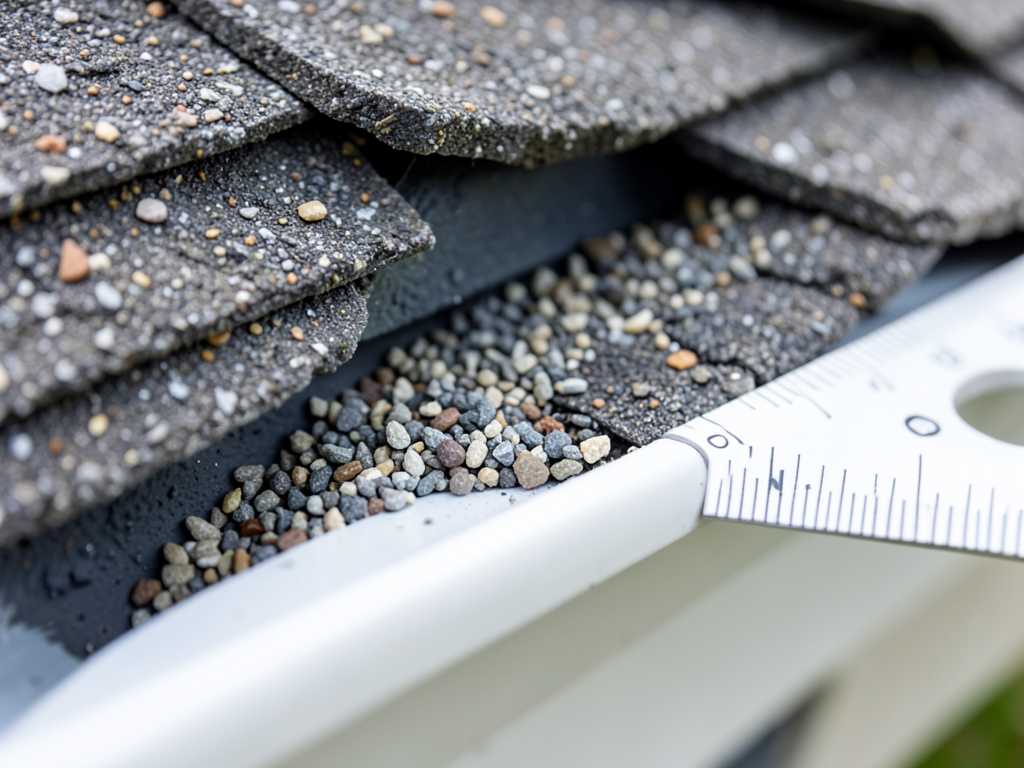
You cleaned your gutters last fall and now they are full of what looks like sand again. That gritty material is not dirt. It is asphalt shingle granules washing off your roof. In Denver the combination of high-altitude UV rays and frequent hail storms accelerates this process. Understanding what those granules are and when their loss becomes a problem can save you from costly leaks and premature roof replacement. Fixing Flat Roof Leaks in LoHi and Modern Denver Homes.
What Are Those Granules Anyway
Asphalt shingles start as a fiberglass mat coated with asphalt and topped with ceramic-coated mineral granules. The granules serve three jobs. They block UV radiation that would otherwise bake the asphalt. They provide fire resistance. They give the roof its color and surface texture. Once those granules detach the asphalt layer underneath begins to dry out and crack. That is when leaks start.
In normal aging you will see a slow gradual loss over 15 to 25 years. In Denver the altitude speeds that timeline. At 5 280 feet the atmosphere is thinner so more UV radiation reaches the roof surface. Combine that with rapid freeze-thaw cycles in winter and the granules can loosen faster than in lower elevations.
Normal Aging vs. Storm Damage
Finding a small amount of granule debris in your downspouts after a long winter is ordinary. Finding piles of granules after a hail storm is not. Hail damage usually leaves round or oblong bald spots on the shingle surface. The asphalt under those spots looks fresh and sometimes shiny. If you see those patterns along with heavy granule accumulation in the gutters you likely have impact damage. Reliable Gutter Installation for New Builds in Central Park.
Another clue is timing. If the granule loss appeared right after a severe storm in May or June when Denver sees most of its hail it is probably hail related. If it built up slowly over several seasons it is more likely UV and weather aging.
Top Causes of Granule Loss in the Denver Metro Area
Denver’s climate creates a perfect storm for granule loss. The Front Range sees more hail than almost anywhere else in the country. Hailstones as small as a dime can knock granules loose. Larger stones leave dents and cracks. UV exposure at high altitude is another factor. For every 1 000 feet of elevation UV intensity increases by about 4 percent. That means Denver roofs get roughly 20 percent more UV than a roof at sea level.
Thermal shock adds to the problem. When a sunny winter day hits 50 degrees and a cold front drops the temperature to 20 degrees overnight the shingles expand and contract rapidly. Over years this movement loosens the bond between granules and asphalt. Wind also plays a role especially on ridge caps and rake edges where shingles are most exposed.
How to Spot Granule Loss
The most obvious sign is sand-like material in your gutters and downspouts. You might also see it in yard drainage or at the base of downspout splash blocks. On the roof itself look for shiny or bald spots especially on south-facing slopes that get the most sun. You can also check for loose granules by gently running a hand across the shingle surface. If your palm comes away gritty that is a sign of advanced loss.
Another indicator is color fading. As granules fall away the shingle surface lightens. If your once-dark roof now looks patchy or washed out it is time for a closer inspection.
The Consequences of Ignoring Granule Loss
Missing granules expose the asphalt mat to UV rays. That speeds up drying and cracking. Once cracks form water can seep into the roof deck. In Denver’s freeze-thaw climate that water can freeze and expand making the damage worse. Left unchecked you could face rotted decking mold growth and interior leaks.
Energy efficiency also drops. Granules help reflect heat. Without them your attic can get hotter in summer forcing your air conditioner to work harder. In winter heat escapes faster raising your heating bill. Those extra energy costs add up long before you see a leak.
When to Call a Professional for a Roof Inspection
If you see heavy granule accumulation after a storm or notice bald spots across a large area it is time for an inspection. A trained roofer can tell the difference between cosmetic wear and structural damage. In Denver many contractors offer free storm inspections especially after hail events.
Also call if you see interior water stains or if your roof is over 15 years old and showing widespread granule loss. Early detection can mean the difference between a simple repair and a full replacement. EPA.
Does Insurance Cover Granule Loss
Insurance companies in Denver often cover granule loss if it results from a covered peril like hail. They look for patterns of damage not just scattered wear. An adjuster will check for bruise marks dents and the amount of granule loss. If the damage is widespread and recent you may qualify for a claim.
Normal aging is not covered. If your roof is 20 years old and slowly losing granules that is considered maintenance not a loss. The key is proving the damage happened in a specific event and was severe enough to shorten the roof’s life.
New Roof Shedding Is Normal
If your roof is less than a year old do not panic about loose granules. During manufacturing some granules remain loose and wash off in the first heavy rain or snow melt. This shedding can fill gutters and look alarming but it is normal. The difference is that new shingles still have plenty of granules left to protect the asphalt. Over time the shedding stops and the roof settles into its long-term performance.
Protecting Your Roof in Denver’s Climate
Homeowners in areas like Lakewood and Englewood can extend shingle life by keeping trees trimmed so branches do not brush the surface. Clean gutters twice a year to prevent water backup that can lift shingles. After a major hail storm have a roofer check for damage even if you do not see leaks. Small bruises today can become big problems next winter.
Consider impact-resistant shingles if you are replacing your roof. Class 4 shingles are built to withstand hail up to two inches. They cost more upfront but can save money over time in a hail-prone area.
Denver Neighborhoods and Local Factors
In older neighborhoods like Berkeley and Highland you will find many mid-century homes with 3-tab shingles that are more vulnerable to granule loss. In newer developments in areas like Northfield or Stapleton you might see architectural shingles with longer warranties and better hail resistance. The common thread is Denver’s high UV and frequent hail which affect every roof regardless of age or style.
Local building codes also play a role. Many Denver insurers now require Class 4 impact resistance for new roofs. That means if you replace your roof you may need to upgrade to meet both code and insurance requirements.
Comparing Shingle Types and Granule Loss
| Shingle Type | Average Lifespan in Denver | Hail Resistance | Granule Retention |
|---|---|---|---|
| 3-Tab Asphalt | 12-15 years | Low | Poor |
| Architectural Asphalt | 20-25 years | Medium | Good |
| Class 4 Impact Resistant | 25-30 years | High | Excellent |
Granule Loss and Your Roof’s Remaining Life
| Granule Condition | Estimated Remaining Life | Recommended Action |
|---|---|---|
| Slight loss in valleys only | 5-8 years | Monitor and clean gutters |
| Moderate loss on one slope | 3-5 years | Consider partial replacement |
| Heavy loss across roof | 1-3 years | Plan for full replacement |
| Bald spots with cracks | 0-1 year | Emergency repair or replace now |
Frequently Asked Questions
Why do I see more granules after it rains
Rain can wash loose granules that were already detached into the gutters. It does not mean new granules are falling off. If the amount is small and consistent with seasonal shedding there is no cause for alarm.
Can I replace just the damaged shingles
In some cases yes. If the damage is limited to one area and the rest of the roof is in good shape a partial replacement can work. A professional inspection will tell you if that is cost effective. How Much a Full Roof Replacement Actually Costs in Denver Right Now.
How long does hail damage take to show granule loss
Sometimes granule loss appears within days of a storm as loose granules wash away. Other times it can take weeks or months as UV and weather continue to break down the damaged areas. That is why post-storm inspections are important even if you do not see immediate problems.
Next Steps for Denver Homeowners
If you are seeing heavy granule buildup in your gutters or notice bald spots on your shingles do not wait. Call a local roofer who understands Denver’s unique climate challenges. They can assess whether you have storm damage that qualifies for insurance or if it is time to start planning a replacement. Industrial Roof Replacement.
For a free inspection and honest assessment call Apex Roofing Denver at (720) 484-8300. We serve homeowners across the Front Range with fast reliable service and no high-pressure sales tactics. Roofing Sheridan.
Protect your home before small granule loss turns into big repair bills. Your roof works hard every day. Make sure it is ready for whatever the Colorado sky throws at it next. For more information, visit FEMA.
{
“@context”: “https://schema.org”,
“@type”: “BlogPosting”,
“headline”: “Why Your Denver Gutters are Filled with Sand (and What it Means for Your Shingles)”,
“description”: “Discover why your Denver gutters are full of sand-like granules and what it means for your roof’s lifespan. Learn to spot storm damage vs. normal wear.”,
“wordCount”: 1578,
“datePublished”: “2026-05-08T08:58:00.000Z”,
“dateModified”: “2026-05-08T08:58:00.000Z”,
“inLanguage”: “en-US”,
“mainEntityOfPage”: {
“@type”: “WebPage”,
“@id”: “https://apexroofingdenver.com”
},
“publisher”: {
“@type”: “LocalBusiness”,
“name”: “Apex Roofing Denver”,
“url”: “https://apexroofingdenver.com”
},
“author”: {
“@type”: “Organization”,
“name”: “Apex Roofing Denver”,
“url”: “https://apexroofingdenver.com”
},
“image”: {
“@type”: “ImageObject”,
“url”: “https://apexroofingdenver.com/wp-content/uploads/2026/03/why-your-denver-gutters-are-filled-with-sand-and-w-1.png”
}
}
{
“@context”: “https://schema.org”,
“@type”: “RoofingContractor”,
“name”: “Apex Roofing Denver”,
“url”: “https://apexroofingdenver.com”,
“address”: {
“@type”: “PostalAddress”,
“addressLocality”: “Denver”
},
“areaServed”: {
“@type”: “City”,
“name”: “Denver”
}
}
{
“@context”: “https://schema.org”,
“@type”: “BreadcrumbList”,
“itemListElement”: [
{
“@type”: “ListItem”,
“position”: 1,
“name”: “Home”,
“item”: “https://apexroofingdenver.com”
},
{
“@type”: “ListItem”,
“position”: 2,
“name”: “Blog”,
“item”: “https://apexroofingdenver.com/blog”
},
{
“@type”: “ListItem”,
“position”: 3,
“name”: “Why Your Denver Gutters are Filled with Sand (and What it Means for Your Shingles)”
}
]
}
{
“@context”: “https://schema.org”,
“@type”: “Service”,
“serviceType”: “Roofing”,
“provider”: {
“@type”: “LocalBusiness”,
“name”: “Apex Roofing Denver”,
“url”: “https://apexroofingdenver.com”
},
“areaServed”: {
“@type”: “City”,
“name”: “Denver”
},
“description”: “Discover why your Denver gutters are full of sand-like granules and what it means for your roof’s lifespan. Learn to spot storm damage vs. normal wear.”
}