
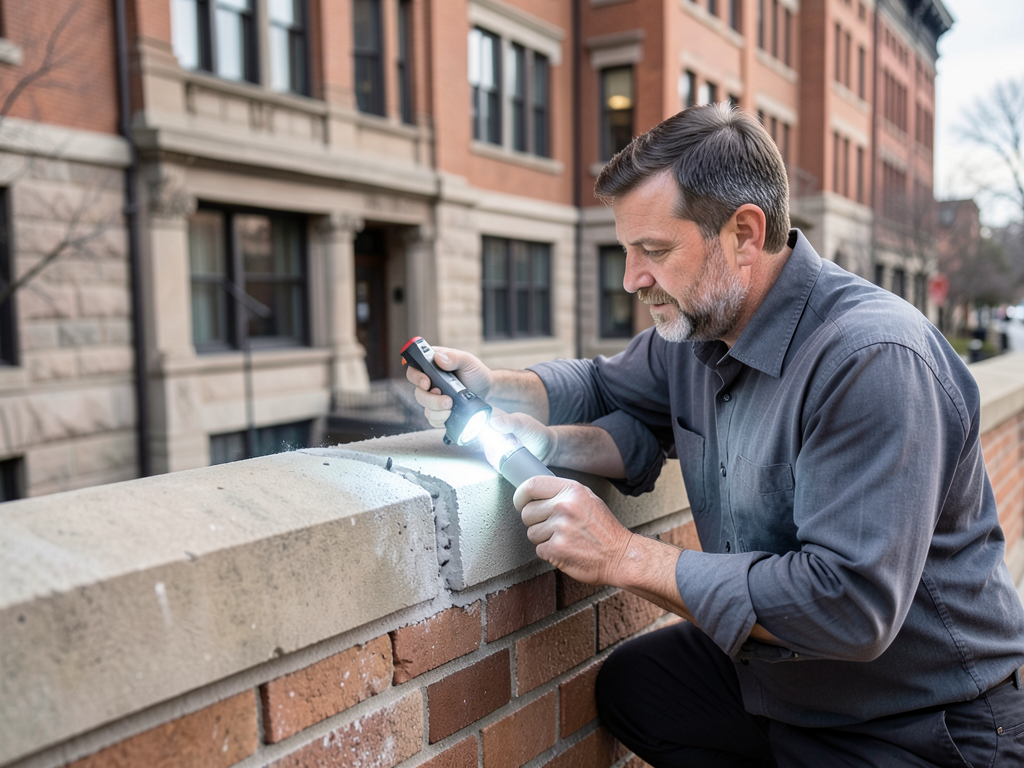
Why Parapet Wall Maintenance is the Most Important Task for Flat Roof Owners in Five Points
Parapet walls are the vertical extensions of your flat roof that rise above the roof surface. In Five Points and throughout Denver these structures face unique challenges from our climate and building requirements. Many property owners overlook parapet maintenance until serious problems develop. This guide explains why regular parapet wall maintenance matters more than you might think and what specific issues Denver property owners need to watch for. Denver Building Code Requirements.
Five Points’ historic and modern buildings often feature parapet walls for both aesthetic and functional purposes. These walls create a finished edge for flat roofs and can house essential drainage systems. The combination of Denver’s high altitude sun exposure and freeze-thaw cycles creates conditions that can rapidly deteriorate parapet structures if not properly maintained.
Understanding parapet wall maintenance starts with recognizing that these structures are where roofing meets masonry. This intersection creates vulnerabilities that require specialized knowledge to address. Property owners who stay ahead of parapet maintenance avoid costly emergency repairs and extend the life of their entire roofing system. Masonry Preservation Guidelines.
Denver’s Climate Creates Unique Parapet Wall Challenges
Denver’s climate presents specific challenges for parapet walls that property owners in Five Points must understand. The Mile High City experiences over 300 days of sunshine annually. This intense UV exposure can break down sealants and mortar joints faster than in other regions. The high altitude also means greater temperature swings between day and night throughout the year.
Freeze-thaw cycles represent the most significant threat to parapet walls in Denver. When moisture enters small cracks in mortar or masonry and freezes it expands by about 9%. This expansion forces cracks to widen with each freeze-thaw cycle. Denver typically sees 50 or more freeze-thaw cycles annually accelerating deterioration. Masonry Repair Best Practices.
Heavy snow loads in winter can stress parapet walls beyond their design limits. Five Points’ older buildings may have parapets that don’t meet current structural requirements. Snow can also melt during sunny winter days and refreeze at night creating ice dams that force water under coping stones and flashing.
Wind patterns in Denver create additional stress on parapet walls. Strong gusts can lift coping stones or damage sealants. The Venturi effect where wind speeds increase as it passes over a building edge can create uplift forces that stress parapet connections to the roof structure.
Common Parapet Wall Problems in Five Points Properties
Property owners in Five Points should watch for several common parapet wall problems. Early detection prevents minor issues from becoming major structural concerns. Understanding these problems helps you know when to call a professional.
Coping stone failure represents one of the most frequent issues. Coping stones cap the top of parapet walls and protect the underlying structure from water infiltration. In Denver’s climate coping stones can crack shift or completely separate from the wall. When this happens water can enter the parapet core and cause internal damage.
Mortar joint deterioration occurs when the cement between bricks or masonry blocks breaks down. Denver’s intense UV exposure and freeze-thaw cycles accelerate this process. Crumbling mortar allows water to penetrate deeper into the wall structure potentially causing efflorescence (white mineral deposits) and structural weakening.
Flashing failures at parapet connections create water intrusion points. Counter-flashing and through-wall flashing create waterproof barriers where the roof meets the parapet. When these fail water can travel down the wall or into the roof assembly. This often manifests as interior water stains or ceiling damage below parapet areas.
Structural movement affects older parapet walls in Five Points. Many historic buildings in the area were constructed before modern building codes. These parapets may lack proper lateral bracing or connections to the roof structure. Seasonal soil expansion and contraction in Denver’s clay soils can cause buildings to shift stressing parapet connections.
Essential Parapet Wall Maintenance Tasks
Regular maintenance extends parapet wall life and prevents costly repairs. Property owners should establish a maintenance schedule based on Denver’s climate conditions and their building’s specific needs. Here are the essential tasks that protect your parapet investment.
Annual inspections form the foundation of good parapet maintenance. These should occur in late spring after winter damage can be assessed but before summer storms. Look for cracked or missing mortar damaged coping stones deteriorated sealants and signs of water infiltration. Pay special attention to areas where parapet walls meet other building elements.
Mortar joint repair through tuckpointing becomes necessary when joints show signs of deterioration. This process involves removing damaged mortar and replacing it with fresh mortar that matches the original in composition and color. In Denver use mortar mixes that can handle freeze-thaw cycles and include proper expansion joints.
Coping stone maintenance includes checking for cracks loose stones and failed sealants. Replace damaged coping stones promptly. Apply waterproof sealants to sound stones to extend their life. Ensure proper slope directs water away from the wall rather than allowing it to pool on top.
Flashing inspection and repair prevent water intrusion at critical junctions. Check counter-flashing for signs of separation from the wall or roof. Look for rust or deterioration in metal flashing components. Ensure through-wall flashing extends properly through the wall and integrates with drainage systems.
Sealant replacement around parapet penetrations and joints maintains waterproof barriers. Denver’s UV exposure breaks down sealants faster than in many other regions. Use high-quality UV-resistant sealants designed for exterior masonry applications. Replace sealants every 5-7 years or when signs of deterioration appear. How Much a Full Roof Replacement Actually Costs in Denver Right Now.
Denver Building Code Requirements for Parapet Walls
Denver building codes establish specific requirements for parapet walls that property owners must understand. These regulations ensure structural safety and proper water management. Compliance prevents code violations and protects your investment.
Height requirements affect parapet wall design. Denver’s building code generally requires parapets to extend at least 30 inches above the roof surface for fire safety. However very tall parapets may need additional structural support or lateral bracing to meet wind load requirements.
Structural requirements mandate proper connections between parapet walls and the building structure. Modern codes require parapets to be anchored to the roof structure to resist wind uplift forces. This often involves steel angles or other mechanical connections that were not required in older construction.
Fire safety regulations influence parapet design in Denver. Parapets must form continuous barriers between adjacent properties or between building sections. This prevents fire spread across roof surfaces. Materials must meet fire-resistance ratings specified in the building code.
Water management requirements address drainage from parapet tops. Denver codes often require sloped coping or integrated drainage systems to prevent water accumulation. Scuppers or overflow drains may be necessary for larger parapet areas to handle heavy rain or rapid snowmelt.
Energy code compliance affects parapet wall insulation. Denver’s energy codes require thermal breaks or insulation at parapet locations to prevent heat loss. This is particularly important in historic districts like Five Points where energy efficiency upgrades must balance with preservation requirements.
Professional vs. DIY Parapet Maintenance
Property owners often wonder whether parapet maintenance tasks require professional help. Some basic maintenance can be DIY but many parapet issues need professional expertise. Understanding the difference protects your investment and ensures safety.
Safe DIY tasks include basic visual inspections from ground level or accessible roof areas. You can also clean debris from parapet tops and apply sealant to accessible joints if you have proper safety equipment. However never work on parapet walls without proper fall protection and roof access equipment.
Professional assessment becomes necessary when you notice signs of structural damage water infiltration or when parapet walls exceed 6 feet in height. Professionals have the equipment to safely access all parapet areas and can identify issues that untrained eyes might miss.
Complex repairs like tuckpointing coping stone replacement or flashing repairs require professional masonry and roofing skills. These tasks involve specialized tools materials knowledge and safety considerations. Improper repairs can worsen problems or create new vulnerabilities. Industrial Roof Replacement.
Building code compliance verification should always involve professionals. They understand current requirements and can ensure repairs meet code standards. This is especially important in Five Points where many buildings have historic designations or are subject to special zoning requirements.
Insurance considerations may require professional documentation of parapet conditions. Many insurance companies want reports from qualified inspectors before issuing or renewing policies for buildings with parapet walls. Professional assessments can also support insurance claims if damage occurs.
Cost Factors for Parapet Wall Maintenance
Understanding cost factors helps property owners budget for parapet maintenance. Several variables affect pricing for parapet repairs and maintenance in Denver. Knowing these factors helps you make informed decisions about when and how to address parapet issues.
Accessibility impacts labor costs significantly. Parapet walls on multi-story buildings or those with difficult roof access require special equipment like scaffolding or lifts. This equipment adds to project costs but ensures worker safety and proper repair access.
Material selection affects both initial costs and long-term performance. Matching existing masonry for historic properties often costs more than using standard materials. However proper material selection prevents future problems and may be required for code compliance or historic preservation.
Extent of damage determines repair scope and cost. Surface-level issues like sealant replacement cost less than structural repairs involving masonry rebuilding or reinforcement. Early intervention typically costs less than addressing problems after they’ve progressed.
Seasonal timing affects pricing in Denver’s climate. Contractors may charge premium rates for emergency winter repairs or work during busy seasons. Planning maintenance during off-peak times can reduce costs though weather must be suitable for exterior work.
Building code compliance may require upgrades beyond basic repairs. Older parapet walls might need structural reinforcement or drainage improvements to meet current standards. While this increases upfront costs it prevents future violations and ensures long-term safety.
Emergency Parapet Wall Issues Requiring Immediate Attention
Some parapet wall problems require immediate professional attention to prevent serious damage or safety hazards. Property owners should recognize these emergency situations and know how to respond quickly. Quick action can prevent minor issues from becoming major disasters.
Severe water infiltration during storms indicates flashing or coping failure. If you notice water pouring into your building near parapet areas during rain this requires immediate attention. Temporary measures like tarps can minimize interior damage until permanent repairs can be made.
Loose or falling coping stones create safety hazards for people below. If you notice stones shifting or hear them moving in the wind keep people away from the area and call for emergency repair. This is especially critical in urban areas like Five Points where pedestrian traffic is common.
Structural leaning or separation from the building indicates serious problems. If a parapet wall appears to be pulling away from the building or leaning significantly evacuate the area and call for immediate assessment. This could indicate foundation issues or structural failure requiring urgent intervention.
Fire damage to parapet walls requires immediate professional evaluation. Even if the fire seemed minor heat can damage mortar and structural connections. Post-fire assessment ensures the parapet remains safe and identifies needed repairs before they become critical failures.
Wind damage after severe storms can compromise parapet integrity. Check for displaced coping stones damaged flashing or visible movement after high winds. These issues can worsen quickly with subsequent weather events making prompt repair essential.
Long-term Parapet Wall Preservation Strategies
Property owners can implement strategies that extend parapet wall life and reduce long-term maintenance costs. These approaches focus on prevention rather than reaction. A comprehensive preservation strategy protects your investment and maintains building value.
Preventive maintenance scheduling prevents minor issues from becoming major problems. Establish a regular inspection and maintenance calendar based on Denver’s seasons. Spring inspections after winter damage fall preparations before snow and mid-summer checks for UV damage create a comprehensive approach.
Moisture management systems protect parapet walls from Denver’s freeze-thaw cycles. This includes proper drainage design waterproof coatings and ventilation to prevent moisture accumulation within wall cavities. Good moisture management can double the life of parapet components.
Material selection for repairs should consider Denver’s specific conditions. Use mortar mixes formulated for freeze-thaw resistance UV-stable sealants and masonry materials that match thermal expansion rates. Proper material selection prevents premature failure and reduces long-term maintenance needs.
Documentation of parapet conditions helps track deterioration patterns and plan maintenance. Take photos during inspections note repair dates and materials used and keep records of any structural modifications. This information helps professionals diagnose issues and plan effective interventions.
Professional partnerships provide ongoing expertise for complex parapet systems. Establishing relationships with qualified masonry and roofing contractors ensures you have expert help when needed. Many contractors offer maintenance programs that provide priority service and regular inspections. Roofing Sheridan.
Frequently Asked Questions
How often should parapet walls be inspected in Denver?
Parapet walls in Denver should be inspected at least annually with additional checks after severe weather events. Spring inspections are ideal for assessing winter damage while fall checks prepare for snow season. Properties in historic areas like Five Points may need more frequent inspections due to age.
What are signs that parapet wall repairs are needed?
Signs include cracked or missing mortar damaged coping stones water stains on interior walls below parapets efflorescence on masonry surfaces and visible movement or separation of parapet sections. Any of these issues warrant professional assessment to determine repair needs.
Can I perform parapet maintenance myself?
Homeowners can perform basic visual inspections and clean debris from accessible areas. However repairs involving mortar work structural issues or work above 6 feet require professional expertise and safety equipment. Improper repairs can worsen problems and create safety hazards.
How much does parapet wall maintenance typically cost?
Costs vary widely based on building height accessibility extent of damage and materials needed. Basic inspections might cost $200-500 while tuckpointing or coping stone replacement can range from $15-30 per square foot. Emergency repairs typically cost more due to urgency and after-hours work.
Are parapet walls required by building code in Denver?
Denver building codes require parapets or other fire barriers between adjacent properties and between building sections. The specific requirements depend on building use height and location. Historic districts like Five Points may have additional preservation requirements that affect parapet modifications.
Protect Your Five Points Property with Expert Parapet Maintenance
Parapet wall maintenance is not optional for flat roof owners in Five Points. Denver’s unique climate combined with the area’s mix of historic and modern buildings creates conditions that demand regular attention to these structures. Property owners who prioritize parapet maintenance avoid costly emergency repairs and protect their building investments.
The intersection of roofing and masonry at parapet walls creates vulnerabilities that require specialized knowledge to address properly. Understanding common problems maintenance requirements and Denver’s building codes helps you make informed decisions about parapet care. Whether you manage a historic property in the heart of Five Points or a modern building nearby your parapet walls need regular professional attention. Roofing Englewood.
Don’t wait for water damage or structural issues to force emergency repairs. Establish a maintenance schedule that addresses Denver’s seasonal challenges and your building’s specific needs. Professional inspections can identify problems while they’re still manageable saving you money and preventing building damage.
Ready to protect your investment with expert parapet wall maintenance? Contact Apex Roofing Denver today at (720) 484-8300 for a comprehensive parapet assessment. Our team understands Denver’s unique climate challenges and building code requirements. We’ll help you develop a maintenance plan that keeps your parapet walls in top condition year-round.
Don’t let parapet problems compromise your building’s integrity. Call us now or visit our website to schedule your inspection. Your parapet walls protect your entire building structure so make their maintenance your top priority today.
{
“@context”: “https://schema.org”,
“@type”: “BlogPosting”,
“headline”: “Why Parapet Wall Maintenance is the Most Important Task for Flat Roof Owners in Five Points”,
“description”: “Learn why parapet wall maintenance matters for Five Points flat roof owners. Discover Denver’s unique climate challenges and expert maintenance strategies.”,
“wordCount”: 2621,
“datePublished”: “2026-04-26T10:40:00.000Z”,
“dateModified”: “2026-04-26T10:40:00.000Z”,
“inLanguage”: “en-US”,
“mainEntityOfPage”: {
“@type”: “WebPage”,
“@id”: “https://apexroofingdenver.com”
},
“publisher”: {
“@type”: “LocalBusiness”,
“name”: “Apex Roofing Denver”,
“url”: “https://apexroofingdenver.com”
},
“author”: {
“@type”: “Organization”,
“name”: “Apex Roofing Denver”,
“url”: “https://apexroofingdenver.com”
},
“image”: {
“@type”: “ImageObject”,
“url”: “https://apexroofingdenver.com/wp-content/uploads/2026/03/why-parapet-wall-maintenance-is-the-most-important-1.png”
}
}
{
“@context”: “https://schema.org”,
“@type”: “RoofingContractor”,
“name”: “Apex Roofing Denver”,
“url”: “https://apexroofingdenver.com”,
“address”: {
“@type”: “PostalAddress”,
“addressLocality”: “Denver”
},
“areaServed”: {
“@type”: “City”,
“name”: “Denver”
}
}
{
“@context”: “https://schema.org”,
“@type”: “FAQPage”,
“mainEntity”: [
{
“@type”: “Question”,
“name”: “How often should parapet walls be inspected in Denver?”,
“acceptedAnswer”: {
“@type”: “Answer”,
“text”: “Parapet walls in Denver should be inspected at least annually with additional checks after severe weather events. Spring inspections are ideal for assessing winter damage while fall checks prepare for snow season. Properties in historic areas like Five Points may need more frequent inspections due to age.”
}
},
{
“@type”: “Question”,
“name”: “What are signs that parapet wall repairs are needed?”,
“acceptedAnswer”: {
“@type”: “Answer”,
“text”: “Signs include cracked or missing mortar damaged coping stones water stains on interior walls below parapets efflorescence on masonry surfaces and visible movement or separation of parapet sections. Any of these issues warrant professional assessment to determine repair needs.”
}
},
{
“@type”: “Question”,
“name”: “Can I perform parapet maintenance myself?”,
“acceptedAnswer”: {
“@type”: “Answer”,
“text”: “Homeowners can perform basic visual inspections and clean debris from accessible areas. However repairs involving mortar work structural issues or work above 6 feet require professional expertise and safety equipment. Improper repairs can worsen problems and create safety hazards.”
}
},
{
“@type”: “Question”,
“name”: “How much does parapet wall maintenance typically cost?”,
“acceptedAnswer”: {
“@type”: “Answer”,
“text”: “Costs vary widely based on building height accessibility extent of damage and materials needed. Basic inspections might cost $200-500 while tuckpointing or coping stone replacement can range from $15-30 per square foot. Emergency repairs typically cost more due to urgency and after-hours work.”
}
},
{
“@type”: “Question”,
“name”: “Are parapet walls required by building code in Denver?”,
“acceptedAnswer”: {
“@type”: “Answer”,
“text”: “Denver building codes require parapets or other fire barriers between adjacent properties and between building sections. The specific requirements depend on building use height and location. Historic districts like Five Points may have additional preservation requirements that affect parapet modifications.”
}
}
]
}
{
“@context”: “https://schema.org”,
“@type”: “BreadcrumbList”,
“itemListElement”: [
{
“@type”: “ListItem”,
“position”: 1,
“name”: “Home”,
“item”: “https://apexroofingdenver.com”
},
{
“@type”: “ListItem”,
“position”: 2,
“name”: “Blog”,
“item”: “https://apexroofingdenver.com/blog”
},
{
“@type”: “ListItem”,
“position”: 3,
“name”: “Why Parapet Wall Maintenance is the Most Important Task for Flat Roof Owners in Five Points”
}
]
}
{
“@context”: “https://schema.org”,
“@type”: “Service”,
“serviceType”: “Roofing”,
“provider”: {
“@type”: “LocalBusiness”,
“name”: “Apex Roofing Denver”,
“url”: “https://apexroofingdenver.com”
},
“areaServed”: {
“@type”: “City”,
“name”: “Denver”
},
“description”: “Learn why parapet wall maintenance matters for Five Points flat roof owners. Discover Denver’s unique climate challenges and expert maintenance strategies.”
}