
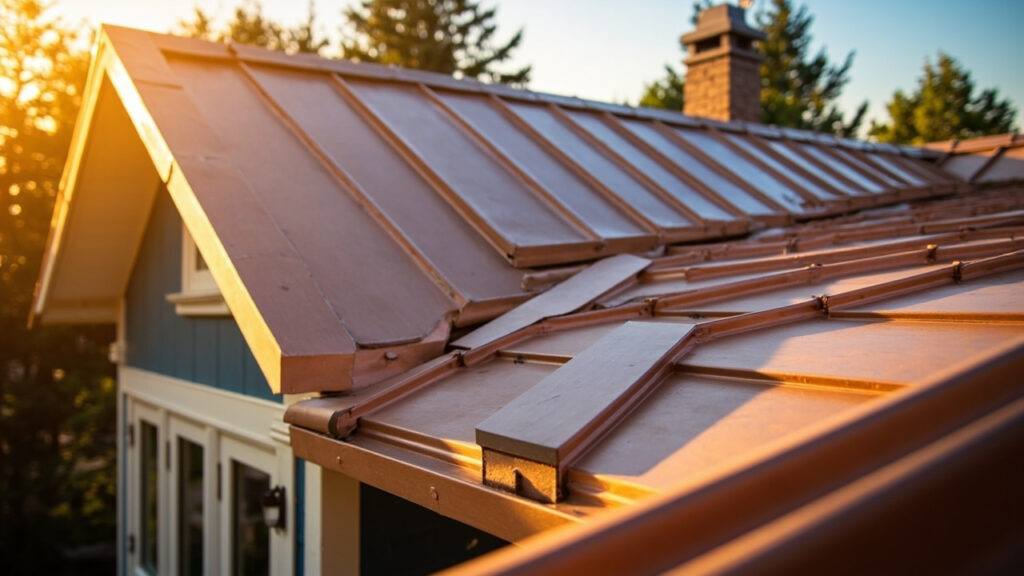
Expert Metal Roofing Services in Denver Highlands (LoHi and West Highland)
Denver Highlands homeowners choose metal roofing for durability that withstands one-inch-plus hailstones, freezing temperatures, and intense UV exposure at 5,280 feet of altitude. Over the past five years, metal roof installations in the 80211 and 80212 zip codes have grown by more than 40 percent as owners of Victorian bungalows, mid-century Craftsman homes, and modern infill properties recognize the long-term value.
You live in one of Denver’s most architecturally distinctive neighborhoods. Your home may feature steep-pitched roofs designed for heavy snow loads, historic character details that matter to local preservation guidelines, or contemporary lines that demand a roofing material matching the home’s clean aesthetic. Metal roofing delivers on all counts while offering energy efficiency, Class 4 impact resistance, and a lifespan that outlasts traditional asphalt shingles by decades.
Metal roofing ranks as the top choice for Highlands properties because it addresses the specific climate and architectural challenges your neighborhood faces. This article walks you through the considerations unique to your area and explains why modern metal roofing has become the standard across LoHi and West Highland.
Why Metal Roofing Dominates Denver Highlands Homes
The Highlands neighborhood faces specific climate challenges that metal roofing addresses directly. Denver sits in what meteorologists call Hail Alley. The city averages one significant hail event every 2.7 years, with hailstones regularly exceeding one inch in diameter. Traditional asphalt shingles suffer impact damage, puncturing, and granule loss from hail that would otherwise destroy a roof’s water-shedding ability within months.
Metal roofing with Class 4 impact resistance ratings stands up to this punishment. The UL 2218 testing standard measures impact resistance by dropping steel balls from specific heights onto roof materials. Class 4 materials survive the heaviest impacts without denting or allowing water penetration. Your insurance company recognizes this strength and rewards you with premium discounts ranging from 15 to 30 percent.
Beyond hail, metal roofing handles Denver’s extreme temperature swings better than any alternative. The city experiences freeze-thaw cycles that make asphalt shingles brittle and cause ice damming. Metal expands and contracts smoothly with temperature changes. This prevents the cracking and separation that plague conventional roofing in high-altitude environments.
The Highlands sits at an elevation where UV radiation intensifies. Snow glare reflects sunlight upward at roof materials, accelerating deterioration. Metal roofing with cool-roof coatings reflects this excess heat, reducing your home’s cooling burden by 10 to 15 percent during Denver’s warm months and lowering energy bills year-round.
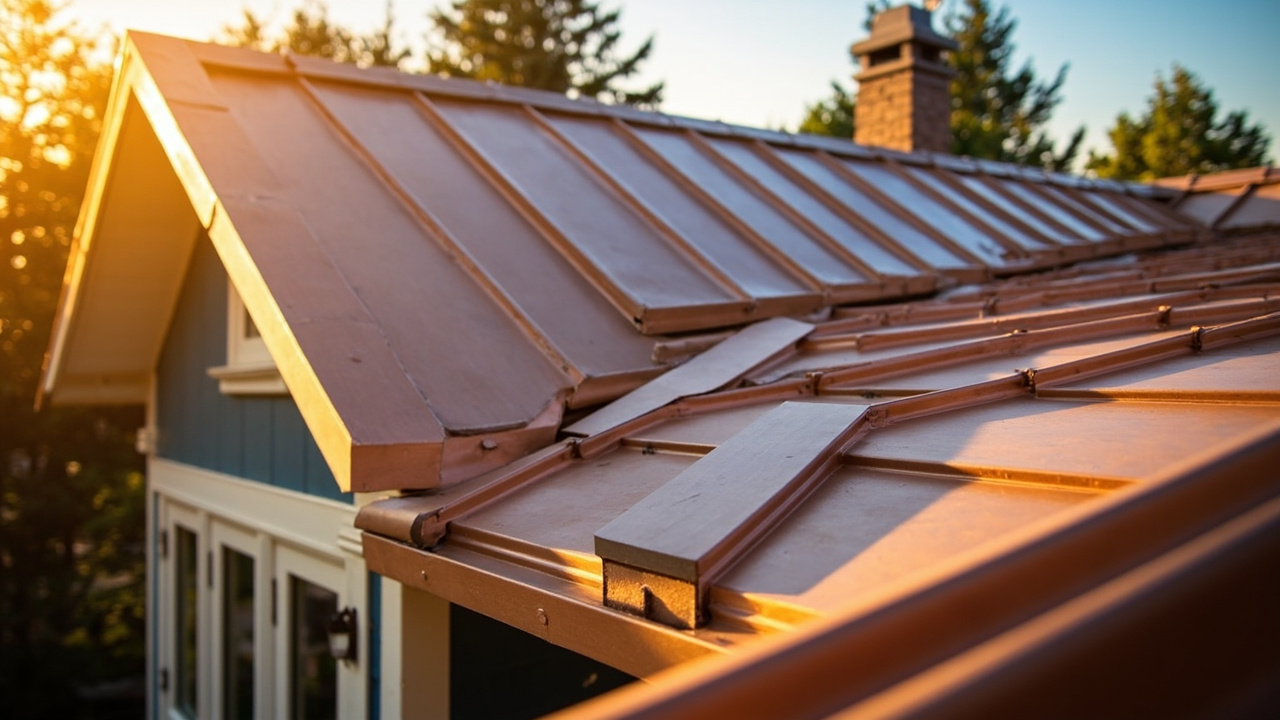
Standing Seam Metal versus Stone-Coated Steel for Historic Character
Two dominant metal roofing profiles suit Denver Highlands homes, and each delivers different aesthetic outcomes.
Standing seam metal roofing features clean, vertical ribs running from roof peak to eave. The panels interlock at raised seams, creating a sleek, contemporary profile that complements modern infill homes and updated historic properties. Standing seam comes in galvalume (an aluminum-zinc alloy that resists corrosion), copper (which develops a protective patina over decades), and painted steel finishes. The profile works beautifully on the steep-pitched roofs common throughout the Highlands because water sheds quickly and snow slides predictably when installed with proper snow guards.
Stone-coated steel shingles mimic the appearance of traditional asphalt shingles or slate while delivering metal’s durability. These are metal shingles with a stone granule coating bonded to the surface. They suit Victorian and Craftsman bungalows throughout LoHi and West Highland, such as the classic homes along Lowell Boulevard in West Highland built between 1912 and 1925, because they preserve architectural authenticity while offering Class 4 hail resistance and Class A fire ratings. The shingles come in colors mimicking aged slate, cedar, or architectural shingles, allowing you to maintain your home’s historic character while gaining 40-to-50-year lifespans instead of the 15-to-20-year lifespan of conventional asphalt.
Both profiles solve the same durability problems. Your choice depends on whether you want to embrace modern aesthetics or preserve your home’s original character.
Your Roof Is Aging. Get Pricing in 3 Days.
Metal roofing requires a decision because your current roof is losing performance every season. Water damage, energy loss, and insurance vulnerability grow each year you delay. Modern metal roofing eliminates these problems for 40 to 50 years, but waiting means missed seasons for installation and continued exposure to Denver’s hail and freeze-thaw cycles.
Contact Apex Roofing today for an inspection and written estimate. You will receive a Repair versus Replace Analysis that shows your roof’s remaining lifespan and the exact cost of metal roofing for your home. We schedule consultations within 3 days and provide quotes by the end of the week.
Historic District Compliance in LoHi and West Highland
The Highlands includes historic districts where roofing choices trigger review requirements. These neighborhoods have design guidelines that city planners enforce to preserve the area’s architectural integrity.
Many homeowners assume metal roofing violates historic preservation rules. This misconception stops them from pursuing a superior material. The truth is more nuanced. Historic district guidelines require that roofing material match the home’s era and character. For Victorian bungalows dating to 1905 to 1920, standing seam copper or stone-coated steel shingles in slate colors pass review because they respect the home’s original aesthetic intent even though the material itself is modern.
Before ordering materials, obtain written approval from Denver’s Landmark Preservation Commission. This step takes 3 to 5 weeks but prevents costly rework. The commission reviews submitted photos, specifications, and color samples. Metal roofing rarely faces rejection because it preserves character while solving the functional problems that original materials cannot address.
Class 4 Impact Resistance and Insurance Savings
Insurance companies understand hail risk in Denver. A single significant hail event can generate thousands of dollars in roofing claims. Carriers offer substantial discounts to homeowners who install Class 4-rated roofing because these materials dramatically reduce claim frequency and severity.
Here’s what Class 4 means in practical terms. The roof survives repeated two-inch-diameter steel ball drops from heights up to 40 inches without cracking, denting, or failing to shed water. This exceeds the hail impact energy in 99 percent of Denver’s hail events. Your roof does not leak. Your insurer does not face a claim.
Premium reductions for Class 4 metal roofing typically range from 15 to 30 percent, depending on your carrier and policy structure. On a home insured for 1.2 million dollars, this translates to savings of 200 to 400 dollars per year. Over the 40-to-50-year life of a metal roof, those savings compound to 8,000 to 20,000 dollars in reduced insurance costs alone.
Some insurers offer additional discounts if your roof includes snow guards, impact-rated gutters, and documented professional installation. These stacking discounts create a strong financial case for metal roofing that extends far beyond the roof’s lifespan.
Snow Guards and Steep Roof Management in the Highlands
Denver’s winter storms deposit significant snow loads on Highlands roofs. The neighborhood’s steep pitches, designed to shed snow naturally, create a secondary hazard. Avalanching snow can slide off the roof edge suddenly, damaging gutters, landscaping, or vehicles parked below.
Metal roofing combined with snow guards prevents this problem. Snow guards are small barriers installed in rows across the roof. They allow snow to melt gradually while preventing full-roof avalanche slides. Metal roofing’s smooth surface is ideal for snow guard installation because the fastening points create permanent secure anchors.
Snow guard systems come in three types. Pad-style guards adhere to the roof surface via adhesive. Clamp-style guards fasten to standing seam ribs without drilling through the roof membrane. Bracket-style guards bolt through the roof into rafters below. For metal roofing, clamp-style guards excel because they grip the standing seams without penetrating the weather-resistant seal.
A typical Highlands home with a 1,800-square-foot roof footprint requires 25 to 40 snow guards installed in staggered rows. The system costs between standard and high-end grades depending on material and installation labor, but prevents ice dam formation and protects property below the roof line.
Denver Building Permits and Code Compliance for Metal Roof Installation
Denver’s building code adopts the International Building Code with local amendments. Metal roofing falls within the standard code requirements, but your installation requires a roofing permit issued by the city. You can reference the Denver Building Codes and Inspections for specific requirements in your area.
The permit process includes a plan review that certifies your roofing system meets three standards. First, the material must be rated for wind resistance appropriate to Denver’s exposure category. Second, the installation method must follow manufacturer specifications and the IRC. Third, the flashing details around penetrations, valleys, and edges must prevent water infiltration.
Permit applications require a signed form, property survey showing lot dimensions, a roof plan showing the roof area and material specifications, and manufacturer installation instructions. The review takes 5 to 10 business days. Inspectors then schedule a pre-installation conference, a rough inspection after framing, and a final inspection after material installation.
This process protects you. A permitted installation creates an inspected record that satisfies future buyers, insurance carriers, and code enforcement. It also ensures your contractor follows standards rather than cutting corners to save time and labor.
Energy Efficiency and Cool Roof Ratings for High-Altitude Denver
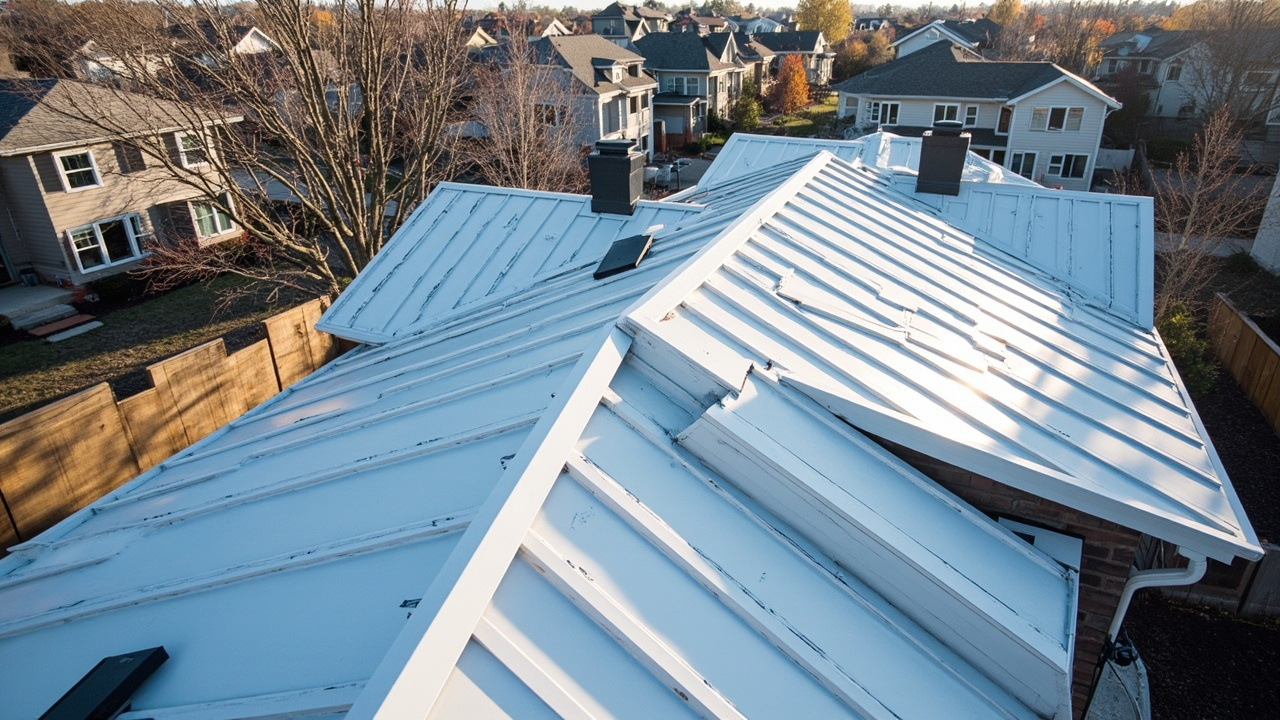
Metal roofing with cool-roof pigments carries high solar reflectance ratings from the Cool Roof Rating Council (CRRC). Most standard asphalt shingles absorb 80 to 90 percent of solar radiation, warming the roof surface to 150 to 180 degrees Fahrenheit on sunny summer days. This heat radiates downward, increasing air conditioning load and energy costs.
Metal roofing with cool pigments reflects 60 to 80 percent of solar radiation. Surface temperatures stay 20 to 30 degrees cooler than dark asphalt roofs. On a Denver summer day with temperatures reaching 85 degrees and intense 5,280-foot altitude sunshine, this cooling effect reduces interior temperatures by 5 to 10 degrees without running the AC system harder.
The energy savings appear on your summer electric bills. Homeowners report 10 to 15 percent reductions in cooling costs during peak months. Denver’s dry, sunny climate maximizes these benefits because cloud cover is minimal compared to regions with frequent overcast days.
Cool-roof metal comes in a range of colors. Premium finishes include charcoal gray, terra cotta, forest green, and bronze that don’t sacrifice aesthetics for performance. The CRRC maintains a product directory where you can verify the solar reflectance and thermal emittance values of specific manufacturers’ products.
Standing Seam Installation Methods and Longevity in Denver Climate
Standing seam metal roofing durability depends on proper installation. The system works because the raised seams interlock, allowing panels to expand and contract freely without opening seams to water penetration.
Installation begins with a fully adhered synthetic underlayment over structural decking. This underlayment provides a secondary water barrier if fasteners ever fail or a seam develops a minor leak. Metal panels are rolled or formed on-site to match your roof dimensions. Each panel runs from peak to eave as one continuous piece, eliminating horizontal seams where water can pool.
Side seams are mechanized-rolled using special equipment that creates a mechanical interlocking seam without fasteners. This is the strength of standing seam systems. The seams cannot fail because nothing holds them except the locking pattern itself. Traditional fastener-based roofing relies on nails or screws staying tight forever, which freeze-thaw cycles eventually undo.
Valley flashings, edge trim, penetration flashings, and gutter connections all use the same seaming methodology. The entire roof becomes one integrated system where water cannot find an entry point.
A properly installed standing seam metal roof lasts 40 to 60 years in Denver’s climate. The material does not degrade from UV exposure, hail does not crack it, and freeze-thaw cycles do not cause separation. Maintenance is minimal. You brush off debris twice per year and inspect flashing after severe storms. Most homeowners report that their metal roof requires less maintenance than gutters.
Metal Roofing ROI and Home Value in Denver Highlands Real Estate
Metal roofing appeals to home buyers in the Highlands because it signals durability, sustainability, and freedom from major repairs. Properties listed with new metal roofs spend 10 to 20 percent less time on market than comparable homes with aging asphalt roofs.
Cost recovery varies. Studies from the National Association of Realtors show that metal roofing returns 60 to 90 percent of installation costs at resale. In the Highlands, where homes range from 700,000 to 2.5 million dollars, this translates to strong equity recovery. An 80,000-dollar metal roof installation on a 1.8-million-dollar home recovers 48,000 to 72,000 dollars at sale.
ROI improves when you combine the roof with other improvements. A new metal roof plus energy-efficient windows, updated HVAC, and exterior paint creates a complete modernization package that buyers recognize immediately. The Highlands market rewards this attention to detail.
The insurance premium reductions and energy bill savings create annual cash flow benefits that extend across your ownership period. If you plan to stay in your Highlands home for 10-plus years, the combined financial benefits of lower insurance costs, reduced energy bills, and eliminated repair expenses justify metal roofing even without considering the resale value premium.
Comparison of Roofing Materials for Denver Highlands Homes
The following table shows how metal roofing compares to alternative materials across the factors that matter most to Highlands homeowners.
| Factor | Standing Seam Metal | Stone-Coated Steel Shingles | Asphalt Shingles | Slate Tile |
|---|---|---|---|---|
| Hail Resistance Rating | Class 4 | Class 4 | Class 2 to 3 | Class 4 |
| Lifespan in Denver Climate | 40 to 60 years | 40 to 50 years | 15 to 25 years | 60 to 80 years |
| Energy Efficiency (CRRC Cool Rating) | High (0.65 or higher) | Medium (0.40 to 0.50) | Low (0.20 to 0.30) | Medium (0.45) |
| Insurance Discount Potential | 15 to 30 percent | 15 to 30 percent | 0 to 5 percent | 20 to 35 percent |
| Maintenance Requirements | Minimal | Minimal | Moderate (inspections every 3 years) | High (annual inspections, repairs) |
| Historic District Compatibility | Good (copper or finishes) | Excellent (preserves character) | Good (if approved) | Excellent (authentic) |
| Installation Cost Relative to Asphalt | 2.5x to 3.5x | 2x to 3x | 1x baseline | 3.5x to 5x |
| Resale Value Recovery | 60 to 90 percent | 60 to 85 percent | 0 to 20 percent | 70 to 100 percent |
This comparison shows why metal roofing has become standard in the Highlands. It delivers Class 4 hail protection, exceptional lifespan, and energy efficiency at a lower cost than slate while requiring less maintenance than any alternative.
Installation Timeline and Disruption Expectations
A typical Highlands home roof installation takes 3 to 5 business days once materials arrive. The timeline depends on roof area, complexity of penetrations, weather, and whether the contractor removes old roofing or installs over existing material.
Day one covers roof preparation. The crew removes old roofing, inspects decking for damage, repairs soft spots, and installs underlayment. Day two includes the installation of standing seam panels or shingles. Days three and four cover flashings, trim, gutters, and final details. Day five involves cleanup, touch-up, and final inspection.
Weather delays are common in Denver. Snow, rain, or high winds can halt installation for safety. A responsible contractor will not install metal roofing in snow or when panels cannot be handled safely.
You can expect dust, noise, and parking disruption during installation. Crews need driveway space for material staging and dumpsters. Alert neighbors in advance. Most homeowners schedule installations in spring or fall when weather is predictable and contractors have availability.
Why Apex Roofing Specializes in Highlands Metal Roof Installation
Metal roofing success in the Highlands requires understanding both the technical demands of 5,280-foot altitude and the aesthetic expectations of homeowners who value their neighborhood’s character. Generic roofing contractors approach every job the same way. Specialists understand why standing seam seams matter, how historic districts evaluate materials, and why Class 4 ratings matter to your insurance carrier and future buyers.
Apex Roofing operates with dedicated focus on neighborhoods like LoHi and West Highland. Our approach starts with a Repair versus Replace Analysis that tells you exactly what your roof needs. Some homes require full replacement. Others need targeted repairs that extend lifespan by 10 years while you build capital for eventual replacement.
Our team holds certifications from major metal roofing manufacturers including DECRA and McElroy Metal. We manage permit applications, historic district approvals, and inspections so you focus on your home rather than bureaucracy. The Highlands neighborhood deserves contractors who understand its specific challenges.
Key Steps to Evaluate Metal Roofing for Your Highlands Home
The following checklist helps you evaluate whether metal roofing makes sense for your property.
- Schedule a professional roof inspection to document current condition and remaining lifespan. Do this before contacting contractors so you know whether replacement is necessary now or in the next 5 years.
- Request a quote specific to standing seam metal, stone-coated steel shingles, and your current roofing material. Compare total installed cost, not just material prices.
- Ask the contractor about insurance discounts available in your area. Request written quotes from your carrier showing the premium reduction for Class 4 roofing. Calculate annual savings.
- If your property is in a historic district, ask the contractor about Landmark Preservation Commission approval timelines and any design restrictions on color or profile.
- Request a sample of the proposed material and color in person. Lighting and angle affect appearance. See the material before committing to installation.
- Verify manufacturer warranties in writing. Reputable metal roofing manufacturers offer 30-year paint warranties and lifetime structural warranties.
- Ask about financing options. Many contractors partner with lenders offering 5-to-10-year terms for roofing projects.
- Request references from recent Highlands installations. A contractor should provide photos and contact information for homeowners who completed similar projects.
Frequently Asked Questions
Does metal roofing work on low-slope roofs in the Highlands?
Metal roofing excels on steep slopes common in the Highlands, but also works on low-slope or flat roofs found in renovated lofts and modern infill homes. Standing seam is ideal for low slopes because seams create integrated drainage paths. Installation requires slightly different methodology including steeper sealant application and more frequent fastening patterns. Most Denver contractors have experience with both steep and flat applications.
Can metal roofing be installed over existing asphalt shingles?
Code permits installation over existing material if the existing roof is in sound condition and does not exceed two layers. Many contractors recommend complete tear-off and installation on clean decking. Tear-off allows inspection for damage, ensures proper underlayment installation, and provides the cleanest long-term result. The cost difference is typically 15 to 25 percent higher for tear-off, but the investment pays dividends in durability and warranty validity.
What color metal roofing works best for historic Highlands homes?
Historic district guidelines favor colors that match the aesthetic of original materials. Slate gray, aged copper, charcoal, and burnt sienna tones work with Victorian and Craftsman bungalows. Modern homes in West Highland or new infill properties can use contemporary colors like charcoal, bronze, or copper. Submit color samples to the Landmark Preservation Commission if your property is in a historic district. Many homeowners are surprised to learn that copper standing seam roofing, which will develop a patina over 20 to 30 years, aligns perfectly with historic preservation intentions.
How much does metal roofing cost compared to asphalt shingles?
Metal roofing costs 2.5 to 3.5 times more than asphalt shingles on a per-square-foot basis. When you factor in lifespan, insurance discounts, energy savings, and maintenance reduction, the long-term cost per year is comparable or lower than asphalt. Homeowners planning to stay in their Highlands homes for 15 years or longer see strong financial benefits from metal roofing beyond the initial cost premium.
Does metal roofing rust in Denver’s climate?
No. Modern metal roofing uses galvalume (an aluminum-zinc coating) or painted steel with polyester topcoats that resist corrosion far better than bare metal. Denver’s high altitude and dry climate favor metal roofing because low humidity prevents the corrosion mechanisms common in coastal or humid regions. Proper installation with sealed fasteners and flashing prevents any rust development over the roof’s lifespan.
What maintenance does a metal roof require?
Metal roofing requires minimal maintenance. Twice per year, brush off debris from valleys and gutters. After severe hail or wind storms, inspect for visible damage. Most metal roofs will not need repairs for 20-plus years if installed properly. Compare this to asphalt roofs, which require inspection every 3 years and repairs every 5 to 7 years.
Next Steps to Get Metal Roofing for Your Highlands Home
Metal roofing makes sense if you value durability, energy efficiency, and freedom from recurring repairs. The Highlands neighborhood’s climate and architecture demand a roofing solution that performs across 40 to 50 years of Denver weather. Your roof is aging right now. Every season you wait, water damage risk increases and energy loss compounds.
Call Apex Roofing today to schedule your Repair versus Replace Analysis. We examine your current roof, provide a written assessment, and show you exactly what metal roofing costs for your specific home. You will receive quotes for standing seam metal, stone-coated steel, and alternatives so you can make an informed decision backed by real numbers and professional guidance.
The Highlands deserves roofing that matches the neighborhood’s quality and character. Metal roofing delivers that performance. Take the first step by contacting Apex Roofing to explore your options.