
Understanding Denver’s Unique Scupper Challenges
Your flat roof in LoHi faces constant threats from Colorado’s extreme weather. Scuppers serve as the critical drainage pathway for water to escape from your parapet walls. When these openings become blocked by debris snow or ice water backs up and can cause severe structural damage to your roof membrane and interior spaces.
Denver’s freeze-thaw cycles create a perfect storm for scupper failure. Water trapped in scuppers expands when it freezes causing cracks in the flashing and sealant. This repeated expansion and contraction weakens the entire drainage system over time. The Front Range’s intense UV exposure also degrades the rubber seals and caulking that keep your scuppers watertight.
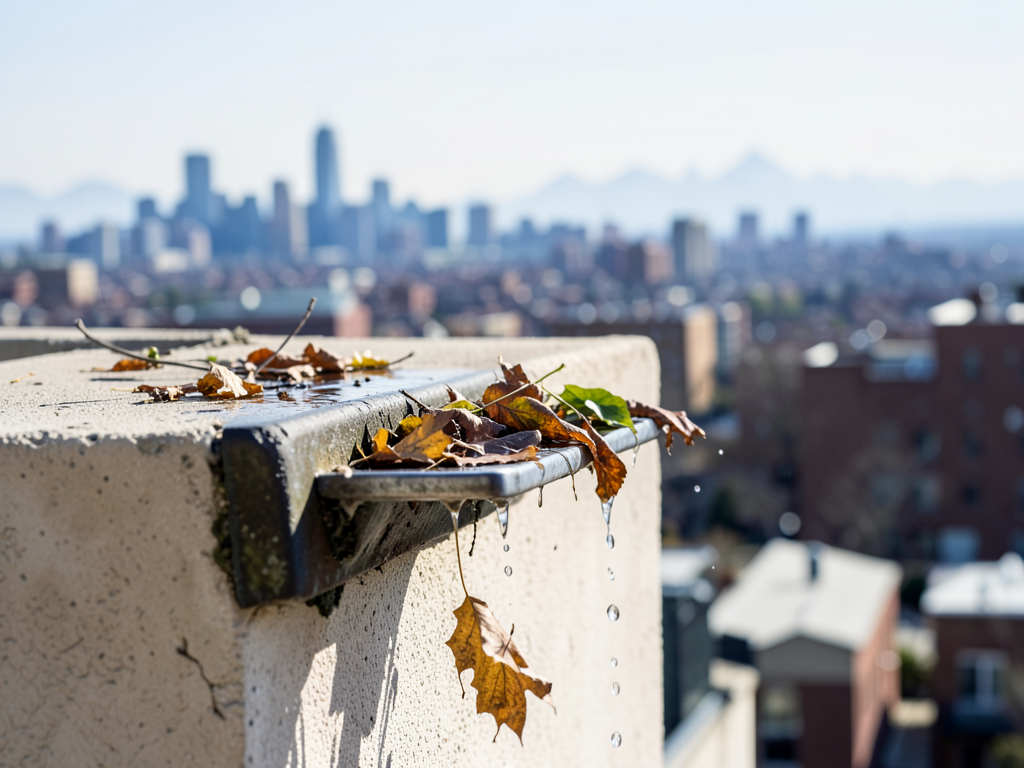
LoHi’s mature trees drop leaves twigs and cottonwood seeds that accumulate in scupper openings. These natural debris sources combine with windblown trash to create stubborn blockages. Once water cannot escape through the scuppers it pools on your roof surface increasing the weight load and creating ideal conditions for leaks and membrane deterioration. Fixing Flat Roof Leaks in LoHi and Modern Denver Homes.
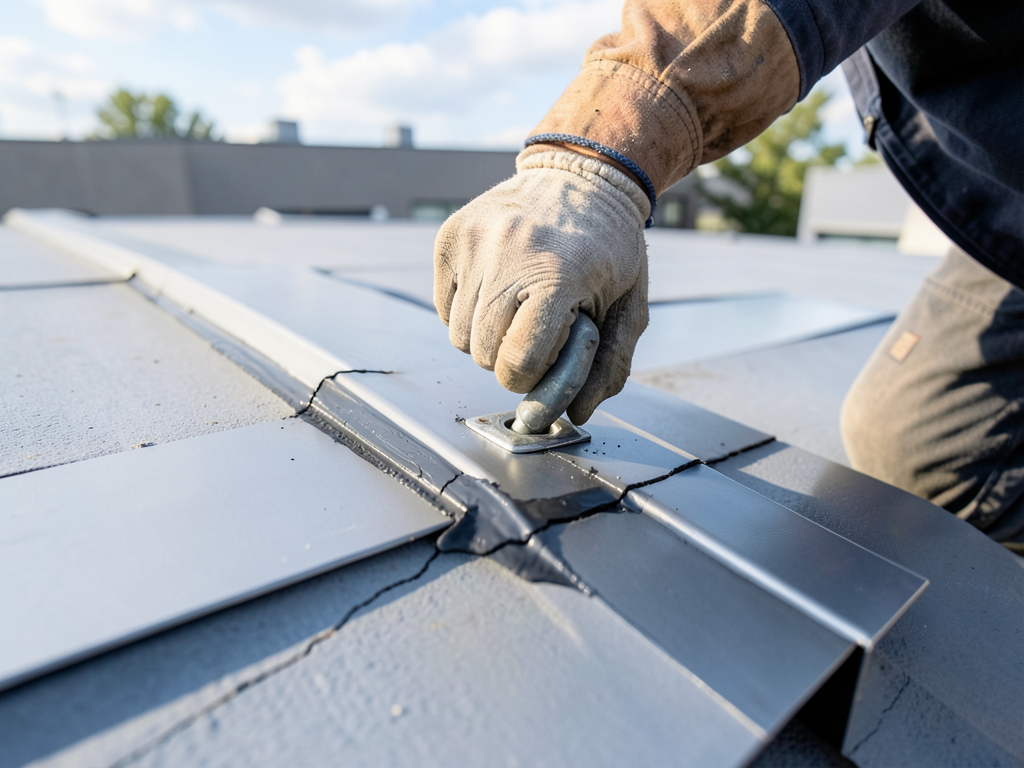
Common Scupper Failure Points in Denver Properties
The most frequent failure occurs at the scupper flashing where the drainage opening meets the roof membrane. Denver’s temperature swings cause the sealant to separate from both the metal flashing and the TPO or EPDM membrane. This separation creates channels for water to penetrate beneath the roofing layers. EPA moisture control guidelines.
Parapet wall deterioration represents another major threat. The freeze-thaw process causes the mortar between bricks to crack allowing water to seep into the wall structure. When temperatures drop this moisture freezes and expands pushing the parapet apart from the roof system. The separation creates gaps where water can enter and damage both the exterior and interior walls.
Metal scuppers in older Denver buildings often develop rust particularly at the seams and corners. Rust weakens the metal structure causing holes to form. These holes allow water to leak directly into the wall cavity or onto the roof surface below. The rust also creates rough surfaces that catch debris more easily creating a cycle of blockage and deterioration.
Denver-Specific Maintenance Schedule
Denver’s climate demands more frequent scupper maintenance than other regions. Schedule professional inspections twice yearly in late spring and early fall. Spring inspections clear winter debris and check for ice damage. Fall inspections prepare your system for heavy snow loads and prevent freeze-related failures.
After major storms check your scuppers immediately. Denver’s afternoon thunderstorms can deposit significant debris in a short time. Look for leaves twigs and trash blocking the openings. Clear any visible obstructions using a gloved hand or soft brush. Never use sharp tools that could damage the flashing or membrane.
Winter requires special attention in Denver. Check scuppers after every significant snowfall. Snow accumulation can block openings before you notice water pooling on your roof. Use a plastic shovel or roof rake to clear snow from around scupper openings. Never chip away ice with metal tools as this damages the flashing and membrane.
- Visual Examination
Look for standing water around scupper openings. Check for cracks in the sealant and rust on metal components. Examine the flashing for separation from the roof membrane.
- Debris Removal
Clear leaves twigs and trash from the scupper opening. Use a garden hose to flush out remaining debris. Check that water flows freely through the entire drainage path.
- Sealant Assessment
Inspect all caulking for cracks gaps or separation. Pay special attention to corners and seams where sealant failure commonly begins. Look for UV damage that causes sealant to become brittle.
- Structural Check
Examine the parapet wall for cracks or separation from the roof. Check for signs of water staining on interior walls near scuppers. Look for rust-through on metal scuppers.
Materials Matter: Denver’s Scupper Solutions
Denver’s harsh climate demands specific material choices for scupper durability. TPO-clad scuppers offer superior UV resistance compared to standard galvanized metal. The thermoplastic membrane bonds directly to your roof creating a seamless transition that resists separation during temperature swings.
Copper scuppers provide excellent longevity in Denver’s environment. While more expensive initially copper develops a protective patina that resists corrosion. The material expands and contracts with temperature changes without cracking. Copper also handles freeze-thaw cycles better than most metals used in scupper construction.
Modified bitumen scuppers work well for built-up roofing systems common in older Denver buildings. The asphalt-based material handles temperature extremes and provides good waterproofing. However modified bitumen requires more frequent maintenance than TPO or copper options due to its tendency to become brittle with age. Roofing Sheridan.
Emergency Scupper Repairs in LoHi
Water backing up through scuppers requires immediate action to prevent interior damage. First contain the leak inside using buckets and towels. Move furniture and valuables away from affected areas. Document the damage with photos for insurance purposes.
Temporarily seal small cracks in sealant using roofing tape or emergency roof patch. This buys time until professional repairs can be made. For larger separations use a temporary tarp to direct water away from the damaged area. Never walk on a wet roof as this creates safety hazards and can cause additional damage.
Contact a Denver roofing professional immediately for emergency service. Most local contractors offer 24/7 emergency response for active leaks. Quick professional intervention prevents minor scupper issues from becoming major structural problems. The cost of emergency service is minimal compared to water damage repair costs.
Cost Comparison: Prevention vs. Repair
| Service Type | Average Cost Range | Frequency Needed | Long-term Value |
|---|---|---|---|
| Professional Scupper Cleaning | $150 – $300 | Bi-annually | High – prevents major damage |
| Sealant Replacement | $400 – $800 | Every 3-5 years | Medium – extends system life |
| Flashing Repair | $600 – $1,500 | As needed | High – stops active leaks |
| Complete Scupper Replacement | $1,200 – $3,000 | Every 15-20 years | Very High – restores full function |
| Water Damage Repair | $2,500 – $10,000+ | After failure | Low – reactive only |
Denver Building Code Requirements
Denver building codes mandate specific scupper design requirements for flat roofs. Secondary overflow scuppers must be installed at a higher level than primary drainage points. This design ensures water can escape even if primary scuppers become completely blocked. The overflow openings must be at least 2 inches higher than the primary scupper lip.. Read more about How to Install a Roof Deck Railing on Your Sloan’s Lake Home Without Causing a Major Leak.
Parapet walls in Denver must include proper waterproofing membranes extending at least 12 inches above the roof surface. This membrane creates a watertight barrier that prevents moisture from entering the wall structure. The flashing must be installed with counterflashing that extends into the mortar joints for secure attachment.
Denver requires Class A fire-rated materials for all scupper components in commercial buildings. This requirement ensures the drainage system will not contribute to fire spread between adjacent properties. The fire rating applies to both the scupper body and all associated flashing materials.
Professional vs. DIY Maintenance
DIY scupper maintenance works for basic debris removal and visual inspections. However Denver’s elevation creates unique challenges that often require professional expertise. The intense UV exposure and extreme temperature swings can cause damage that appears minor but indicates serious underlying problems.
Professional roofers use infrared moisture detection to find water trapped beneath the roofing membrane. This technology reveals problems invisible to the naked eye. Professionals also have access to commercial-grade sealants and flashing materials that last longer than consumer products.
Ladder safety becomes critical when working on Denver’s elevated properties. The Front Range’s frequent wind gusts create fall hazards even on calm days. Professional roofers use proper fall protection equipment and have insurance coverage for accidents. The cost of professional service often equals or exceeds DIY material costs when you factor in equipment rental and your time.
Warning Signs Your Scuppers Need Immediate Attention
Interior water stains near exterior walls indicate scupper failure. These stains often appear as yellow or brown discolorations on ceilings or walls. The location directly corresponds to where water penetrates through failed scupper flashing. Address these signs immediately to prevent mold growth and structural damage.
Standing water on your roof surface for more than 48 hours signals drainage problems. Denver’s afternoon thunderstorms can overwhelm blocked scuppers quickly. Pooling water adds thousands of pounds of weight to your roof structure and accelerates membrane deterioration through UV exposure.
Cracks in your parapet wall mortar or separation between the wall and roof indicate serious moisture intrusion. These structural issues worsen rapidly in Denver’s freeze-thaw climate. The expanding ice forces cracks wider each cycle causing progressive damage that becomes exponentially more expensive to repair.
Protecting Your Investment
Your flat roof represents a significant investment that requires proper drainage to maintain its value. Regular scupper maintenance costs far less than emergency repairs or premature roof replacement. Denver property owners who neglect scupper maintenance often face unexpected expenses when leaks damage interior finishes and personal belongings. How Much a Full Roof Replacement Actually Costs in Denver Right Now.
Document all maintenance activities including dates inspections and repairs. This documentation helps with insurance claims and provides valuable information for future property sales. Many buyers in LoHi specifically ask about drainage system maintenance when evaluating flat roof properties.
Consider a maintenance contract with a local Denver roofing company. These agreements provide scheduled inspections and priority service for emergencies. The predictable costs help with budgeting while ensuring your scuppers receive professional attention before minor issues become major problems.
Frequently Asked Questions
How often should I clean my scuppers in Denver?
Clean your scuppers at least twice yearly in spring and fall. After major storms check for debris immediately. Denver’s heavy spring snow and summer thunderstorms can quickly overwhelm blocked drainage systems.
Can I use a pressure washer to clean my scuppers?
Avoid pressure washers as they can damage sealant and flashing. Use a garden hose with moderate pressure or manual cleaning methods. High-pressure water can force its way beneath roofing membranes causing more problems than it solves.
What’s the difference between a scupper and a roof drain?
Scuppers drain water through openings in parapet walls while roof drains collect water through internal drains in the roof surface. Scuppers are more visible and accessible but require more frequent maintenance due to exposure to debris and weather.
How do I know if my scuppers meet Denver building codes?
Denver requires secondary overflow scuppers installed 2 inches above primary openings. The flashing must extend 12 inches up parapet walls with proper counterflashing. A professional inspection can verify your system meets current code requirements.
Should I replace old metal scuppers with TPO?
TPO scuppers offer better UV resistance and longer lifespan in Denver’s climate. However replacement requires complete removal of old flashing which adds cost. Consider replacement if your metal scuppers show rust damage or frequent sealant failures. Industrial Roof Replacement.
What causes ice dams in scuppers during Denver winters?
Heat escaping from your building melts snow on the roof. This water flows to cold scupper openings where it refreezes creating ice dams. Poor insulation and ventilation contribute to this cycle. Proper attic insulation helps prevent ice dam formation.
How much does professional scupper maintenance cost in Denver?
Professional cleaning typically costs $150 to $300 depending on roof accessibility and debris levels. More complex repairs like sealant replacement range from $400 to $800. Emergency services may cost 50% more but prevent expensive water damage.
Can scupper problems affect my home insurance?
Yes. Insurance companies may deny claims for water damage caused by neglected maintenance. Some policies require proof of regular roof inspections. Document all maintenance activities to support potential insurance claims.
What neighborhoods near LoHi have similar scupper issues?
Highlands Sloan’s Lake and Sunnyside face identical drainage challenges due to similar building styles and mature tree coverage. These northwest Denver neighborhoods share the same freeze-thaw climate patterns that stress scupper systems. Getting Your Highlands Ranch Roof Replaced After a Major Hail Storm.
How long do scupper repairs typically take?
Basic cleaning takes 1-2 hours. Sealant replacement requires 3-4 hours including drying time. Complete scupper replacement may take 1-2 days depending on weather conditions and roof accessibility. Emergency repairs often complete within 24 hours.
Take Action Today
Don’t wait for water damage to discover your scupper problems. Denver’s harsh climate will only make minor issues worse over time. A simple inspection now can prevent thousands in emergency repairs later.
Call Apex Roofing Denver at (720) 484-8300 for a comprehensive scupper inspection. Our local experts understand LoHi’s unique drainage challenges and provide solutions that last. We offer emergency service for active leaks and scheduled maintenance to keep your system functioning properly.
Protect your flat roof investment with professional scupper maintenance. The cost of prevention is minimal compared to water damage restoration. Contact us today to schedule your inspection and ensure your drainage system handles whatever Colorado weather brings next. For more information, visit FEMA ice dam prevention guide.
{
“@context”: “https://schema.org”,
“@type”: “BlogPosting”,
“headline”: “Why Clogged Scuppers are the Biggest Threat to Your Modern LoHi Flat Roof”,
“description”: “Clogged scuppers can cause major water damage to your LoHi flat roof. Learn Denver-specific maintenance tips to prevent costly repairs and protect your property.”,
“wordCount”: 2116,
“datePublished”: “2026-06-11T15:00:00.000Z”,
“dateModified”: “2026-06-11T15:00:00.000Z”,
“inLanguage”: “en-US”,
“mainEntityOfPage”: {
“@type”: “WebPage”,
“@id”: “https://apexroofingdenver.com”
},
“publisher”: {
“@type”: “LocalBusiness”,
“name”: “Apex Roofing Denver”,
“url”: “https://apexroofingdenver.com”
},
“author”: {
“@type”: “Organization”,
“name”: “Apex Roofing Denver”,
“url”: “https://apexroofingdenver.com”
},
“image”: {
“@type”: “ImageObject”,
“url”: “https://apexroofingdenver.com/wp-content/uploads/2026/03/why-clogged-scuppers-are-the-biggest-threat-to-you-1.png”
}
}
{
“@context”: “https://schema.org”,
“@type”: “RoofingContractor”,
“name”: “Apex Roofing Denver”,
“url”: “https://apexroofingdenver.com”,
“address”: {
“@type”: “PostalAddress”,
“addressLocality”: “Denver”
},
“areaServed”: {
“@type”: “City”,
“name”: “Denver”
}
}
{
“@context”: “https://schema.org”,
“@type”: “FAQPage”,
“mainEntity”: [
{
“@type”: “Question”,
“name”: “How often should I clean my scuppers in Denver?”,
“acceptedAnswer”: {
“@type”: “Answer”,
“text”: “Clean your scuppers at least twice yearly in spring and fall. After major storms check for debris immediately. Denver’s heavy spring snow and summer thunderstorms can quickly overwhelm blocked drainage systems.”
}
},
{
“@type”: “Question”,
“name”: “Can I use a pressure washer to clean my scuppers?”,
“acceptedAnswer”: {
“@type”: “Answer”,
“text”: “Avoid pressure washers as they can damage sealant and flashing. Use a garden hose with moderate pressure or manual cleaning methods. High-pressure water can force its way beneath roofing membranes causing more problems than it solves.”
}
},
{
“@type”: “Question”,
“name”: “What’s the difference between a scupper and a roof drain?”,
“acceptedAnswer”: {
“@type”: “Answer”,
“text”: “Scuppers drain water through openings in parapet walls while roof drains collect water through internal drains in the roof surface. Scuppers are more visible and accessible but require more frequent maintenance due to exposure to debris and weather.”
}
},
{
“@type”: “Question”,
“name”: “How do I know if my scuppers meet Denver building codes?”,
“acceptedAnswer”: {
“@type”: “Answer”,
“text”: “Denver requires secondary overflow scuppers installed 2 inches above primary openings. The flashing must extend 12 inches up parapet walls with proper counterflashing. A professional inspection can verify your system meets current code requirements.”
}
},
{
“@type”: “Question”,
“name”: “Should I replace old metal scuppers with TPO?”,
“acceptedAnswer”: {
“@type”: “Answer”,
“text”: “TPO scuppers offer better UV resistance and longer lifespan in Denver’s climate. However replacement requires complete removal of old flashing which adds cost. Consider replacement if your metal scuppers show rust damage or frequent sealant failures. Industrial Roof Replacement.”
}
},
{
“@type”: “Question”,
“name”: “What causes ice dams in scuppers during Denver winters?”,
“acceptedAnswer”: {
“@type”: “Answer”,
“text”: “Heat escaping from your building melts snow on the roof. This water flows to cold scupper openings where it refreezes creating ice dams. Poor insulation and ventilation contribute to this cycle. Proper attic insulation helps prevent ice dam formation.”
}
},
{
“@type”: “Question”,
“name”: “How much does professional scupper maintenance cost in Denver?”,
“acceptedAnswer”: {
“@type”: “Answer”,
“text”: “Professional cleaning typically costs $150 to $300 depending on roof accessibility and debris levels. More complex repairs like sealant replacement range from $400 to $800. Emergency services may cost 50% more but prevent expensive water damage.”
}
},
{
“@type”: “Question”,
“name”: “Can scupper problems affect my home insurance?”,
“acceptedAnswer”: {
“@type”: “Answer”,
“text”: “Yes. Insurance companies may deny claims for water damage caused by neglected maintenance. Some policies require proof of regular roof inspections. Document all maintenance activities to support potential insurance claims.”
}
},
{
“@type”: “Question”,
“name”: “What neighborhoods near LoHi have similar scupper issues?”,
“acceptedAnswer”: {
“@type”: “Answer”,
“text”: “Highlands Sloan’s Lake and Sunnyside face identical drainage challenges due to similar building styles and mature tree coverage. These northwest Denver neighborhoods share the same freeze-thaw climate patterns that stress scupper systems. Getting Your Highlands Ranch Roof Replaced After a Major Hail Storm.”
}
},
{
“@type”: “Question”,
“name”: “How long do scupper repairs typically take?”,
“acceptedAnswer”: {
“@type”: “Answer”,
“text”: “Basic cleaning takes 1-2 hours. Sealant replacement requires 3-4 hours including drying time. Complete scupper replacement may take 1-2 days depending on weather conditions and roof accessibility. Emergency repairs often complete within 24 hours.”
}
}
]
}
{
“@context”: “https://schema.org”,
“@type”: “HowTo”,
“name”: “How to Inspect Your Scuppers”,
“step”: [
{
“@type”: “HowToStep”,
“position”: 1,
“name”: “Visual Examination”,
“text”: “Look for standing water around scupper openings. Check for cracks in the sealant and rust on metal components. Examine the flashing for separation from the roof membrane.”
},
{
“@type”: “HowToStep”,
“position”: 2,
“name”: “Debris Removal”,
“text”: “Clear leaves twigs and trash from the scupper opening. Use a garden hose to flush out remaining debris. Check that water flows freely through the entire drainage path.”
},
{
“@type”: “HowToStep”,
“position”: 3,
“name”: “Sealant Assessment”,
“text”: “Inspect all caulking for cracks gaps or separation. Pay special attention to corners and seams where sealant failure commonly begins. Look for UV damage that causes sealant to become brittle.”
},
{
“@type”: “HowToStep”,
“position”: 4,
“name”: “Structural Check”,
“text”: “Examine the parapet wall for cracks or separation from the roof. Check for signs of water staining on interior walls near scuppers. Look for rust-through on metal scuppers.”
}
],
“image”: “https://apexroofingdenver.com/wp-content/uploads/2026/03/why-clogged-scuppers-are-the-biggest-threat-to-you-1.png”
}
{
“@context”: “https://schema.org”,
“@type”: “BreadcrumbList”,
“itemListElement”: [
{
“@type”: “ListItem”,
“position”: 1,
“name”: “Home”,
“item”: “https://apexroofingdenver.com”
},
{
“@type”: “ListItem”,
“position”: 2,
“name”: “Blog”,
“item”: “https://apexroofingdenver.com/blog”
},
{
“@type”: “ListItem”,
“position”: 3,
“name”: “Why Clogged Scuppers are the Biggest Threat to Your Modern LoHi Flat Roof”
}
]
}
{
“@context”: “https://schema.org”,
“@type”: “Service”,
“serviceType”: “Roofing”,
“provider”: {
“@type”: “LocalBusiness”,
“name”: “Apex Roofing Denver”,
“url”: “https://apexroofingdenver.com”
},
“areaServed”: {
“@type”: “City”,
“name”: “Denver”
},
“description”: “Clogged scuppers can cause major water damage to your LoHi flat roof. Learn Denver-specific maintenance tips to prevent costly repairs and protect your property.”
}