
What Size Hail Actually Causes Damage to a Shingle Roof in Denver?
Denver sits in the heart of “Hail Alley” where severe thunderstorms produce damaging hail from May through September. When pea-sized hail bounces off your car you might wonder if your roof suffered damage too. The truth is size matters and so does the speed those ice balls fall through Colorado’s thin mountain air. Colorado Department of Regulatory Agencies roofing information.
Many homeowners wait too long to check their roofs after a storm. By the time they notice a leak the damage has already compromised their home’s structure. Understanding hail size thresholds helps you make smart decisions about inspections and insurance claims. Insurance Information Institute hail damage guide.
Hail Size Comparison Chart
| Hail Diameter | Common Object Comparison | Likely Damage to Asphalt Shingles | Recommended Action |
|---|---|---|---|
| Less than 0.5 inch | Pea or pencil eraser | Minimal to none | Monitor roof for 30 days |
| 0.5 to 0.75 inch | Penny or dime | Possible granule loss on older shingles | Visual inspection recommended |
| 0.75 to 1 inch | Quarter or nickel | Bruising and granule displacement | Professional inspection advised |
| 1 to 1.5 inches | Golf ball | Shingle cracking and underlayment damage | Schedule inspection immediately |
| 1.5 to 2 inches | Baseball or lime | Severe cracking and potential leaks | File insurance claim promptly |
| Over 2 inches | Grapefruit or softball | Structural damage possible | Emergency tarping needed |
How Hail Size Affects Different Roofing Materials
The impact of hail varies dramatically based on your roofing material. Asphalt shingles dominate Denver homes but metal and tile roofs respond differently to Colorado’s frequent storms. Roofing Contractor Magazine hail damage guide.
Asphalt Shingles
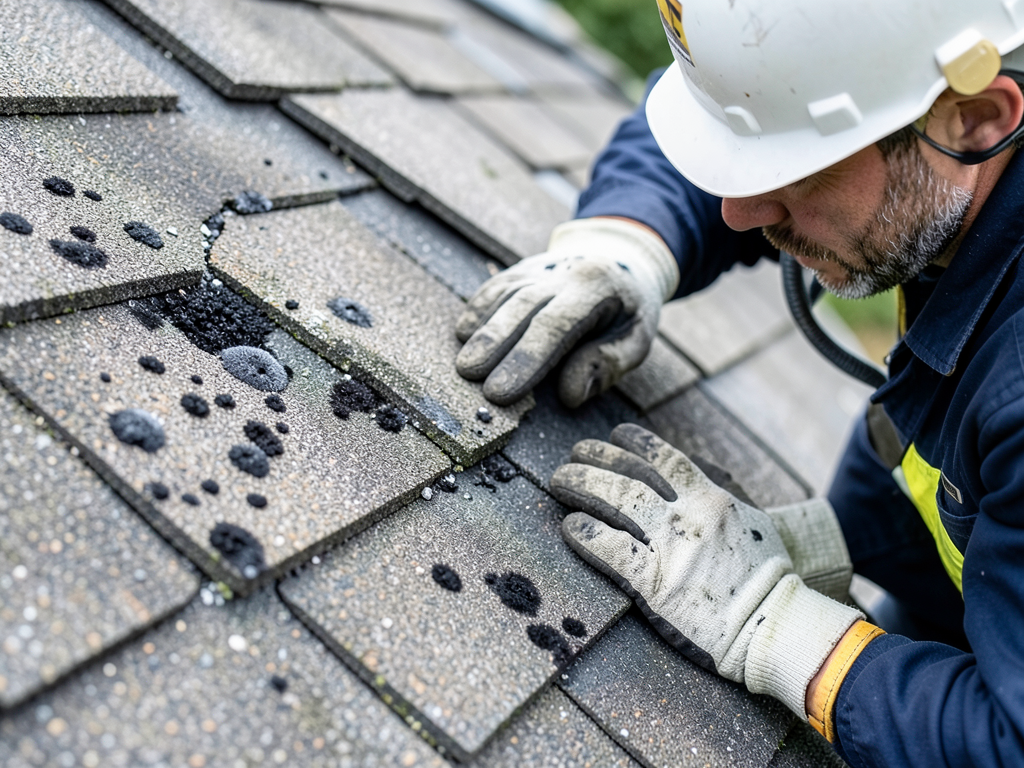
Standard three-tab shingles typically show damage when hail reaches quarter size or larger. The impact creates bruising where the fiberglass mat cracks beneath the surface. You will see dark spots where granules have been knocked away exposing the asphalt to UV rays. Over time these spots widen and allow water infiltration.
Architectural shingles with their thicker construction resist smaller hail better. The multiple layers provide more cushion against impacts. However once hail exceeds one inch in diameter even premium shingles sustain damage.
Metal Roofing
Metal panels dent from hail but the damage is mostly cosmetic unless the dent affects seams or fasteners. A golf ball sized hail impact can bend flashing and create stress points where water can seep under panels. The good news is metal roofs rarely leak from hail alone unless the storm produces baseball sized ice.
Tile and Slate
Ceramic and concrete tiles crack when struck by hail as small as one inch. The brittle nature of these materials means even pea sized hail can chip edges over time. Slate roofs show similar vulnerability with impact cracks radiating from strike points. These materials often require complete tile replacement rather than spot repairs. How Much a Full Roof Replacement Actually Costs in Denver Right Now.
Hidden Damage: What 1-Inch Hail Does to Your Underlayment
The real danger of hail damage hides beneath your visible shingles. When hail strikes with enough force it can crack the fiberglass mat and bruise the shingle without creating an obvious hole. This bruising weakens the shingle’s structural integrity.
More importantly the impact can damage the underlayment below. Modern synthetic underlayments resist tearing better than traditional felt paper but they still puncture when struck by golf ball sized hail. Once the underlayment fails water can travel between the roof deck and your ceiling.. Read more about The Real Difference Between Class 3 and Class 4 Shingles for Home Insurance Discounts.
Denver’s intense UV exposure accelerates damage to bruised shingles. The combination of high altitude sun and temperature swings causes cracked areas to expand and contract more rapidly than intact shingles. What starts as minor bruising can become a leak within one heating season.
The Denver Factor: Why Altitude and Wind Velocity Matter
Denver’s mile high elevation changes everything about hail damage. At 5,280 feet the air density is about fifteen percent lower than at sea level. This means hail falls faster and hits your roof with more kinetic energy than the same size hail would in a coastal city.
Combine this with Denver’s notorious wind patterns and you get compound damage. Eastward moving storms often bring hail driven by winds exceeding 40 miles per hour. The combined effect of size speed and wind force means quarter sized hail in Denver can cause damage similar to golf ball sized hail in lower elevations.
The Front Range’s topography creates a perfect storm for hail formation. The Rocky Mountains force warm air upward where it cools rapidly and forms ice. These storms often sit over areas like Lakewood and Englewood dropping multiple rounds of hail in a single afternoon.
Insurance Claims and the ‘One-Year Rule’ in Colorado
Colorado law gives homeowners one year from the date of storm damage to file an insurance claim. This “statute of limitations” applies to hail damage specifically. Missing this deadline means your insurance company can deny coverage even if the damage is obvious.
Many Denver homeowners make the mistake of waiting to see if a leak develops. By then the damage may have worsened and insurance adjusters can argue the additional damage resulted from neglect rather than the original storm.
Insurance companies look for specific damage patterns when evaluating hail claims. They check for bruising granule loss and cracked shingles. They also examine metal components like vents and flashing for consistent denting across the roof surface. Random damage suggests wear and tear while uniform patterns indicate hail impact.
How to Measure Hail Size Accurately
After a storm people often overestimate hail size. A quarter inch difference matters when determining if your roof sustained damage. Here are accurate ways to measure hail using common household items.
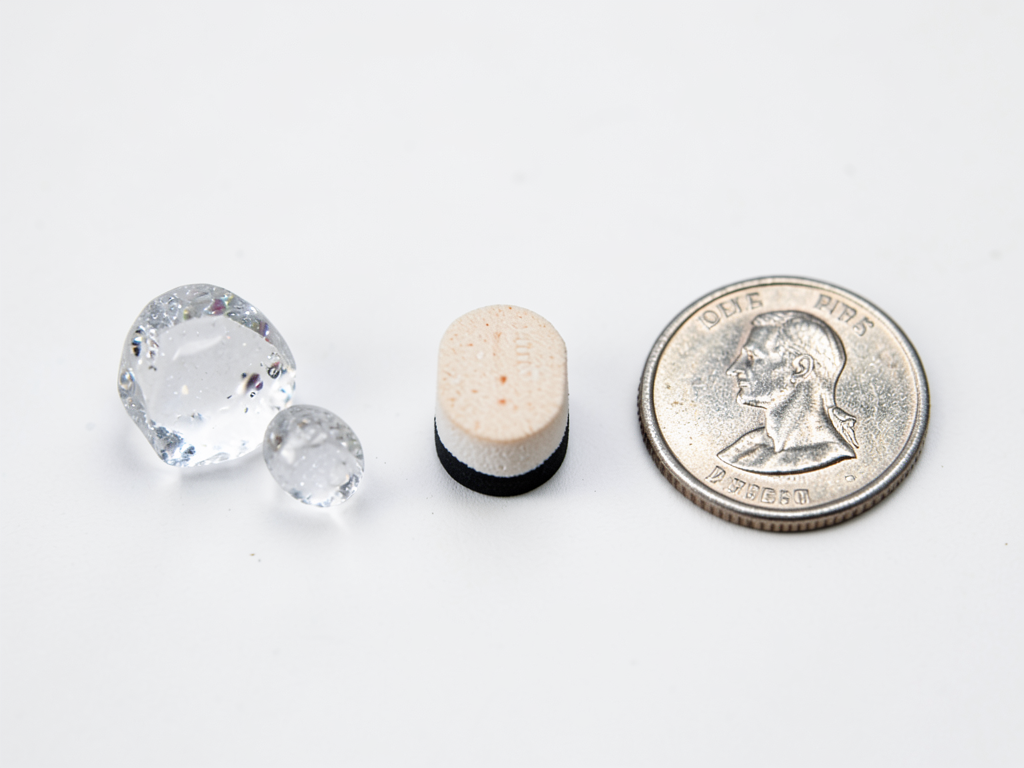
A standard pencil eraser measures about 0.25 inches in diameter. A dime is 0.705 inches. A quarter is exactly 0.955 inches. A golf ball measures 1.68 inches. Comparing hail to these objects gives you a reliable estimate. Reliable Gutter Installation for New Builds in Central Park.
Place the object next to the hail on a flat surface. Take photos with a ruler visible for scale. This documentation helps when filing insurance claims. Remember that hail can vary greatly in size even within the same storm.
Metal Flashing and Gutter Denting as Indicators
Sometimes the best evidence of hail damage appears on components other than your shingles. Metal roof vents gutters and flashing show impact marks clearly. These surfaces dent consistently when struck by hail of the same size.
Check your gutter downspouts for consistent dimpling. Examine metal chimney caps and plumbing vents. If these show damage but your shingles look intact you likely have hidden shingle damage. The granules on shingles often hide impact marks that would be obvious on metal.
Soft hail that occurs in early spring may not dent metal surfaces but can still damage shingles through granule displacement. Hard clear ice common in summer storms creates the most visible damage across all roof components.
Class 4 Impact Resistant Shingles: Worth the Investment?
Class 4 impact resistant shingles carry a UL 2218 rating indicating they withstand steel ball impacts without cracking. In Denver these shingles often qualify for insurance premium discounts of up to twenty percent. The initial cost runs about thirty percent higher than standard architectural shingles.
For homes in hail prone areas like Westminster or Northglenn the investment pays off over time. These shingles resist damage from hail up to two inches in diameter. They also last longer under Denver’s intense UV exposure.
Insurance companies in Colorado increasingly require Class 4 shingles for new roofs in certain zip codes. Some municipalities are considering mandating impact resistant materials for all new construction in hail alley.
Recent Denver Hail Events and Their Impact
Denver experienced three major hail events in 2024 alone. The May 15 storm dropped golf ball sized hail across the DTC area causing widespread damage to roofs built before 2010. The July 22 storm focused on northern suburbs with baseball sized hail reported in Thornton.
The August 10 storm was particularly damaging because it followed a period of extreme heat. Shingles had become brittle from summer temperatures and the hail caused more cracking than would normally occur. Many homeowners who delayed inspections after earlier storms found extensive damage after this final event.
These storms highlight why regular roof inspections matter even if you do not see obvious damage after a storm. Small issues compound over time especially in Denver’s climate.
Roof Cricket Drainage and Hail Damage
Homes with complex rooflines often feature crickets behind chimneys or where roof sections meet. These diversion structures handle water flow but also accumulate hail. The concentrated impact in these areas can cause premature wear.
Cricket flashing takes direct hail hits that might glance off field shingles. Over time this creates weak points where leaks develop. Inspecting cricket areas requires getting onto the roof or using binoculars from the ground. Getting Your Highlands Ranch Roof Replaced After a Major Hail Storm.
Proper cricket installation with adequate ice and water shield provides extra protection in hail prone areas. The additional cost of upgrading cricket protection often pays for itself through extended roof life.
Emergency Tarping After Major Hail Events
When hail damage creates active leaks emergency tarping prevents further interior damage. A properly installed tarp extends beyond damaged areas by at least three feet on all sides. It must be secured with furring strips to prevent wind uplift. Fixing Flat Roof Leaks in LoHi and Modern Denver Homes.
Never use blue poly tarps without proper installation. These can trap moisture and cause additional damage. Professional tarping uses breathable materials and creates a temporary waterproof barrier until permanent repairs begin.
Denver’s afternoon thunderstorms mean temporary repairs need to withstand wind and rain. Waiting until Monday after a Friday storm can result in thousands of dollars in additional water damage.
Repair vs Replace Analysis After Hail Damage
Not every hail damaged roof needs complete replacement. Factors that influence this decision include roof age shingle type and extent of damage. Roofs under ten years old with localized damage often qualify for spot repairs. Industrial Roof Replacement.
However if hail damage affects over twenty five percent of your roof surface replacement becomes more cost effective. Matching existing shingles proves difficult especially on older roofs where color fading has occurred.
Insurance companies prefer repair when possible but will approve replacement if damage compromises the roof’s waterproof integrity. A professional inspection documents damage extent and helps determine the most economical solution.
Denver Building Code Requirements for Hail Resistance
Denver’s building code references International Building Code requirements for impact resistance in hail prone areas. While not mandating Class 4 shingles for all roofs the code requires proper underlayment and ice and water shield in critical areas.
Roof replacements in Denver must meet current code requirements regardless of when the original roof was installed. This means upgrading underlayment and adding ice and water shield where none existed before.
The city’s Green Building Ordinance for commercial properties requires cool roof materials that reflect rather than absorb heat. These materials often provide better hail resistance than traditional dark roofing.
Thermal Shock and Its Role in Hail Damage
Denver’s dramatic temperature swings create thermal shock that weakens roofing materials. A roof baking at 150 degrees Fahrenheit on a summer afternoon becomes more brittle. When hail strikes during an afternoon thunderstorm the combination of heat and impact creates more damage than the same hail would cause on a cool day.
Morning hailstorms cause less damage because shingles remain flexible from overnight cooling. This is why hail that occurs between 2 PM and 6 PM often creates more extensive damage than morning hail of the same size.
Understanding thermal shock helps explain why two identical homes can experience different levels of damage during the same storm. Factors like tree cover and orientation affect how much heat shingles absorb before impact.
Common Mistakes After Hail Storms
Many homeowners make critical errors after hail events. The most common mistake is assuming no visible damage means no damage exists. Granule loss and bruising often hide from ground level view.
Another frequent error is hiring the first contractor who knocks on your door. Storm chasers follow hail paths offering quick fixes at suspiciously low prices. These contractors often disappear after payment leaving homeowners with incomplete or shoddy work.
Delaying inspection to save money typically costs more in the long run. What starts as minor damage can become a major leak within months. Insurance companies also become less cooperative when damage worsens due to neglect.
Red Flags When Hiring Hail Damage Contractors
Legitimate roofing contractors have local addresses and can provide proof of insurance. They offer written estimates and do not demand large upfront payments. Be wary of anyone who shows up immediately after a storm offering special storm prices.
Check for proper licensing through the Colorado Department of Regulatory Agencies. Verify insurance coverage with the contractor’s carrier. Ask for references from local jobs completed at least one year ago.
A trustworthy contractor will inspect your roof and provide a detailed report with photos. They should explain their findings in terms you understand and offer options rather than pushing for the most expensive solution.
Protecting Your Investment: Maintenance After Hail Season
Regular maintenance extends roof life after hail exposure. Clean gutters prevent water backup that can force its way under damaged shingles. Trim overhanging branches that can scratch and weaken hail damaged areas.
Schedule annual inspections especially if your roof has experienced previous hail damage. Small repairs prevent minor issues from becoming major problems. Document all maintenance and repairs for insurance purposes.
Consider applying roof coatings designed for impact resistance. These products add a protective layer that helps resist future hail damage. While not a substitute for proper materials they provide additional protection in high risk areas.
Frequently Asked Questions
Can pea sized hail damage my roof?
Pea sized hail typically does not damage modern asphalt shingles. However it can dislodge granules on older roofs and create cumulative damage over multiple storms. The real concern is whether larger hail accompanied the pea sized stones.
How long after a hail storm should I inspect my roof?
Inspect your roof within 48 hours after a storm if possible. This allows you to document damage while it is fresh. However many types of hail damage especially bruising may not be visible for several days as shingles react to the impact.
Will my insurance cover all hail damage?
Insurance covers damage that affects your roof’s ability to keep water out. Cosmetic damage like minor denting without functional impairment may not be covered. Your policy deductible still applies and multiple claims can affect future premiums.
How can I tell if my shingles are damaged?
Look for dark spots where granules are missing circular bruises and cracks in the shingle surface. Check for damage to metal components like vents and flashing. From the ground you might see patches where shingle color appears different suggesting recent replacement.
Should I file a claim for quarter sized hail?
Quarter sized hail often causes damage to asphalt shingles especially if accompanied by high winds. However whether to file a claim depends on your deductible and the extent of damage. A professional inspection can determine if damage warrants a claim.
What is the difference between hail damage and blistering?
Hail damage creates random impact marks while blistering occurs in patterns often related to manufacturing defects or poor ventilation. Hail impacts leave sharp edges and may expose fiberglass matting. Blisters typically have rounded edges and contain trapped moisture or air.
How much does hail damage repair cost in Denver?
Repair costs vary based on damage extent roof size and materials. Spot repairs might cost a few hundred dollars while complete replacement can exceed twenty thousand. Insurance typically covers damage beyond your deductible amount.
Can I prevent hail damage?
You cannot prevent hail from falling but you can minimize damage through impact resistant materials proper installation and regular maintenance. Class 4 shingles provide the best protection. Keeping trees trimmed away from your roof also reduces damage risk.
How do I know if my contractor is legitimate?
Check for local business license insurance coverage and references. Verify their physical address and contact information. Legitimate contractors provide detailed written estimates and do not pressure you to sign immediately. They also have a permanent local presence not just a temporary storm response.
What should I do if I find hail damage?
Document the damage with photos and notes about when you discovered it. Contact your insurance company to understand your coverage. Get multiple estimates from reputable local contractors. Do not make permanent repairs until after the insurance adjuster inspects the damage.
Protect Your Denver Home From Hail Damage Today
Hail damage does not wait and neither should you. If your roof has experienced recent storms or shows signs of wear our team provides thorough inspections with detailed documentation. We serve homeowners throughout Denver including Lakewood Englewood and surrounding areas.
Call Apex Roofing Denver at (720) 484-8300 for a free inspection. Our experts will assess your roof’s condition and provide clear recommendations whether you need minor repairs or complete replacement. Do not let hidden hail damage compromise your home’s protection.
Emergency tarping available 24/7 for active leaks. Weekend appointments offered for your convenience. Serving the Denver metro area with local expertise you can trust.