
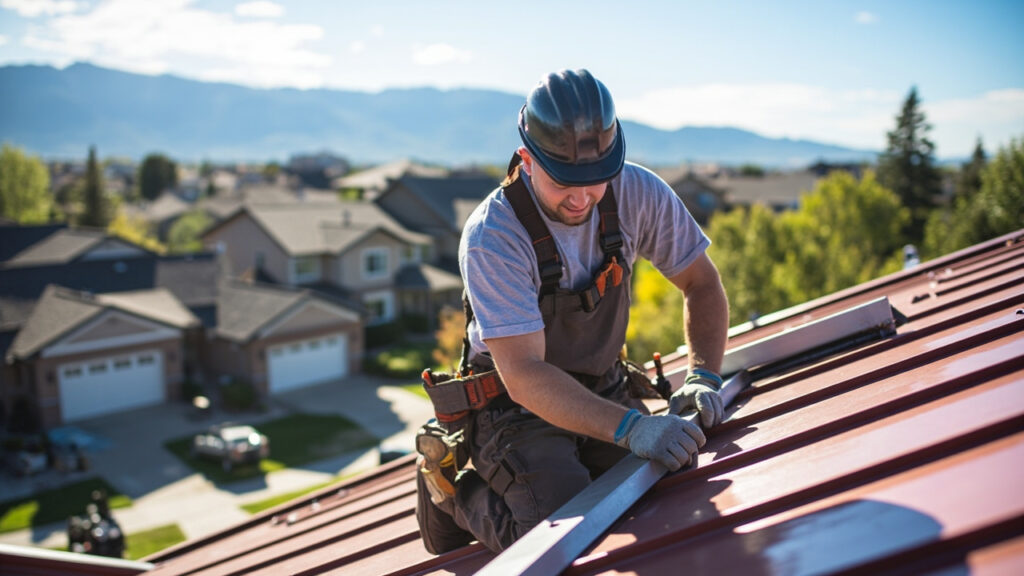
What a Full Roof Replacement Costs in the Denver Metro Area
A roof replacement in the Denver metro area runs between $9,000 and $30,000 for most residential homes, depending on roof size, material choice, and complexity. The actual cost per square foot varies based on whether you choose standard asphalt shingles, impact-resistant shingles designed for Colorado hail, or metal roofing.
This cost includes labor, materials, disposal fees, and Denver building permits. Your final bill depends on several Denver-specific factors, including your roof’s pitch, the altitude’s effect on material longevity, and whether your insurance covers hail damage.
Understanding these costs before you call a contractor puts you in control of the conversation. You avoid the guessing game that plagues homeowners in Englewood, Sheridan, and Littleton. Supply chains stabilized in 2026 after multiple years of volatility, which normalized pricing after the inflationary spikes of the early 2020s.
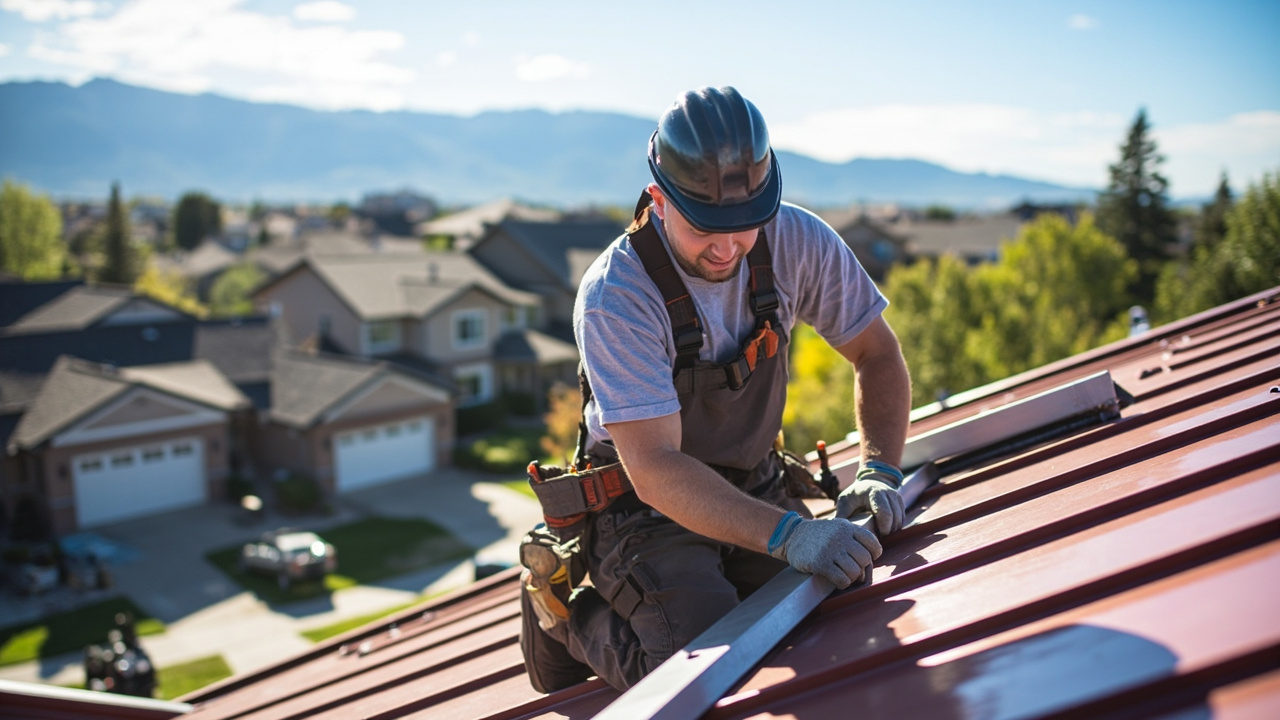
Average Roof Replacement Costs for Denver Homes
Denver homeowners typically spend a moderate amount for a standard asphalt shingle roof on a 2,000 square foot home. Homes in Sheridan and Englewood with larger footprints or steeper pitches climb toward the higher end of replacement budgets.
These estimates assume a straightforward pitched roof with no major structural complications. If your roof has dormers, multiple valleys, or requires underlayment upgrades to meet current Denver building code, costs increase.
Labor represents 40 to 50 percent of your total bill. Denver roofers charge between modest and premium hourly rates for skilled work. A typical residential replacement takes 3 to 5 days depending on weather and crew size.
Material costs stabilized in 2026 after supply chain pressures eased. Asphalt shingles cost less upfront but require replacement every 20 to 25 years in Denver’s climate. Metal roofing costs more initially but lasts 40 to 50 years with minimal maintenance.
Cost Breakdown by Roofing Material
Your choice of material makes the biggest impact on your replacement cost. The table below shows what you pay per square, which is the industry standard unit for roofing measurements (100 square feet).
| Material Type | Cost Per Square | Total for 20 Squares | Lifespan in Denver |
|---|---|---|---|
| Standard Asphalt Shingles (3-tab) | Low to moderate range | Roughly 2 to 3 times labor cost | 15 to 20 years |
| Class 4 Impact Resistant Asphalt | Moderate range | Ranges from 3 to 4 times labor cost | 20 to 25 years |
| Metal Standing Seam | Premium range | Ranges from 6 to 10 times labor cost | 40 to 50 years |
| Synthetic Slate | High range | Ranges from 5 to 8 times labor cost | 25 to 40 years |
Class 4 impact resistant asphalt shingles cost roughly 50 to 70 percent more per square than standard shingles, but they resist hail impact better and may qualify you for insurance discounts in Colorado. Homeowners in areas susceptible to large hail often recover the upcharge through lower premiums over 5 to 10 years.
Metal roofing requires specialized installation, which drives labor costs higher. A metal roof demands trained crew members who understand fastening protocols and thermal expansion in Denver’s freeze-thaw cycles. You pay a premium, but the durability and minimal maintenance offset the higher initial investment.
How Denver’s Climate Affects Roofing Costs
Denver’s elevation of 5,280 feet exposes roofing materials to extreme UV radiation year-round. This accelerates degradation of asphalt shingles and drives many homeowners toward impact resistant or metal options that hold up better at altitude.
Hail ranks as the biggest cost driver for Denver roofs. Large hail events occur multiple times per year in what meteorologists call Hail Alley, which covers the Denver metro and eastern Colorado plains. Hail risk varies significantly by ZIP code. A single hail storm can create dents and punctures in standard roofing that lead to premature replacement or costly repairs.
Snow load is another factor. Denver receives 50 to 80 inches of snow annually depending on the year. Your roof must handle this weight safely. Steeper pitched roofs shed snow faster and cost more to install but reduce ice dam risk along the gutter line. Littleton foothills experience steeper terrain and more significant snow loads than the flat expanses of Sheridan, which drives higher installation costs in hillside neighborhoods.
Freeze-thaw cycles are relentless. Winter temperatures drop below zero at night, then climb to the 40s during the day. Recent freeze-thaw oscillations stressed roofing materials and fasteners more than typical seasons. This constant expansion and contraction affects how long your roof survives. Metal roofing handles this better than asphalt shingles because metal expands and contracts more predictably.
Denver Building Permits and Local Fees
The City and County of Denver requires a roofing permit before work begins. Permit fees vary depending on the project scope and your contractor’s classification with the city.
Your contractor handles the permit application, but the cost passes to you. Denver’s building department reviews all permits to ensure compliance with current building code standards, which adopt the International Building Code with local amendments for high-altitude and hail considerations.
Modern neighborhoods like Englewood and Sheridan face standard restrictions but sometimes require premium materials to match contemporary design aesthetics. Littleton foothills neighborhoods occasionally have additional requirements based on local zoning codes.
Disposal and recycling fees add another cost layer to your bill. Old roofing material goes to landfills or recycling facilities in the Denver metro. Roofers charge per ton of material removed. A typical residential roof generates 3 to 5 tons of waste, depending on the roof’s footprint and whether there are multiple layers underneath.
Labor Costs and Project Timeline
Roofers in Denver and surrounding areas like Englewood and Sheridan earn competitive wages, with crew leaders and experienced installers commanding premium hourly rates. These rates reflect the specialized skills required for steep pitches, high-altitude work, and impact resistant shingle installation.
A standard residential roof replacement takes 3 to 5 days. Weather delays are common. Denver’s spring and early summer bring afternoon thunderstorms that halt work immediately. If your roof replacement falls during hail season, schedule flexibility protects your timeline.
Crew size matters. Most residential replacements use 4 to 6 workers plus a crew leader. Larger crews finish faster but increase labor costs. Smaller crews work slower but may reduce daily costs. The net effect is similar if the job takes longer at lower daily cost.
Winter roofing work costs 10 to 20 percent more because crews move slower in cold and wind, and material installation requires different techniques when temperatures drop below freezing. Many homeowners schedule replacements for late spring through early fall to avoid winter premiums.
Insurance and Hail Damage Claims
Colorado insurance policies often cover hail damage to roofs if the damage meets the deductible threshold. Your deductible typically runs 2 to 5 percent of your home’s insured value, which translates to a moderate amount on most Denver homes.
After a major hail storm, your insurer may send an adjuster to assess damage. The adjuster photographs the roof and determines whether repair or replacement is warranted. If the adjuster recommends replacement and the damage meets your policy’s coverage terms, your insurer pays the replacement cost minus your deductible.
This process takes 2 to 4 weeks. During that time, do not start work without written approval from your insurer. Roofers who pressure you to start immediately or promise to waive your deductible are operating outside insurance guidelines and may not be reputable.
Insurance claims often cover only the material cost, not labor. Some policies include labor coverage, but many do not. Review your homeowners policy or call your agent to understand what your coverage includes before discussing the claim.
If your roof shows minor hail damage but does not yet warrant replacement, your insurer may approve a repair claim. A repair buys time and costs far less than full replacement.
Factors That Increase Roof Replacement Costs
- Roof pitch. Steep roofs require more labor time and safety precautions, adding 15 to 25 percent to labor costs.
- Complex roof shapes. Multiple valleys, dormers, and skylights increase material waste and labor hours.
- Structural repairs. If roofers discover rotted plywood or damaged trusses during removal, repairs add significant expenses.
- Upgraded underlayment. Modern Denver homes require ice and water shield, synthetic underlayment, and ventilation improvements that add cost.
- Flashing upgrades. Replacing or repairing flashing around chimneys, vents, and skylights adds labor and materials.
- Attic ventilation. Some projects require soffit and ridge vent installation or repair to meet current code and improve roof longevity.
- Gutters and downspouts. If gutters are old or damaged during removal, replacement adds expense.
- Architectural shingles. Premium shingle styles cost 20 to 30 percent more than standard 3-tab shingles but enhance curb appeal.
Cost Comparison for Denver Neighborhoods
Roofing costs do not vary dramatically within the Denver metro, but labor availability and contractor experience differ by area. Englewood and Sheridan host active residential roofing markets with stable pricing and numerous contractor options. Neighborhoods farther from I-25 or those requiring specialized industrial expertise may face longer wait times or higher travel fees. Littleton’s foothills neighborhoods command premium labor rates due to steeper roof pitches, while flat Sheridan properties allow faster installation and lower costs.
| Area | Typical Home Size | Asphalt Replacement Cost Range | Notes |
|---|---|---|---|
| Englewood | 1,800 to 2,200 sq ft | Moderate range | Steady contractor availability, moderate roof pitches |
| Sheridan | 1,600 to 2,000 sq ft | Lower moderate range | Close proximity to suppliers, flat terrain, competitive pricing |
| Littleton | 2,000 to 2,500 sq ft | Higher moderate range | Foothills location with steeper lots, higher labor complexity |
Homes in Littleton often sit on slightly steeper terrain than Englewood or Sheridan, which adds labor time and cost. Steep driveways and hillside lots require more setup time and safety gear. Contractors in these areas account for the extra complexity.
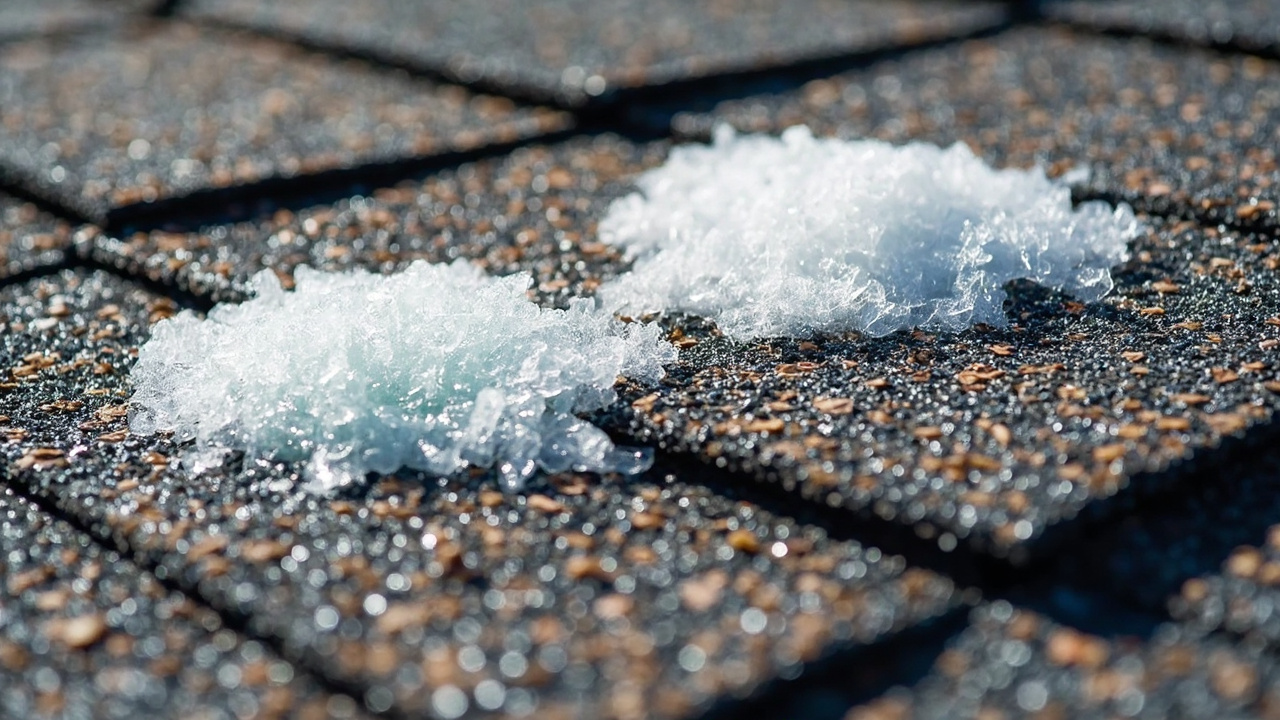
How to Estimate Your Roof Replacement Cost
Start by measuring your roof size in squares. A square equals 100 square feet. Most residential roofs range from 15 to 25 squares. If you do not know your roof size, check your homeowners insurance documents or tax assessor’s information online.
Next, determine your roof pitch. Pitch is the steepness of the slope, expressed as rise over run. A 6/12 pitch means the roof rises 6 inches for every 12 inches of horizontal distance. You can estimate pitch by looking at your roof from the ground or climbing into the attic and measuring the angle.
Steeper pitches (8/12 or higher) increase cost because workers move slower and safety precautions are stricter. Flatter pitches (4/12 or lower) are faster but carry different challenges for water drainage and ice damming.
With roof size and pitch in hand, use the material cost table above to estimate material cost. Multiply your square count by the cost per square for your chosen material. Then add 40 to 50 percent for labor. The result is a rough estimate before permits and disposal fees.
For example, a 20-square roof with Class 4 impact resistant shingles at a moderate per-square rate costs a proportional amount in materials. Labor at 45 percent adds a corresponding amount. Permits and disposal add moderately. Your rough total falls in line with replacement costs for smaller homes.
Keep in mind this is a rough calculation. Actual quotes vary based on roof complexity, local labor rates, and contractor overhead. Always obtain multiple written bids from licensed Denver contractors before committing.
Class 4 Impact Resistant Shingles and Insurance Discounts
Class 4 impact resistant shingles are engineered to withstand hail impact without breaking or puncturing. They resist impacts from hail up to 2 inches in diameter, which covers most Colorado hail events.
Many insurance companies offer discounts of 10 to 20 percent on premiums for homes with Class 4 shingles. This discount reflects the lower replacement risk if hail strikes again. Over 5 to 10 years, the premium savings often equal or exceed the higher upfront material cost.
To qualify for the discount, your shingles must meet the ASTM D3161 Class 4 impact resistance rating. The shingles must be installed by licensed contractors and inspected by your insurer if required. Check with your insurance agent about discount eligibility before selecting shingles.
Common Class 4 brands include GAF Timberline HD, Owens Corning Duration, and CertainTeed Landmark. These brands cost 15 to 30 percent more than standard shingles but provide superior performance in Denver’s hail environment.
Metal Roofing as a Long-Term Investment
Metal roofing costs nearly double the price of asphalt shingles upfront. A metal roof on a 20-square home costs significantly more installed compared to asphalt alternatives.
The long-term math is different. Metal roofing lasts 40 to 50 years with virtually no maintenance beyond occasional gutter cleaning. Asphalt shingles last 20 to 25 years in Denver’s climate and may need partial replacement at the 15-year mark due to hail damage.
Over 40 years, you replace asphalt shingles twice. That is three total replacements if you count the initial install. Metal roofing requires one install and one possible refresh at year 30 to 40 if fasteners need replacement. The cumulative cost of asphalt replacements approaches the cost of one high-quality metal roof.
Metal roofing also handles hail better than asphalt. Dents in metal do not compromise waterproofing, so hail damage is cosmetic rather than structural. Asphalt hail damage leads to leaks and rotting if not addressed immediately.
Standing seam metal roofing is the most popular choice in Denver. It features vertical seams that run from eave to peak, with fasteners hidden under the seams. This design minimizes leaks and adapts to thermal expansion better than other metal styles.
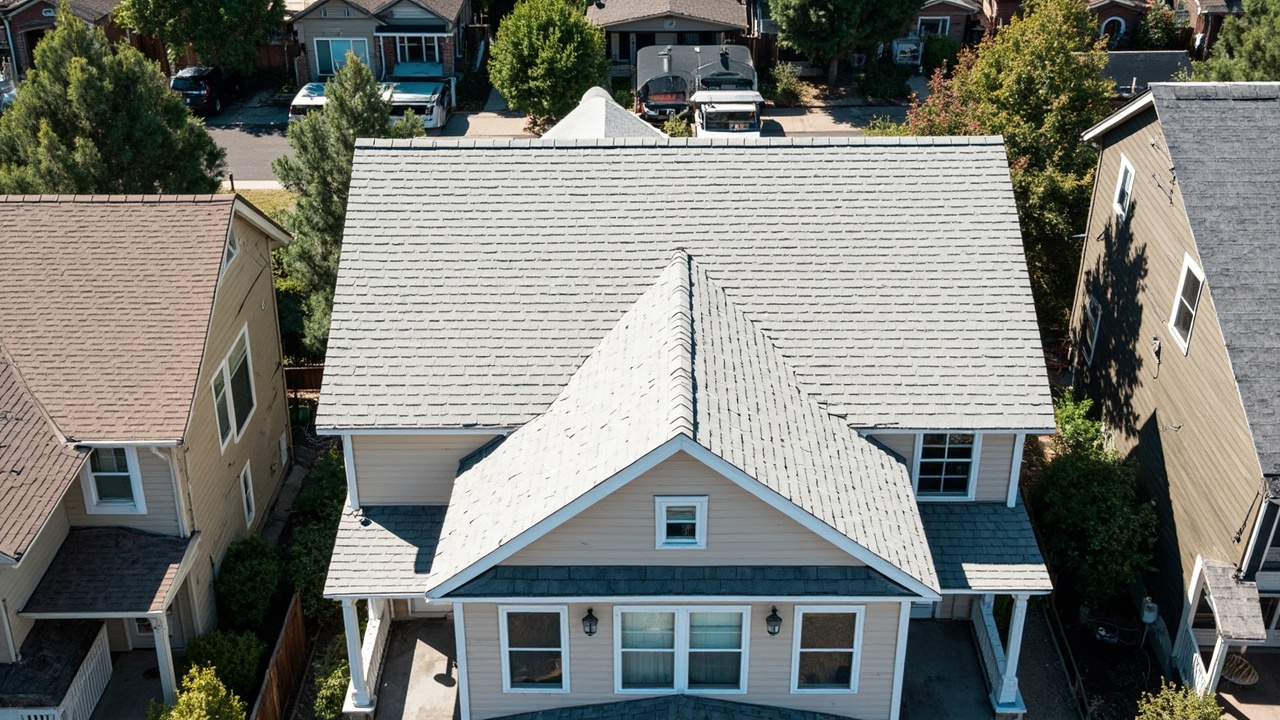
Getting Multiple Bids and Avoiding Common Mistakes
Request written bids from at least three Denver contractors. Each bid should itemize material costs, labor costs, permits, and disposal fees separately. This transparency lets you compare apples to apples.
Beware of bids significantly lower than others. Cut-rate pricing often means lower-grade materials, faster labor that skips steps, or contractors who cut corners on safety. The cheapest bid is not the best bid if the contractor rushes or uses inferior materials.
Conversely, the highest bid is not always the best value. Some contractors inflate prices for high-end finishes that do not improve performance. Ask what you are paying for if one bid runs 20 percent higher than others.
Verify that contractors carry workers compensation insurance and general liability insurance. Ask for proof before work begins. Uninsured contractors leave you liable if someone is injured on your property.
Check licensing with the City and County of Denver and the Colorado Division of Regulatory Agencies. Colorado law requires roofers to be licensed as Class A, Class B, or Specialty contractors depending on their scope of work. A Class A license covers residential roofing up to significant values. Verify your contractor’s license status on the Colorado Division of Regulatory Agencies website to confirm current credentials.
Do not agree to pay the full job cost upfront. Standard practice is a deposit of 25 to 50 percent when work begins, progress payments as work proceeds, and final payment upon completion and inspection. Insist on a written contract that specifies payment terms, warranty coverage, and cleanup responsibilities.
Frequently Asked Questions
How long does a roof replacement take in Denver
A typical residential roof replacement takes 3 to 5 days for the actual installation work. Weather delays can extend this. Permit processing adds 1 to 2 weeks before work begins. Plan for 4 to 6 weeks from initial bid to project completion.
What is the best roofing material for Denver’s climate
Class 4 impact resistant asphalt shingles offer the best balance of cost and performance for most Denver homeowners. Metal roofing is superior for durability and hail resistance but costs more initially. Standard asphalt shingles save money upfront but require replacement sooner.
Will my homeowners insurance cover my roof replacement
Most policies cover hail damage if it exceeds your deductible. Coverage varies by policy and insurer. Contact your agent with photos of damage to determine eligibility. Some policies exclude roofs past a certain age.
Can I get a roof replacement during winter
Yes, but it costs 10 to 20 percent more. Crews work slower in cold and wind. Asphalt shingles require warmer installation temperatures for proper sealing. Spring and fall are ideal seasons for roof replacement in Denver.
How do I know if I need a full replacement or just repairs
A professional evaluation determines whether repair or replacement makes sense based on the extent of damage, roof age, and remaining lifespan. If damage covers more than 25 percent of the roof or your roof is over 20 years old, replacement usually makes more financial sense than repairs.
Are there financing options for roof replacement
Many Denver contractors offer financing through third-party lenders. You can also use home equity lines of credit, personal loans, or insurance claim proceeds if covered. Ask your contractor about available options.
Understanding roof replacement costs puts you ahead of most Denver homeowners. You know what factors drive pricing, where to find legitimate contractors, and how to compare bids objectively. The next step is to request written estimates from licensed professionals in your area.
Reach out to contractors who specialize in your neighborhood. If you live in Englewood or Sheridan, look for companies with local project history and strong references from nearby homeowners. Request a detailed bid that breaks down material, labor, permits, and disposal separately. Ask about Class 4 shingle options and insurance discounts. Then schedule a replacement before the next hail season arrives.