
Understanding the Difference Between Shingle Shadowing and Actual Damage on Your Central Park Roof
Your Central Park roof shows dark streaks and you worry about hail damage. Before you call your insurance company take a closer look. What you see might be shingle shadowing not actual impact damage.
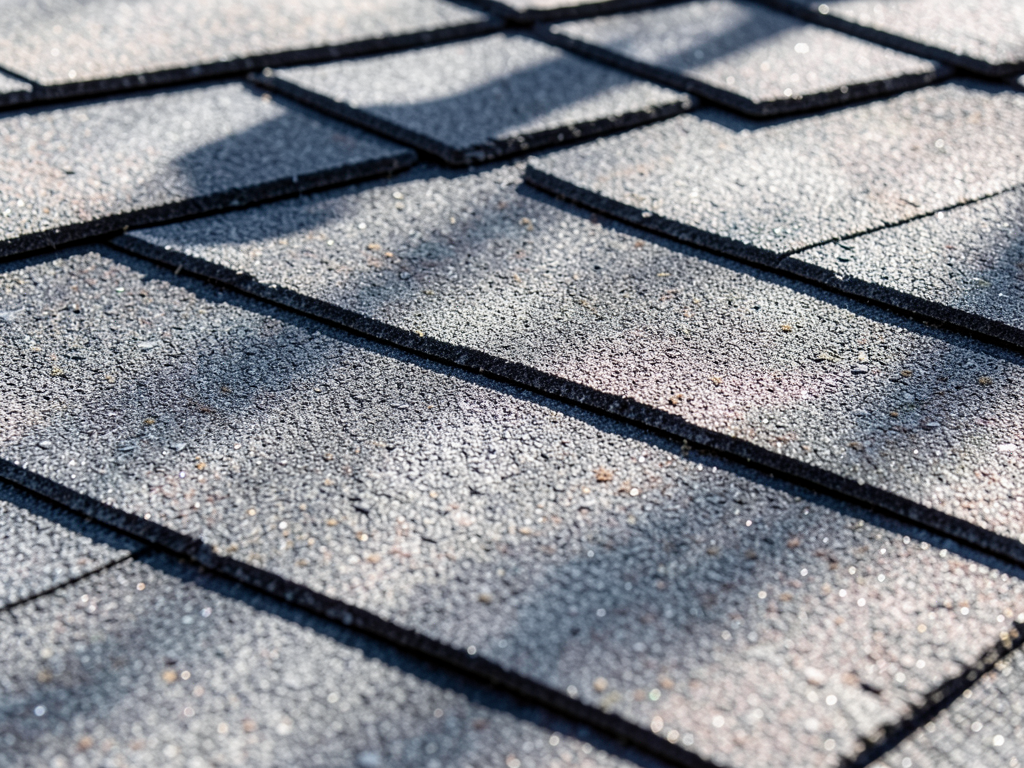
Shingle shadowing appears as dark bands or streaks across your roof. These patterns look concerning but they come from how light hits the shingle surface. Hail damage creates physical dents and granule loss that you can feel with your finger.
Central Park homes face unique weather conditions. The Front Range climate with intense sun and sudden storms creates patterns that confuse many homeowners. Understanding these differences saves you time money and potential insurance headaches.
What is Shingle Shadowing The Cosmetic Issue
Shingle shadowing happens during manufacturing and installation. The effect comes from slight variations in how shingles lay on your roof. When sunlight hits at certain angles dark bands appear creating a striped or blotchy look.
This cosmetic issue affects all asphalt shingles to some degree. The shadowing becomes more visible on lighter colored roofs. It does not affect your roof’s ability to protect your home from water damage.
Several factors cause shadowing:
- Manufacturing variations in shingle thickness and texture
- Installation patterns that create light reflection differences
- Roof pitch affecting how sunlight hits the surface
- Surrounding trees or buildings creating shade patterns
Shadowing appears random across your roof. You will not find uniform circular patterns or physical indentations. The dark areas feel smooth when you touch them.
Identifying Real Hail Damage Signs Denver Homeowners Miss
Hail damage creates specific physical marks on your shingles. These marks look different from shadowing patterns. A trained eye spots the difference quickly.
Hail impacts create circular dents in the shingle mat. These dents often have a dark center where granules got knocked away. The surrounding area shows a bruised appearance like a bruise on your skin.
Key hail damage signs include:
- Circular impact points with granule loss at the center
- Soft spots you can feel when pressing gently
- Cracks or splits in the shingle mat
- Granule accumulation in gutters below impact points
Hail damage follows the storm path. You will see more impacts on the roof side facing the storm. The damage appears random but concentrates where hail hit hardest.
Denver’s high altitude makes roofs more vulnerable. At 5280 feet the thinner atmosphere means hail falls faster and hits harder. This increases the chance of actual damage versus cosmetic shadowing.
Side by Side Comparison Shadowing vs Hail Impact
Understanding the visual differences helps you identify what you see on your roof. Here is how shadowing and hail damage compare:
| Feature | Shingle Shadowing | Hail Damage |
|---|---|---|
| Pattern | Random bands or streaks | Random circular impacts |
| Texture | Smooth surface | Dented or depressed areas |
| Granule Loss | None | Visible at impact points |
| Feel Test | No difference from surrounding area | Soft or depressed spots |
| Age Pattern | Develops over months to years | Appears suddenly after storms |
| Direction | No storm direction correlation | Concentrated on storm approach side |
Shadowing creates optical illusions. Light reflects differently off slight texture variations. Hail damage physically alters the shingle structure.
Why the Distinction Matters for Your Insurance Claim
Insurance companies distinguish between cosmetic and functional damage. This distinction determines whether they pay for repairs or replacements. How Much a Full Roof Replacement Actually Costs in Denver Right Now.
Shingle shadowing represents a cosmetic issue. Most insurance policies exclude cosmetic defects from coverage. The shadowing does not affect your roof’s ability to keep water out of your home.
Hail damage often qualifies as functional damage. When hail impacts compromise the shingle’s protective layer insurance may cover repairs. The damage must affect the roof’s performance not just its appearance.
Denver insurance adjusters look for specific hail damage indicators:
- Impact points larger than 1 inch in diameter
- Granule loss exposing the asphalt mat
- Cracks or splits in the shingle surface
- Multiple impacts per square foot of roof area
Before filing a claim inspect your roof carefully. Document what you see with photos. Note the date of any recent storms. This information helps adjusters evaluate your situation accurately.
The Denver Factor High Altitude and Roof Degradation
Denver’s elevation creates unique roofing challenges. The Front Range climate accelerates roof wear in ways that confuse many homeowners. Roofing Sheridan.
At 5280 feet the UV index runs higher than lower elevations. Intense sunlight breaks down asphalt shingles faster. This creates weathering patterns that look like damage but represent normal aging.
Freeze thaw cycles common in Central Park and surrounding areas stress shingles. Water seeps into tiny cracks then expands when freezing. This creates surface irregularities that homeowners mistake for hail impacts.
Local wind patterns also affect roof appearance. Strong gusts lift shingle edges creating shadows that look like missing pieces. The shingles remain intact but the visual effect concerns homeowners.
Central Park homes built in recent years often use architectural shingles. These multi layer shingles show shadowing more prominently than traditional three tab shingles. The effect looks dramatic but remains purely cosmetic.
When to Call a Professional Inspector
Some roof issues require expert evaluation. Contact a professional when you notice these signs:
- Water stains on interior ceilings or walls
- Missing or visibly damaged shingles
- Granules accumulating in gutters
- Age related wear on roofs over 15 years old
- Recent severe weather with large hail reports
Professional inspectors use specific tools to assess roof condition. They check for soft spots that indicate underlying damage. They measure impact depth to determine if hail compromised the shingle layers.
Look for inspectors with HAAG certification. This certification indicates training in hail damage assessment. Local experience matters too. Denver inspectors understand how Front Range weather affects roofs differently than other regions.
Ask inspectors about their evaluation process. They should explain how they distinguish between cosmetic shadowing and functional damage. A good inspector educates you about your roof’s condition.
Protecting Your Investment in Central Park
Central Park homeowners face specific roofing considerations. The neighborhood’s mix of new construction and established homes creates varied roofing needs. Roofing Englewood.
New homes in Central Park often feature impact resistant shingles. These Class 4 shingles withstand hail better than standard shingles. They cost more initially but may prevent damage from smaller hail stones.
Older homes in nearby neighborhoods like Stapleton may need different approaches. Their roofs have weathered more seasons of Colorado extremes. They might show shadowing from normal aging rather than storm damage. Colorado Department of Local Affairs.
Regular maintenance helps you spot actual problems early. Clean your gutters twice yearly. Remove debris that traps moisture against shingles. Trim overhanging branches that drop debris or create shade patterns. Reliable Gutter Installation for New Builds in Central Park.
Document your roof’s condition with photos each year. This creates a baseline for comparison. You can tell if new marks represent actual damage or just changing light patterns.
Consider a professional inspection every few years even without visible problems. Hidden damage can lead to leaks before you notice surface changes. Early detection prevents costly interior repairs. Fixing Flat Roof Leaks in LoHi and Modern Denver Homes.
Making the Right Call for Your Roof
Understanding the difference between shingle shadowing and hail damage protects you from unnecessary stress and expenses. Shadowing looks concerning but does not compromise your roof’s function. Hail damage creates physical alterations that may require repairs.
Central Park’s unique climate means your roof faces specific challenges. High altitude UV exposure and freeze thaw cycles create patterns that confuse many homeowners. Knowing what to look for helps you respond appropriately.
When in doubt consult a professional. A qualified inspector can distinguish between cosmetic issues and functional damage. This knowledge helps you make informed decisions about repairs and insurance claims.
Your roof protects your home and everything inside it. Understanding its condition empowers you to maintain it properly. Whether you see shadowing or actual damage knowing the difference puts you in control of your roofing decisions.
Have questions about your Central Park roof? Learn more about hail damage assessment or contact a local professional for a thorough inspection.
Frequently Asked Questions
Does shingle shadowing mean my roof needs replacement?
No shingle shadowing is purely cosmetic and does not affect your roof’s ability to protect your home. The shadowing comes from light reflection patterns and manufacturing variations. Your roof continues to perform its protective function normally.
How can I tell if marks on my roof are from hail or just aging?
Hail damage creates circular dents with granule loss at impact points. You can feel soft spots where hail hit. Aging creates more uniform wear patterns without the circular impact marks. A professional inspection can confirm what you see.. Read more about Why a Pre-Listing Roof Inspection is the Secret to Closing Your Wash Park Home Sale Faster.
Will my insurance cover shingle shadowing?
Most insurance policies exclude cosmetic defects like shingle shadowing from coverage. Insurance typically covers functional damage that affects your roof’s performance. Since shadowing does not compromise protection it usually does not qualify for claims.
How often should I have my Central Park roof inspected?
Schedule professional inspections every 2 to 3 years for roofs under 10 years old. Increase to annual inspections for roofs over 10 years old. Also inspect after any severe weather with reported hail or high winds.
Which Central Park neighborhoods are most affected by roof shadowing?
Central Park neighborhoods like Conservatory Green, Central Park West, and Wicker Park often show more pronounced shadowing due to newer construction with architectural shingles and varied roof angles that create dramatic light patterns.
What makes Stapleton roofs different from Central Park homes?
Stapleton homes typically feature more mature landscaping and older roofing materials that have weathered Colorado’s climate longer. This can create different aging patterns compared to the newer construction in Central Park proper.
Are there specific roof colors that show shadowing more in Central Park?
Lighter colored shingles in Central Park neighborhoods show shadowing more dramatically than darker colors. The high altitude sunlight creates stronger contrast on light gray tan and white shingles common in newer developments. For more information, visit National Roofing Contractors Association. For more information, visit HUD Roofing Guidelines.
You may also find this helpful. How Fine Dust and Sand from the Eastern Plains Can Grind Down Your Shingles in Green Valley Ranch.
{
“@context”: “https://schema.org”,
“@type”: “BlogPosting”,
“headline”: “Understanding the Difference Between Shingle Shadowing and Actual Damage on Your Central Park Roof”,
“description”: “Learn to identify shingle shadowing vs hail damage on your Central Park roof. Protect your investment with expert tips from Denver roofing professionals.”,
“wordCount”: 1675,
“datePublished”: “2026-06-16T08:11:00.000Z”,
“dateModified”: “2026-06-16T08:11:00.000Z”,
“inLanguage”: “en-US”,
“mainEntityOfPage”: {
“@type”: “WebPage”,
“@id”: “https://apexroofingdenver.com”
},
“publisher”: {
“@type”: “LocalBusiness”,
“name”: “Apex Roofing Denver”,
“url”: “https://apexroofingdenver.com”
},
“author”: {
“@type”: “Organization”,
“name”: “Apex Roofing Denver”,
“url”: “https://apexroofingdenver.com”
},
“image”: {
“@type”: “ImageObject”,
“url”: “https://apexroofingdenver.com/wp-content/uploads/2026/03/understanding-the-difference-between-shingle-shado-1.png”
}
}
{
“@context”: “https://schema.org”,
“@type”: “RoofingContractor”,
“name”: “Apex Roofing Denver”,
“url”: “https://apexroofingdenver.com”,
“address”: {
“@type”: “PostalAddress”,
“addressLocality”: “Denver”
},
“areaServed”: {
“@type”: “City”,
“name”: “Denver”
}
}
{
“@context”: “https://schema.org”,
“@type”: “FAQPage”,
“mainEntity”: [
{
“@type”: “Question”,
“name”: “Does shingle shadowing mean my roof needs replacement?”,
“acceptedAnswer”: {
“@type”: “Answer”,
“text”: “No shingle shadowing is purely cosmetic and does not affect your roof’s ability to protect your home. The shadowing comes from light reflection patterns and manufacturing variations. Your roof continues to perform its protective function normally.”
}
},
{
“@type”: “Question”,
“name”: “How can I tell if marks on my roof are from hail or just aging?”,
“acceptedAnswer”: {
“@type”: “Answer”,
“text”: “Hail damage creates circular dents with granule loss at impact points. You can feel soft spots where hail hit. Aging creates more uniform wear patterns without the circular impact marks. A professional inspection can confirm what you see.”
}
},
{
“@type”: “Question”,
“name”: “Will my insurance cover shingle shadowing?”,
“acceptedAnswer”: {
“@type”: “Answer”,
“text”: “Most insurance policies exclude cosmetic defects like shingle shadowing from coverage. Insurance typically covers functional damage that affects your roof’s performance. Since shadowing does not compromise protection it usually does not qualify for claims.”
}
},
{
“@type”: “Question”,
“name”: “How often should I have my Central Park roof inspected?”,
“acceptedAnswer”: {
“@type”: “Answer”,
“text”: “Schedule professional inspections every 2 to 3 years for roofs under 10 years old. Increase to annual inspections for roofs over 10 years old. Also inspect after any severe weather with reported hail or high winds.”
}
},
{
“@type”: “Question”,
“name”: “Which Central Park neighborhoods are most affected by roof shadowing?”,
“acceptedAnswer”: {
“@type”: “Answer”,
“text”: “Central Park neighborhoods like Conservatory Green, Central Park West, and Wicker Park often show more pronounced shadowing due to newer construction with architectural shingles and varied roof angles that create dramatic light patterns.”
}
},
{
“@type”: “Question”,
“name”: “What makes Stapleton roofs different from Central Park homes?”,
“acceptedAnswer”: {
“@type”: “Answer”,
“text”: “Stapleton homes typically feature more mature landscaping and older roofing materials that have weathered Colorado’s climate longer. This can create different aging patterns compared to the newer construction in Central Park proper.”
}
}
]
}
{
“@context”: “https://schema.org”,
“@type”: “BreadcrumbList”,
“itemListElement”: [
{
“@type”: “ListItem”,
“position”: 1,
“name”: “Home”,
“item”: “https://apexroofingdenver.com”
},
{
“@type”: “ListItem”,
“position”: 2,
“name”: “Blog”,
“item”: “https://apexroofingdenver.com/blog”
},
{
“@type”: “ListItem”,
“position”: 3,
“name”: “Understanding the Difference Between Shingle Shadowing and Actual Damage on Your Central Park Roof”
}
]
}
{
“@context”: “https://schema.org”,
“@type”: “Service”,
“serviceType”: “Roofing”,
“provider”: {
“@type”: “LocalBusiness”,
“name”: “Apex Roofing Denver”,
“url”: “https://apexroofingdenver.com”
},
“areaServed”: {
“@type”: “City”,
“name”: “Denver”
},
“description”: “Learn to identify shingle shadowing vs hail damage on your Central Park roof. Protect your investment with expert tips from Denver roofing professionals.”
}