
The Real Dangers of Trying to Patch Your Own Roof Without Professional Gear
Standing on a roof with a bucket of sealant might seem like a simple fix but the reality is far more dangerous. Denver’s high-altitude climate steep roof pitches and unpredictable weather patterns create unique hazards that most homeowners never consider. One wrong step without proper fall protection can lead to serious injury or worse. Denver Building Permits.
Before you climb that ladder understand what you’re really facing. The Front Range experiences rapid temperature swings that can make roofing materials brittle in minutes. Add in afternoon thunderstorms that roll in with little warning and you have a recipe for disaster. Professional roofers train for these conditions and use specialized gear that most DIYers don’t even know exists. Roofing Sheridan.
Essential Safety Gear for Roof Work
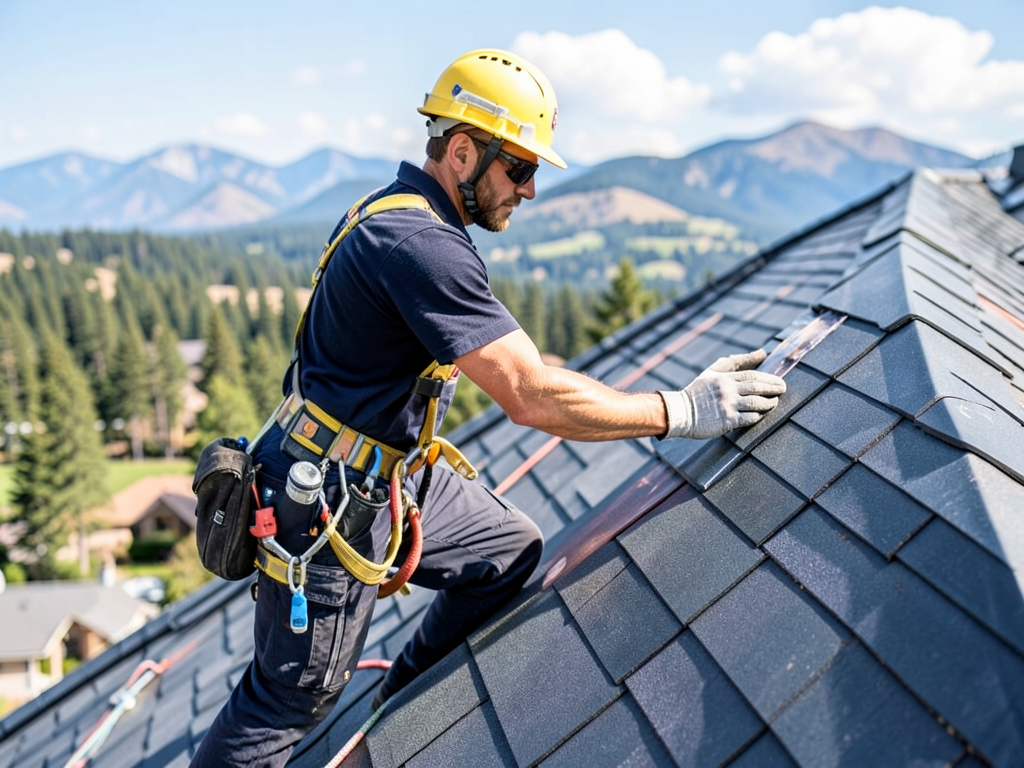
Personal protective equipment is not optional when working at heights. A fall arrest system consists of more than just a rope and harness. You need a full-body harness rated for roofing work anchor points rated for 5000 pounds and shock-absorbing lanyards. Without these components working together you’re gambling with your life. Roofing Englewood.
Roofing boots make a huge difference. Standard work boots lack the high-traction soles designed for wet shingles. Professional roofing boots have deep lugs and heat-resistant materials that grip even on steep slopes. Pair them with grip gloves that have rubberized palms and you’ll maintain better control when handling materials.
A roofing helmet is not just for construction sites. Falling tools loose shingles or even a misstep can cause head injuries. Choose a helmet with a four-point suspension system and side protection. The cost of this gear is minimal compared to emergency room bills.
Understanding Your Roof’s Pitch and Condition
Roof pitch determines your risk level. A 4:12 pitch rises 4 inches per foot and is considered walkable for experienced professionals. Anything steeper than 6:12 becomes extremely dangerous for DIY work. Use a pitch gauge or smartphone app to measure your roof’s slope before stepping on it.
Structural integrity matters just as much as pitch. Denver’s clay soil causes foundation shifts that can create soft spots in roof decking. Walk gently and listen for creaking sounds. If you feel any give underfoot that section needs professional evaluation. One weak spot can collapse under your weight.
Check for granule loss on asphalt shingles. Denver’s intense UV exposure at 5280 feet accelerates shingle degradation. Bald spots indicate age and reduced grip. Walking on worn shingles increases your fall risk significantly.
Denver Weather Patterns and Roof Safety
Denver’s infamous afternoon storm pattern makes roofing work dangerous. Summer thunderstorms build over the mountains and hit the metro area between 2 PM and 4 PM most days. Wind speeds can jump from 5 to 30 mph in minutes. Professional roofers monitor weather radar constantly.
Temperature swings affect material safety. Denver can go from 80°F at noon to 55°F by dinner. Materials expand and contract rapidly creating slick surfaces and unstable footing. Early morning work when temperatures are stable offers the safest window.
Winter brings ice dam risks. Snow melts during the day and refreezes at night creating slippery patches that are invisible from below. Never attempt roof work when ice is present. The weight of snow also stresses roof structures making soft spots more likely.
Ladder Safety Basics
Most falls happen during ladder setup. The four-to-one rule means your ladder base should be one foot away from the wall for every four feet of height. On Denver’s uneven terrain use ladder levelers to prevent rocking. Never set a ladder on mulch gravel or soft soil.
Extension ladders need three feet of overlap when fully extended. Less than that and the ladder can separate under load. Always face the ladder when climbing and maintain three points of contact. Carrying tools in a belt or bucket keeps your hands free.
Secure your ladder at the top. Tie it off to a solid anchor point or have someone hold the base. Denver’s afternoon gusts can catch an unsecured ladder like a sail. A falling ladder can damage your home or injure someone below.
Warning Signs You Need Professional Help
Some repairs exceed DIY safety limits immediately. Structural damage major flashing repairs or roofs with multiple valleys require professional equipment and expertise. If you’re unsure about your roof’s condition that uncertainty itself is a red flag.
Steep roofs over 7:12 pitch should never be walked by homeowners. The angle makes fall arrest systems less effective and increases the likelihood of losing your footing. Professional roofers use roof brackets and planks to create stable work platforms on steep slopes.
Multiple-story homes add another layer of danger. The higher you are the less time you have to react to a slip. Professional teams use redundant safety systems where every worker is tied off to separate anchors.
Denver Building Codes and Permits
Denver building codes require permits for most roofing work even minor repairs. The city tracks structural modifications to ensure they meet safety standards. Unpermitted work can void your homeowner’s insurance if damage occurs.
Class 4 impact-resistant shingles are required in many Denver neighborhoods for insurance compliance. These materials cost more but withstand hail damage better. DIY repairs using standard materials might not meet local requirements.
Denver’s Green Building Ordinance affects commercial properties. Even small patches on flat roofs must use materials that meet energy efficiency standards. Professional contractors know these requirements and can ensure compliance.
- Assess Roof Pitch
Measure slope using pitch gauge. Avoid DIY work on anything steeper than 6:12.
- Check Weather Forecast
Schedule work for early morning. Avoid afternoon storm windows between 2-4 PM.
- Gather Proper PPE
Full-body harness rated anchor points roofing boots grip gloves helmet.
- Set Up Ladder Correctly
Use four-to-one rule levelers on uneven ground tie off at top.
- Inspect Roof Condition
Check for soft spots granule loss and structural damage before stepping on.
- Have Emergency Plan
Keep phone charged tell someone your plans know when to call for help.
Denver-Specific Safety Considerations
Denver’s altitude affects more than just your breathing. UV radiation is 25% stronger at 5280 feet accelerating material degradation and increasing heat exposure. Stay hydrated and take frequent breaks in shade. Heat exhaustion can impair judgment on a roof.
The Front Range’s clay soil creates unique challenges. Soil expansion and contraction cause foundation shifts that stress roof structures. These movements create hidden weaknesses that aren’t visible from the ground. Professional inspections can identify these issues.
Denver’s building styles matter too. Mid-century modern homes in Lakewood often feature low-slope roofs that collect debris. Craftsman bungalows in Englewood may have complex roof lines with multiple valleys. Each style presents different safety challenges.
Cost Comparison: DIY vs Professional
| Item | DIY Cost | Professional Cost | Safety Level |
|---|---|---|---|
| Basic Safety Gear | $300-500 | N/A | Moderate |
| Minor Roof Patch | $50-100 materials | $300-600 labor | High |
| Emergency Room Visit | $5000-20000 | N/A | None |
Professional roofing services in Denver range from $150 to $400 per hour depending on complexity. While this seems expensive compare it to potential medical costs. A simple fall can result in $20000 to $50000 in emergency care. Even minor injuries often exceed the cost of professional repair.
Insurance considerations add another layer. Many policies require professional repairs to maintain coverage. DIY work that causes additional damage might not be covered. Some insurers offer discounts for using licensed contractors who follow safety protocols.
Time is another factor. Professional teams can complete most minor repairs in 2-4 hours. DIY attempts often take all day or multiple trips to the hardware store. Your time has value especially when balanced against safety risks.
Emergency Situations That Require Immediate Help
Active leaks during storms require immediate professional attention. Temporary tarps can prevent interior damage but should be installed by experienced teams. Denver’s afternoon storms can intensify quickly making DIY tarping dangerous. Fixing Flat Roof Leaks in LoHi and Modern Denver Homes.
Structural damage after severe weather needs professional assessment. Hail can crack shingles in ways that aren’t visible from the ground. Water infiltration can compromise decking before you notice ceiling stains. By then the damage is extensive.
Gas line or electrical concerns near roof penetrations require immediate professional help. Denver’s building codes mandate specific flashing techniques around these penetrations. Incorrect installation creates fire or carbon monoxide risks.
Finding Qualified Denver Roofing Professionals
Look for contractors with local experience. Denver’s climate requires specific material knowledge and installation techniques. Ask about their experience with your home’s architectural style and neighborhood building requirements.
Verify licensing and insurance. Colorado requires roofing contractors to carry liability and workers’ compensation insurance. Request proof before work begins. Uninsured contractors leave you liable for injuries on your property.
Check references from your specific area. A contractor who works regularly in Westminster understands local building codes and material performance. They can also provide realistic timelines based on Denver’s weather patterns.
Preventative Maintenance Options
| Service | Frequency | Cost Range | Benefits |
|---|---|---|---|
| Professional Inspection | Annual | $150-300 | Early problem detection |
| Gutter Cleaning | Semi-annual | $100-250 | Ice dam prevention |
| Shingle Assessment | Every 2-3 years | $200-400 | Material lifespan tracking |
Regular professional inspections prevent emergency repairs. Most Denver roofing companies offer annual maintenance plans for $200 to $400. These include gutter cleaning sealant checks and early problem detection. Reliable Gutter Installation for New Builds in Central Park.
Clean gutters prevent ice dams. Denver’s freeze-thaw cycles cause water backup that damages roofs and interiors. Professional gutter cleaning twice yearly costs less than one emergency repair.
Tree trimming reduces debris accumulation. Overhanging branches drop leaves and create shade that promotes moss growth. Moss retains moisture and accelerates shingle deterioration. Professional trimming prevents these issues.
Making the Right Decision
Roof patching without professional gear is not just risky it’s often foolish given Denver’s unique hazards. The combination of high altitude steep pitches and unpredictable weather creates dangers that casual DIYers can’t overcome with basic tools.
Your safety matters more than saving a few hundred dollars. Professional roofers have the equipment training and local knowledge to complete repairs safely and correctly. They also carry insurance that protects you from liability.
When in doubt call a professional. Most reputable Denver roofing companies offer free inspections and can advise whether your repair is truly DIY-appropriate. That peace of mind is worth the consultation fee.
Frequently Asked Questions
Can I patch a small roof leak myself if I’m careful?
Small leaks can often be temporarily sealed but without proper safety gear and knowledge of Denver’s specific hazards even minor repairs carry significant risk. The cost of professional repair is usually less than potential medical bills from a fall.
What’s the minimum safety equipment I need for DIY roof work?
At minimum you need a full-body harness with rated anchor points roofing boots with high-traction soles grip gloves and a helmet. Without all four components working together you’re not adequately protected.
How do I know if my roof is too steep for DIY repairs?
Roofs over 6:12 pitch are extremely dangerous for DIY work. Use a pitch gauge to measure. If you’re unsure about your ability to work safely at that angle it’s too steep.
Do I need a permit for minor roof patching in Denver?
Most roofing work in Denver requires permits regardless of size. The city tracks structural modifications to ensure they meet safety codes. Unpermitted work can void insurance coverage.
What time of day is safest for DIY roof work in Denver?
Early morning when temperatures are stable offers the safest window. Avoid afternoon hours between 2-4 PM when Denver’s summer thunderstorms typically arrive with little warning.
How much does professional roof patching cost in Denver?
Professional roof patching in Denver typically ranges from $150 to $400 per hour depending on complexity. Most minor repairs take 2-4 hours total. While this seems expensive it’s far less than potential medical costs from DIY accidents. For more information, visit OSHA Roofing Safety Guidelines. For more information, visit NIOSH Fall Prevention Resources.
{
“@context”: “https://schema.org”,
“@type”: “BlogPosting”,
“headline”: “The Real Dangers of Trying to Patch Your Own Roof Without Professional Gear”,
“description”: “Learn why DIY roof patching in Denver’s unique climate poses serious risks and when to call professionals for safe repairs.”,
“wordCount”: 1977,
“datePublished”: “2026-05-09T08:35:00.000Z”,
“dateModified”: “2026-05-09T08:35:00.000Z”,
“inLanguage”: “en-US”,
“mainEntityOfPage”: {
“@type”: “WebPage”,
“@id”: “https://apexroofingdenver.com”
},
“publisher”: {
“@type”: “LocalBusiness”,
“name”: “Apex Roofing Denver”,
“url”: “https://apexroofingdenver.com”
},
“author”: {
“@type”: “Organization”,
“name”: “Apex Roofing Denver”,
“url”: “https://apexroofingdenver.com”
},
“image”: {
“@type”: “ImageObject”,
“url”: “https://apexroofingdenver.com/wp-content/uploads/2026/03/the-real-dangers-of-trying-to-patch-your-own-roof-1.png”
}
}
{
“@context”: “https://schema.org”,
“@type”: “RoofingContractor”,
“name”: “Apex Roofing Denver”,
“url”: “https://apexroofingdenver.com”,
“address”: {
“@type”: “PostalAddress”,
“addressLocality”: “Denver”
},
“areaServed”: {
“@type”: “City”,
“name”: “Denver”
}
}
{
“@context”: “https://schema.org”,
“@type”: “FAQPage”,
“mainEntity”: [
{
“@type”: “Question”,
“name”: “Can I patch a small roof leak myself if I’m careful?”,
“acceptedAnswer”: {
“@type”: “Answer”,
“text”: “Small leaks can often be temporarily sealed but without proper safety gear and knowledge of Denver’s specific hazards even minor repairs carry significant risk. The cost of professional repair is usually less than potential medical bills from a fall.”
}
},
{
“@type”: “Question”,
“name”: “What’s the minimum safety equipment I need for DIY roof work?”,
“acceptedAnswer”: {
“@type”: “Answer”,
“text”: “At minimum you need a full-body harness with rated anchor points roofing boots with high-traction soles grip gloves and a helmet. Without all four components working together you’re not adequately protected.”
}
},
{
“@type”: “Question”,
“name”: “How do I know if my roof is too steep for DIY repairs?”,
“acceptedAnswer”: {
“@type”: “Answer”,
“text”: “Roofs over 6:12 pitch are extremely dangerous for DIY work. Use a pitch gauge to measure. If you’re unsure about your ability to work safely at that angle it’s too steep.”
}
},
{
“@type”: “Question”,
“name”: “Do I need a permit for minor roof patching in Denver?”,
“acceptedAnswer”: {
“@type”: “Answer”,
“text”: “Most roofing work in Denver requires permits regardless of size. The city tracks structural modifications to ensure they meet safety codes. Unpermitted work can void insurance coverage.”
}
},
{
“@type”: “Question”,
“name”: “What time of day is safest for DIY roof work in Denver?”,
“acceptedAnswer”: {
“@type”: “Answer”,
“text”: “Early morning when temperatures are stable offers the safest window. Avoid afternoon hours between 2-4 PM when Denver’s summer thunderstorms typically arrive with little warning.”
}
}
]
}
{
“@context”: “https://schema.org”,
“@type”: “HowTo”,
“name”: “Essential Roof Safety Checklist”,
“step”: [
{
“@type”: “HowToStep”,
“position”: 1,
“name”: “Assess Roof Pitch”,
“text”: “Measure slope using pitch gauge. Avoid DIY work on anything steeper than 6:12.”
},
{
“@type”: “HowToStep”,
“position”: 2,
“name”: “Check Weather Forecast”,
“text”: “Schedule work for early morning. Avoid afternoon storm windows between 2-4 PM.”
},
{
“@type”: “HowToStep”,
“position”: 3,
“name”: “Gather Proper PPE”,
“text”: “Full-body harness rated anchor points roofing boots grip gloves helmet.”
},
{
“@type”: “HowToStep”,
“position”: 4,
“name”: “Set Up Ladder Correctly”,
“text”: “Use four-to-one rule levelers on uneven ground tie off at top.”
},
{
“@type”: “HowToStep”,
“position”: 5,
“name”: “Inspect Roof Condition”,
“text”: “Check for soft spots granule loss and structural damage before stepping on.”
},
{
“@type”: “HowToStep”,
“position”: 6,
“name”: “Have Emergency Plan”,
“text”: “Keep phone charged tell someone your plans know when to call for help.”
}
],
“image”: “https://apexroofingdenver.com/wp-content/uploads/2026/03/the-real-dangers-of-trying-to-patch-your-own-roof-1.png”
}
{
“@context”: “https://schema.org”,
“@type”: “BreadcrumbList”,
“itemListElement”: [
{
“@type”: “ListItem”,
“position”: 1,
“name”: “Home”,
“item”: “https://apexroofingdenver.com”
},
{
“@type”: “ListItem”,
“position”: 2,
“name”: “Blog”,
“item”: “https://apexroofingdenver.com/blog”
},
{
“@type”: “ListItem”,
“position”: 3,
“name”: “The Real Dangers of Trying to Patch Your Own Roof Without Professional Gear”
}
]
}
{
“@context”: “https://schema.org”,
“@type”: “Service”,
“serviceType”: “Roofing”,
“provider”: {
“@type”: “LocalBusiness”,
“name”: “Apex Roofing Denver”,
“url”: “https://apexroofingdenver.com”
},
“areaServed”: {
“@type”: “City”,
“name”: “Denver”
},
“description”: “Learn why DIY roof patching in Denver’s unique climate poses serious risks and when to call professionals for safe repairs.”
}