





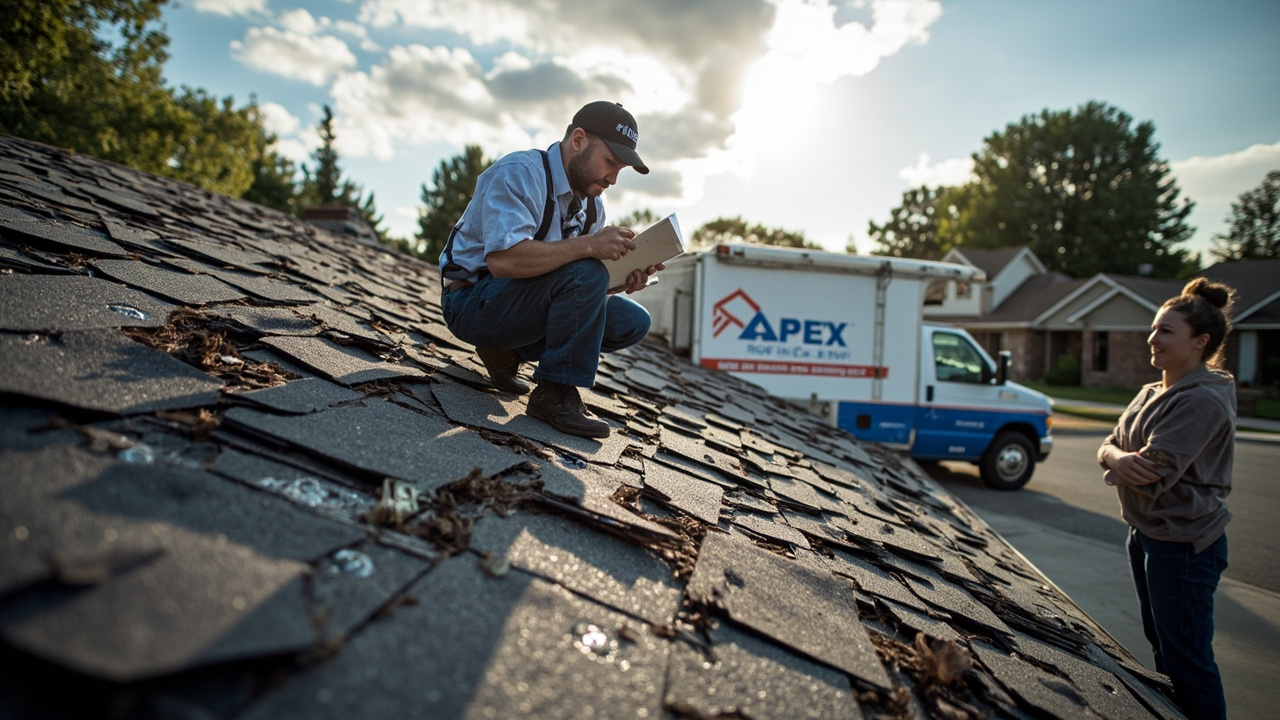
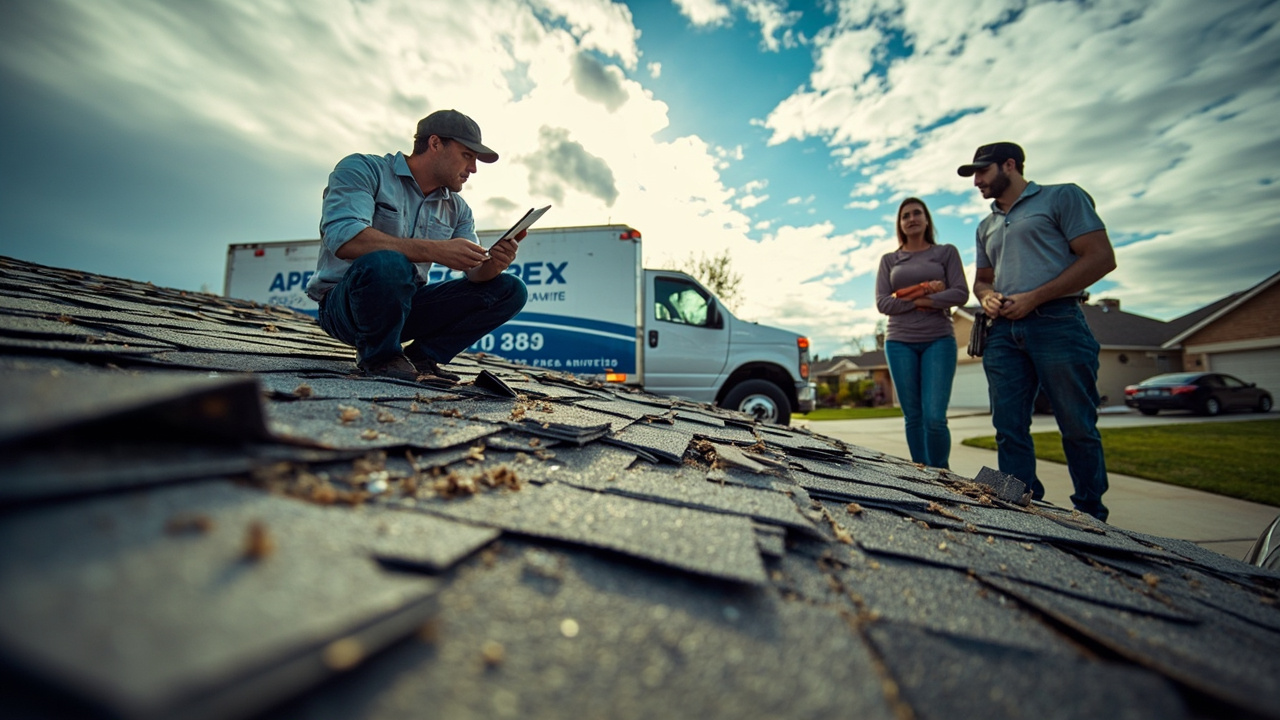
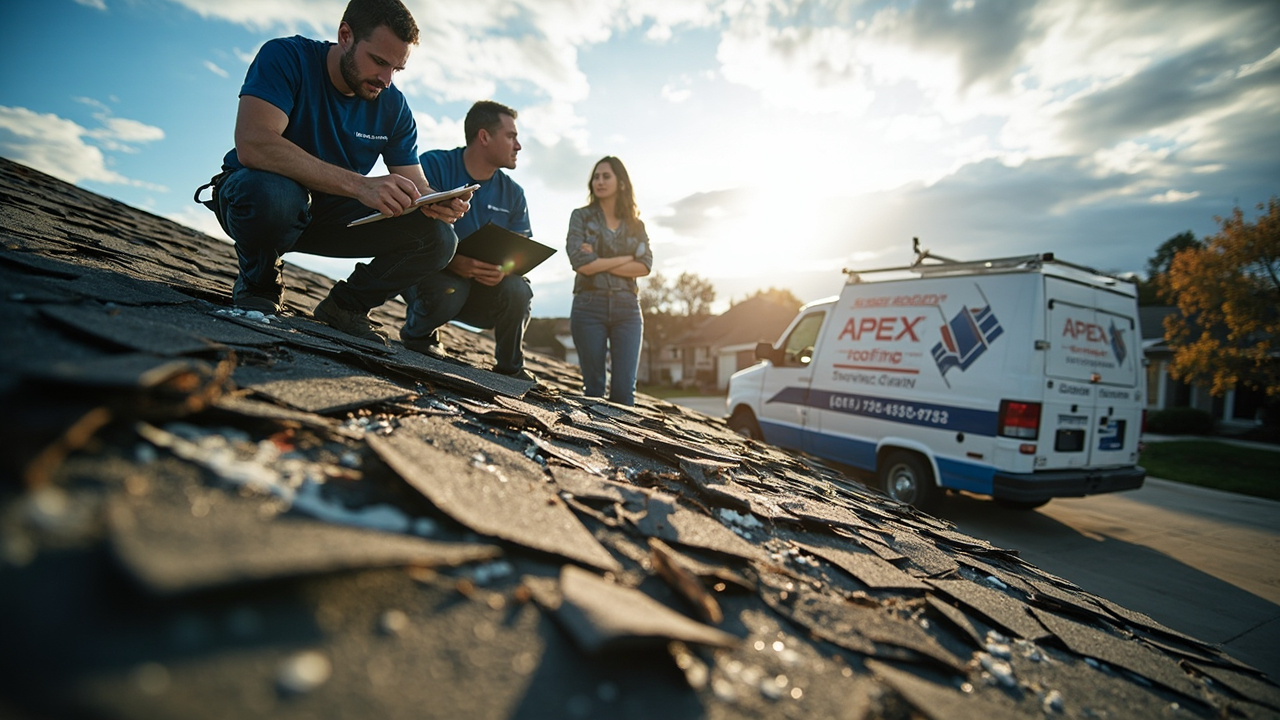
Denver sits directly in the Colorado Hail Corridor, which produces more severe hailstorms than anywhere else in North America except for a narrow band in Wyoming. The combination of warm, moist air from the Gulf meeting cold air masses over the Front Range creates the perfect conditions for supercell thunderstorms that generate hail larger than golf balls. These storms track northeast along the I-25 corridor, which means neighborhoods from downtown through Aurora face repeated impacts during the May through September hail season. The altitude intensifies the problem because hailstones fall through less atmosphere, maintaining their size and terminal velocity. A two-inch hailstone hits a Denver roof with enough force to fracture shingle matting and crack tile or slate. Storm damage roofing services are not optional maintenance here. They are essential crisis response for a climate reality that impacts nearly every property eventually.
Apex Roofing Denver has worked in every Denver neighborhood and understands the specific challenges each area faces. We know that properties near the foothills experience different wind patterns than homes on the eastern plains. We understand that historic districts like Curtis Park or Whittier require careful material matching and additional permits. Our relationships with Denver building inspectors mean we can expedite permit approvals when emergency repairs need immediate attention. We have successfully navigated thousands of insurance claims with every major carrier operating in the metro area and know exactly how to document damage, quantify losses, and negotiate settlements that fully compensate you for legitimate storm damage. When you need emergency roof repair in Denver, you need a contractor who understands both the climate and the bureaucracy. Local knowledge is not just convenient. It is the difference between a roof that fails again in the next storm and one that protects your property for decades.