




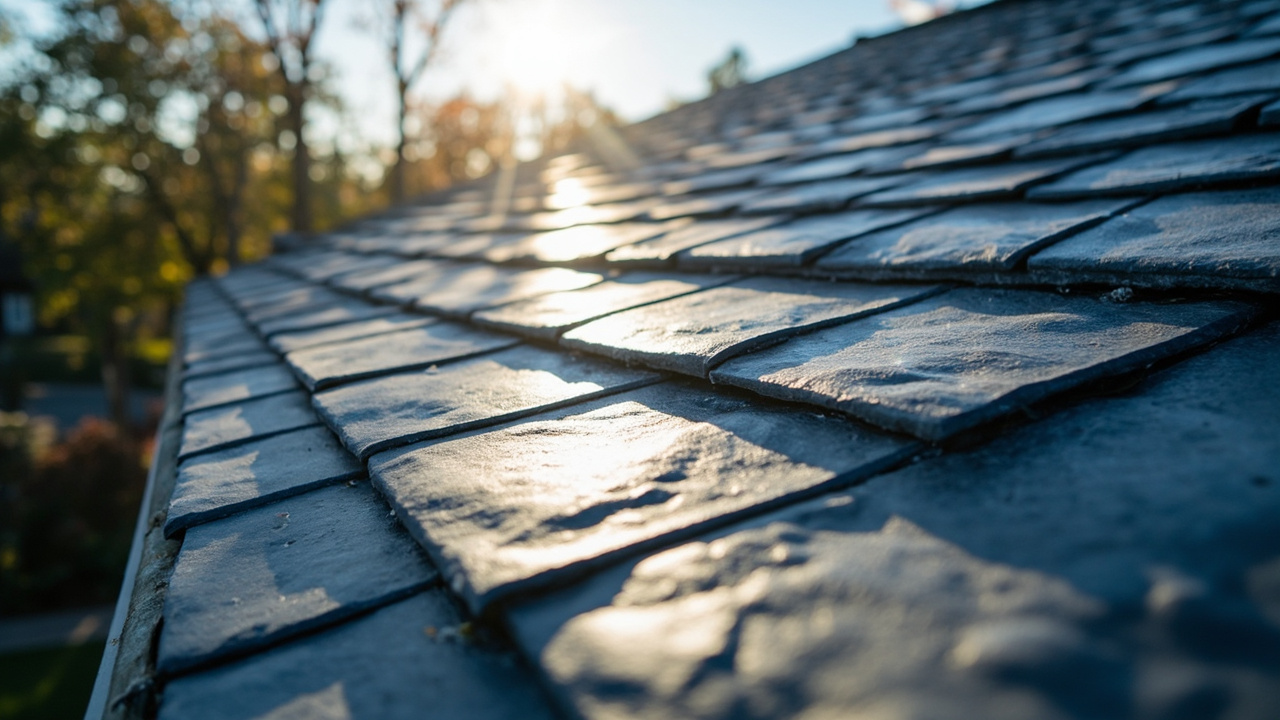
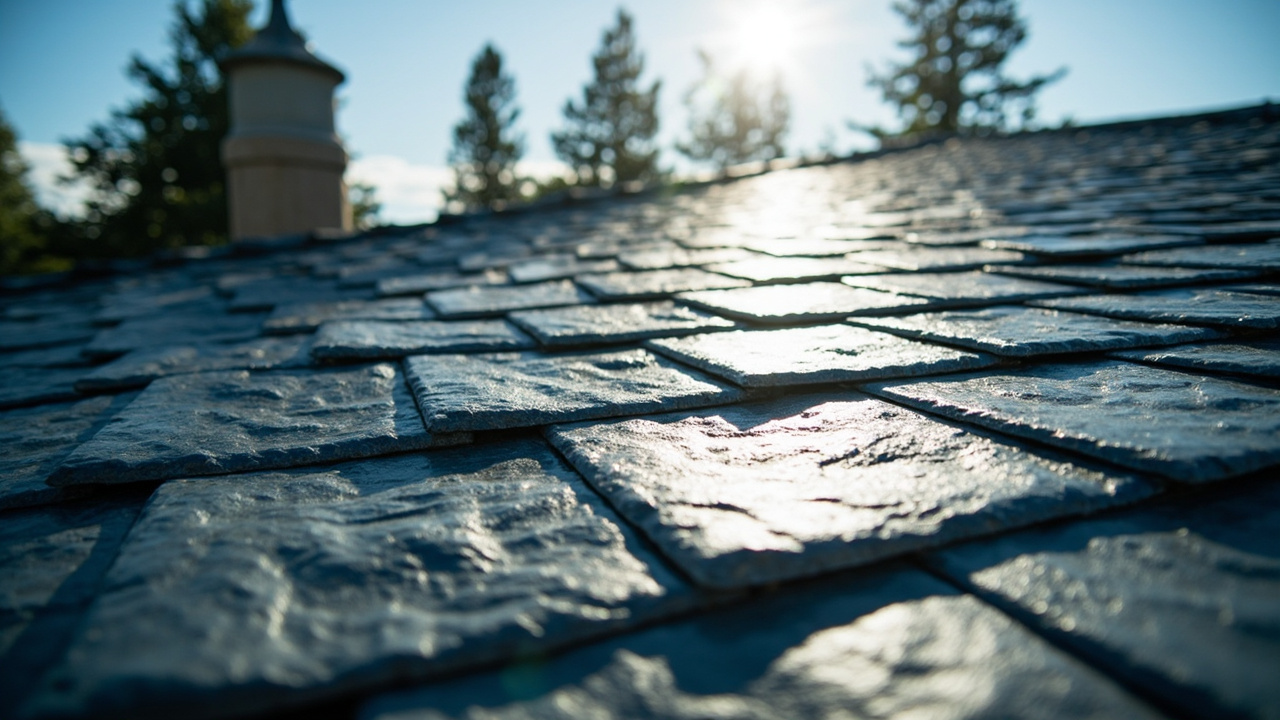
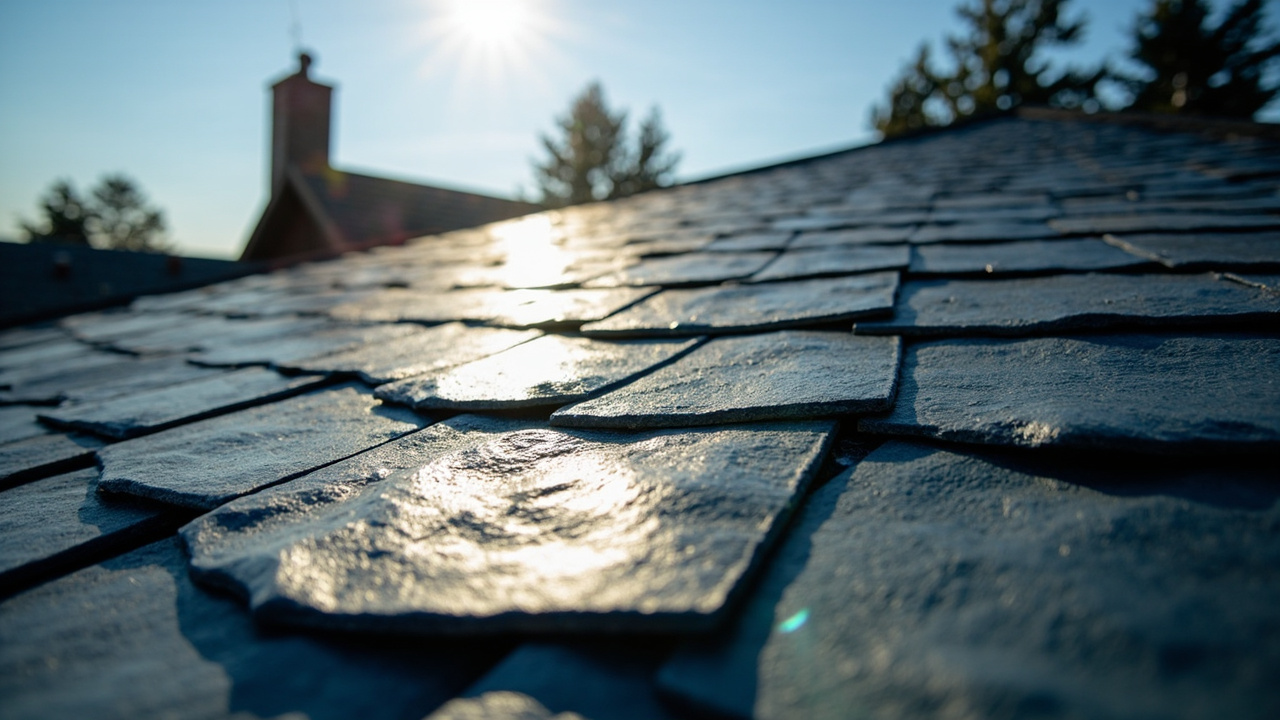
Denver experiences an average of 118 freeze-thaw cycles annually, far exceeding most U.S. cities. This constant temperature fluctuation drives moisture into porous slate tiles, where it freezes and expands, creating internal stress fractures. Inferior imitation slate tiles manufactured without proper density ratings crack within five to seven years under these conditions. The city's 15% average humidity also accelerates deterioration because dry air draws moisture from slate during the day, then temperature drops at night cause condensation. Natural slate roof tiles quarried from regions with similar climate conditions perform best because the stone evolved under comparable freeze-thaw stress. Composite slate roofing must incorporate polymer binders that remain flexible across Denver's temperature range, from -20 degrees in January to 105 degrees in July. Properties in Boulder County face even harsher conditions due to higher elevation and increased moisture from mountain proximity.
Denver requires specific roofing certifications that many contractors lack. Apex Roofing Denver holds current Denver Building Department permits and maintains relationships with city inspectors who understand slate roofing requirements. We also belong to the National Slate Association, demonstrating our commitment to proper installation standards developed over centuries of slate roofing tradition. Our crews complete ongoing training in Denver-specific building codes, including the 2021 amendments addressing wind uplift and fire resistance. This local expertise prevents the costly failures we see from national chains that apply coastal installation techniques to Denver's high-altitude environment. When you hire local specialists who understand authentic slate roofing and faux slate shingles, you avoid the warranty disputes and premature failures that plague homeowners who choose price over expertise.