





Menu

Signs You Need a New Roof in Denver – Protect Your Home Before Costly Damage Spreads

Learn the critical warning signs of roof failure in Denver's extreme climate and discover how to tell if you need a new roof before leaks, structural damage, or insurance complications drain your wallet.

Slider Image 1
Slider Image 2
Slider Image 3
Slider Image 4
Slider Image 5
Slider Image 7
Slider Image 8
Slider Image 9
Slider Image 10
Slider Image 11

Why Denver Roofs Fail Faster Than You Think

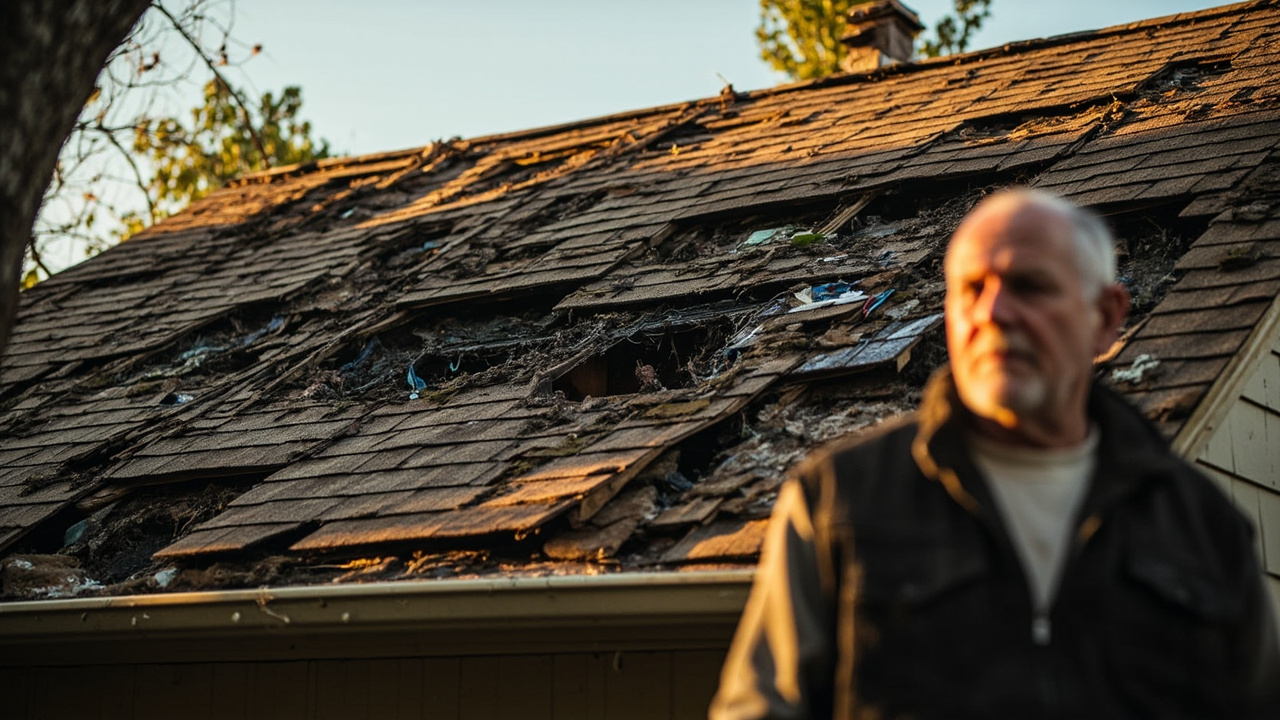
Denver's climate is brutal on roofing systems. The Front Range experiences over 300 days of intense UV radiation annually, which degrades asphalt shingles and causes premature granule loss. Add in the rapid freeze-thaw cycles from November through April, when temperatures swing 40 degrees in a single day, and you have the perfect recipe for accelerated roof deterioration.

Most homeowners in neighborhoods like Park Hill and Washington Park miss the early indicators for roof replacement because damage starts small. A few cracked shingles here, minor granule loss there. But Denver's hailstorms, which strike with little warning from May through September, can turn minor wear into catastrophic failure overnight. The Colorado Front Range experiences some of the highest hail frequency in the United States, and a single severe hailstorm can compromise your roof's integrity completely.

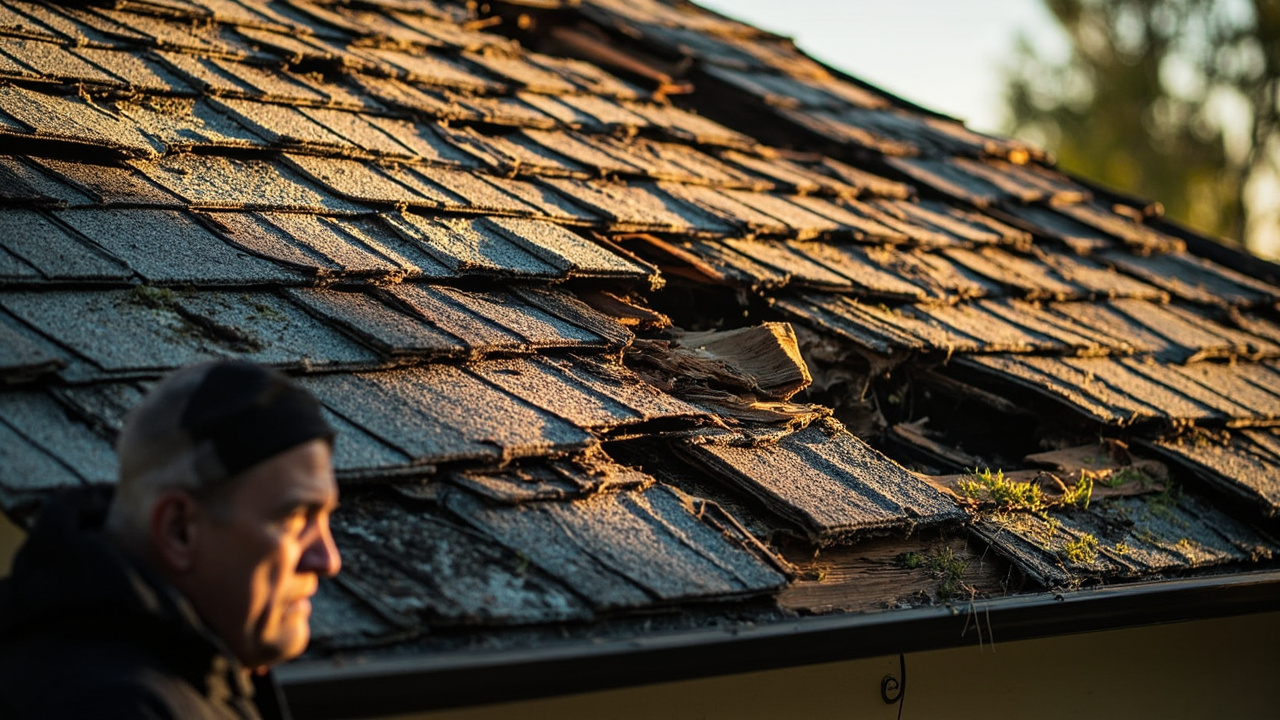
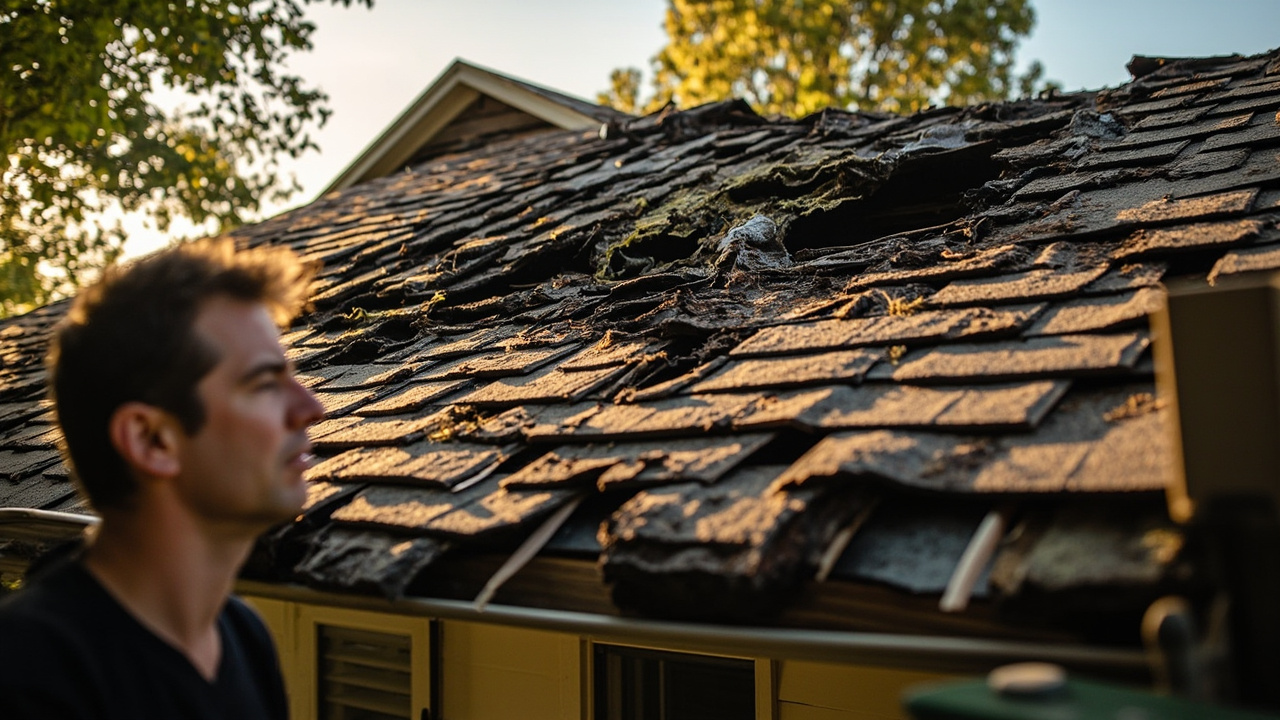
The warning signs of roof failure are often visible from the ground if you know what to look for. Curling shingles, missing granules in your gutters, daylight visible through your attic boards, water stains on interior ceilings. These symptoms of a failing roof compound quickly in Denver's thin air and intense sun exposure.

Ignoring these signs costs you more than just repair bills. Insurance companies in Colorado are increasingly denying claims when homeowners fail to maintain their roofs or delay necessary replacements. The evidence for roof replacement needs to be documented before that next hailstorm hits, or you may find yourself paying out of pocket for damage that should have been covered.

Why Denver Roofs Fail Faster Than You Think
How Professional Roof Assessment Identifies Hidden Damage

How Professional Roof Assessment Identifies Hidden Damage

Most homeowners only see surface-level problems, but roof failure starts beneath the shingles. Apex Roofing Denver uses a systematic inspection process that examines your entire roofing system from multiple angles.

We start with attic inspection because that is where moisture intrusion shows up first. Compromised underlayment, wet insulation, and rotted decking are all indicators that your roof's waterproofing barrier has failed. In Denver's low-humidity climate, homeowners often miss moisture damage until it becomes severe because evaporation happens quickly and masks the underlying problem.

Next, we examine your flashing systems around chimneys, skylights, and roof penetrations. Flashing failures account for roughly 70 percent of roof leaks in the Denver metro area. The constant expansion and contraction from temperature swings causes sealants to crack and metal flashing to separate from substrate materials.

We measure shingle granule loss using a standardized assessment tool. Asphalt shingles lose granules over time, but accelerated loss indicates UV damage or manufacturing defects. When 30 percent or more of the granule surface is gone, the asphalt layer underneath becomes exposed to direct sunlight and deteriorates rapidly.

Our team also documents hail damage patterns using impact measuring devices. Colorado insurance adjusters require specific documentation for hail claims, and we know exactly what evidence they need. We photograph every damaged area, measure impact diameters, and create detailed reports that support your insurance claim.

This thorough assessment tells you how to tell if you need a new roof based on measurable data, not guesswork.

What Happens During Your Roof Inspection

Signs You Need a New Roof in Denver – Protect Your Home Before Costly Damage Spreads
01

Exterior Surface Evaluation

We climb onto your roof and document every visible defect. Missing shingles, cracked tiles, damaged flashing, and compromised ventilation systems all get photographed and cataloged. We check for soft spots that indicate decking failure and examine all penetrations for proper sealing. This hands-on inspection reveals problems that ground-level observations miss completely.
02

Interior and Attic Assessment

We examine your attic space for moisture stains, mold growth, and inadequate ventilation. Proper attic ventilation is critical in Denver's climate because temperature differentials cause condensation problems. We measure insulation depth, check for proper soffit and ridge vent function, and identify any areas where water has penetrated the roof deck. This step reveals hidden damage that threatens your home's structural integrity.
03

Documentation and Recommendations

You receive a detailed report with photographs, measurements, and our professional assessment. We explain which problems need immediate attention and which can wait. If insurance documentation is needed, we provide the specific evidence adjusters require. You get a clear timeline for repair or replacement and understand exactly what your roof needs to protect your home through Denver's next hailstorm season.

Why Denver Homeowners Trust Apex Roofing for Honest Assessments

Roofing companies in Denver have a reputation problem. Too many contractors recommend full replacements when repairs would suffice, or worse, they miss critical damage to win a bid with a lower price.

Apex Roofing Denver built our reputation on honest assessments. We tell you when you need a new roof, and just as importantly, when you do not. Our team understands that replacing a roof is a significant investment, and we respect your budget and your home.

We know Denver's building codes inside and out. The City and County of Denver requires specific underlayment standards, proper ventilation ratios, and ice dam protection in certain roof sections. Many out-of-state roofing crews miss these requirements, which can void your warranty and create insurance headaches down the line.

Our experience with local weather patterns gives us an edge. We have repaired thousands of hail-damaged roofs across Highlands, Cherry Creek, and Stapleton. We know how Denver's intense UV exposure affects different shingle manufacturers. We understand how wind uplift from Chinook events can compromise edge flashing on south-facing roof sections.

We also work directly with insurance companies. Colorado insurers have specific documentation requirements for hail and wind damage claims. We provide the detailed reports, impact measurements, and photographic evidence they need to process your claim quickly. Our documentation has helped hundreds of Denver homeowners get full claim approvals when other contractors failed to provide adequate evidence.

When you call Apex Roofing Denver, you get a professional assessment based on measurable damage, not a sales pitch. We explain the current condition of your roof, the expected remaining lifespan, and your options moving forward.

What to Expect When You Schedule a Roof Inspection

Fast Response Times

We schedule most inspections within 48 hours of your call. During hail season, when demand spikes across the Denver metro, we prioritize emergency assessments for active leaks or visible structural damage. Our inspection team arrives on time with all necessary equipment, including drones for hard-to-access roof sections on multi-story homes. The average inspection takes 45 to 90 minutes depending on roof size and complexity. You receive preliminary findings before we leave your property, so you know immediately if urgent repairs are needed to prevent further damage.

Comprehensive Damage Documentation

Our inspection covers every component of your roofing system. We examine shingles, underlayment, flashing, gutters, soffit vents, ridge vents, and roof penetrations. We take detailed photographs from multiple angles and use measurement tools to document hail impact sizes. If you plan to file an insurance claim, we provide the specific documentation Colorado insurers require. We also check for manufacturer defects that might be covered under existing warranties. You receive a written report with photographs within 24 hours of the inspection, giving you clear evidence of your roof's current condition.

Clear Repair or Replacement Guidance

We explain your options in plain language. If minor repairs can extend your roof's life by three to five years, we tell you that. If your roof shows symptoms of a failing roof that make replacement the smarter long-term investment, we explain why. You get a detailed estimate that breaks down material costs, labor, and timeline. We explain which shingle options work best for Denver's climate and which manufacturers offer the strongest hail resistance ratings. Our goal is to give you the information you need to make the right decision for your home and budget.

Post-Installation Support

After installation, we provide detailed care instructions specific to your new roofing system. We explain how to maintain proper attic ventilation, when to schedule routine inspections, and what warning signs to watch for. We offer annual maintenance plans that include gutter cleaning, flashing inspections, and minor repairs before small problems become expensive failures. Our team remains available for questions or concerns long after installation. If severe weather strikes, we prioritize past customers for emergency assessments to ensure your new roof is performing as designed.

Frequently Asked Questions

You Have Questions,
We Have Answers

How do you know when it's time to replace your roof? +

You need a roof replacement when you spot multiple warning signs at once. Look for **curling or missing shingles**, granules collecting in gutters, and **daylight visible through roof boards** in your attic. In Denver, hail damage shows up as dents on metal flashing or dark spots where shingle granules have broken off. Check for water stains on interior ceilings and sagging sections across the roofline. If your roof is over 20 years old and shows two or more symptoms, replacement makes more sense than repeated repairs.

What are the signs of a failing roof? +

A failing roof reveals itself through specific damage patterns. Watch for **cracked or blistering shingles**, exposed nail heads, and moss growth in shaded areas. Denver's freeze-thaw cycles cause ice dam damage along eaves and missing granules from hail impacts. Interior signs include water stains spreading across ceilings, peeling paint near the roofline, and increased energy bills from poor attic ventilation. Sagging areas indicate structural problems underneath. If multiple shingles are lifting or curling, your roof deck may be compromised by moisture penetration.

How much does it cost to check a roof? +

Most roofing companies in Denver offer free roof inspections to assess damage and provide estimates. You pay nothing for a visual evaluation of shingle condition, flashing integrity, and storm damage. Some companies charge $75 to $200 for detailed inspections that include attic ventilation checks and thermal imaging, but they often credit this fee toward repair work. After hail storms, many roofers provide complimentary inspections to help homeowners file insurance claims. Always verify the inspector carries proper licensing before allowing roof access.

What is the average age of a roof before replacement? +

Asphalt shingle roofs typically need replacement between 20 and 25 years in Denver. The area's intense UV exposure, hail events, and temperature swings shorten lifespan compared to milder climates. Metal roofs last 40 to 50 years, while tile and slate can exceed 50 years with proper maintenance. Your roof's age depends on installation quality, ventilation, and storm damage history. If your roof approaches 20 years and shows wear, start planning replacement before leaks cause interior damage or structural problems.

How old may a roof be before insurance claims it's too old? +

Most insurance carriers in Colorado consider roofs over 15 to 20 years old high-risk for coverage. Many policies switch from **replacement cost coverage** to actual cash value once your roof hits 15 years, meaning they deduct depreciation from claim payouts. Some insurers drop coverage entirely or non-renew policies for roofs older than 20 years. Denver homeowners should document roof age and condition during policy shopping. If your roof approaches 15 years, expect higher premiums or coverage restrictions during renewal.

How much should it cost to put a new roof on? +

Roof replacement costs in Denver range widely based on material choice, roof size, and complexity. Asphalt shingle installations vary by square footage and pitch steepness. Metal roofing and tile cost more upfront but last longer in Colorado's climate. Factors affecting price include tear-off requirements, chimney and skylight flashing, and waste disposal fees. Denver's hail zone status may justify impact-resistant shingles that cost more initially but reduce future storm damage. Always get three written estimates that break down material and labor separately.

What is the most expensive part of replacing a roof? +

**Labor costs** represent the most expensive part of roof replacement, typically 40 to 60 percent of total project expense. Skilled installers command higher wages in Denver's competitive market. Tear-off and disposal of old materials add significant labor hours. Complex roof designs with multiple valleys, dormers, or steep pitches require more time and safety equipment. Structural repairs to damaged decking discovered during tear-off can increase labor dramatically. Quality installation protects your investment better than cheap materials installed poorly.

Does homeowners insurance pay for a leaky roof? +

Homeowners insurance covers roof leaks only when caused by **covered perils** like hail, wind, or falling trees. Policies exclude damage from wear and tear, poor maintenance, or gradual deterioration. Denver carriers require documentation showing sudden storm damage, not long-term neglect. If hail punctures your shingles and causes immediate leaks, insurance typically pays after you meet your deductible. File claims quickly after storms, as delayed reporting raises denial risk. Insurance adjusters look for impact marks and damaged flashing to verify storm-related leaks.

What is the average lifespan of a roof? +

Asphalt shingle roofs last 20 to 30 years depending on quality grade and maintenance. Denver's hail exposure, UV intensity, and temperature extremes reduce longevity compared to manufacturer estimates. Architectural shingles outlast basic three-tab styles by five to ten years. Metal roofs reach 40 to 50 years, while tile and slate exceed 50 years when properly maintained. Your roof's actual lifespan depends on installation quality, attic ventilation, and storm damage frequency. Regular inspections after severe weather extend functional life.

Who pays for a roof inspection? +

Homeowners typically pay for routine roof inspections unless requesting estimates for specific repairs. Insurance companies cover inspections when you file storm damage claims in Denver. Your policy adjuster arranges their own inspection to verify damage before approving repairs. Some roofing contractors offer free courtesy inspections hoping to earn your business for replacement work. Public adjusters charge fees to inspect and negotiate claims on your behalf. After purchasing a home, buyers usually pay for pre-sale inspections to assess roof condition during negotiations.

How Denver's Hail Corridor Makes Roof Inspections Critical

Denver sits in the heart of Colorado's hail corridor, where warm air from the plains collides with cold mountain air to create severe thunderstorms. The Front Range experiences an average of nine hail days per year, with some storms dropping baseball-sized hail that can total a roof in minutes. Insurance data shows that Denver County and Arapahoe County file more hail damage claims than almost any other metropolitan area in the United States. The indicators for roof replacement after a hailstorm are not always obvious, and homeowners who wait too long to file claims often face denial because insurers argue the damage is from normal wear rather than the recent storm. Getting a professional assessment within 72 hours of a hail event is critical for protecting your insurance rights and your home.

Denver building codes require Class 4 impact-resistant shingles in many neighborhoods, particularly in areas with repeated hail damage. Local roofing expertise matters because out-of-state contractors often miss these code requirements and install materials that do not meet Denver's standards. Apex Roofing Denver understands city permitting processes, knows which inspectors cover which districts, and maintains relationships with local building departments that keep projects moving smoothly. When you work with a local roofing company, you get someone who understands how to navigate Denver's specific requirements and protect your investment against Colorado's unique weather challenges.

Roofing Services in The Denver Area

Looking for trusted roofing services near you? Apex Roofing Denver proudly serves homeowners and businesses across the greater Denver area with expert roof repairs, replacements, inspections, and storm damage restoration. From Aurora to Lakewood and Thornton to Centennial, our experienced roofing team is ready to deliver fast, dependable solutions. Use the map below to explore our service areas and find top-rated roofing help near your neighborhood.

Address:
Apex Roofing Denver, 2301 Blake St, Denver, CO, 80205

Additional Services We Offer

Our news updates

Latest Articles & News from The Blogs

Lorem ipsum dolor sit amet. Aut expedita quaerat quo eligendi numquam et laudantium perspiciatis qui minima expedita rem consequatur ducimus.…

Test Blog 4

Lorem ipsum dolor sit amet. Aut expedita quaerat quo eligendi numquam et laudantium perspiciatis qui minima expedita rem consequatur ducimus.…

Test Blog 3

Lorem ipsum dolor sit amet. Aut expedita quaerat quo eligendi numquam et laudantium perspiciatis qui minima expedita rem consequatur ducimus.…

Test Blog 2

Lorem ipsum dolor sit amet. Aut expedita quaerat quo eligendi numquam et laudantium perspiciatis qui minima expedita rem consequatur ducimus.…

Contact Us

Do not wait until the next hailstorm reveals problems you could have fixed today. Call (720) 484-8300 now to schedule your comprehensive roof assessment. Apex Roofing Denver provides honest evaluations and clear answers about your roof's condition.