



Menu

Shopping Center Roof Repair in Denver – Minimize Downtime and Protect Your Revenue Stream

Commercial retail roof repairs engineered for business continuity in Denver's unpredictable climate. Apex Roofing Denver delivers shopping center roof solutions that keep tenants operating and protect your property investment.

Slider Image 1
Slider Image 2
Slider Image 3
Slider Image 4
Slider Image 5
Slider Image 7
Slider Image 8
Slider Image 9
Slider Image 10
Slider Image 11

Denver's Climate Creates Unique Threats to Retail Property Roofs

Shopping complexes and retail centers in Denver face aggressive environmental conditions that accelerate roof deterioration. The rapid freeze-thaw cycles during winter months create expansion and contraction that compromises membrane integrity and flashing seals. Spring hailstorms deliver concentrated damage across thousands of square feet in minutes. Summer UV exposure at 5,280 feet elevation degrades roofing materials 30 percent faster than at sea level.

Your retail center roof protects multiple revenue streams. A single leak can force tenant closures, trigger lease disputes, and create liability exposure. Strip mall roof leak repair demands immediate response to prevent cascading damage through shared spaces. Water infiltration affects electrical systems, inventory, and customer access. The longer you wait, the more expensive the fix becomes.

Denver's commercial building codes require specific R-values and drainage specifications for flat and low-slope roofs common in shopping complexes. TPO, EPDM, and modified bitumen systems require different approaches to commercial retail roof repair. The problem extends beyond the obvious leak. Ponding water indicates drainage failure. Blistering suggests trapped moisture. Membrane shrinkage exposes fasteners and creates stress points.

Most retail property managers discover roof damage after tenant complaints or during routine inspections. By then, the underlying structure has already absorbed moisture. Shopping mall roof leak repair requires immediate assessment to determine if you need targeted repair or full membrane replacement. Making the wrong call wastes capital and extends tenant disruption.

Denver's Climate Creates Unique Threats to Retail Property Roofs
Commercial Roof Repair Methods Built for Multi-Tenant Properties

Commercial Roof Repair Methods Built for Multi-Tenant Properties

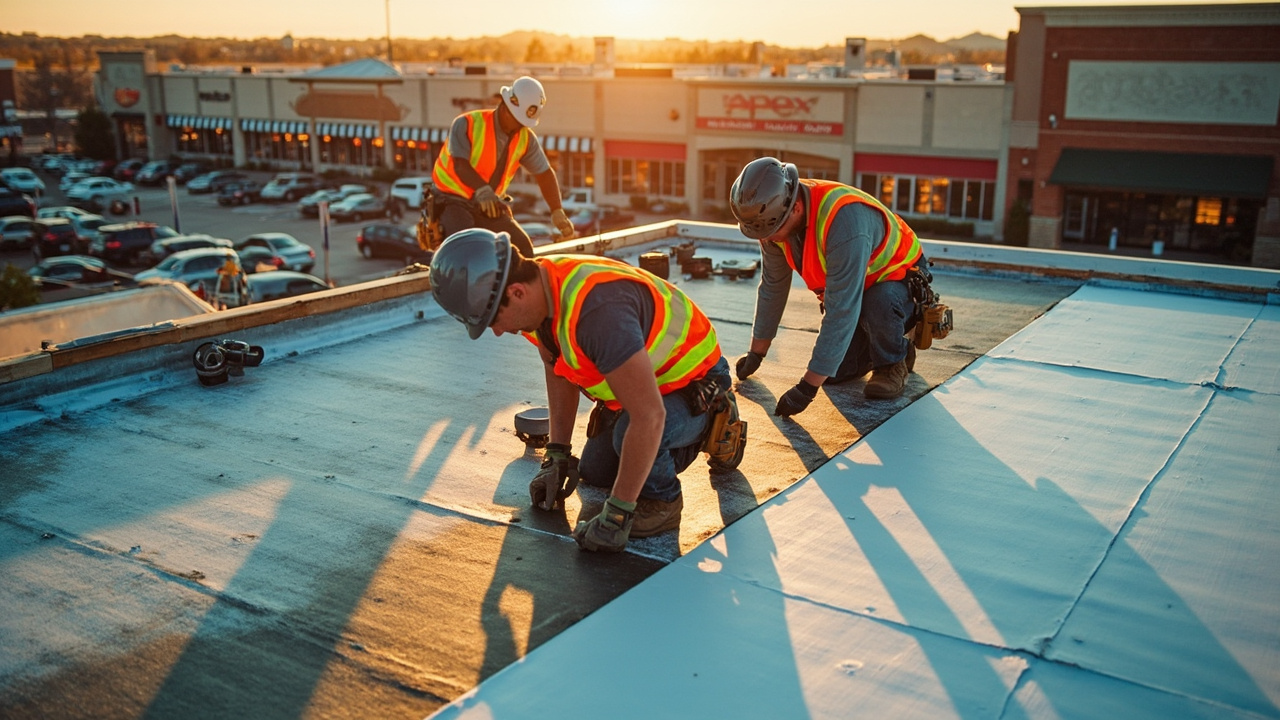
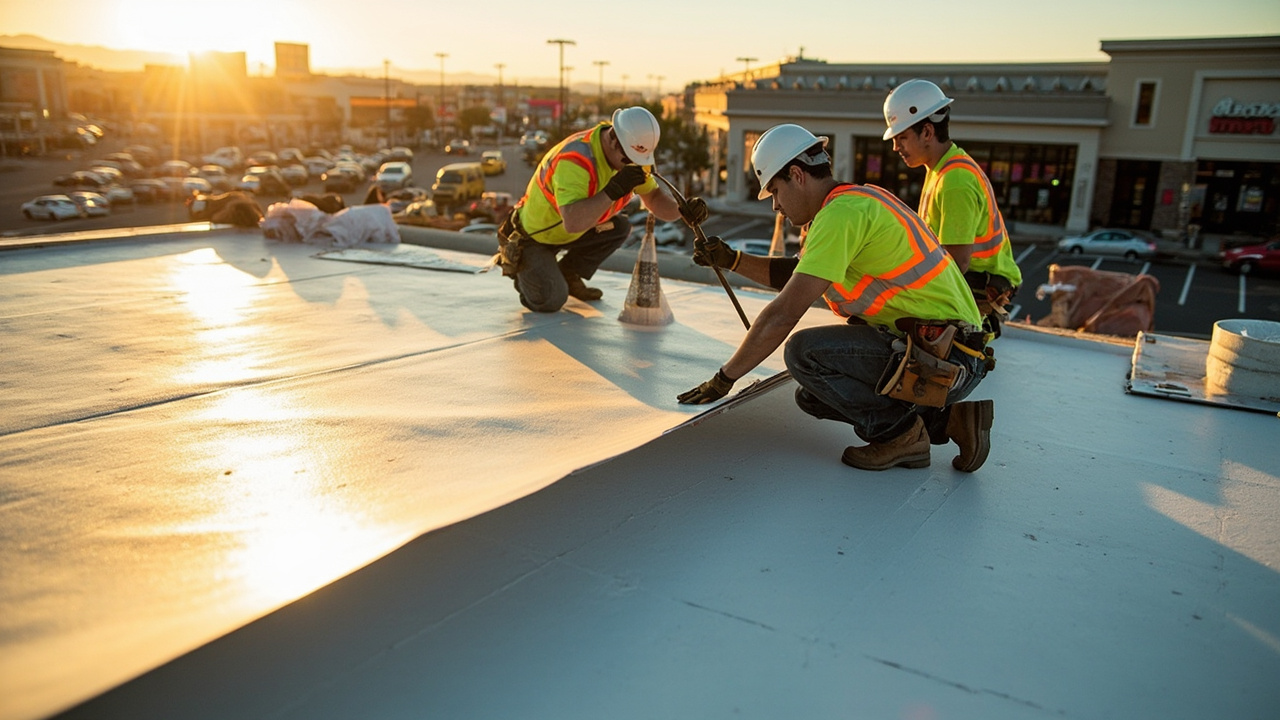
Shopping center roof repair requires surgical precision. You cannot shut down an entire retail center for weeks. Our approach prioritizes containment, staged repairs, and tenant impact mitigation. We section off damaged areas, implement temporary waterproofing, and execute repairs during off-peak hours when possible.

Membrane repair begins with moisture mapping using infrared thermography. This identifies saturated insulation beneath the surface layer. Wet insulation must be removed and replaced to prevent mold growth and continued deterioration. We cut precise sections, remove compromised materials, install new insulation board, and heat-weld or chemically bond new membrane to match the existing system.

Flashing failures cause 70 percent of commercial roof leaks. Parapet walls, HVAC curbs, and pipe penetrations require specialized flashing details. We rebuild these terminations using compatible materials and proper overlap sequences. Metal copings get resealed or replaced. Pitch pans get eliminated in favor of engineered boot systems.

Drainage repair addresses the root cause of ponding. We evaluate roof slope, clear drain lines, install overflow scuppers, and add tapered insulation systems where needed. Proper water evacuation extends membrane life by years. For strip mall roof repair, we coordinate with individual tenants to protect their operations. This includes installing temporary barriers, scheduling noisy work outside business hours, and providing daily progress updates.

Our repair specifications meet or exceed Denver's commercial building code amendments. We document all work with photo records, material certifications, and warranty registration. This protects your property value and provides documentation for insurance claims or future buyers.

How Commercial Roof Repairs Happen at Your Property

Shopping Center Roof Repair in Denver – Minimize Downtime and Protect Your Revenue Stream
01

Site Assessment and Damage Mapping

We conduct a complete roof inspection using moisture detection equipment and drone photography to document all damage areas. This assessment identifies visible leaks, hidden moisture intrusion, and structural concerns. You receive a detailed scope of work with repair options ranked by urgency. We coordinate access schedules with your property management team to minimize tenant disruption during the evaluation phase.
02

Staged Repair Execution

Repairs proceed in isolated sections to maintain business operations below. We install temporary weather protection before removing damaged materials. All compromised insulation gets replaced before new membrane installation. Flashing repairs use materials compatible with your existing roof system. Hot work requires fire watch protocols and tenant notification. Each completed section gets tested for watertight integrity before moving to the next zone.
03

Final Inspection and Documentation

After repairs, we conduct a complete water test and final walkthrough. You receive a comprehensive report with photos, material specifications, and warranty information. We provide a maintenance schedule to extend roof life and catch future problems early. All work includes proper code compliance documentation for your property files. Emergency contact information ensures you have direct access if concerns arise during the warranty period.

Why Retail Property Owners Choose Local Commercial Roofing Specialists

Shopping complex roof repair requires contractors who understand commercial property operations. Apex Roofing Denver specializes in multi-tenant properties where timing and tenant relations matter as much as technical execution. We have worked with property management companies throughout the Denver metro area, from Park Meadows retail corridors to Federal Boulevard shopping centers.

Our crews understand Denver's commercial building codes and the specific amendments that apply to retail properties. We know which inspectors serve which jurisdictions. We maintain relationships with local supply houses for emergency material access. When a spring hailstorm damages 40 shopping centers in one afternoon, we have the crew capacity and material access to respond while other contractors are still returning phone calls.

Denver's commercial insurance landscape requires proper documentation. We provide estimates formatted for insurance submission, supplement justifications backed by industry standards, and material specifications that meet carrier requirements. Our repair methods align with manufacturer guidelines to preserve existing warranties when possible.

The retail construction environment demands safety protocols that protect customers and employees. We maintain general liability coverage specific to occupied commercial properties. Our crews use barrier systems that prevent customer access to work zones. All equipment gets secured at day's end. We never block fire exits or emergency access routes.

You need a contractor who communicates. Our project managers provide daily updates to property management teams. We coordinate with individual tenants before accessing roof areas above their spaces. If we discover additional damage during repairs, you get immediate notification with photos and cost impact before we proceed. No surprises on the final invoice.

What Your Repair Project Will Look Like

Response Time and Project Duration

Emergency retail center roof repairs begin within 24 hours of your call. We dispatch crews for temporary containment while developing the full repair scope. Most isolated repairs complete in three to five days depending on damaged area size and weather conditions. Larger projects spanning multiple roof sections take one to three weeks using staged approaches. We provide detailed schedules before work begins and update timelines if conditions change. Weather delays happen in Denver. We communicate proactively rather than leaving you guessing about completion dates.

The Assessment Process

Initial inspections take two to four hours depending on building size. We access the roof, document all damage with photos, test for moisture intrusion, and evaluate structural components. You receive a written assessment within 48 hours detailing repair needs, cost estimates, and recommended timing. For insurance claims, we provide documentation formatted for carrier submission. The assessment includes membrane condition analysis, flashing integrity review, drainage evaluation, and structural deck inspection. This comprehensive approach ensures we identify all problems before starting repairs.

Quality Standards and Materials

All materials meet or exceed manufacturer specifications for commercial applications. We use membrane systems rated for Denver's temperature extremes and UV exposure. Adhesives and sealants get selected for compatibility with existing roof systems. Insulation boards carry proper R-values for current energy codes. Metal flashing uses kynar-coated steel or aluminum for longevity. We source materials from regional suppliers for quality consistency and emergency availability. Every repair gets tested for watertight integrity before project completion. Your final documentation includes material certifications and installation photos.

Warranty Coverage and Ongoing Support

Repair work includes workmanship warranties covering installation defects. Duration depends on repair scope and materials used. We provide written warranty documentation with clear coverage terms. Material manufacturers provide separate product warranties registered in your name. After project completion, we offer maintenance inspection programs to extend roof life and catch small problems before they become expensive failures. You receive a maintenance guide specific to your roof system. Our team remains available for questions or concerns throughout the warranty period. Emergency contact information ensures direct access when you need it.

Frequently Asked Questions

You Have Questions,
We Have Answers

What does an average roof repair cost? +

Shopping center roof repair costs in Denver vary based on damage scope, roof type, and square footage. Minor repairs like patching membrane tears or replacing damaged flashing range from several hundred to a few thousand dollars. Extensive structural repairs or large-scale membrane restoration cost significantly more. Denver's freeze-thaw cycles and intense UV exposure accelerate commercial roof deterioration, often requiring more frequent intervention. Flat and low-slope roofs common on retail properties need different approaches than pitched systems. Request a professional assessment to quantify damage and determine accurate repair costs. Costs correlate directly to business downtime risks and liability exposure.

How much should it cost to fix a roof? +

Commercial roof repair costs depend on damage type, material specifications, and accessibility. Single-ply membrane repairs differ from built-up roofing fixes. Denver's commercial properties face unique challenges from temperature swings and hail exposure, impacting repair complexity. Labor accounts for a substantial portion of costs, particularly on multi-tenant shopping centers requiring after-hours work to minimize tenant disruption. Material quality and warranty coverage affect pricing. Emergency repairs cost more than scheduled maintenance. A qualified contractor provides transparent estimates after thorough inspection. Factor in potential code compliance upgrades and structural reinforcement needs when budgeting.

Does commercial insurance cover roof replacement? +

Commercial property insurance typically covers roof replacement if damage results from covered perils like hail, wind, fire, or sudden events. Denver's frequent hail storms often trigger legitimate claims. Policies exclude damage from deferred maintenance, gradual deterioration, or pre-existing conditions. Age and maintenance records influence claim approval. Many policies depreciate roof value based on age, affecting payout amounts. Review your policy's actual cash value versus replacement cost coverage. Documenting regular maintenance strengthens claims. Insurance adjusters scrutinize commercial claims closely. Work with contractors experienced in insurance documentation to maximize recovery and minimize business interruption.

Who is responsible for roof repairs? +

Responsibility for shopping center roof repairs depends on lease structure and ownership arrangements. Property owners typically handle structural repairs and common area roofing under net lease agreements. Triple net leases may shift maintenance responsibility to tenants, though structural issues often remain landlord obligations. Review lease terms carefully. In Denver, local building codes require property owners to maintain weathertight roofs regardless of lease language. Tenant-caused damage becomes tenant responsibility. Anchor tenants often negotiate separate roof maintenance provisions. Clear documentation of roof condition at lease inception prevents disputes. Legal counsel should review repair obligations before executing commercial leases.

What is the cheapest way to repair a roof? +

The cheapest commercial roof repair approach is proactive maintenance, not reactive patching. Preventive programs catch small issues before they escalate into structural problems or tenant disruption. Denver's climate demands regular inspections after hail events and spring thaw. Temporary patches appear cost-effective but often lead to moisture intrusion and compounded damage. Quality materials and proper installation prevent repeat failures. Delaying necessary repairs increases liability exposure and tenant vacancy risks. Consider lifecycle costs, not just immediate expenses. Strategic repairs that extend roof life deliver better ROI than repeated band-aid fixes that compromise building envelope integrity and tenant relationships.

What is the most expensive part of replacing a roof? +

Structural decking replacement represents the most expensive component of commercial roof projects. When water infiltration damages substrate materials or structural supports, costs escalate rapidly. Shopping centers with large uninterrupted roof spans require substantial materials and labor for decking work. Denver's freeze-thaw cycles accelerate hidden structural deterioration beneath membrane surfaces. Tear-off and disposal of existing roofing systems add significant expense on multilayer roofs. Addressing code compliance upgrades during replacement increases costs but avoids future penalties. Insulation replacement and vapor barrier installation contribute substantially to total investment. Early leak detection minimizes structural damage and controls overall replacement expenditure.

What is the best time of year for roof repair? +

Late spring through early fall offers optimal conditions for commercial roof repair in Denver. Temperatures between 50 and 85 degrees allow proper adhesive curing and material installation. Avoid winter repairs when possible, as cold temperatures compromise membrane flexibility and adhesive performance. Summer heat works well for most systems but requires afternoon scheduling to avoid extreme surface temperatures. Denver's unpredictable weather demands flexible scheduling. Plan major repairs between tenant peak seasons to minimize business disruption. Emergency repairs proceed year-round regardless of conditions. Schedule preventive maintenance after spring thaw and before fall snow to address winter damage and prepare for upcoming weather.

What do roofers charge per hour? +

Commercial roofing contractors in Denver typically charge project-based rates rather than hourly fees for shopping center work. This approach accounts for material costs, crew size, equipment, and project complexity. Labor represents 40 to 60 percent of total project costs. Emergency service calls and after-hours work command premium rates due to business continuity requirements. Crew size and specialized equipment for large commercial projects affect pricing structures. Obtain detailed written estimates breaking down labor and materials. Lowest bids often indicate inexperience or material compromises. Focus on value, warranty coverage, and completion timelines rather than hourly rate comparisons when evaluating commercial roofing proposals.

Does homeowners insurance cover roof repair? +

This question addresses residential coverage. Shopping center owners carry commercial property insurance with different provisions than homeowners policies. Commercial policies cover roof damage from covered perils but scrutinize maintenance records and depreciation factors more rigorously. Denver shopping center owners should review their specific commercial policy terms, replacement cost versus actual cash value coverage, and deductible structures. Commercial policies often require detailed documentation of preventive maintenance programs. Tenant improvement considerations and business interruption coverage interact with roof damage claims. Consult your commercial insurance agent and review policy language specific to roof coverage, exclusions, and claim procedures for retail properties.

Is it worth claiming roof damage on insurance? +

Filing commercial roof damage claims makes financial sense when repair costs exceed deductibles and damage stems from covered events. Denver's hail frequency justifies many legitimate claims. Consider premium impact, claim history, and deductible amounts before filing. Document damage immediately with photographs and professional assessments. Small repairs below deductible thresholds may not warrant claims. Significant structural damage or widespread membrane failure typically justifies claims despite potential premium increases. Delayed claims raise insurer skepticism. Balance immediate recovery against long-term insurance costs. Maintain detailed maintenance records to support claims. Consult insurance advisors and legal counsel on high-value claims affecting multi-tenant properties and business operations.

How Denver's Elevation and Weather Patterns Accelerate Shopping Center Roof Damage

Denver's mile-high elevation creates unique challenges for commercial retail roof systems. UV radiation intensity increases approximately four percent per 1,000 feet of elevation. At 5,280 feet, shopping center roofs absorb significantly more damaging ultraviolet exposure than identical buildings at sea level. This accelerates membrane degradation, causes premature chalking of TPO systems, and reduces expected service life. Temperature swings of 40 to 50 degrees between day and night create constant expansion and contraction cycles. Combined with rapid freeze-thaw patterns during spring and fall, these conditions stress seams, fasteners, and flashing connections. Strip mall roof repair becomes necessary years earlier than in more moderate climates.

Denver's commercial building codes include specific provisions for snow load calculations and wind uplift resistance. Shopping complexes require engineered roof systems that handle concentrated drift loads near parapet walls and HVAC equipment. Local jurisdictions enforce these standards during repair permit reviews. Working with contractors familiar with Denver's inspection process prevents costly rework and project delays. Apex Roofing Denver maintains working relationships with plan reviewers across metro area jurisdictions. We understand which details trigger scrutiny and how to document compliance efficiently. This local knowledge keeps your project moving and ensures repairs meet all applicable codes for long-term performance and liability protection.
Roofing Services in The Denver Area

Looking for trusted roofing services near you? Apex Roofing Denver proudly serves homeowners and businesses across the greater Denver area with expert roof repairs, replacements, inspections, and storm damage restoration. From Aurora to Lakewood and Thornton to Centennial, our experienced roofing team is ready to deliver fast, dependable solutions. Use the map below to explore our service areas and find top-rated roofing help near your neighborhood.

Address:
Apex Roofing Denver, 2301 Blake St, Denver, CO, 80205

Additional Services We Offer

Our news updates

Latest Articles & News from The Blogs

Lorem ipsum dolor sit amet. Aut expedita quaerat quo eligendi numquam et laudantium perspiciatis qui minima expedita rem consequatur ducimus.…

Test Blog 4

Lorem ipsum dolor sit amet. Aut expedita quaerat quo eligendi numquam et laudantium perspiciatis qui minima expedita rem consequatur ducimus.…

Test Blog 3

Lorem ipsum dolor sit amet. Aut expedita quaerat quo eligendi numquam et laudantium perspiciatis qui minima expedita rem consequatur ducimus.…

Test Blog 2

Lorem ipsum dolor sit amet. Aut expedita quaerat quo eligendi numquam et laudantium perspiciatis qui minima expedita rem consequatur ducimus.…

Contact Us

Every day you delay shopping center roof repair costs you money through property damage and tenant relations. Call Apex Roofing Denver at (720) 484-8300 for immediate assessment. We respond to commercial properties within 24 hours and provide detailed repair plans that minimize business disruption.