





Menu

Sagging Roof Deck in Denver – Expert Diagnosis and Structural Repair Before Collapse

Denver's Extreme Temperature Swings and Heavy Snow Loads Cause Roof Decking to Fail. We Identify Hidden Structural Damage, Replace Compromised Sheathing, and Restore Roof Integrity Before Catastrophic Failure Puts Your Family at Risk.

Slider Image 1
Slider Image 2
Slider Image 3
Slider Image 4
Slider Image 5
Slider Image 7
Slider Image 8
Slider Image 9
Slider Image 10
Slider Image 11

Why Denver Roofs Develop Sagging Roof Decks Faster Than Other Climates

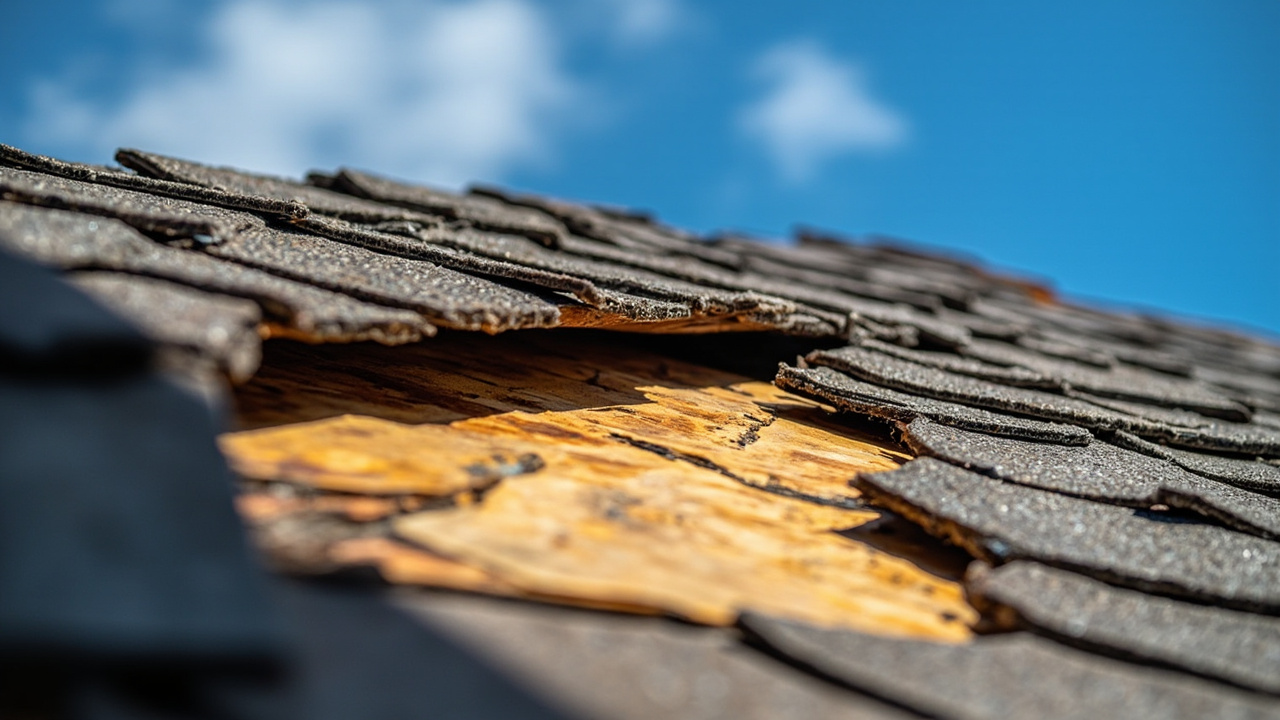
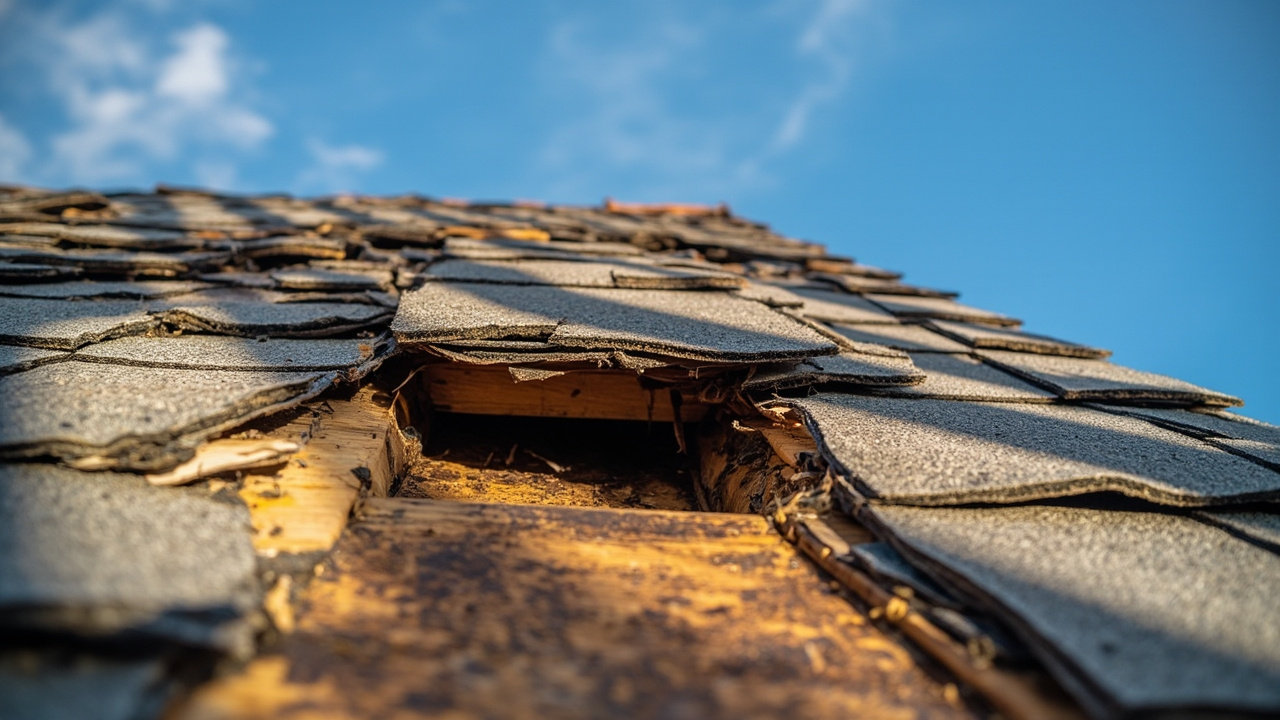
You notice a dip in your roofline. When you step into the attic, you see bowing roof sheathing or warped roof plywood between the rafters. This is not cosmetic. A sagging roof deck signals structural failure happening right now.

Denver's climate accelerates this problem. Our temperature swings can reach 40 degrees in a single day. The roof expands in the afternoon sun, then contracts at night. Over time, this cycle weakens the fasteners holding the sheathing to the rafters. Add the weight of Denver's heavy spring snowfalls, and you get deflected roof sheathing that bends under load.

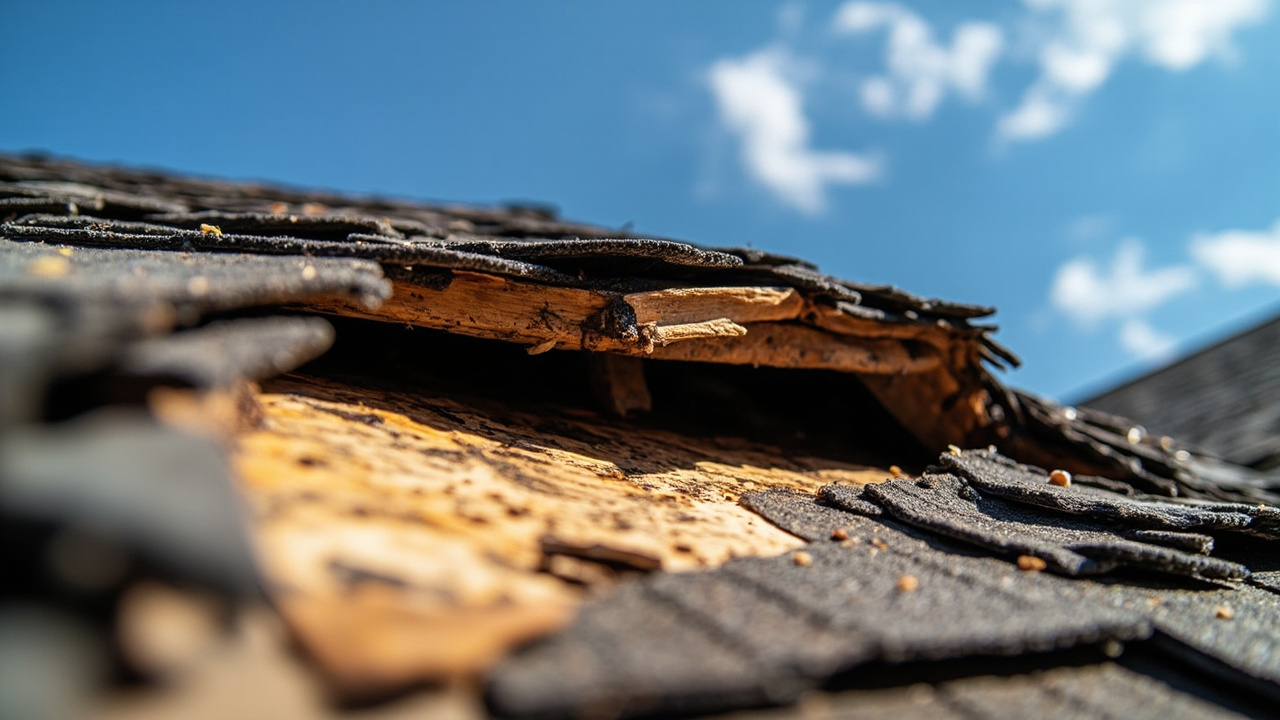
Moisture makes it worse. Ice dams form when snow melts and refreezes at the eaves. Water backs up under the shingles and soaks the plywood. Wet plywood loses its strength. You end up with dipping roof decking that sags between the trusses. The longer you wait, the more the deflection increases. Eventually, the decking can separate from the framing entirely.

You may also see sunken roof boards near valleys or eaves where water collects. These areas fail first because they carry the most stress. If you can see the sag from the ground, the problem is advanced. The decking is compromised, and the structural integrity of your entire roof system is at risk. This is not something you can ignore.

Why Denver Roofs Develop Sagging Roof Decks Faster Than Other Climates
How We Identify and Repair Structural Roof Deck Failure

How We Identify and Repair Structural Roof Deck Failure

We do not patch over sagging roof decks. We fix the root cause. The first step is a full attic inspection. We examine the sheathing from below, checking for deflection, water staining, delamination, and fastener failure. We look at the rafter spacing and the thickness of the plywood. Many older Denver homes were built with half inch plywood on 24 inch centers. That combination fails under snow load.

We measure the deflection with a straightedge. If the sag exceeds an eighth of an inch per foot, the sheathing needs replacement. We also test for rot by pressing a screwdriver into the wood. Soft spots mean the plywood has lost its structural rating. You cannot fix that with a support beam or additional fasteners. The panel has to come out.

Once we identify the extent of the damage, we strip the affected area down to the framing. We remove the old sheathing and inspect the rafters and trusses for rot or damage. If the framing is compromised, we sister new lumber alongside the damaged member to restore full load capacity. Then we install new sheathing, typically seven sixteenths or five eighths inch OSB, fastened with ring shank nails on six inch centers at the edges and 12 inch centers in the field.

We do not reuse old shingles. The new decking gets fresh underlayment and new roofing material. This ensures a watertight seal and prevents future moisture intrusion. The result is a roof structure that meets current load tables and can handle Denver's weather without deflection.

What Happens During a Roof Deck Replacement

Sagging Roof Deck in Denver – Expert Diagnosis and Structural Repair Before Collapse
01

Attic and Exterior Inspection

We start inside your attic, mapping every section of deflected or damaged sheathing. We check for water stains, mold growth, and fastener pullout. Then we inspect the roof surface from the outside, looking for visible dips or waviness in the roofline. This dual perspective tells us exactly where the failure is happening and whether the trusses or rafters are also compromised.
02

Sheathing Removal and Framing Repair

We strip the roofing material and remove the damaged plywood panels. Each section is cut cleanly at the rafter centerline to maintain structural alignment. If we find rot or sagging in the framing members, we sister new dimensional lumber alongside the damaged rafter or truss chord. This restores the full load bearing capacity before we install new sheathing. We do not cut corners on framing repair.
03

New Decking and Roofing Install

We fasten new OSB or plywood sheathing to the repaired framing using ring shank nails at code spacing. This creates a solid, level surface. We install new underlayment, ice and water shield at the eaves and valleys, and fresh roofing material that matches your existing roof. The final result is a structurally sound roof deck that will not sag under snow load or temperature stress.

Why Denver Homeowners Trust Apex Roofing Denver for Structural Repairs

Structural roof repairs require more than roofing skills. You need someone who understands framing, load paths, and how Denver's climate stresses a roof system. Apex Roofing Denver has been repairing sagging roof decks and bowing roof sheathing in the metro area for years. We know the common failure points in Denver homes, from post war ranch houses with thin plywood to newer builds with improper fastener schedules.

We follow the International Residential Code and Denver's local amendments. That means proper rafter spacing, correct sheathing thickness, and fastener patterns that meet wind and snow load requirements. We do not take shortcuts. If the framing is damaged, we repair it before we install new decking. If the attic ventilation is inadequate and contributing to moisture buildup, we address that too. A sagging roof deck is often a symptom of multiple problems, and we fix all of them.

Our crews work year round in Denver's weather. We know how to protect your home during a tear off. We use tarps and plywood barriers to keep the interior dry if a storm rolls in during the project. We also coordinate with your insurance company if the damage is covered. Many homeowners do not realize that wind driven rain or hail damage can lead to sheathing failure. We document the damage and provide the photos and reports your adjuster needs.

You get a roof that is structurally sound, properly ventilated, and built to last. We do not patch over problems. We rebuild the roof deck to current standards, and we stand behind the work. That is how we have built our reputation in Denver.

What to Expect When You Call Apex Roofing Denver

Fast Scheduling and Transparent Timelines

We schedule an inspection within two business days. If you have an active leak or visible collapse, we can often get someone out the same day. The inspection takes about an hour. We measure the deflection, check the attic, and give you a detailed explanation of what is happening and why. The actual repair timeline depends on the extent of the damage. A single section of warped roof plywood might take one day. A full roof deck replacement can take three to five days, depending on weather and the size of your roof. We give you a clear timeline before we start, and we communicate any changes immediately.

Comprehensive Structural Assessment

We do not guess. We measure. Our inspection includes deflection measurements, moisture readings, and fastener pull tests. We check the rafter and truss spacing, the thickness of the existing sheathing, and the condition of the underlayment. If we find rot in the framing, we document it with photos. We also look for the cause. Is it ice damming, poor attic ventilation, or a leak from the flashing? You get a written report that explains what failed, why it failed, and what we need to do to fix it correctly. No surprises, no upselling.

Structurally Sound, Code Compliant Results

When we finish, your roof deck is flat, rigid, and built to code. We use the correct thickness of sheathing for your rafter spacing. We fasten it with ring shank nails at the spacing required by the IRC. The new roofing material is installed over proper underlayment and ice and water shield. You will not see any dips, waves, or soft spots. The roof will handle Denver's snow loads without deflection. We clean up completely and haul away all the old material. You get a roof that looks good and performs correctly under stress.

Ongoing Support and Documentation

We provide documentation of all materials used, including the sheathing grade, fastener schedule, and underlayment spec. This is important for insurance claims and future home sales. If we repair framing members, we note that in the report as well. We also walk you through any maintenance recommendations, such as improving attic ventilation or adding insulation to prevent ice dams. You can call us anytime after the job if you have questions or concerns. We do not disappear after the check clears.

Frequently Asked Questions

You Have Questions,
We Have Answers

How to fix a sagging deck roof? +

Fixing a sagging deck roof starts with identifying the cause. Remove sheathing to inspect rafters and joists for rot, cracks, or water damage common in Denver's freeze-thaw cycles. Replace damaged framing members with properly sized lumber that meets current load requirements for Colorado snow loads. Install additional support beams or sistered joists if undersized framing caused the sag. Re-sheathe with exterior-grade plywood, install new underlayment, and replace roofing material. For shallow sags under half an inch, shimming may work temporarily, but structural repairs prevent future collapse. A professional assessment determines whether repair or replacement makes sense for your situation.

How serious is a sagging roof? +

A sagging roof signals serious structural failure. The visible dip means your roof framing cannot support its own weight plus snow load, which Denver experiences six months yearly. Left unaddressed, sagging worsens as wood fibers compress and moisture penetrates deeper. Interior ceilings crack, walls separate, and water infiltration accelerates rot. The roof could collapse during heavy snowfall or spring melt periods when weight peaks. Sagging also voids most insurance policies if you delay repairs after noticing the problem. What starts as a cosmetic concern becomes a safety hazard. Schedule a structural inspection immediately to assess damage extent and prevent catastrophic failure.

How much roof sagging is acceptable? +

No roof sagging is acceptable. Even a quarter-inch dip indicates structural compromise that will worsen. Building codes require roofs to remain flat or follow designed slopes without deviation. Denver's temperature swings from subzero winters to ninety-degree summers stress roofing materials. Any sag means your framing, sheathing, or supports have failed or are undersized for local snow loads. The sag traps water, creating pooling that accelerates deterioration. Insurance adjusters document even minor sagging as pre-existing damage, complicating future claims. If you notice any visible dip from ground level, the problem is already significant. Address sagging immediately before structural damage spreads to walls and foundation.

Is it expensive to fix a sagging roof? +

Sagging roof repair costs vary based on damage extent and accessibility. Minor sheathing replacement on a small deck roof might run a few thousand dollars. Extensive rafter replacement with structural reinforcement for snow load compliance costs significantly more. Denver's higher material costs and specialized labor for mountain climate conditions affect pricing. Factors include square footage, pitch steepness, number of damaged joists, and whether rot spread to wall plates. Complete tear-off with framing rebuild costs more than targeted repairs. Insurance may cover sudden damage but not long-term neglect. Get three detailed estimates that specify materials, labor breakdown, and Denver building code compliance before committing to repairs.

Will insurance cover a sagging roof? +

Insurance coverage for sagging roofs depends on the cause. Sudden damage from heavy snow accumulation or wind typically qualifies for claims. Gradual sagging from age, poor maintenance, or undersized framing gets denied as wear and tear. Denver insurers scrutinize roof age and prior inspection reports. If you knew about minor sagging and delayed repairs, they exclude coverage. Document the sag immediately with photos and timestamps. File claims within reporting windows, which vary by carrier. Policies often exclude structural inadequacy or building code violations. Review your policy's coverage exclusions before assuming protection. A public adjuster can help navigate claim denials for weather-related structural failure.

How much does it cost to fix a sagging deck? +

Fixing a sagging deck costs between several thousand and tens of thousands depending on structural damage. Simple joist sistering and sheathing replacement costs less than complete framing reconstruction. Denver requires permits for structural work, adding fees and inspection costs. Factors include deck size, access difficulty, rot extent in framing members, and whether posts or beams need replacement. Decks attached to homes require coordination with existing structure and potential interior repairs. Material costs fluctuate seasonally. Labor rates in Denver reflect skilled carpentry demand. Temporary support installation during repairs adds expense. Request itemized estimates detailing framing, sheathing, hardware, permits, and disposal. Compare multiple licensed contractors before selecting one.

How to tell if a roof is about to collapse? +

Warning signs of imminent roof collapse include visible sagging of more than two inches, interior ceiling cracks radiating from corners, doors and windows that stick or won't close, and popping or cracking sounds from the attic. Check for leaning exterior walls, separated roof-to-wall connections, and bent or cracked rafters visible from inside. After Denver snowstorms, watch for sudden deepening of existing sags. Water stains spreading rapidly indicate active leaks weakening structure. If you see daylight through roof boards or feel springiness when walking the attic, evacuate immediately and call a structural engineer. Do not delay when these signs appear together.

How much does it cost to lift a roof? +

Lifting a sagging roof costs significantly more than standard repairs because it requires specialized jacking equipment, temporary supports, and precise structural engineering. The process involves gradually raising the roof back to proper position while replacing damaged framing. Denver projects face complications from attached utilities, finished interiors, and multi-story homes. Engineers must calculate safe lifting rates to prevent cracking drywall or damaging electrical systems. Costs increase with roof size, sag severity, and home age. Some roofs with extensive rot cannot be lifted safely and require replacement. Expect engineering fees, permit costs, and extended labor time. This approach works best when the home has historical value or replacement exceeds lifting costs.

How long does it take to fix a sagging roof? +

Sagging roof repairs take one day to several weeks depending on damage scope. Replacing a few rotted rafters and sheathing on a small deck roof may finish in two days. Extensive structural rebuilding with engineered supports requires weeks, especially if permits and inspections delay progress. Denver weather impacts timelines since roof work requires dry conditions. Winter projects take longer due to shorter daylight and material handling in cold. Access challenges, material delivery delays, and inspection scheduling extend timeframes. Complete tear-offs with framing replacement take longer than targeted repairs. Contractors provide estimated timelines during bids, but weather and hidden damage discoveries often extend initial projections. Plan for temporary tarping during multi-day projects.

How to tell if a roofer is lying? +

Spot dishonest roofers by checking specific claims. Ask for their Colorado license number and verify it online with the state. Request references from projects completed in the past year in Denver and call them. Be wary of pressure tactics, demands for full payment upfront, or prices dramatically lower than other bids. Legitimate contractors provide detailed written estimates with material specifications, not vague "repair roof" descriptions. They pull permits for structural work without you asking. Question anyone who says your roof needs immediate replacement without showing you specific damage. Check online reviews across multiple platforms. Ask technical questions about Denver snow load requirements. If they cannot explain their repair approach or dodge inspection questions, walk away.

How Denver's Freeze Thaw Cycles Destroy Roof Decking Faster

Denver sits at 5,280 feet, where the sun is intense and the nights are cold. Your roof can hit 140 degrees in the afternoon, then drop to freezing by sunrise. This constant expansion and contraction loosens fasteners and stresses the sheathing. Add heavy spring snow, and you get deflection. The snow melts during the day, soaks into the plywood, then refreezes at night. Wet wood loses strength. Frozen wood becomes brittle. Over time, this cycle creates bowing roof sheathing and dipping roof decking that gets worse with every storm. Denver homes built before 2000 often used thinner plywood that was never designed for this kind of stress.

Apex Roofing Denver understands how Denver's elevation and weather patterns affect roof structures. We have repaired hundreds of sagging roof decks across the metro, from Highlands bungalows to Stapleton tract homes. We know the building codes, the common failure points, and the correct materials for this climate. When you hire a local roofing contractor who works in Denver year round, you get someone who has seen every type of sheathing failure and knows how to fix it correctly the first time. That local knowledge matters when your roof is at risk.

Roofing Services in The Denver Area

Looking for trusted roofing services near you? Apex Roofing Denver proudly serves homeowners and businesses across the greater Denver area with expert roof repairs, replacements, inspections, and storm damage restoration. From Aurora to Lakewood and Thornton to Centennial, our experienced roofing team is ready to deliver fast, dependable solutions. Use the map below to explore our service areas and find top-rated roofing help near your neighborhood.

Address:
Apex Roofing Denver, 2301 Blake St, Denver, CO, 80205

Additional Services We Offer

Our news updates

Latest Articles & News from The Blogs

Lorem ipsum dolor sit amet. Aut expedita quaerat quo eligendi numquam et laudantium perspiciatis qui minima expedita rem consequatur ducimus.…

Test Blog 4

Lorem ipsum dolor sit amet. Aut expedita quaerat quo eligendi numquam et laudantium perspiciatis qui minima expedita rem consequatur ducimus.…

Test Blog 3

Lorem ipsum dolor sit amet. Aut expedita quaerat quo eligendi numquam et laudantium perspiciatis qui minima expedita rem consequatur ducimus.…

Test Blog 2

Lorem ipsum dolor sit amet. Aut expedita quaerat quo eligendi numquam et laudantium perspiciatis qui minima expedita rem consequatur ducimus.…

Contact Us

A sagging roof deck will not fix itself. Call Apex Roofing Denver at (720) 484-8300 to schedule a free structural inspection. We will tell you exactly what is wrong, what it will take to fix it, and how soon we can start.