



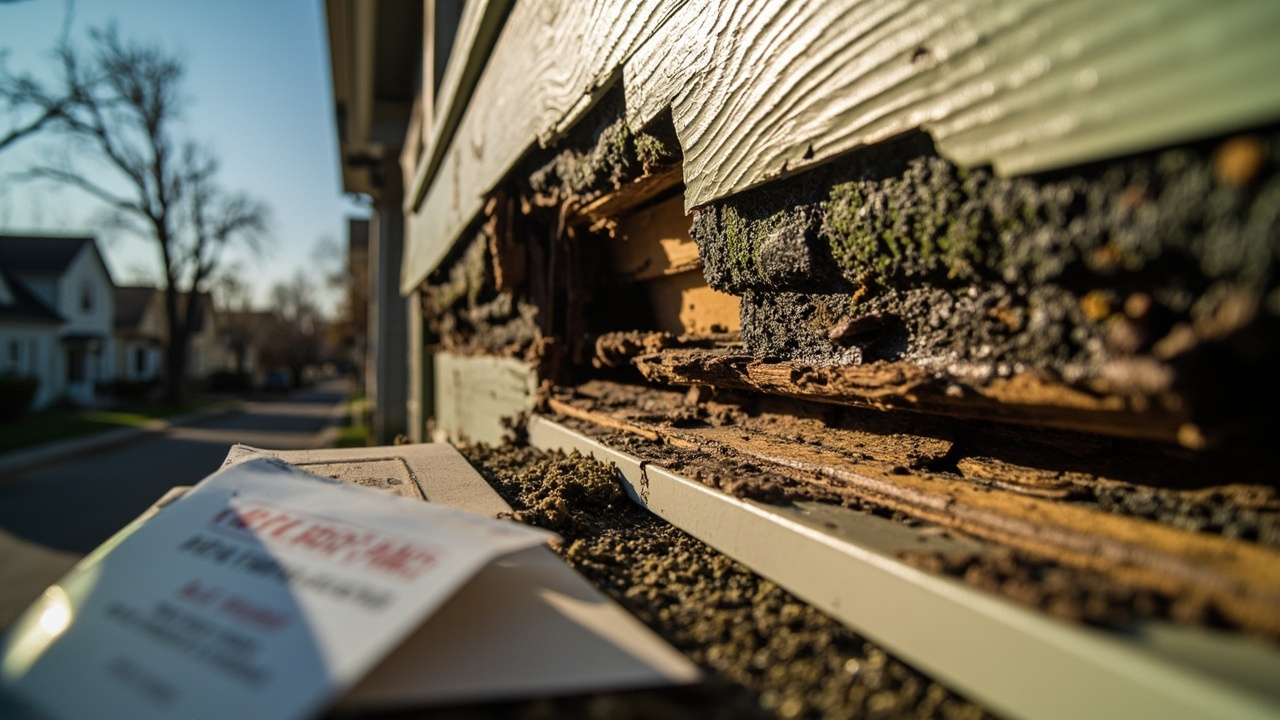
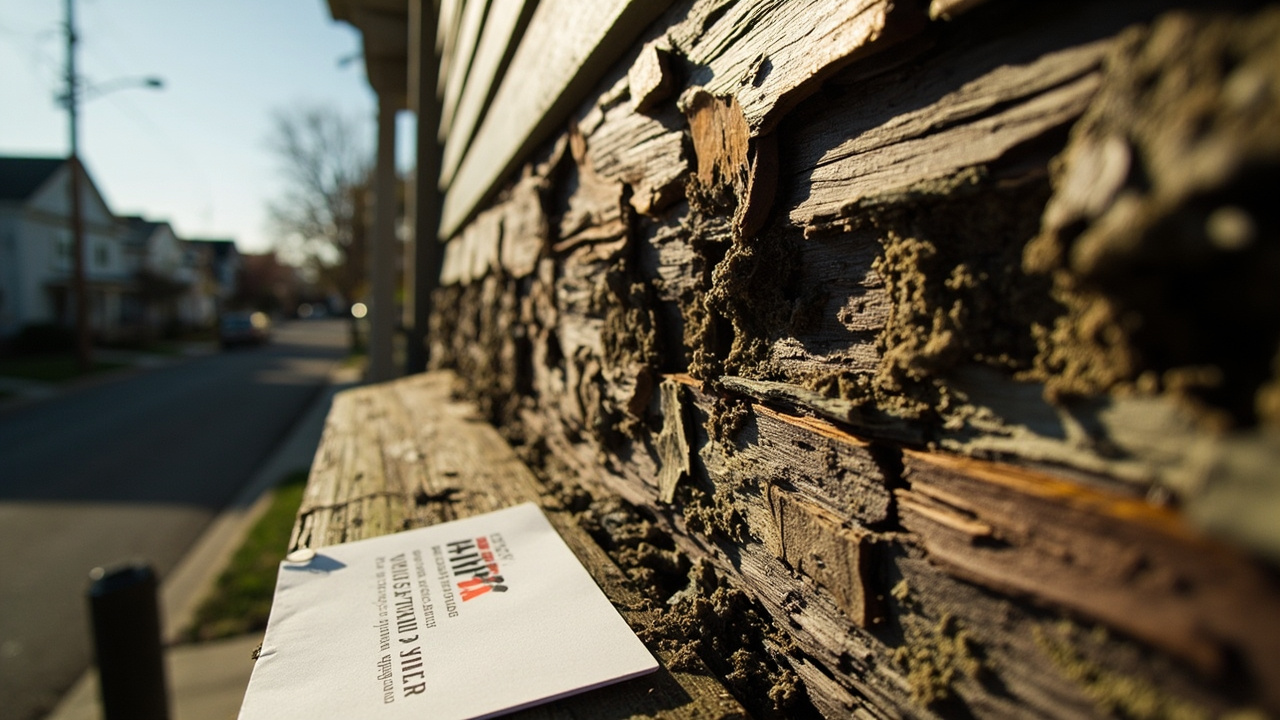
Denver experiences an average of 75 freeze-thaw cycles each winter, more than twice the number seen in coastal cities at sea level. When afternoon temperatures climb into the 40s and 50s, snow melts and runs down your roof into the gutter. If that gutter has even minor clogs or hasn't been cleaned since October, water backs up and soaks into the fascia board. By 10 p.m., temperatures drop below freezing and that absorbed water expands by 9 percent as it turns to ice. This expansion splits wood fibers and creates microscopic cracks that accept even more water during the next thaw. After 30 or 40 cycles, your fascia boards become sponges that stay wet enough to support wood rot fungi year-round.
Denver enforces the 2021 International Residential Code with local amendments specific to our Climate Zone 5B designation and wind exposure category. Those standards require specific roof edge flashing details and moisture barriers that differ from generic building practices. Apex Roofing Denver stays current on these local code requirements and applies them to fascia board repairs even when the work doesn't trigger a formal permit. We also understand the architectural expectations in Denver's historic districts where review boards require period-appropriate materials and trim profiles. That local knowledge prevents your repair from failing inspection or requiring costly rework to match neighborhood standards.