





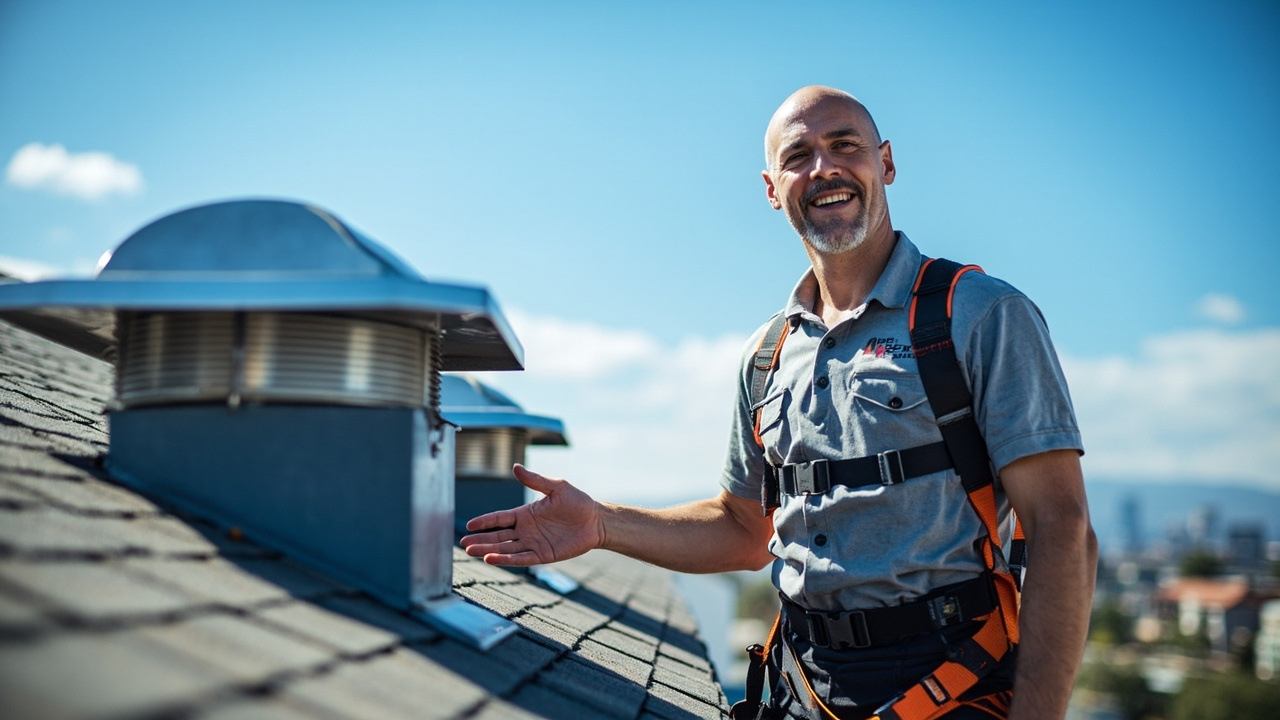
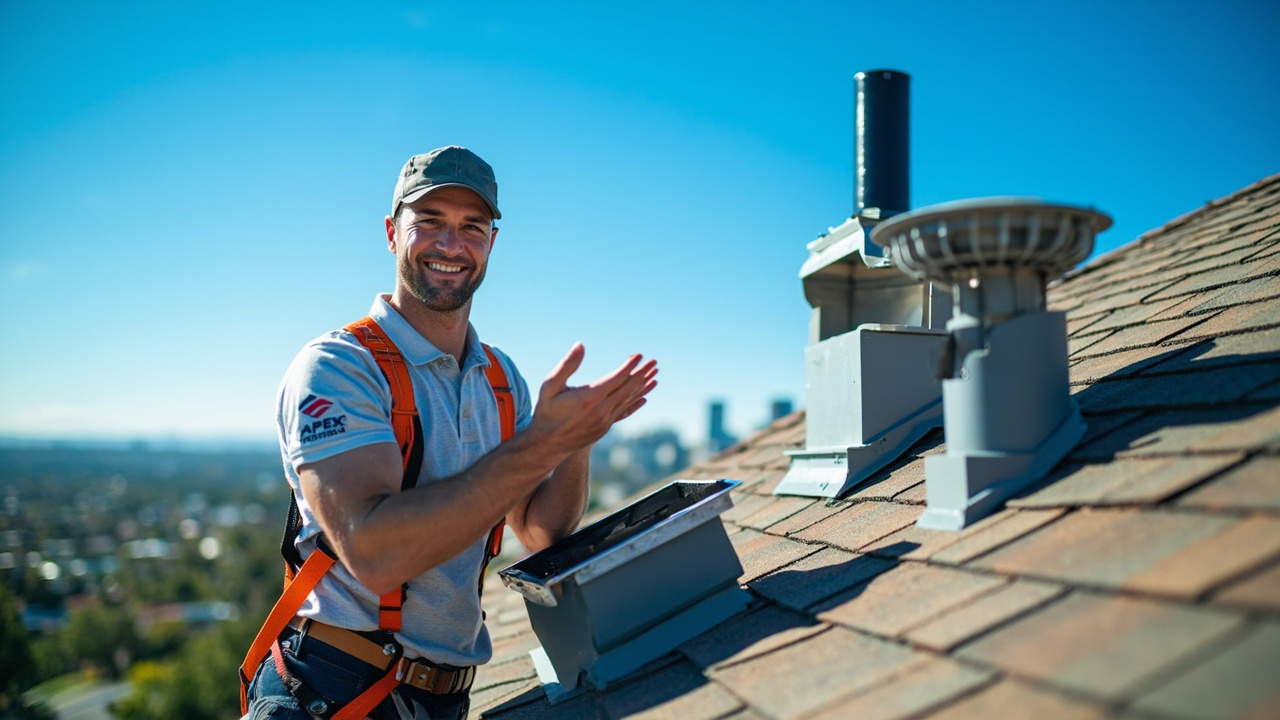
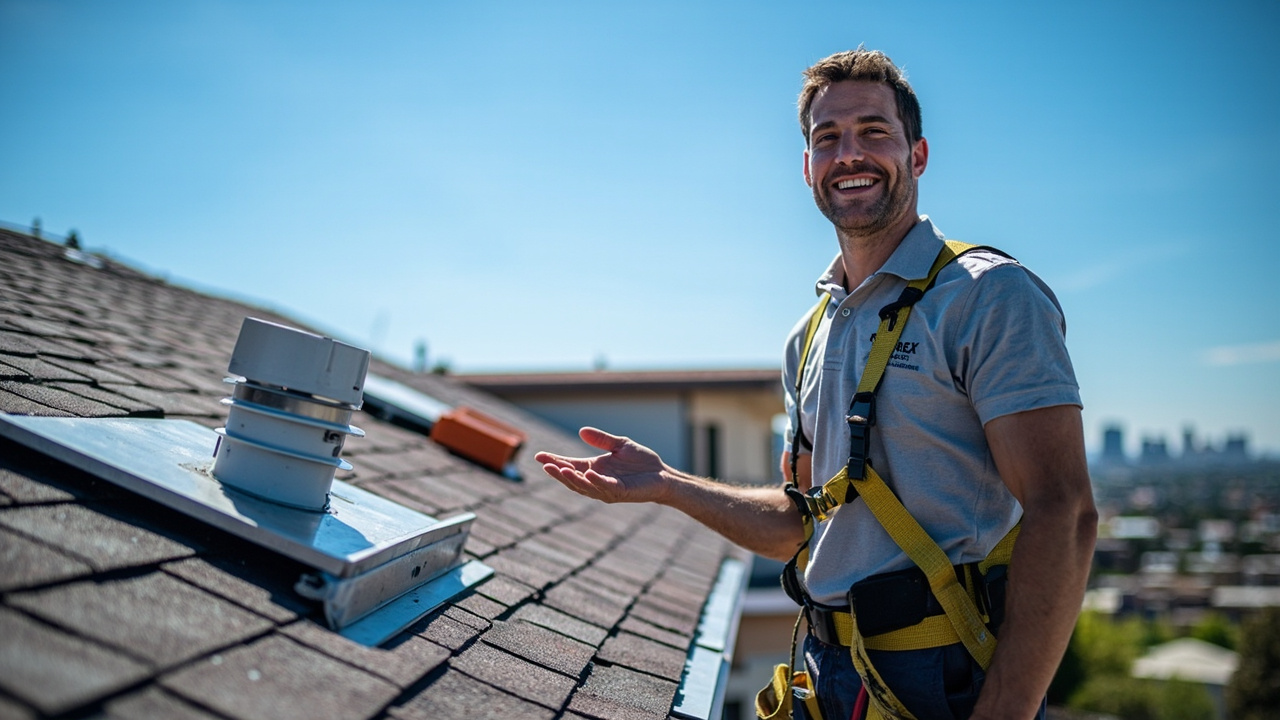
Denver's 5,280-foot elevation creates thinner air with less oxygen, which affects how quickly heat dissipates. Attic temperatures can spike 30 to 40 degrees higher than outside air on summer afternoons, and proper ventilation is the only way to exhaust that heat before it radiates into your living space. Denver also experiences daily temperature swings of 30 degrees or more, which causes rapid expansion and contraction of roofing materials. Without adequate airflow, this thermal cycling accelerates material fatigue and shortens your roof's functional lifespan.
Denver building codes reference the International Residential Code but add local amendments for wind load and snow load requirements. Understanding roof airflow in this context means accounting for both ventilation adequacy and weather resilience. Apex Roofing Denver works exclusively in the Front Range region, so we know how local inspectors interpret code and what ventilation configurations pass inspection. This local knowledge prevents costly rework and ensures your roof system meets both functional and regulatory standards.