





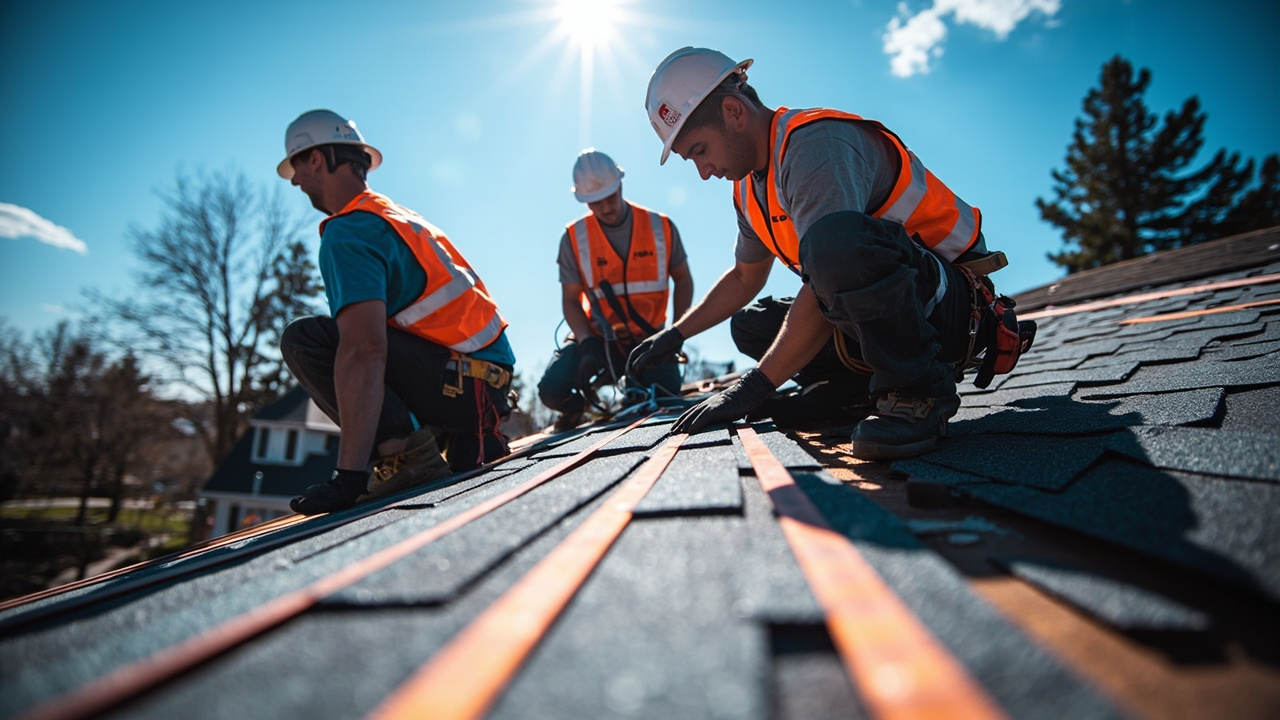
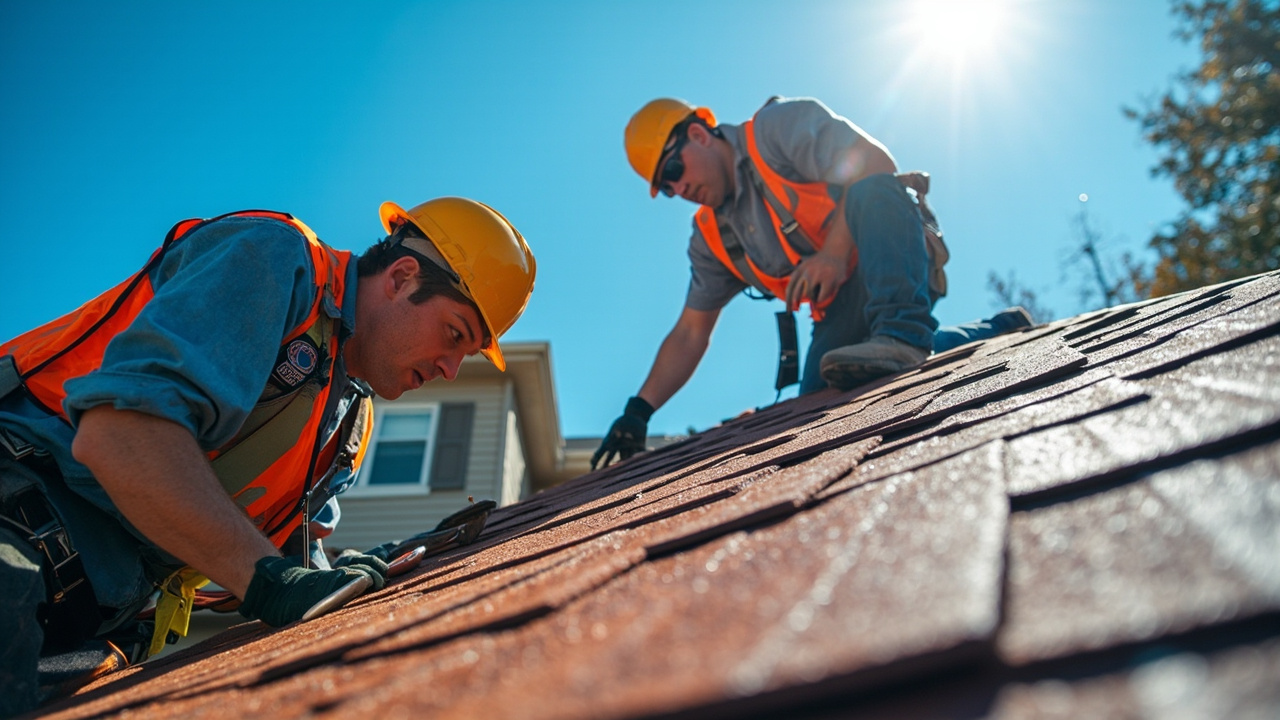
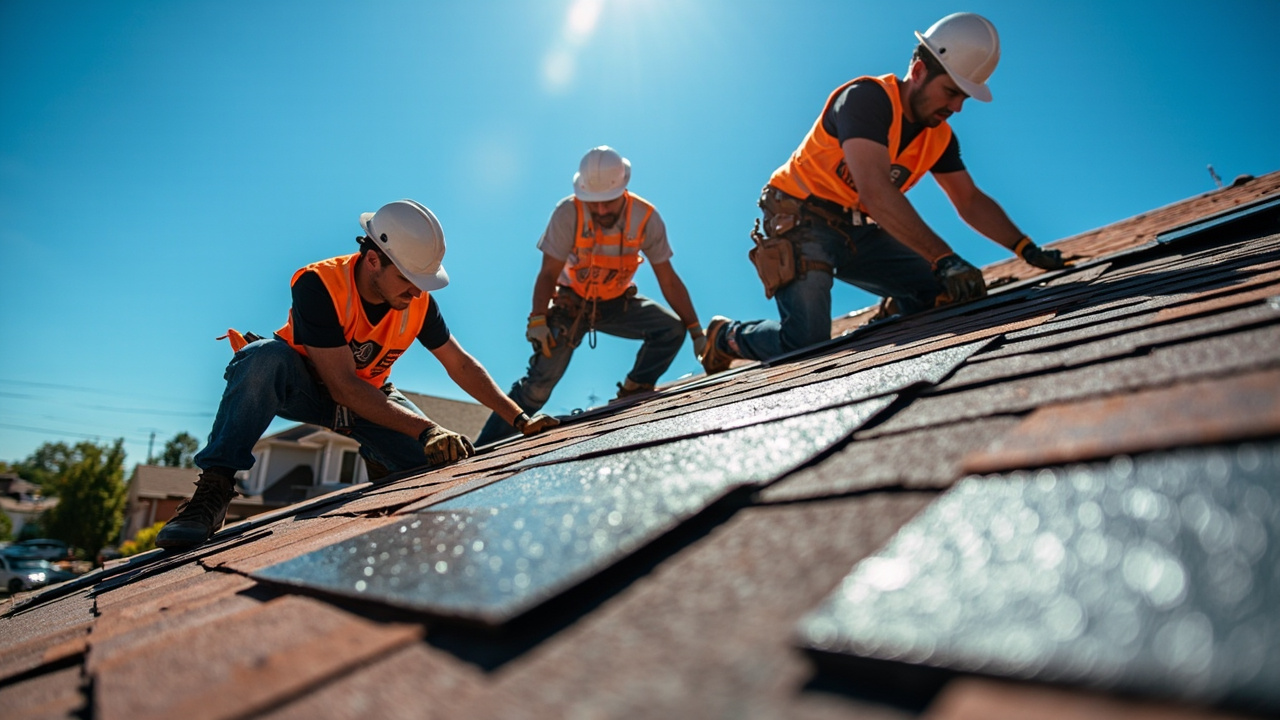
The Front Range hail corridor runs from Castle Rock north through Denver and into Boulder County, a 40-mile-wide band where supercell thunderstorms produce hail 10 to 15 times per year. Storms form over the mountains in late afternoon, drift east, and dump ice stones as they cross the metro. Hail dents asphalt shingles, cracks ridge caps, and breaks sealant bonds, letting wind lift corners and tear tabs loose. Impact-resistant shingles rated UL 2218 Class 4 survive stone impacts that destroy standard products, and most carriers discount premiums 20 to 30 percent when you install them. High altitude amplifies UV damage because thinner atmosphere filters less radiation, so shingles here age faster than identical products installed in Kansas City or St. Louis.
Denver requires building permits for full roof replacement projects, and inspectors verify that new installations meet IRC 2021 wind uplift standards for Climate Zone 5B. Those standards mandate specific fastener patterns, underlayment types, and edge securement techniques to prevent blow-offs during Chinook wind events that gust to 70 miles per hour. Apex Roofing Denver pulls permits, schedules inspections, and ensures your reroofing services pass code compliance checks. We also understand HOA rules in neighborhoods like Lowry, Stapleton, and Reunion, where architectural committees restrict shingle colors and require pre-approval before work begins. Local knowledge saves time, prevents fines, and keeps your project moving.