





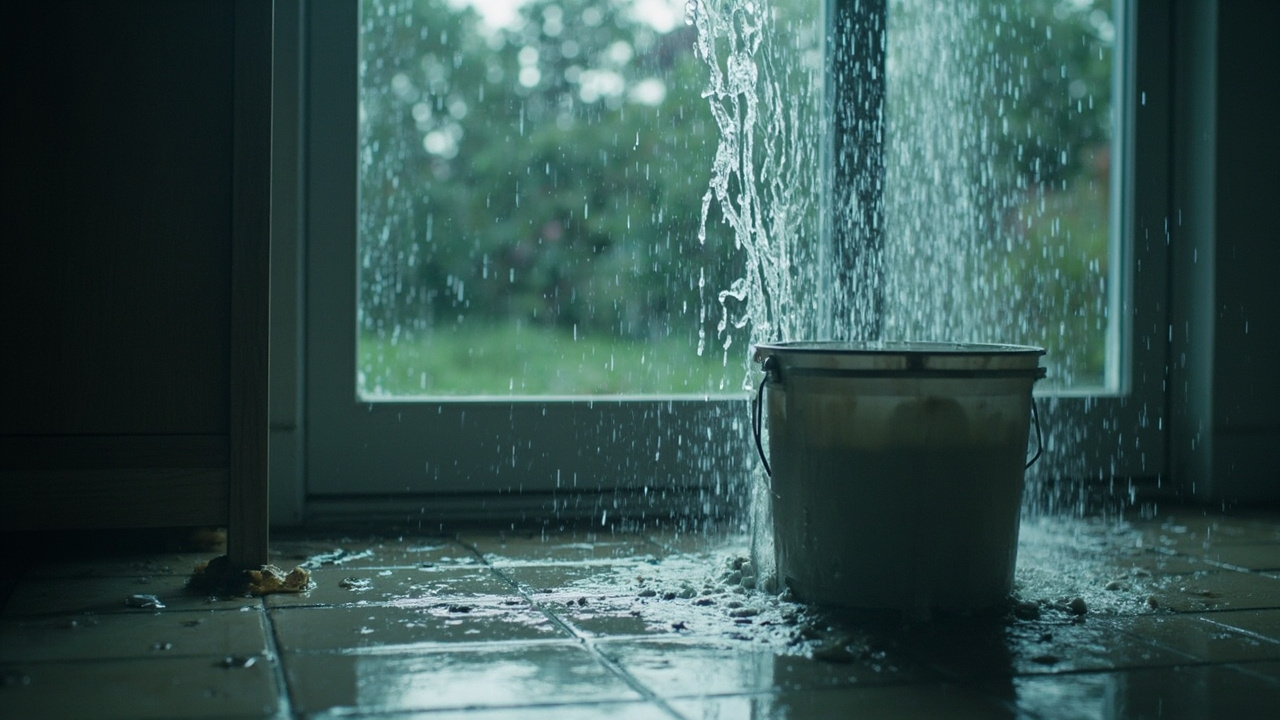
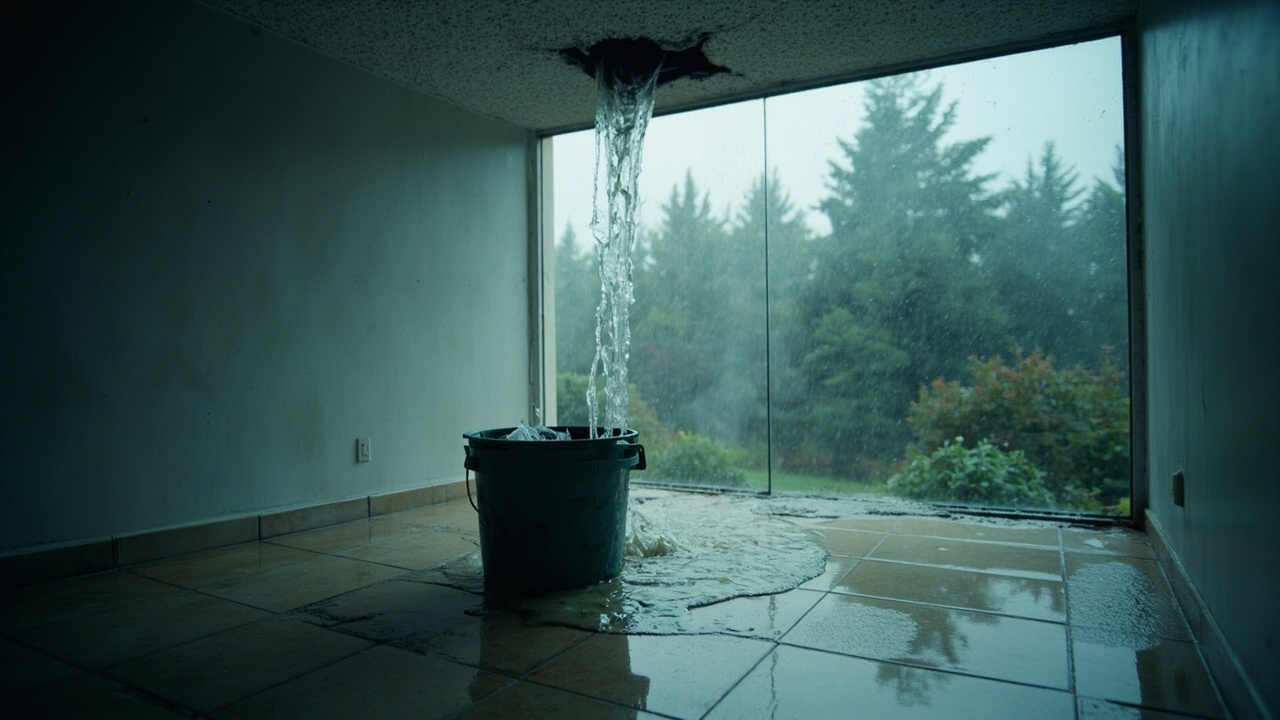
Denver sits in a unique geographic position where warm, moist air from the plains collides with cold fronts dropping off the Rockies, creating sudden, violent thunderstorms with little warning. These microbursts dump several inches of rain in under an hour, overwhelming roof drainage systems and exposing any weakness in shingle adhesion, flashing seals, or valley construction. Homes that survived winter freeze-thaw cycles often have micro-cracks in shingles or lifted edges that only fail when hit with high-volume rainfall. The city's hail corridor reputation means many roofs are already compromised from previous storms, even if the damage was not immediately visible. When the next downpour hits, those hidden fractures turn into active leaks. Emergency roof leak repair in Denver is not about fixing poor construction. It is about responding to climate realities that wear down even well-built systems over time.
Denver enforces strict building codes for roof construction, but older homes in neighborhoods like Congress Park, Sloan's Lake, and University Hills were built before modern standards took effect. Many of these properties have original roof systems from the 1970s and 1980s, with outdated flashing techniques and minimal underlayment protection. When you call for emergency leak repair, you need a contractor who understands how these older systems fail and how to integrate modern materials without creating new problems. Apex Roofing Denver has worked on historic bungalows, mid-century ranches, and modern builds across every Denver zip code. We know which materials hold up under Front Range weather and which shortcuts cause callbacks. Local expertise matters when you are making decisions in the middle of a storm.