






Menu

Roof Inspection Checklist Denver – Protect Your Investment with Our Comprehensive Assessment Template

Download our detailed roof assessment form and learn how Denver's extreme weather cycles demand systematic inspection protocols that catch small issues before they become expensive problems.

Slider Image 1
Slider Image 2
Slider Image 3
Slider Image 4
Slider Image 5
Slider Image 7
Slider Image 8
Slider Image 9
Slider Image 10
Slider Image 11

Why Denver Roofs Need Regular Inspection Documentation

Denver's brutal freeze-thaw cycles destroy roofing systems faster than most climates. When water seeps into minor cracks during the day, it expands by 9% when temperatures drop at night. This constant expansion and contraction tears apart shingles, flashing, and underlayment at an accelerated rate.

You cannot see this damage from the ground. Most homeowners discover leaks only after water has already penetrated the decking, insulation, and ceiling. By that point, what could have been a simple flashing repair becomes a multi-thousand dollar reconstruction project.

A residential roof inspection guide gives you the framework to catch these issues early. You need systematic documentation, not just a quick glance from the driveway. The difference between a $300 repair and a $12,000 replacement often comes down to whether someone checked the right spots at the right time.

Denver's intense UV exposure at 5,280 feet also degrades roofing materials 40% faster than at sea level. Your shingles lose granules, rubber boots crack, and sealants dry out. Without a roof maintenance checklist, you miss the warning signs until wind-driven rain finds every weak point.

The city receives 300 days of sunshine annually, but those 65 days of precipitation include hailstorms that pulverize roofing systems in minutes. Insurance companies require documented proof of pre-existing conditions versus storm damage. A roof check sheet protects your claim by establishing baseline conditions before the next hailstorm hits.

This is not about fear. This is about having the right roofing inspection template to make informed decisions about your biggest asset.

Why Denver Roofs Need Regular Inspection Documentation
What a Complete Roof Assessment Form Should Include

What a Complete Roof Assessment Form Should Include

A useful roof inspection checklist documents specific failure points, not just surface conditions. Start with the penetrations. Every pipe boot, vent stack, chimney, and skylight is a potential leak source. The checklist should include photos of each penetration's flashing condition, sealant integrity, and surrounding shingle status.

Next, evaluate the valley integrity. Valleys channel water at high velocity. They fail first. Your roof assessment form needs to document valley flashing type (open or closed), fastener condition, and debris accumulation patterns. Valley failures account for 60% of leak calls we receive.

Inspect the drip edge and rake trim. Most homeowners ignore these components. The drip edge prevents water from wicking back under the roofing material and rotting the fascia board. Document whether it exists, whether it extends past the fascia, and whether it has separated from the decking.

Check the soffit vents and ridge vents for blockage. Inadequate attic ventilation causes ice dams in winter and premature shingle failure year-round. Your checklist should verify airflow paths remain open and insulation has not blocked soffit intake vents.

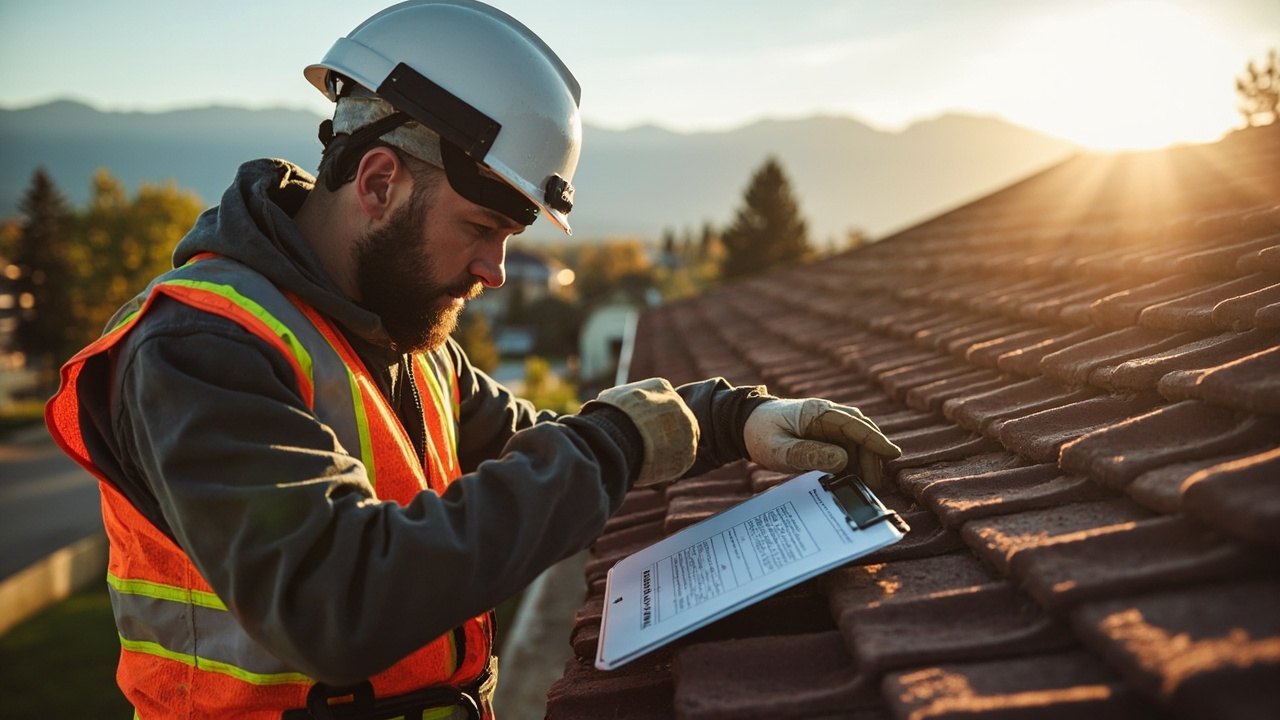
Examine the shingle adhesion. Walk the roof if safe, or use binoculars from the ground. Look for lifted corners, missing tabs, and granule loss patterns. Document specific locations using a grid system (northeast quadrant, southwest slope, etc.) so you can track deterioration over time.

The roof maintenance checklist should include interior attic inspection. Water stains on decking, mold growth on rafters, and daylight visible through the roof deck all indicate active or past leaks. Apex Roofing Denver trains inspectors to correlate exterior damage with interior evidence to determine urgency accurately.

How to Use Your Inspection Documentation Effectively

Roof Inspection Checklist Denver – Protect Your Investment with Our Comprehensive Assessment Template
01

Schedule Seasonal Reviews

Inspect your roof twice annually, preferably in spring after freeze-thaw damage and fall before winter weather arrives. Use the same roofing inspection template each time to create comparable records. Take photos from identical positions to track changes. Document the date, weather conditions, and any recent storms. This consistency makes deterioration patterns obvious and gives you baseline data for insurance claims if hail or wind causes sudden damage.
02

Document With Precision

Generic notes like "looks okay" have zero value. Your roof check sheet should include measurements, specific locations, and photo documentation. Instead of "some granule loss," write "approximately 30% granule loss on south-facing slope between chimney and ridge vent." This specificity helps contractors provide accurate estimates and helps adjusters process claims fairly. Include close-up photos of problem areas and wide shots showing roof context.
03

Create an Action Plan

Use your completed residential roof inspection guide to prioritize repairs. Active leaks require immediate attention. Deteriorating flashing is urgent but not emergency-level. Cosmetic shingle damage can wait but needs monitoring. Share your documented findings with qualified roofers for evaluation. Apex Roofing Denver provides free estimate reviews of homeowner inspection documentation to verify concerns and recommend appropriate timing for repairs versus full replacement.

Why Denver Homeowners Trust Local Inspection Expertise

Denver's roofing challenges are not universal. A contractor from Houston does not understand how temperature swings from 60 degrees to negative 10 within 24 hours stress roofing systems. They miss the signs of ice dam damage because they have never seen the specific failure patterns Denver weather creates.

Local building codes require specific valley flashing techniques and ice and water shield placement that varies from national standards. Inspections by out-of-area contractors often miss code compliance issues that create problems during insurance claims or home sales. The city requires permits for roof replacement projects over 100 square feet. Your roof assessment form should note whether existing installations meet current code requirements.

Hail damage assessment requires Denver-specific knowledge. Insurance adjusters in Colorado use different criteria than other regions because our hail frequency and intensity are extreme. A proper roof maintenance checklist documents impact damage in terms adjusters recognize. Bruising on shingles, cracked sealant tabs, and dented metal components all need specific photographic documentation to support claims.

The altitude affects material performance. Shingles rated for 30-year lifespan at sea level often fail at 18 to 22 years in Denver. Your inspection timeline should account for accelerated aging. We see roofs that look acceptable from the ground but have lost structural integrity due to UV degradation and thermal cycling.

Apex Roofing Denver understands the difference between cosmetic wear and functional failure. We have inspected thousands of roofs across metro Denver neighborhoods. We know how Spanish tile performs on Wash Park bungalows versus how architectural shingles hold up in Highlands Ranch. That pattern recognition helps us identify problems other inspectors miss.

You want someone who can distinguish between normal aging for Denver conditions and premature failure that indicates defective installation or materials.

What to Expect from Professional Roof Inspection Services

Response Time and Scheduling

Most inspection appointments can be scheduled within three to five business days. Emergency inspections after severe weather can often be arranged within 24 hours, though hail events may create temporary backlogs. The inspection itself typically takes 45 minutes to 90 minutes depending on roof complexity, square footage, and the number of penetrations. Inspectors need clear weather for safety and accurate assessment. Rain, snow, or ice conditions require rescheduling. You receive a detailed report with photos within 48 hours of the inspection. This documented roof inspection checklist becomes your reference tool for maintenance planning and contractor discussions.

The Inspection Process Details

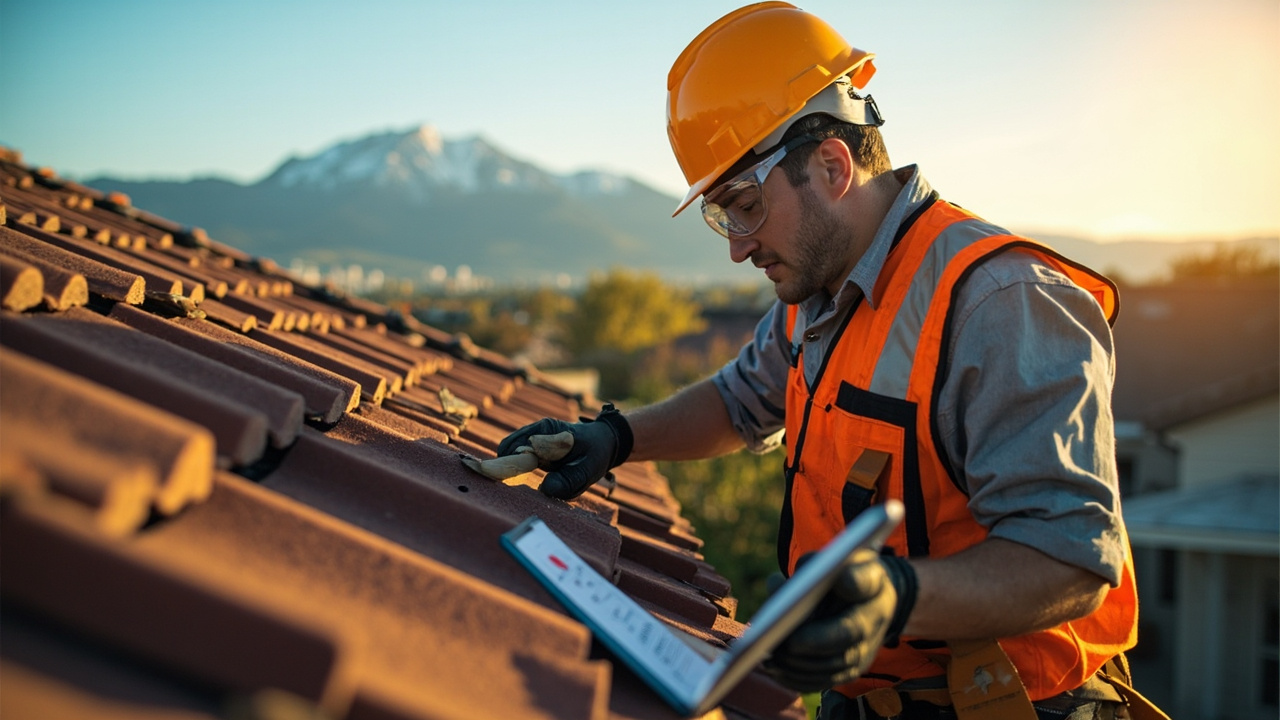
Qualified inspectors start with exterior ground-level assessment using binoculars to identify obvious damage without immediately accessing the roof. They check gutters for excessive granule accumulation, examine fascia and soffit for water damage, and document visible problems. Next comes roof access using proper fall protection equipment. The inspector photographs all penetrations, measures remaining shingle life, checks flashing integrity, and tests ventilation adequacy. Interior attic inspection follows, looking for daylight penetration, water stains, insulation displacement, and structural issues. The inspector creates a marked diagram showing problem locations and assigns priority levels to each finding. This comprehensive roof assessment form gives you a complete picture of current conditions.

Report Quality and Usefulness

Your completed residential roof inspection guide should include high-resolution photographs of every concern, detailed written descriptions using industry terminology, specific location references, and priority rankings. The report should distinguish between conditions requiring immediate repair versus items needing monitoring. It should note code compliance issues, estimate remaining serviceable life, and identify whether damage appears storm-related or age-related. This distinction matters for insurance purposes. Quality reports include comparison recommendations, explaining whether isolated repairs make sense or full replacement is more cost-effective. Apex Roofing Denver provides inspection documentation suitable for insurance claims, real estate transactions, and maintenance planning. You own this information and can share it with any contractor for competitive bidding.

Follow-Up and Maintenance Planning

A single inspection is a snapshot, not a monitoring system. Roofing systems need ongoing attention. After your initial inspection, create a maintenance calendar based on findings. Minor issues like lifted shingles or small sealant gaps can be addressed during routine maintenance visits, preventing them from becoming major leaks. Schedule follow-up inspections annually or bi-annually depending on roof age and condition. Older roofs approaching 15 to 20 years need more frequent assessment. Keep all inspection reports in a property file so you can demonstrate maintenance history to insurance companies and future buyers. This documented care often results in better insurance claim outcomes and higher home values. Your roof maintenance checklist becomes a valuable property record over time.

Frequently Asked Questions

You Have Questions,
We Have Answers

What does a roof inspection include? +

A roof inspection includes a visual examination of shingles, flashing, gutters, vents, and chimneys. Inspectors check for missing or damaged shingles, signs of water infiltration, and proper attic ventilation. In Denver, inspectors pay close attention to hail damage from severe storms and ice dam formation from freeze-thaw cycles. They examine the structural integrity of decking, look for granule loss on asphalt shingles, and assess the condition of valleys and penetrations. A thorough inspection also includes checking soffit and fascia boards, evaluating drainage systems, and documenting any areas needing repair or replacement.

What to look for on a roof inspection? +

Look for cracked, curling, or missing shingles that indicate age or storm damage. Check flashing around chimneys, skylights, and vents for rust or separation. Examine gutters for proper drainage and signs of granule accumulation from deteriorating shingles. In Denver, inspect for hail dents on metal components and bruising on shingles. Check for algae or moss growth, which signals moisture problems. Look at ridge caps for damage and examine soffits for proper ventilation. Sagging areas suggest structural issues. Check attic spaces for water stains, daylight penetration, or inadequate insulation that affects energy efficiency during harsh Colorado winters.

What should be included in the inspection checklist? +

A roof inspection checklist should include shingle condition, flashing integrity, gutter function, and ventilation assessment. Document the age of roofing materials and identify storm damage. Check for proper sealant around penetrations, examine ridge vents and soffit vents, and note any moss or algae growth. For Denver homes, include freeze-thaw damage assessment, ice dam risk evaluation, and hail impact documentation. List any structural concerns like sagging or rot. Include attic moisture levels, insulation quality, and drainage patterns. Document all penetrations, chimney condition, and skylight seals. Note any immediate repairs needed versus long-term maintenance recommendations.

What are the red flags for roofing contractors? +

Red flags include contractors who demand full payment upfront or only accept cash. Avoid those who go door-to-door after storms offering quick fixes without proper documentation. Be cautious of contractors without local references, valid insurance, or verifiable licensing information. Watch for extremely low bids that seem too good to be true. Contractors who pressure you to sign immediately or discourage getting multiple estimates raise concerns. Missing written contracts, vague scope of work, or reluctance to pull permits are warning signs. In Denver, be wary of anyone unfamiliar with local building codes or hail damage assessment protocols.

How much does a basic roof inspection cost? +

A basic roof inspection in Denver typically costs between zero and several hundred dollars. Many roofing companies offer free visual inspections, especially after hail storms when insurance claims are common. More detailed inspections using infrared technology or drone imaging cost more. Costs vary based on roof size, pitch, and accessibility. Some inspectors charge flat rates while others bill hourly. Home inspection companies often bundle roof inspections with full property assessments. Insurance adjusters provide free inspections when processing claims. The investment is worthwhile given Denver's harsh weather conditions and the high cost of premature roof replacement due to undetected damage.

What is the biggest red flag in a home inspection? +

The biggest red flag in a home inspection is active water intrusion or evidence of chronic moisture problems. Water damage compromises structural integrity, creates mold hazards, and signals failed waterproofing systems. On roofs, this appears as attic water stains, rotted decking, or daylight visible through gaps. In Denver, ice dam damage and inadequate attic ventilation cause significant moisture issues during winter. Other major concerns include structural sagging, which indicates load-bearing problems, and outdated electrical systems. Missing or damaged flashing around roof penetrations allows water entry. Foundation cracks and drainage issues also rank high because they affect the entire structure and require expensive remediation.

How Denver's Temperature Extremes Accelerate Roof Deterioration

Denver regularly experiences 40 to 60 degree temperature swings within single days. A roof surface reaches 160 degrees in afternoon sun, then drops to 50 degrees after sunset. This constant expansion and contraction fatigues roofing materials at the molecular level. Asphalt shingles become brittle, adhesive strips lose bond strength, and metal components develop stress fractures. Your roof inspection checklist must account for this accelerated aging cycle. What appears to be adequate shingle condition may actually be compromised material ready to fail during the next windstorm. Denver-specific inspection protocols check flexibility and adhesion, not just visual appearance. This is why roofs here need evaluation every 18 to 24 months rather than the three to five year intervals recommended in more stable climates.

The city's building department enforces specific roofing requirements based on our unique weather patterns. All roof replacements in Denver require Class 4 impact-resistant shingles in many neighborhoods due to hail frequency. Your roof assessment form should note whether existing materials meet current standards, as this affects insurance rates and replacement requirements. Local contractors understand these regulations and can identify compliance issues that out-of-area inspectors miss. Apex Roofing Denver stays current with municipal code changes and helps homeowners navigate the permit process. We know which neighborhood HOAs have additional roofing restrictions and how to document pre-existing conditions before insurance claims. This local knowledge protects your interests during repairs, replacements, and claim negotiations.

Roofing Services in The Denver Area

Looking for trusted roofing services near you? Apex Roofing Denver proudly serves homeowners and businesses across the greater Denver area with expert roof repairs, replacements, inspections, and storm damage restoration. From Aurora to Lakewood and Thornton to Centennial, our experienced roofing team is ready to deliver fast, dependable solutions. Use the map below to explore our service areas and find top-rated roofing help near your neighborhood.

Address:
Apex Roofing Denver, 2301 Blake St, Denver, CO, 80205

Additional Services We Offer

Our news updates

Latest Articles & News from The Blogs

Lorem ipsum dolor sit amet. Aut expedita quaerat quo eligendi numquam et laudantium perspiciatis qui minima expedita rem consequatur ducimus.…

Test Blog 4

Lorem ipsum dolor sit amet. Aut expedita quaerat quo eligendi numquam et laudantium perspiciatis qui minima expedita rem consequatur ducimus.…

Test Blog 3

Lorem ipsum dolor sit amet. Aut expedita quaerat quo eligendi numquam et laudantium perspiciatis qui minima expedita rem consequatur ducimus.…

Test Blog 2

Lorem ipsum dolor sit amet. Aut expedita quaerat quo eligendi numquam et laudantium perspiciatis qui minima expedita rem consequatur ducimus.…

Contact Us

You cannot repair what you do not know is damaged. Call Apex Roofing Denver at (720) 484-8300 to schedule your comprehensive roof inspection. We provide detailed documentation you can use for maintenance planning, insurance claims, and informed repair decisions.