





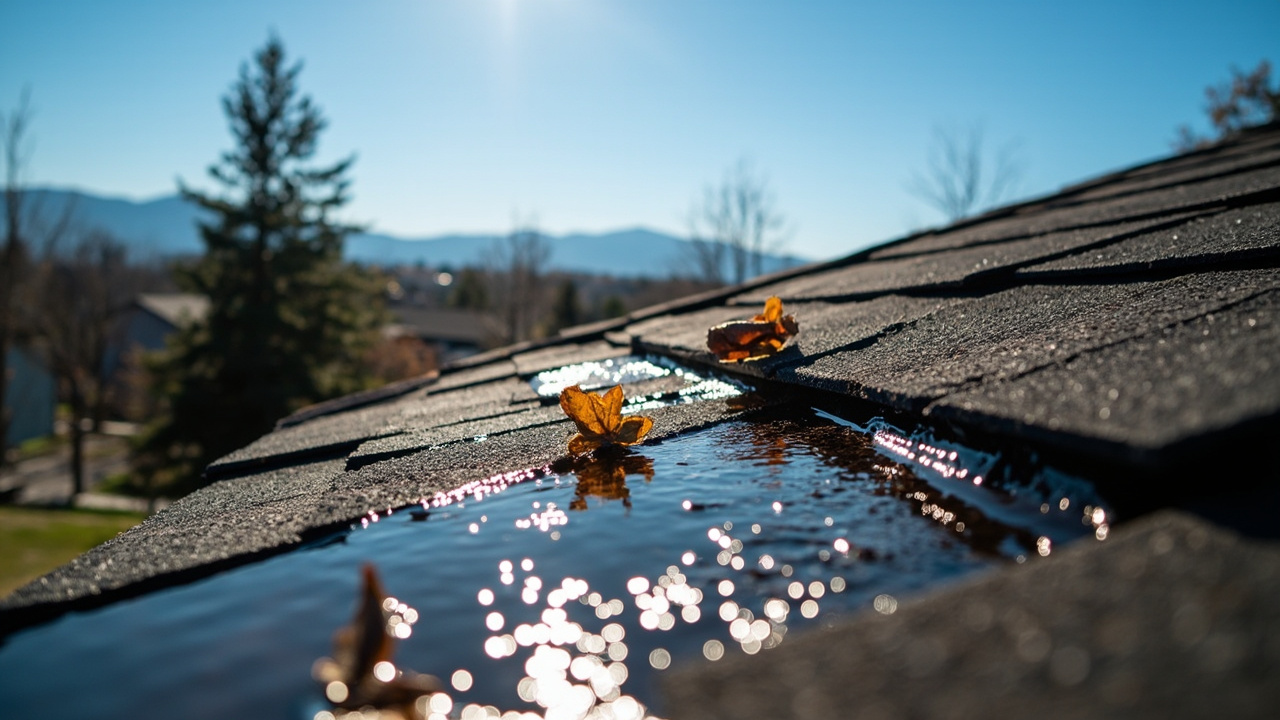
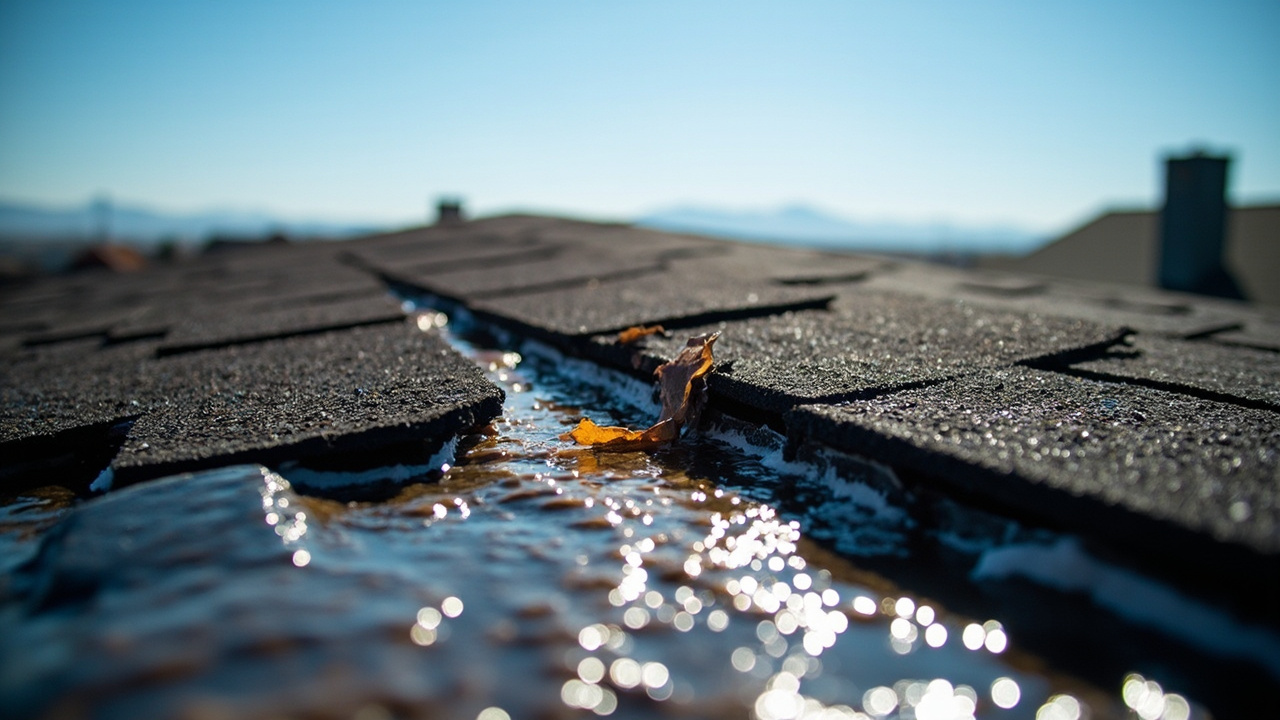

Denver experiences an average of 90 freeze-thaw cycles each winter. Water trapped behind your chimney from improper cricket pitch freezes overnight, expands by nine percent, and forces shingles apart. When it thaws the next afternoon, more water seeps deeper into your roof deck. This cycle repeats three to four times per week from November through March. By spring, that trapped water has delaminated your plywood and created a sponge that holds moisture year-round. Our high altitude also means intense UV exposure that degrades flashing sealants 30 percent faster than sea level locations. Cricket repairs need UV-resistant materials to survive Denver conditions.
Denver building code requires crickets on chimneys wider than 30 inches, but code compliance alone does not prevent chimney diverter leaks. You need a contractor familiar with Denver's specific installation challenges. Apex Roofing Denver has worked with city inspectors on hundreds of cricket installations throughout the metro area. We know which flashing details pass inspection and which ones fail during the first winter. Local expertise matters because a contractor trained in milder climates will use flashing techniques that work in Dallas but fail here after one freeze-thaw season. We build for Denver conditions, not generic best practices.