





Menu

PVC Roof Installation in Denver – Industrial-Grade Solutions That Keep Your Business Running

Apex Roofing Denver delivers commercial PVC roofing installation engineered for Colorado's intense UV exposure, rapid temperature swings, and high-altitude conditions, minimizing downtime and protecting your bottom line.

Slider Image 1
Slider Image 2
Slider Image 3
Slider Image 4
Slider Image 5
Slider Image 7
Slider Image 8
Slider Image 9
Slider Image 10
Slider Image 11

Why Denver's Climate Demands PVC Membrane Installation

Denver sits at 5,280 feet, where UV radiation increases 8 to 10 percent compared to sea level. This accelerated exposure degrades conventional roofing membranes faster, causing premature cracking, blistering, and leaks that threaten inventory, equipment, and business operations. Add in temperature swings of 40 degrees in a single day, and you face thermal shock that compromises seam integrity on inferior systems.

Commercial PVC roofing installation solves this. Polyvinyl chloride membranes are engineered to reflect UV radiation, resist thermal cycling, and maintain flexibility in Denver's dry, cold winters and intense summer sun. The heat-welded seams create a monolithic barrier that outperforms mechanically fastened systems, reducing leak risk by up to 90 percent.

Your facility cannot afford unplanned closures. Water intrusion damages stock, halts production, and triggers costly insurance claims. PVC roofing system installation delivers a 20 to 30 year service life with minimal maintenance, protecting your assets and eliminating the revenue loss that comes with emergency repairs. Denver's low humidity also prevents moisture entrapment within the membrane, a common failure point in climates with higher dewpoints.

For warehouse districts near the South Platte River or distribution centers along the I-70 corridor, PVC flat roof installation provides the fire resistance and wind uplift performance required by Denver's building codes. The material's Class A fire rating and wind ratings up to 200 mph make it the only logical choice for commercial facilities in the Front Range.

Why Denver's Climate Demands PVC Membrane Installation
How We Execute PVC Roofing System Installation

How We Execute PVC Roofing System Installation

We do not guess. Every commercial PVC roofing installation begins with a structural load analysis and thermal imaging survey to identify hidden moisture in the existing substrate. This prevents installing a new membrane over compromised decking, which causes premature failure and voids performance expectations.

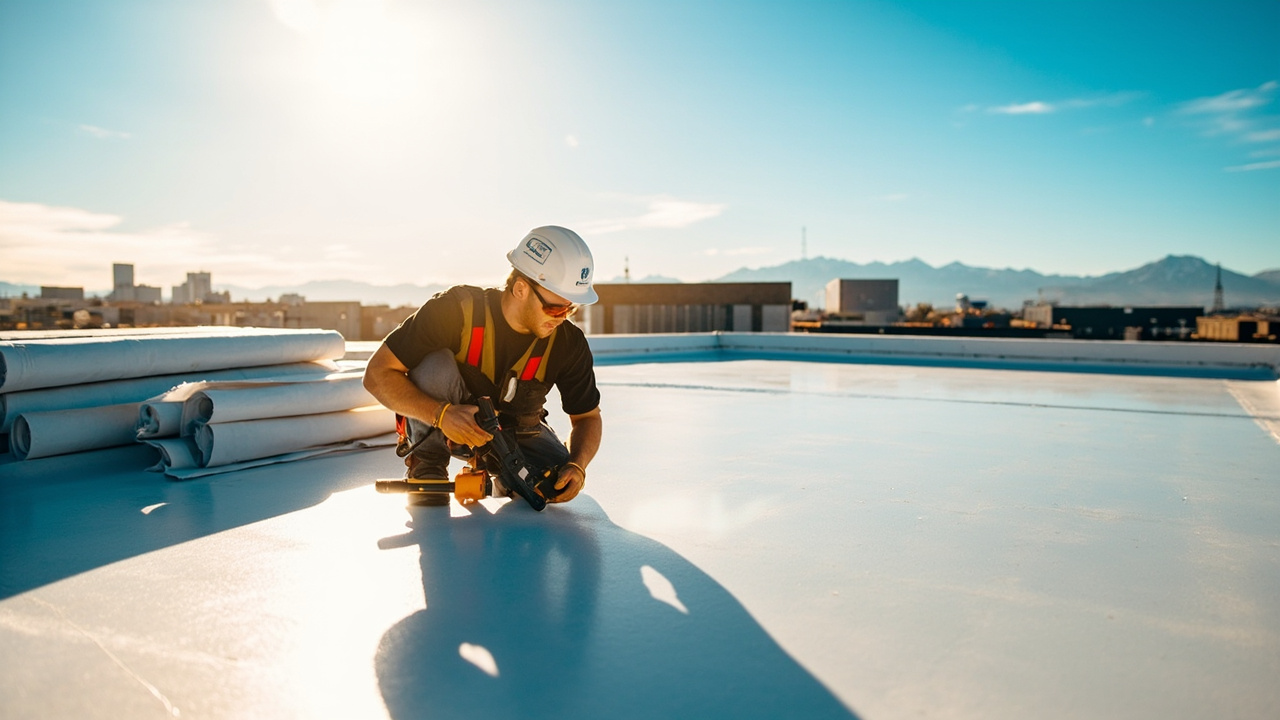
Our crews remove the existing membrane, inspect the roof deck for rot or corrosion, and install a minimum half-inch DensDeck cover board to protect the PVC membrane from punctures and improve thermal performance. This step is critical in Denver, where hail up to two inches in diameter strikes annually. The cover board absorbs impact energy, preventing membrane rupture.

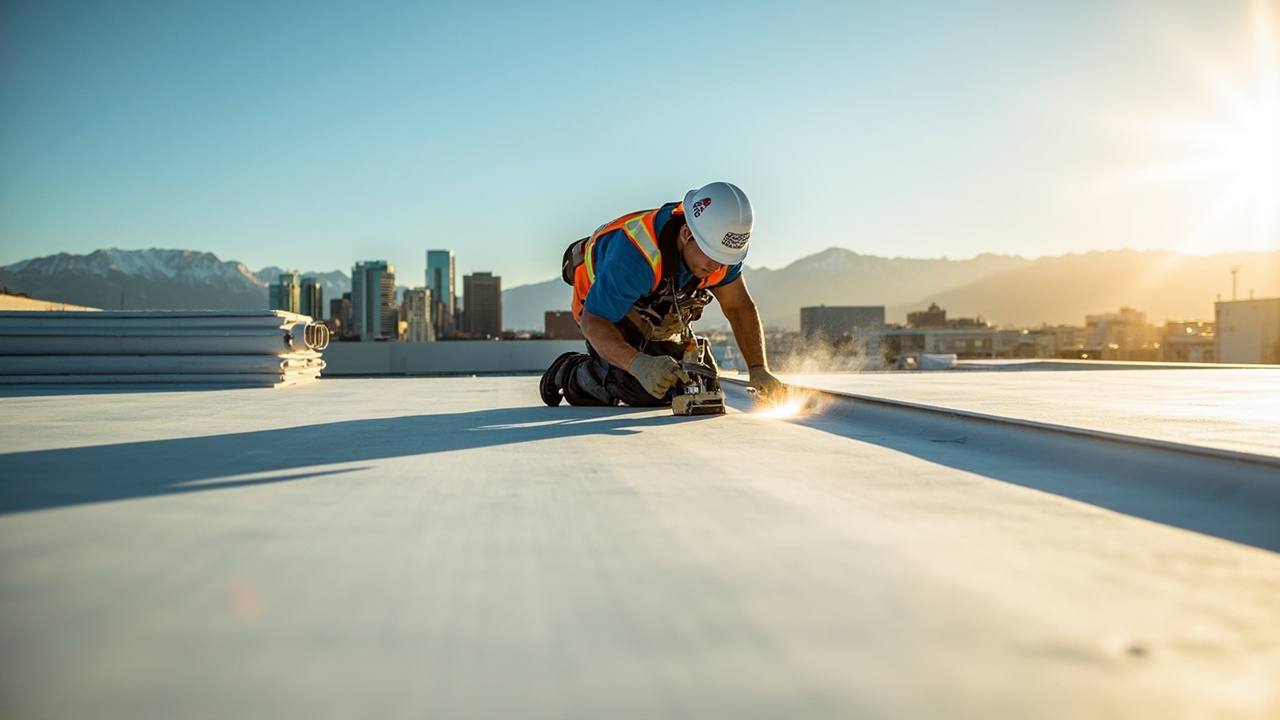
We use only fully adhered or mechanically attached systems with induction welding, never adhesives that fail in temperature extremes. Hot-air welding creates seams stronger than the membrane itself, tested to 300 pounds per linear foot. Every seam is probed with a rounded tool to verify bond integrity before final inspection.

Flashing details around HVAC curbs, vents, and parapet walls receive custom-fabricated PVC components, not generic boots that crack within five years. We integrate the flashing into the field membrane using the same heat-welding process, eliminating the weak points where 80 percent of commercial roof leaks originate.

Final testing includes a flood test on all penetrations and a thermal scan to confirm uniform insulation coverage. You receive a detailed report with thermal images, load calculations, and a maintenance schedule calibrated to Denver's climate. This documentation supports your property insurance requirements and provides a clear roadmap for long-term asset management.

What Happens During Your PVC Membrane Installation

PVC Roof Installation in Denver – Industrial-Grade Solutions That Keep Your Business Running
01

Structural Assessment and Planning

We begin with a comprehensive roof inspection using infrared thermography to map moisture intrusion and identify compromised insulation. Our engineers calculate snow load capacity based on Denver's 30 to 50 pound per square foot ground snow load, ensuring your deck can support the new PVC roofing system installation plus equipment. You receive a detailed scope of work with material specifications before any tear-off begins.
02

Membrane Installation and Seaming

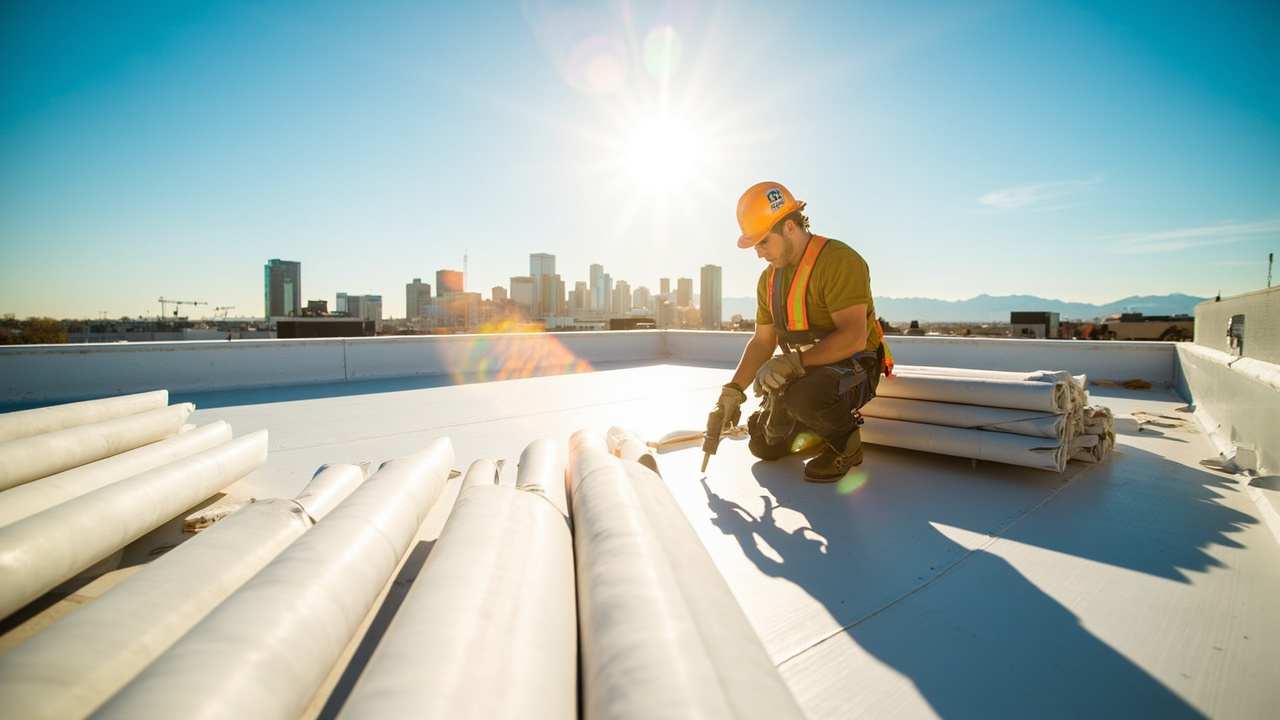
Crews remove the old membrane, install tapered insulation to eliminate ponding water, and roll out the PVC membrane in sections that minimize seams. Hot-air welding fuses each seam at 1,000 degrees Fahrenheit, creating a watertight bond tested with a probe tool. Flashing around penetrations is custom-fabricated and welded into the field membrane. The process typically takes three to seven days depending on facility size and complexity.
03

Testing and Documentation

Every completed section undergoes a flood test, where we dam off areas and fill them with two inches of water for 24 hours to verify seam integrity. A final thermal scan confirms insulation continuity and identifies any gaps. You receive a comprehensive report with thermal images, seam test results, and a maintenance schedule. This documentation satisfies insurance underwriters and provides a baseline for future inspections.

Why Denver Facilities Trust Apex Roofing Denver for Commercial Roofing

We specialize in commercial projects across Denver's industrial corridors, from the National Western Complex to the Denver Tech Center. Our crews understand the unique demands of high-altitude roofing, where atmospheric pressure is 17 percent lower than sea level and affects adhesive curing times and membrane expansion rates.

Denver's building codes require specific wind uplift ratings based on your facility's height and exposure category. We design every PVC roofing system installation to meet or exceed these standards, using attachment methods engineered for Colorado's 80 mph straight-line winds and frequent microbursts. This prevents the catastrophic blow-offs that plague improperly installed systems.

Our material suppliers are located within 50 miles, allowing us to respond quickly when weather windows open. Denver's unpredictable spring and fall conditions mean installation schedules shift rapidly. We maintain inventory and crew availability to capitalize on favorable weather, minimizing the time your facility operates with exposed decking.

You also benefit from our relationships with local inspectors and familiarity with Denver's permitting process. We handle all code compliance documentation, coordinating inspections to prevent delays that extend your project timeline. Most commercial PVC roofing installations require coordination with fire marshals for hot work permits, a process we manage from start to finish.

We do not subcontract. Every crew member is a direct employee trained in PVC membrane installation and familiar with Denver's specific challenges. This eliminates the quality control issues that arise when general contractors farm out work to the lowest bidder. You get consistency, accountability, and a single point of contact throughout the project.

What to Expect During Your Commercial PVC Roofing Installation

Project Timeline and Scheduling

Most commercial PVC roofing system installations take one to three weeks depending on square footage and complexity. We schedule work to minimize disruption, coordinating with your operations to avoid peak business hours or restrict access to specific zones. Weather delays are common in Denver, where afternoon thunderstorms interrupt progress. We monitor forecasts hourly and adjust crews accordingly. You receive daily progress updates and a revised completion date if conditions force a schedule change. Our goal is zero downtime for your business operations.

Pre-Installation Assessment Process

The initial assessment includes a structural review, thermal imaging scan, and core samples to determine insulation R-value and moisture content. We photograph every existing condition, documenting potential issues before tear-off begins. This protects you from surprise costs and ensures accurate budgeting. Our engineers calculate wind uplift requirements based on your building height and exposure category, selecting attachment methods that meet Denver's code requirements. You receive a written report within 48 hours detailing recommended scope, material specifications, and a fixed-price proposal.

Quality Control and Final Product

Every seam is tested immediately after welding using a rounded probe tool to verify bond integrity. Sections that fail testing are re-welded and tested again until they meet manufacturer specifications. The final roof system includes UV-resistant PVC membrane, impact-resistant cover board, and custom-fabricated flashing at all penetrations. You get a roof engineered to withstand Denver's hail, wind, and temperature extremes for 20 to 30 years. A final walkthrough with thermal imaging confirms zero defects before we request final payment.

Maintenance Plans and Long-Term Support

PVC membrane installation requires minimal maintenance, but we recommend biannual inspections to clear drains, check flashing, and remove debris. We offer scheduled maintenance contracts that include thermal scans, seam inspections, and minor repairs. This prevents small issues from escalating into leaks that damage inventory or equipment. Denver's frequent hailstorms can puncture even the most durable membranes, so we provide priority emergency response for storm damage. Documentation from regular maintenance supports your insurance claims and extends the functional life of your roof system.

Frequently Asked Questions

You Have Questions,
We Have Answers

What goes under a PVC roof? +

A proper PVC roof system starts with structural decking, typically plywood or concrete. Next, you install insulation boards, often polyiso or expanded polystyrene, to meet Denver energy codes and improve thermal performance. Over the insulation, a cover board adds puncture resistance and protects the membrane during installation and service. Finally, the PVC membrane is mechanically fastened or fully adhered. Denver's temperature swings demand quality insulation to prevent thermal bridging and condensation. The substrate must be dry and stable before installation to avoid future failures.

How is PVC roofing installed? +

PVC roofing installation begins with preparing the substrate and laying insulation boards. Contractors mechanically fasten or fully adhere the insulation, then install a cover board for added protection. The PVC membrane is rolled out and fastened with screws and plates along seams, or fully adhered using adhesive. Seams are heat-welded using hot air guns, creating watertight bonds stronger than the membrane itself. Flashing details around penetrations, parapets, and drains require precise fabrication. Denver's dry climate allows for predictable installation schedules, but contractors must account for high-altitude UV exposure when specifying membrane thickness.

What are the disadvantages of PVC roofing? +

PVC roofing costs more upfront than TPO or EPDM, which impacts initial budgets for commercial projects. The membrane can become brittle in extreme cold if lower-grade formulations are used, though quality products resist Denver's freeze-thaw cycles well. PVC is less puncture-resistant than some alternatives, requiring careful traffic management during and after installation. The material also has a higher environmental footprint due to chlorine content. Improper seam welding leads to failures, so contractor expertise is critical. Denver's intense UV exposure can degrade substandard products faster, making material selection vital for longevity.

How much does it cost to install a PVC roof? +

PVC roof installation costs vary based on building size, insulation requirements, existing roof condition, and access difficulty. Material quality, membrane thickness, and warranty length also affect pricing. Denver's building codes may require additional insulation or fire-rated assemblies, increasing costs. Removal and disposal of existing roofing add expense. Commercial projects often include upgraded drainage or structural repairs that impact the total investment. Focus on lifecycle cost rather than initial price. A quality PVC system reduces energy bills and extends replacement intervals, delivering better ROI over time for Denver commercial properties.

What is the life expectancy of a PVC roof? +

A properly installed PVC roof lasts 20 to 30 years in Denver's climate. Quality membranes resist UV degradation, thermal cycling, and ponding water better than many alternatives. Denver's high-altitude sun exposure accelerates wear on inferior products, so membrane thickness and formulation matter. Regular maintenance extends lifespan by addressing minor issues before they escalate. Foot traffic, mechanical equipment vibration, and debris accumulation can shorten life expectancy if not managed. Commercial buildings benefit from semiannual inspections to verify seam integrity and drainage function. Proper installation by experienced contractors is the single biggest factor determining actual service life.

Is 15 lbs or 30 lbs felt paper better for roofing? +

Felt paper is irrelevant to commercial PVC roofing systems. PVC membranes are installed over rigid insulation and cover boards, not asphalt-saturated felt. Felt paper is used in residential steep-slope applications under shingles or tiles. Commercial flat or low-slope roofs require different underlayment materials. Denver commercial projects use polyiso insulation, gypsum cover boards, or similar products beneath PVC membranes. If you are considering felt paper, you are likely looking at a residential project that requires asphalt shingles or metal roofing, not a commercial PVC system. Consult a commercial roofing contractor for proper material specifications.

How much should a 2000 sq ft roof cost? +

This question applies to residential roofing, not commercial PVC systems. Commercial roofing is priced per square foot based on membrane type, insulation, substrate condition, and project complexity. A 2000 square foot commercial roof would be a small project, but costs depend on access, existing conditions, and code requirements. Denver commercial buildings often require permits, engineered drawings, and fire-rated assemblies that residential projects do not. For accurate commercial PVC roofing budgets, request a site-specific assessment. Focus on lifecycle value and energy savings rather than comparing square footage costs across different building types and roofing systems.

Do you need to rough up PVC before gluing? +

PVC roofing seams are heat-welded, not glued. Hot air welding creates a molecular bond stronger than the membrane itself, eliminating the need for adhesives at seams. When fully adhering PVC membrane to substrate, contractors use specialized adhesives without surface roughening. However, when bonding PVC accessories or patches, surface preparation is critical. Clean the area with manufacturer-approved cleaner to remove contaminants and chalking. Light abrasion improves adhesion for some repair products. Denver's dust and dirt can interfere with bonding, so proper surface prep prevents failures. Always follow manufacturer specifications for your specific product and application.

Can you walk on PVC roofing? +

Yes, PVC roofing tolerates foot traffic better than EPDM but requires caution. The membrane resists tearing and punctures reasonably well during maintenance activities. However, repeated traffic patterns can cause wear, and sharp objects or tools can damage the surface. Denver commercial roofs often have HVAC units requiring regular service, making walkability important. Install walkway pads along high-traffic routes to protect the membrane. Avoid dragging equipment or materials across the surface. Schedule maintenance during moderate temperatures when the membrane is neither too stiff nor too soft. Proper traffic management extends roof life and prevents warranty issues.

Is PVC 100% waterproof? +

PVC roofing is highly water-resistant when properly installed but not technically 100% waterproof in every scenario. Heat-welded seams create watertight barriers that exceed the membrane's own strength. However, improper installation, damaged flashing, or failed penetrations allow water infiltration. Ponding water, common on Denver's low-slope commercial roofs, can eventually find weaknesses if drainage is inadequate. PVC resists water better than many alternatives and performs well in Denver's snow and rain conditions. The system's waterproofing depends on quality installation, proper flashing details, and maintained drainage. Regular inspections catch vulnerabilities before they cause interior damage or business interruption.

How Denver's High-Altitude UV Exposure Accelerates PVC Roofing Decisions

Denver's elevation increases UV radiation by nearly 10 percent compared to coastal cities, degrading roofing membranes at an accelerated rate. Standard EPDM and TPO systems lose plasticizers faster, becoming brittle and prone to cracking within 10 to 15 years. PVC membrane installation resists this degradation through its chemical structure, which reflects UV radiation rather than absorbing it. This extends service life and reduces the frequency of costly re-roofing projects. Facilities in Denver's industrial zones along I-25 and I-70 face additional stress from thermal cycling, where roof surface temperatures swing 60 degrees between night and day during spring and fall.

Denver's building codes require commercial roofs to meet strict wind uplift and fire resistance standards, particularly in zones near Denver International Airport and open prairie. PVC roofing system installation meets Class A fire ratings and FM wind ratings up to 200 mph when properly attached, satisfying local inspectors and insurance underwriters. Apex Roofing Denver maintains relationships with Denver's permitting office and understands the documentation required for expedited approvals. We also coordinate with local fire marshals for hot work permits, a critical step often overlooked by out-of-state contractors unfamiliar with Colorado's regulatory environment.
Roofing Services in The Denver Area

Looking for trusted roofing services near you? Apex Roofing Denver proudly serves homeowners and businesses across the greater Denver area with expert roof repairs, replacements, inspections, and storm damage restoration. From Aurora to Lakewood and Thornton to Centennial, our experienced roofing team is ready to deliver fast, dependable solutions. Use the map below to explore our service areas and find top-rated roofing help near your neighborhood.

Address:
Apex Roofing Denver, 2301 Blake St, Denver, CO, 80205

Additional Services We Offer

Our news updates

Latest Articles & News from The Blogs

Lorem ipsum dolor sit amet. Aut expedita quaerat quo eligendi numquam et laudantium perspiciatis qui minima expedita rem consequatur ducimus.…

Test Blog 4

Lorem ipsum dolor sit amet. Aut expedita quaerat quo eligendi numquam et laudantium perspiciatis qui minima expedita rem consequatur ducimus.…

Test Blog 3

Lorem ipsum dolor sit amet. Aut expedita quaerat quo eligendi numquam et laudantium perspiciatis qui minima expedita rem consequatur ducimus.…

Test Blog 2

Lorem ipsum dolor sit amet. Aut expedita quaerat quo eligendi numquam et laudantium perspiciatis qui minima expedita rem consequatur ducimus.…

Contact Us

Do not wait for a leak to halt operations. Call Apex Roofing Denver at (720) 484-8300 for a no-cost structural assessment and fixed-price proposal. We deliver PVC roofing solutions engineered for Denver's altitude, UV exposure, and temperature extremes.