





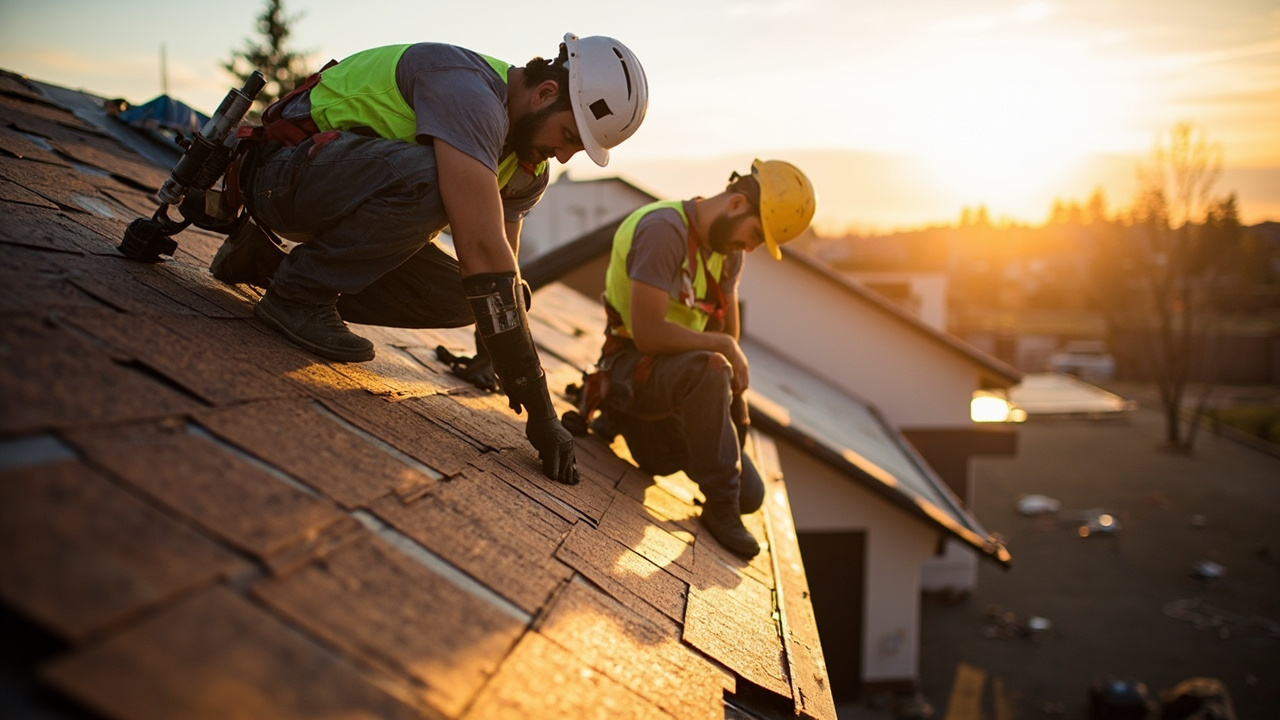
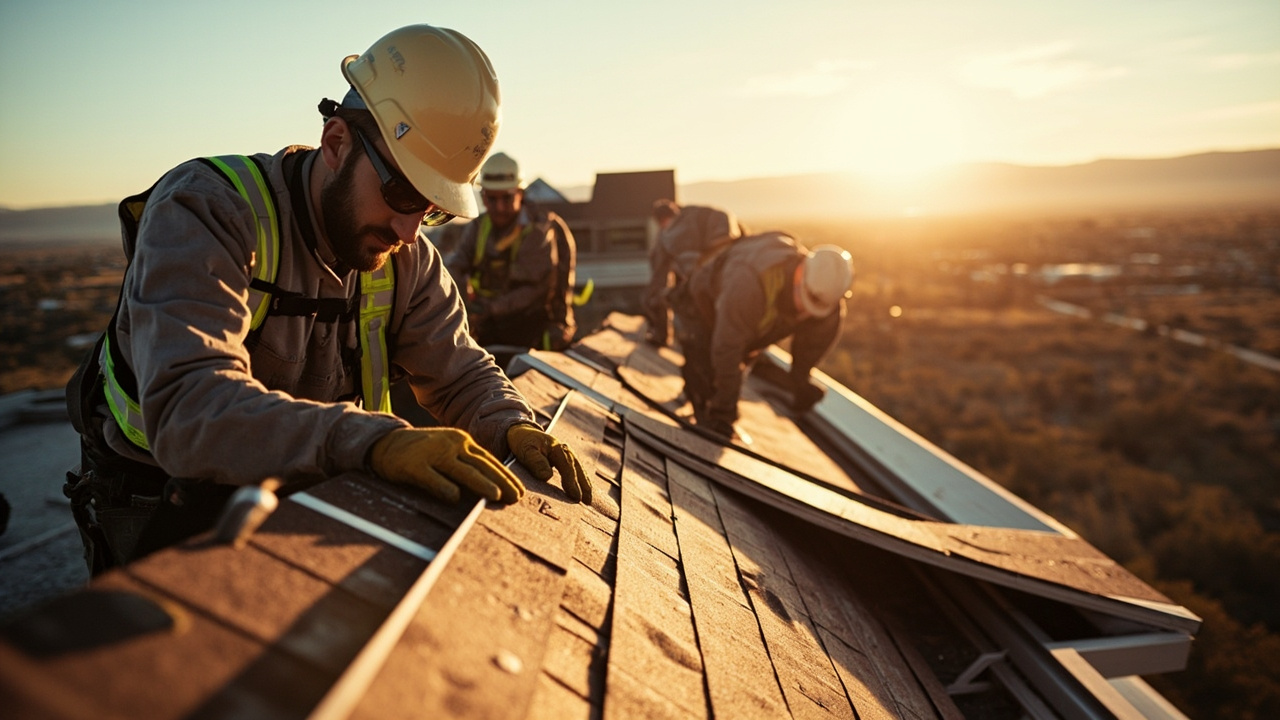
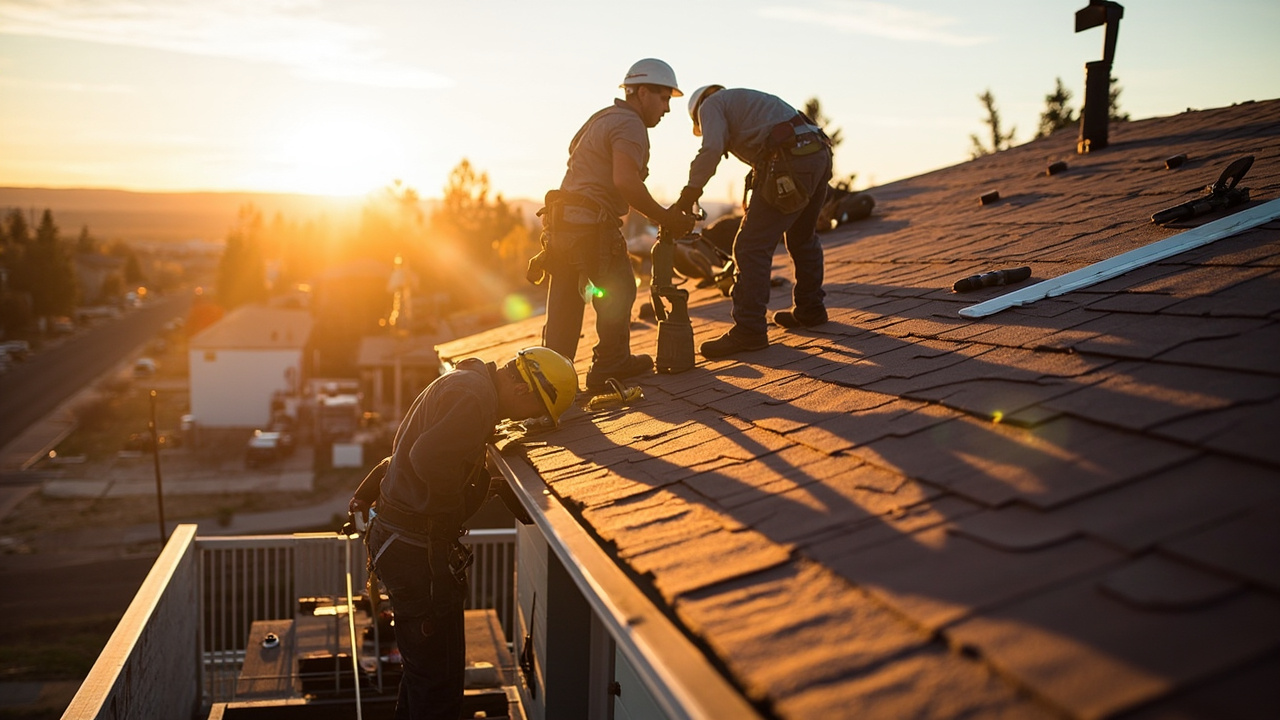
Denver experiences 80 to 100 freeze-thaw cycles each winter, where daytime temperatures rise above freezing and nighttime temperatures drop below. This constant expansion and contraction stresses roofing materials and fasteners more than steady cold climates. The 5,280-foot elevation adds another challenge with UV radiation intensity 25 percent higher than sea level, which degrades asphalt shingles and underlayment faster. New roof installation must account for these combined stresses using materials rated for extreme temperature swings and high-altitude UV exposure. Standard three-tab shingles rated for moderate climates fail within seven years here, while properly specified architectural shingles with UV inhibitors last 25 to 30 years.
Denver building codes require specific snow load calculations based on your property's elevation and roof pitch. Projects in Highlands Ranch and Castle Rock face higher snow loads than downtown Denver due to elevation differences. Local contractors familiar with Denver, Arapahoe, Jefferson, and Adams county requirements ensure your roof meets jurisdiction-specific code interpretations. Building inspectors in each county apply slightly different standards for ventilation ratios, ice barrier placement, and truss spacing. Working with a Denver-based roofing company that maintains relationships with local inspectors prevents failed inspections and costly rework. This local knowledge saves time and money while ensuring your new roof construction meets all regulatory requirements.