





Menu

Metal Roofing Systems in Denver – Built to Handle Hail, High Winds, and 300 Days of Sun

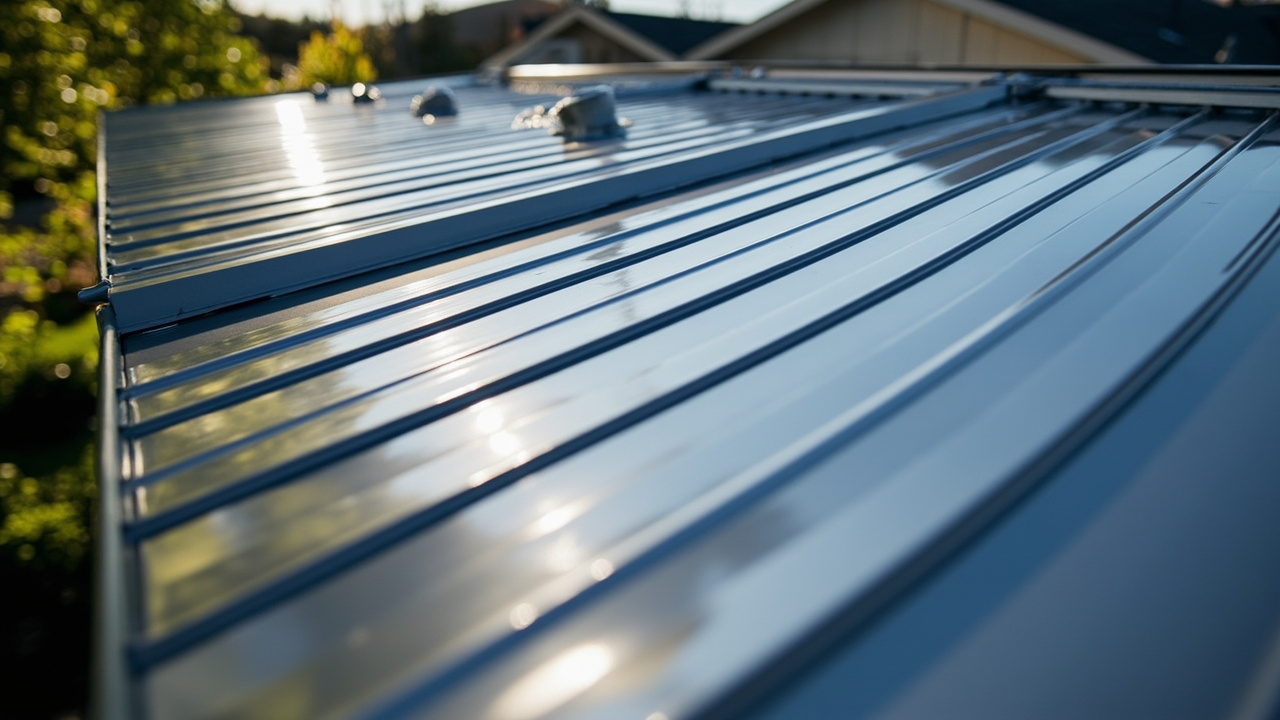
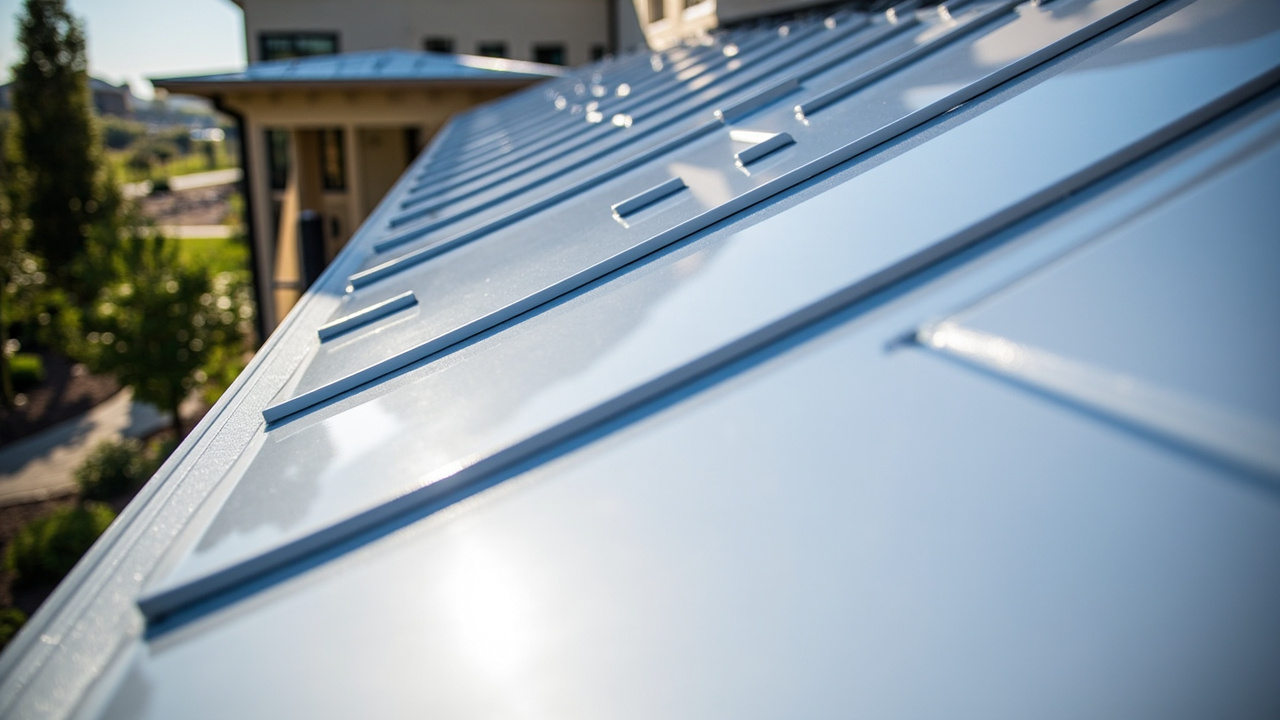
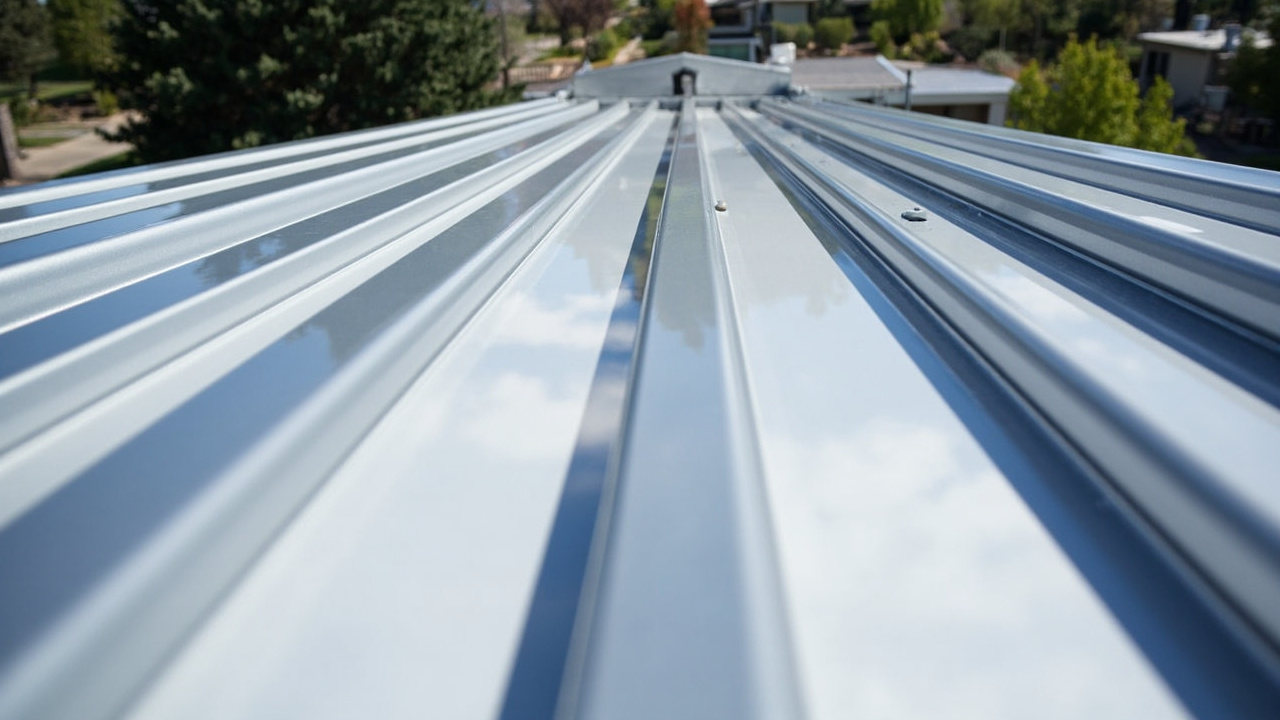
Apex Roofing Denver installs engineered metal roofing systems designed for the Front Range climate, from standing seam panels that shed snow instantly to impact-resistant metal roof sheets rated for Colorado's most destructive hailstorms.

Slider Image 1
Slider Image 2
Slider Image 3
Slider Image 4
Slider Image 5
Slider Image 7
Slider Image 8
Slider Image 9
Slider Image 10
Slider Image 11

Why Denver Homeowners Are Switching to Metal Roofing Materials

Denver sits at 5,280 feet, where ultraviolet radiation is 25 percent stronger than at sea level. This elevation compounds with dramatic temperature swings that can fluctuate 40 degrees in a single day, creating thermal stress that destroys conventional roofing materials in half their expected lifespan. Add in hailstorms that pound the Front Range corridor between April and September, and you understand why asphalt shingles rarely survive their warranty period here.

Metal roofs solve the specific problems that plague Denver properties. Metal roofing panels expand and contract without cracking. Metal roof sheets reflect solar radiation instead of absorbing it, keeping attic temperatures 20 degrees cooler during summer months when the sun beats down relentlessly. Standing seam profiles shed snow and ice immediately, preventing the freeze-thaw cycles that rip apart other roofing products.

The semi-arid climate here means low humidity, but it also means wind. Chinook winds regularly exceed 60 mph along the Front Range, tearing off poorly secured roofing materials and turning loose granules into airborne projectiles. Metal roofing systems installed with concealed fasteners and interlocking panels create a wind barrier that stays intact during these events.

Denver neighborhoods from Wash Park to Highland see metal roofs lasting 50 years without replacement, while traditional materials fail at 15 to 20 years. When you factor in the cost of two or three re-roofs over that period, metal roofing materials become the only financially rational choice for properties exposed to Colorado's punishing weather patterns.

Why Denver Homeowners Are Switching to Metal Roofing Materials
How We Engineer Metal Roofing Systems for Front Range Conditions

How We Engineer Metal Roofing Systems for Front Range Conditions

Generic metal roofing installations fail because contractors ignore the engineering requirements specific to high-altitude, high-wind environments. We start every project with a structural load assessment that factors in Denver's average annual snowfall and the dead load requirements for metal panels versus the existing roof deck. Many older homes in neighborhoods like Park Hill and Berkeley were framed for lighter materials, so we verify that joists and trusses can support the switch to metal without additional reinforcement.

Panel selection matters more than most contractors admit. We match metal roofing products to the specific exposure and pitch of your roof. Standing seam panels with concealed fasteners work for low-slope applications common in mid-century Denver ranches. Exposed fastener systems reduce costs on steeper pitches where water runoff is faster, but we upgrade to stainless steel fasteners with EPDM washers that resist the UV degradation and thermal cycling that causes leaks within five years of installation.

Underlayment selection separates professional installations from failures. We install high-temperature synthetic underlayment rated for metal's heat conductivity, not standard felt paper that deteriorates under metal roofing panels. Thermal breaks between metal and decking prevent condensation that rots sheathing in Denver's wide diurnal temperature swings.

Flashing details make or break metal roof longevity. We fabricate custom z-bar flashing for wall transitions, install cricket assemblies behind chimneys to divert water flow, and use butyl tape on all panel overlaps instead of relying solely on mechanical fasteners. These details cost more upfront but prevent the penetration failures that destroy roof decks and require complete tear-offs.

What Happens During Your Metal Roof Installation

Metal Roofing Systems in Denver – Built to Handle Hail, High Winds, and 300 Days of Sun
01

Structural and Code Review

We inspect your existing roof structure, measure rafter spacing and sheathing thickness, and verify that your home meets current Denver building code requirements for metal roofing systems. This includes calculating snow load capacity for your specific neighborhood elevation and confirming that your roof pitch accommodates the metal roofing materials you selected. We pull permits through Denver Community Planning and Development before any work begins.
02

Panel Fabrication and Staging

We custom-fabricate metal roofing panels to your exact roof dimensions, eliminating mid-panel seams that create leak points. Panels arrive color-matched to your specifications with factory-applied finish coatings rated for Colorado's intense UV exposure. We stage all metal roof sheets, underlayment, flashing components, and fasteners on-site before tear-off begins, preventing weather exposure to your home during material delays that plague other contractors.
03

Final Inspection and Cleanup

After installation, we perform a panel-by-panel inspection to verify that all fasteners are properly torqued, seams are correctly overlapped, and flashing details are watertight. We conduct a final walkthrough with you to explain maintenance requirements specific to metal roofing systems in Denver's climate. Our crew magnetically sweeps your property for stray fasteners and hauls away all tear-off debris the same day we complete installation.

Why Apex Roofing Denver Understands Metal Roofing Better Than National Chains

National roofing companies send crews trained in humid climates who treat Denver installations like Houston or Atlanta projects. They fail because they do not account for the thermal expansion coefficients required when metal roofing panels experience 80-degree temperature swings between night and day. We size expansion joints correctly for Front Range conditions, preventing the oil-canning and fastener pullout that occurs when panels cannot move freely.

Denver's building codes require Class 4 impact resistance in hail-prone zones, which covers most residential areas from Stapleton to Littleton. We exclusively install metal roofing products with UL 2218 Class 4 ratings and can provide the documentation your insurance company requires for premium discounts. Many out-of-state contractors install lighter gauge materials that fail impact testing, leaving you liable when the next hailstorm hits.

We understand the architectural context of Denver neighborhoods. Historic districts like Highlands and Curtis Park have design review requirements that restrict roofing material colors and profiles. We navigate the Landmark Preservation Commission approval process and can match metal roofing materials to the original standing seam installations common on Denver's Victorian and Craftsman homes.

Our relationships with local suppliers mean we stock metal roof sheets in the specific gauges and finishes that perform in Colorado's climate. When hail damages your roof, we can begin repairs within days instead of waiting weeks for specialty materials to ship from out of state. We also understand how Denver's soil conditions affect foundation settlement, which creates roof plane distortions that require custom flashing solutions most contractors cannot fabricate on-site.

What You Get When You Choose Metal Roofing Systems

Installation Timeline and Weather Coordination

Most residential metal roof installations in Denver take three to five days, depending on roof complexity and square footage. We monitor weather patterns closely and avoid installations during high wind warnings or when snow is forecast within 48 hours. Metal roofing panels require dry conditions for proper adhesive curing and sealant application. If weather disrupts the schedule, we temporarily weatherproof your home with tarps and synthetic underlayment until conditions improve. We will not rush installation to meet an arbitrary deadline if it compromises the integrity of your metal roofing system.

Pre-Installation Assessment and Material Selection

We conduct a detailed roof inspection that includes thermal imaging to detect hidden moisture damage, measurements of roof pitch and square footage, and photographs of existing conditions. You receive a written proposal that specifies metal gauge thickness, panel profile, finish warranty, underlayment type, and fastener specifications. We explain the performance differences between aluminum, steel, and copper metal roofing materials and help you select the option that matches your budget and aesthetic preferences. This consultation includes samples of actual metal roof sheets in different colors so you can see how finishes look in natural Colorado sunlight.

Finished Roof Performance and Appearance

Your completed metal roofing system will have clean, straight panel lines with no visible fasteners if you chose standing seam, or uniform fastener spacing if you selected exposed fastener panels. All ridge caps, valleys, and penetration flashings will be fabricated from matching metal with sealed seams that prevent water intrusion. You will notice immediate temperature reduction in your upper floors during summer months, as metal roofs reflect solar heat instead of absorbing it like asphalt shingles. The finished installation meets or exceeds Denver building code requirements for wind uplift resistance and impact protection.

Maintenance Requirements and Longevity

Metal roofing systems require minimal maintenance compared to other roofing products. We recommend annual inspections to check fastener tightness and sealant condition, especially after severe hailstorms. You should clear leaves and debris from valleys twice per year to prevent water backup during heavy snow melt. The finish coating on your metal roofing panels carries a fade and chalk warranty from the manufacturer, typically 25 to 40 years depending on the product you selected. Properly installed metal roofs in Denver regularly exceed 50 years of service life without requiring replacement.

Frequently Asked Questions

You Have Questions,
We Have Answers

What is the biggest problem with metal roofs? +

The biggest problem with metal roofs is improper installation. Poor fastening, inadequate flashing, or incorrect panel overlap creates leak points that compromise the entire system. In Denver, thermal expansion from temperature swings between cold mornings and hot afternoons stresses poorly installed panels, causing fastener holes to enlarge. Oil canning (visible waviness in flat panels) is another common issue tied to installation quality. Condensation can form underneath if ventilation is inadequate, leading to mold or rot in the decking. Choose an experienced installer who understands Denver's freeze-thaw cycles and proper underlayment techniques to avoid these problems.

How much would a metal roof cost on a 2000 sq ft house? +

For a 2000 square foot house in Denver, metal roofing material and labor costs vary widely based on panel type, roof complexity, and pitch. Standing seam systems cost more than corrugated or exposed-fastener panels. Tear-off of existing shingles, deck repairs, and additional flashing around chimneys or valleys add to the total. Denver's hail-prone climate makes impact-resistant metal attractive, which affects pricing. Local permitting and code requirements also influence installation costs. Request detailed quotes from multiple contractors that break down material grade, warranty coverage, and labor. Expect a significant investment compared to asphalt shingles, but metal delivers superior longevity.

What's the best type of metal roofing? +

Standing seam metal roofing is the best type for Denver homes. Its concealed fastener system eliminates exposed screw holes that can leak over time, and the interlocking panels handle thermal expansion from temperature swings better than exposed-fastener systems. Standing seam performs exceptionally well in Denver's hail storms and heavy snow loads. Steel with a Kynar or PVDF coating resists UV degradation and color fade at high altitude. Aluminum works for coastal areas but steel offers better impact resistance for Colorado's weather. Copper and zinc look beautiful but cost significantly more. For durability, weather performance, and long-term value in Denver, standing seam steel is optimal.

What is the average cost of installing a metal roof? +

Metal roof installation costs depend on material choice, roof complexity, and regional labor rates. Standing seam systems cost more than corrugated or exposed-fastener panels. Removal of old roofing, structural repairs, and additional work like flashing or ridge vents increase the total. Denver's building codes and inspection requirements add to installation expenses. High-altitude UV exposure makes premium coatings worthwhile despite higher upfront costs. Steep pitches, multiple valleys, or complex architectural features require more labor hours. Always get itemized quotes that separate material grades, fastener quality, underlayment type, and warranty coverage. Metal costs more initially than asphalt but lasts three times longer.

What do insurance companies say about metal roofs? +

Insurance companies generally view metal roofs favorably. Many carriers offer premium discounts for impact-resistant metal roofing because it withstands hail damage better than asphalt shingles. In Denver, where hail storms are common, Class 4 impact-rated metal can reduce homeowner premiums noticeably. Metal roofs also resist fire, reducing risk for insurers. However, some older metal roofs with exposed fasteners may not qualify for full replacement cost coverage if they show wear. Always confirm your metal roof meets UL 2218 Class 4 standards and notify your insurance provider after installation to maximize discounts and ensure proper coverage documentation.

Do metal roofs affect Wi-Fi? +

Metal roofs do not typically affect Wi-Fi signals in modern homes. Your Wi-Fi router transmits through walls, furniture, and building materials already. Metal roofing adds minimal additional interference compared to other factors like wall insulation, HVAC ductwork, or appliances. Most Denver homes use cable or fiber internet with in-home routers positioned centrally, so the roof location is not directly between devices and the router. If you experience weak signals in upper floors, the issue is usually router placement or inadequate coverage area, not the metal roof. Mesh Wi-Fi systems or strategically placed access points solve connectivity problems effectively.

Is it cheaper to do a metal roof or shingles? +

Metal roofing costs more upfront than asphalt shingles, but delivers better long-term value. Asphalt shingles are cheaper to install initially but need replacement every 15 to 20 years in Denver's harsh climate. Metal roofs last 40 to 70 years with minimal maintenance. Factor in multiple shingle replacements over a metal roof's lifespan and the cost gap narrows significantly. Metal also reduces cooling costs by reflecting solar heat, important during Denver's sunny summers. Insurance discounts for impact-resistant metal offset some upfront expense. If you plan to stay in your home long-term, metal provides superior durability and return on investment despite higher initial costs.

How does snow affect metal roofs? +

Snow slides off metal roofs more readily than asphalt shingles due to the smooth, slick surface. In Denver, this prevents dangerous ice dam formation at eaves but can create avalanche hazards near entries or walkways. Install snow guards or snow fences to control shedding patterns and protect landscaping, vehicles, or pedestrians below. Metal roofing handles heavy snow loads exceptionally well due to its strength and structural integrity. The interlocking panel design of standing seam systems prevents moisture infiltration from melting snow. Proper attic ventilation prevents heat loss that causes freeze-thaw cycles. Metal roofs excel in Denver's snowy winters with correct installation and accessories.

Are metal roofs noisy during rain? +

Metal roofs are not excessively noisy during rain when installed correctly. Solid decking, quality underlayment, and proper insulation dampen sound effectively. Older metal roofs installed directly over skip sheathing without underlayment can amplify rain noise, but modern installation standards eliminate this issue. Denver homes with attic spaces provide additional sound buffering between metal panels and living areas. Standing seam systems with concealed fasteners sit tighter against the deck, reducing vibration noise. If noise concerns you, specify thicker gauge metal and premium synthetic underlayment during installation. Most homeowners report minimal sound difference between metal and asphalt roofing in properly built homes.

What color metal roof is best? +

The best metal roof color depends on energy efficiency goals and neighborhood aesthetics. Lighter colors like white, tan, or light gray reflect solar heat, reducing cooling costs during Denver's sunny summers. Darker colors like charcoal, bronze, or forest green absorb heat, which can help melt snow faster in winter but increase summer cooling loads. Choose colors that complement your home's exterior and fit neighborhood character. High-altitude UV exposure in Denver fades cheaper paint finishes quickly, so specify Kynar or PVDF coatings for color retention. Neutral earth tones maintain broad appeal for resale value while performing well in Colorado's climate year-round.

How Denver's Hail Corridor and Altitude Make Metal Roofing the Only Logical Choice

Denver sits directly in the Colorado Hail Corridor, where warm updrafts from the plains collide with cold air descending from the Rockies to create hailstones that frequently exceed golf ball size. The National Weather Service reports that the Front Range experiences more severe hailstorms than any other urban area in North America. Metal roofing materials rated for Class 4 impact resistance can withstand hailstones up to two inches in diameter without denting or compromising the roof deck. At 5,280 feet elevation, UV radiation intensity increases by roughly four percent for every 1,000 feet above sea level, meaning Denver roofs endure 20 percent more ultraviolet damage than roofs at sea level. Metal roof sheets with Kynar or PVDF finish coatings resist this UV degradation without the granule loss and brittleness that destroys asphalt shingles within 15 years.

Denver building codes adopted stricter wind uplift requirements after the 2017 windstorms that damaged thousands of roofs across the metro area. Metal roofing systems installed with concealed fastener clips meet or exceed the 110 mph wind rating required in most Denver residential zones. Apex Roofing Denver maintains relationships with Denver building inspectors and understands the specific permitting requirements for metal roof installations in historic districts, which require design review approval before work can begin. We also understand how Denver's expansive clay soil affects foundation settlement patterns, which can create roof plane distortions that require custom-fabricated flashing solutions most contractors cannot provide.
Roofing Services in The Denver Area

Looking for trusted roofing services near you? Apex Roofing Denver proudly serves homeowners and businesses across the greater Denver area with expert roof repairs, replacements, inspections, and storm damage restoration. From Aurora to Lakewood and Thornton to Centennial, our experienced roofing team is ready to deliver fast, dependable solutions. Use the map below to explore our service areas and find top-rated roofing help near your neighborhood.

Address:
Apex Roofing Denver, 2301 Blake St, Denver, CO, 80205

Additional Services We Offer

Our news updates

Latest Articles & News from The Blogs

Lorem ipsum dolor sit amet. Aut expedita quaerat quo eligendi numquam et laudantium perspiciatis qui minima expedita rem consequatur ducimus.…

Test Blog 4

Lorem ipsum dolor sit amet. Aut expedita quaerat quo eligendi numquam et laudantium perspiciatis qui minima expedita rem consequatur ducimus.…

Test Blog 3

Lorem ipsum dolor sit amet. Aut expedita quaerat quo eligendi numquam et laudantium perspiciatis qui minima expedita rem consequatur ducimus.…

Test Blog 2

Lorem ipsum dolor sit amet. Aut expedita quaerat quo eligendi numquam et laudantium perspiciatis qui minima expedita rem consequatur ducimus.…

Contact Us

Stop replacing your roof every 15 years. Call Apex Roofing Denver at (720) 484-8300 to schedule a structural assessment and see metal roofing samples that are engineered for hail, wind, and high-altitude sun exposure.