





Menu

Metal Roof vs Asphalt Shingles Cost in Denver – Compare Pricing, Lifespan, and Performance Before You Replace

Understanding the real cost difference between metal and asphalt roofing systems helps Denver homeowners make smart investment decisions that account for upfront pricing, long-term performance, and Colorado's intense weather patterns.

Slider Image 1
Slider Image 2
Slider Image 3
Slider Image 4
Slider Image 5
Slider Image 7
Slider Image 8
Slider Image 9
Slider Image 10
Slider Image 11

Why Denver Homeowners Face Unique Roofing Cost Decisions

Denver's elevation and climate create a specific roofing challenge that directly affects your material selection and total cost. At 5,280 feet, the thin atmosphere delivers 25% more UV radiation than sea level locations. This intense sun exposure degrades organic asphalt shingles faster than in lower elevation cities. Combine that with 300 days of sunshine, rapid temperature swings from morning to afternoon, and severe hailstorms that pummel the Front Range every spring, and you face a real question about which roofing material offers better value.

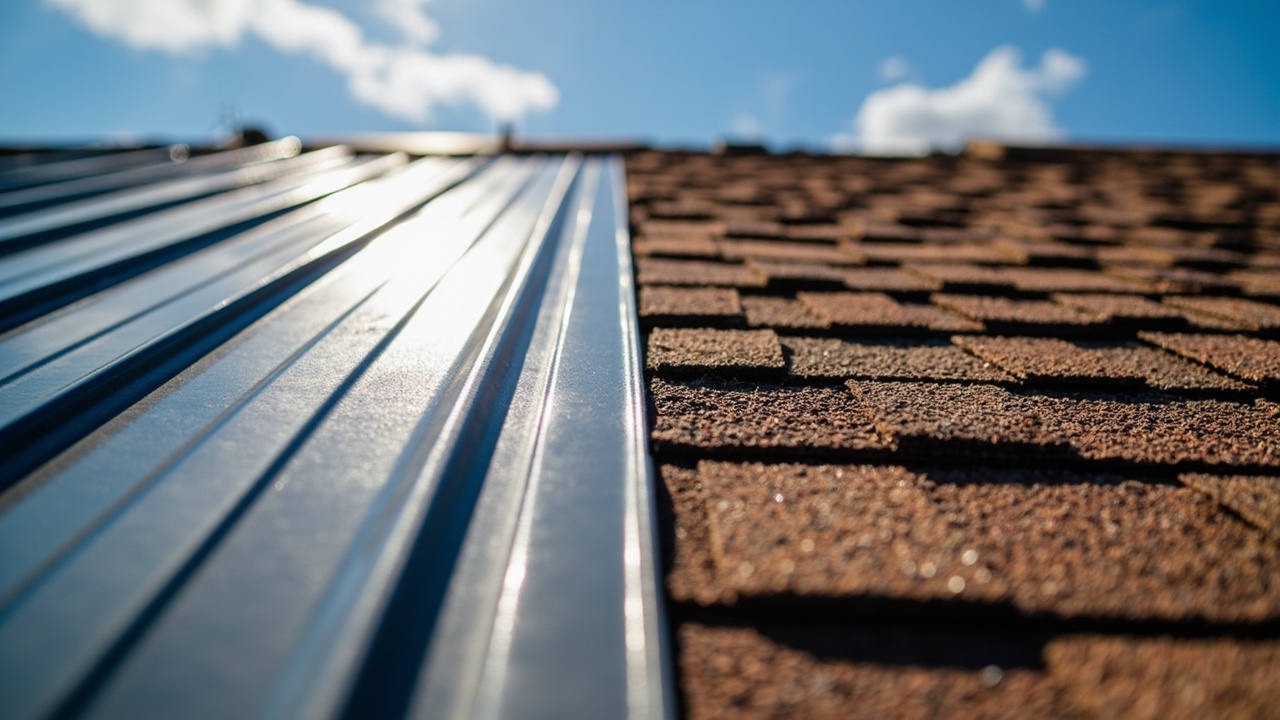
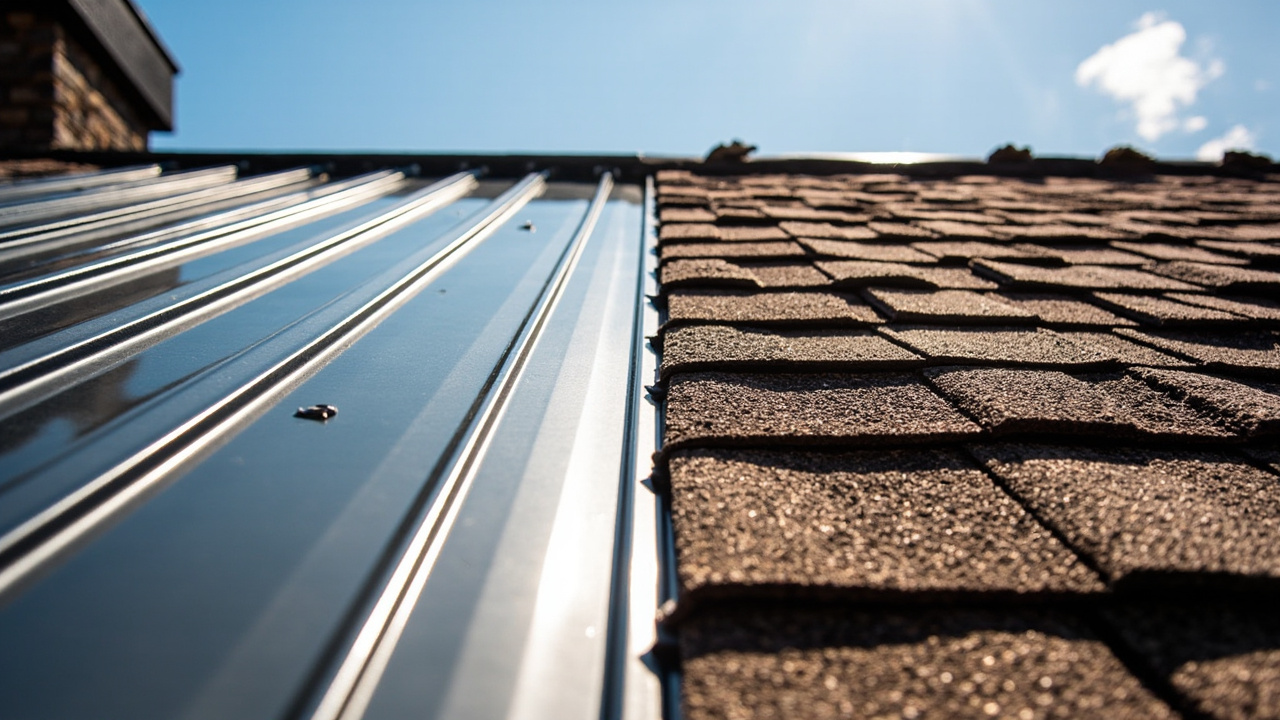
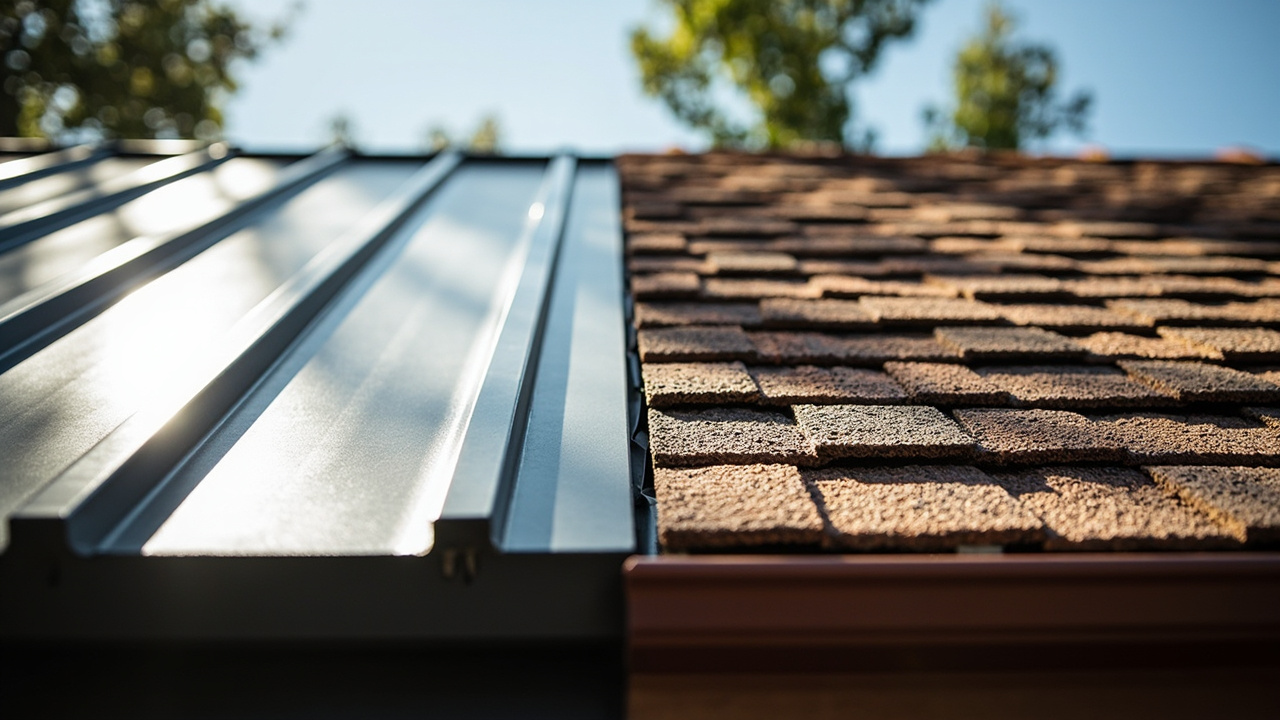
The metal roofing vs asphalt shingles price comparison looks different in Denver than in humid coastal regions or mild climates. Asphalt shingles cost less upfront but require replacement every 15 to 20 years in our climate. Metal roofing costs more initially but can last 40 to 50 years with minimal maintenance. When you factor Denver's hail risk, the cost difference between metal and asphalt roof systems includes insurance premiums, replacement frequency, and potential claims.

Your neighborhood matters too. Historic districts like Curtis Park or Country Club have architectural guidelines that affect material choices. Ranch style homes in Lakewood or Aurora have different structural considerations than two-story colonials in Cherry Creek. The metal roof vs shingle roof pricing shifts based on pitch, complexity, and existing decking condition. Before you commit to either material, you need accurate data about what each system actually costs to install, maintain, and eventually replace on a Denver home.

Why Denver Homeowners Face Unique Roofing Cost Decisions
Breaking Down the Real Numbers Behind Each Roofing System

Breaking Down the Real Numbers Behind Each Roofing System

Asphalt shingles start with a lower barrier to entry. Architectural shingles, which most Denver contractors recommend over three-tab styles, run significantly less per square foot than standing seam metal panels. Installation time is shorter because crews work faster with shingles. You can typically complete a 2,000 square foot ranch in two to three days. The material itself weighs less, which means no structural reinforcement for most Denver homes built after 1980.

Metal roofing requires more specialized labor and longer installation periods. Standing seam panels demand precision cutting, custom flashing fabrication, and fastener placement that prevents thermal expansion issues. Screw-down metal panels cost less than concealed fastener systems, but both exceed asphalt pricing. The weight difference matters less than you think. Modern metal roofing weighs about the same as architectural shingles, so structural upgrades are rarely necessary unless you have an older home with compromised trusses.

The metal vs asphalt roofing cost comparison shifts dramatically when you add lifespan to the equation. Asphalt shingles in Denver typically need replacement at the 18-year mark due to granule loss from UV exposure and thermal cycling. Metal roofs last twice as long minimum. If you divide total cost by years of service, the annual expense evens out. Metal also performs better in hail. Class 4 impact-rated shingles help, but metal resists denting better than organic materials. Insurance companies in hail-prone Denver zip codes often discount premiums for metal roofs, which changes your price comparison metal roof vs asphalt shingles analysis.

Apex Roofing Denver runs side-by-side cost projections that show 25-year total ownership numbers, not just installation day pricing. This gives you the complete financial picture.

How We Build Your Cost Analysis

Metal Roof vs Asphalt Shingles Cost in Denver – Compare Pricing, Lifespan, and Performance Before You Replace
01

Property Assessment and Measurement

We measure your actual roof area using satellite imaging verified with on-site inspection. Pitch, penetrations, valleys, and flashing requirements all affect material waste factors and labor hours. We document existing decking condition because deteriorated OSB or plywood adds cost regardless of which material you choose. Denver's freeze-thaw cycles cause decking failure that homeowners often miss until tear-off begins.
02

Material Specification and Options

You receive pricing for both asphalt and metal systems matched to your home's architecture and structural capacity. We specify gauge thickness for metal, profile type, finish warranty, and underlayment grade. For asphalt, we show impact ratings, wind resistance, and dimensional thickness options. Each specification includes projected lifespan in Denver's climate so you can calculate annual cost amortization. We explain how color choice affects heat absorption and cooling costs in summer.
03

Total Ownership Cost Projection

The final analysis shows installation cost, maintenance requirements, expected replacement timeline, and potential insurance savings for each material. We factor Denver-specific hail damage probability using historical data from your zip code. You see what each roof actually costs over 25 years of ownership, not just the day you write the check. This projection includes disposal costs for eventual replacement because asphalt tear-off is straightforward while metal panels have scrap value.

Why Denver Contractors Must Understand High-Altitude Roofing Performance

Generic roofing advice from coastal states or Midwest contractors does not apply in Denver. The combination of intense UV radiation, low humidity, severe hail, and rapid temperature fluctuations creates material stress that most regions never experience. Asphalt shingles rated for 30-year lifespan in Houston fail at 18 years in Denver because manufacturers base longevity claims on moderate climates. Metal roofing performs better in our environment, but installation must account for thermal expansion. A standing seam panel expands and contracts significantly between a 95-degree July afternoon and a 5-degree January morning. Fastener systems must accommodate this movement or you get oil-canning and finish failure.

Apex Roofing Denver has installed both material types across every Denver neighborhood from Highlands to Stapleton. We know which asphalt manufacturers use ceramic-coated granules that resist UV degradation better than standard mineral blends. We know which metal panel profiles survive Denver's hailstorms without denting. We understand how to flash metal against brick chimneys on Capitol Hill bungalows and how to integrate metal panels with existing asphalt on complex multi-plane roofs.

Local building codes matter more than homeowners realize. Denver requires ice and water shield underlayment at eaves and valleys regardless of material choice. Wind uplift ratings must meet Front Range exposure category requirements. We pull permits for every job and schedule city inspections, which protects your investment and ensures insurance coverage remains valid. Contractors who skip permitting save money but leave you exposed if storm damage occurs and your insurance company discovers non-compliant installation. The metal roof vs shingle roof pricing you receive from us includes all code-compliant materials and proper permitting, which some competitors omit to appear cheaper.

What Your Cost Comparison Should Include

Installation Timeline and Disruption

Asphalt installation typically takes two to four days depending on home size and complexity. Metal roofing requires four to seven days because panel cutting and custom flashing take longer. Both materials require complete tear-off of existing shingles in most cases. You cannot install metal over deteriorated decking, and layering new asphalt over old shingles is poor practice despite being technically allowed. Expect noise, debris, and restricted driveway access during installation. We protect landscaping with plywood runways and use magnetic rollers to collect metal fasteners and nails from your yard. Disposal costs are included in both estimates, though metal has scrap value that sometimes offsets hauling fees.

Maintenance and Repair Requirements

Asphalt shingles require periodic inspection after hailstorms and high wind events. Damaged shingles must be replaced promptly to prevent water infiltration. Granule loss accelerates after year 12, which reduces UV protection and increases surface temperature. Metal roofs need minimal maintenance beyond gutter cleaning and fastener inspection. Screw-down panels may require fastener tightening after five to seven years as thermal cycling loosens connections. Standing seam systems with concealed clips need virtually no maintenance. Both materials benefit from annual inspection to catch flashing failures or penetration leaks before interior damage occurs. We offer maintenance plans that include inspection, minor repairs, and priority scheduling for storm damage assessment.

Energy Efficiency and Cooling Costs

Metal roofing with reflective coatings reduces attic heat gain by reflecting solar radiation rather than absorbing it. This cuts cooling costs during Denver's hot summer months, particularly for homes with inadequate attic insulation. Light-colored metal performs best, while dark bronze or black absorbs more heat. Asphalt shingles absorb and retain heat, which increases attic temperature and forces air conditioning systems to work harder. The energy cost difference varies based on insulation levels, attic ventilation, and home orientation. South-facing roofs see the biggest temperature differential between materials. We can calculate projected cooling cost savings based on your home's specific characteristics, which factors into the total ownership cost comparison between metal and asphalt systems.

Resale Value and Buyer Perception

Metal roofing typically increases home resale value more than new asphalt shingles because buyers recognize the extended lifespan and lower maintenance burden. Denver's real estate market values hail resistance, which makes metal particularly attractive to buyers who experienced storm damage at previous properties. Architectural asphalt shingles are standard expectation, so new installation maintains value but rarely adds premium pricing. Metal roofs appeal most to buyers planning long-term ownership who want to avoid replacement costs. Color and style matter significantly. Standing seam metal in neutral tones appeals to broader buyer demographics than bright red or turquoise screw-down panels. We help you select materials that balance personal preference with resale considerations if you plan to sell within 10 years.

Frequently Asked Questions

You Have Questions,
We Have Answers

Is it cheaper to get a metal roof or shingles? +

Asphalt shingles cost less upfront. A standard asphalt shingle roof in Denver runs significantly lower per square foot than metal. Metal roofing requires a larger initial investment, often double or triple the cost of shingles. However, metal roofs last 40 to 70 years compared to 15 to 25 years for asphalt. You replace shingles two or three times in the lifespan of one metal roof. Metal also resists Denver's hailstorms better, reducing repair costs. Over decades, metal can cost less when you factor in replacements, maintenance, and energy savings.

What is the downside to a metal roof? +

Metal roofs cost more upfront. That price gap stops many Denver homeowners. Metal also dents from large hail, which Denver sees frequently. Dents rarely affect performance, but they bother some owners. Noise during heavy rain or hail can be louder than shingles, though proper insulation reduces this. Some metal roofs expand and contract with temperature swings, causing fasteners to loosen over time. Panels require periodic checks. Color fading happens with certain coatings after years of UV exposure. Installation errors cause most problems. Poor flashing or incorrect fastening leads to leaks and panel movement.

Is a metal roof better than asphalt shingles? +

Metal roofs outlast asphalt shingles by decades. Metal handles Denver's hail, wind, and freeze-thaw cycles better than shingles. Metal reflects sunlight, reducing cooling costs in summer. Shingles absorb heat, making attics hotter. Metal resists fire, rot, and insect damage. Shingles degrade faster under UV exposure and temperature extremes. Metal requires less maintenance over its life. Shingles need regular inspections for cracked or missing pieces. However, shingles cost less upfront and work on complex roof shapes. Metal demands skilled installation. For longevity and weather resistance in Denver, metal wins. For budget and versatility, shingles work.

Do insurance companies like metal roofs? +

Many insurance companies offer discounts for metal roofs in Denver. Metal resists hail damage, fire, and high winds better than asphalt shingles. This lowers claim risk. Some insurers reduce premiums by 10 to 30 percent for metal roofing. Check with your carrier before installation to confirm discount eligibility. Not all policies treat metal the same. Impact-resistant metal panels qualify for larger discounts. Document the roof type and installation details for your insurer. Metal roofs also handle Denver's unpredictable weather better, which insurers value. Ask about wind and hail resistance ratings when selecting materials.

How much would a metal roof cost on a 2000 sq ft house? +

A metal roof on a 2,000 square foot house in Denver costs between two to four times more than asphalt shingles. The price depends on metal type, panel style, roof complexity, and labor rates. Standing seam metal costs more than corrugated panels. Copper and zinc cost more than steel or aluminum. Steep pitches, multiple valleys, and chimneys increase labor costs. Removal of old roofing adds expense. Energy-efficient coatings or insulation layers raise the total. Compare multiple quotes from Denver roofers to understand your specific cost. Quality installation matters more than saving a few hundred dollars.

Are there tax credits for metal roofs? +

Federal tax credits for metal roofs exist under the Energy Efficient Home Improvement Credit. Metal roofing with reflective coatings that meet ENERGY STAR standards may qualify. The credit covers a percentage of material costs, not labor. Check IRS guidelines for current rates and caps. Colorado offers no statewide tax credit for metal roofing, but some Denver utility rebates apply for energy-efficient upgrades. Keep receipts and manufacturer certifications. Consult a tax professional to confirm eligibility. Credits change yearly. Metal roofs lower energy bills, which saves money regardless of tax incentives. Verify product ratings before purchase.

What are the two biggest concerns to a metal roof? +

Hail damage and improper installation cause the most problems with metal roofs in Denver. Hail dents metal panels, especially thinner gauges. Dents look bad but rarely compromise waterproofing. Choose thicker metal or impact-resistant coatings in hail-prone areas. Poor installation creates leaks around flashing, valleys, and fasteners. Metal expands and contracts with temperature changes. Installers must account for this movement. Wrong fastener placement or over-tightening causes panel buckling and water intrusion. Hire roofers experienced with metal systems. Cheap installation leads to expensive repairs. Quality workmanship eliminates most metal roof failures.

Does a metal roof affect Wi-Fi? +

Metal roofs can interfere with Wi-Fi signals, but rarely cause major problems. Metal reflects and absorbs radio waves, weakening signals between floors or rooms. Homes with metal roofs may need stronger routers or Wi-Fi extenders. Placement of the router matters. Install it centrally or use mesh network systems to improve coverage. Modern routers and 5G technology reduce interference issues. Most Denver homeowners with metal roofs report no noticeable signal loss. If you experience weak Wi-Fi, test router placement before blaming the roof. Metal roofing does not block signals completely, just reduces strength in some cases.

Do metal roofs leak more than shingles? +

Metal roofs leak less than asphalt shingles when installed correctly. Metal panels interlock and shed water faster than shingles. Shingles crack, curl, and lose granules over time, creating leak points. Denver's freeze-thaw cycles damage shingles more than metal. Metal resists ice dams better. However, poor installation causes leaks in both systems. Flashing failures, improper fastening, and sealant breakdown lead to water intrusion. Metal roofs need experienced installers who understand thermal movement and panel overlap. Shingles tolerate installation errors better. A well-installed metal roof outlasts shingles and leaks far less over its lifespan.

What is the cheapest roof to put on a house? +

Asphalt shingles are the cheapest roof to install on a Denver house. Three-tab shingles cost the least per square foot and require straightforward installation. Metal, tile, and slate cost significantly more upfront. However, cheap does not mean best value. Asphalt shingles need replacement every 15 to 25 years in Denver's climate. Hail, UV exposure, and temperature swings shorten shingle life. You pay for multiple replacements over decades. Metal roofs cost more initially but last 40 to 70 years. Calculate lifetime cost, not just installation price. Budget for quality materials and skilled labor to avoid premature failure.

How Denver's Hail Frequency Changes Your Roofing Investment Strategy

The Front Range experiences more hailstorms than nearly any region in the United States. Denver averages nine hail days per year, with significant damaging events occurring every three to five years along the I-25 corridor. The May 2017 hailstorm caused over $2 billion in property damage across the metro area. When you compare metal roofing vs asphalt shingles price in Denver, you must factor replacement probability. Asphalt shingles suffer granule loss, mat fractures, and seal failure from repeated hail impacts. Even if damage does not trigger immediate replacement, each storm shortens remaining lifespan. Metal roofing resists hail better, though golf-ball size hail can dent lighter gauge panels. The cost difference between metal and asphalt roof systems narrows considerably when you add insurance deductibles and depreciated value payouts for storm-damaged asphalt.

Denver building codes and insurance requirements create additional cost factors that affect your material choice. The city requires Class 4 impact-rated shingles in many zip codes, which increases asphalt material costs compared to standard architectural grades. Insurance companies offer premium discounts for impact-resistant roofing, but metal qualifies for larger reductions than Class 4 asphalt. Some carriers require professional installation documentation and material certifications to maintain coverage, which eliminates discount contractors who skip permitting. Apex Roofing Denver maintains relationships with local building inspectors and understands exactly what documentation your insurance carrier needs to process claims or approve discounts. We provide material certifications, installation photos, and warranty registration that protects your investment and ensures you receive every available insurance benefit.

Roofing Services in The Denver Area

Looking for trusted roofing services near you? Apex Roofing Denver proudly serves homeowners and businesses across the greater Denver area with expert roof repairs, replacements, inspections, and storm damage restoration. From Aurora to Lakewood and Thornton to Centennial, our experienced roofing team is ready to deliver fast, dependable solutions. Use the map below to explore our service areas and find top-rated roofing help near your neighborhood.

Address:
Apex Roofing Denver, 2301 Blake St, Denver, CO, 80205

Additional Services We Offer

Our news updates

Latest Articles & News from The Blogs

Lorem ipsum dolor sit amet. Aut expedita quaerat quo eligendi numquam et laudantium perspiciatis qui minima expedita rem consequatur ducimus.…

Test Blog 4

Lorem ipsum dolor sit amet. Aut expedita quaerat quo eligendi numquam et laudantium perspiciatis qui minima expedita rem consequatur ducimus.…

Test Blog 3

Lorem ipsum dolor sit amet. Aut expedita quaerat quo eligendi numquam et laudantium perspiciatis qui minima expedita rem consequatur ducimus.…

Test Blog 2

Lorem ipsum dolor sit amet. Aut expedita quaerat quo eligendi numquam et laudantium perspiciatis qui minima expedita rem consequatur ducimus.…

Contact Us

Stop guessing about which roofing material makes financial sense for your Denver home. Call (720) 484-8300 now for a detailed cost comparison that shows real numbers, not marketing claims. We measure your actual roof, specify appropriate materials for Denver's climate, and project total ownership costs over 25 years.