
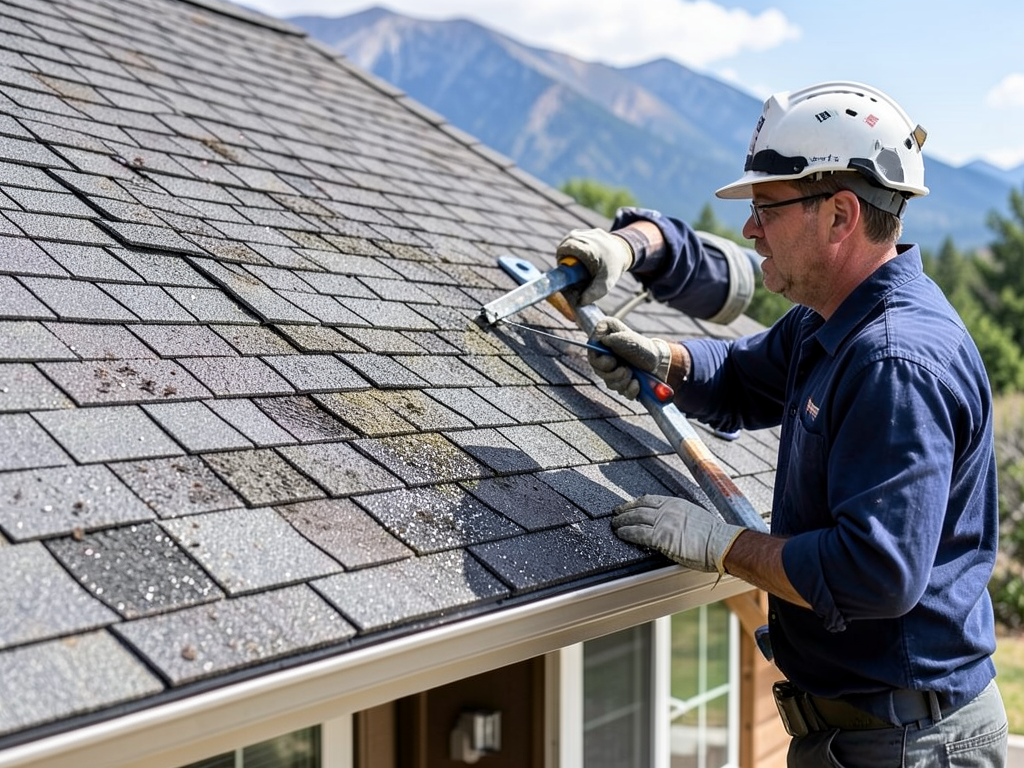
Managing Wind Scouring and Missing Gravel on Older Roofs in Superior and Louisville
Wind scouring and missing gravel are two of the most common problems affecting older roofs in Superior and Louisville. These issues can cause serious damage if left untreated leading to costly repairs and even roof replacement. In this guide we will explore the causes signs and solutions for wind scouring and missing gravel on older roofs in these areas. How Much a Full Roof Replacement Actually Costs in Denver Right Now.
Understanding Wind Scouring
Wind scouring occurs when high winds create a lifting effect on roofing materials particularly on older roofs with compromised granule layers. This process gradually removes the protective gravel or mineral granules from asphalt shingles exposing the underlying asphalt to the elements. Asphalt Roofing Manufacturers Association.
In Superior and Louisville wind scouring is especially problematic due to the area’s unique geography. The Front Range location creates a wind tunnel effect where gusts can reach speeds of 70-80 mph during severe weather events. These powerful winds act like sandpaper against roof surfaces wearing away the protective granules over time.
The scouring process typically begins at the roof edges and corners where wind uplift is strongest. Once the protective layer is compromised the exposed asphalt becomes vulnerable to UV damage water infiltration and accelerated aging.
Why Older Roofs Are More Susceptible
Older roofs in Superior and Louisville face multiple challenges that make them more vulnerable to wind scouring:
- Age-related deterioration of shingle adhesion
- Loss of flexibility in asphalt materials
- Accumulated wear from previous weather events
- Settling and shifting of the roof structure
Most roofs in these communities were installed between 15-25 years ago when building standards and materials were different. Many homes in neighborhoods like Coal Creek Ranch and Rock Creek now show signs of advanced weathering.
The freeze-thaw cycles common in Colorado’s climate also contribute to the problem. Water seeps into tiny cracks in aging shingles freezes expands and creates larger openings that wind can exploit.
Signs of Wind Scouring on Your Roof
Identifying wind scouring early can save you thousands in repair costs. Here are the key warning signs to watch for:
- Visible bald spots on shingles where granules have been stripped away
- Accumulation of granules in gutters and downspouts
- Curling or cupping of shingle edges
- Exposed asphalt patches that appear darker than surrounding areas
- Increased energy bills due to reduced insulation
Homeowners in Superior and Louisville should inspect their roofs after major wind events particularly those that follow the typical pattern of westerly winds sweeping across the plains and funneling through the foothills.
The Impact of Missing Gravel
When gravel goes missing from your roof the consequences extend far beyond cosmetic issues. The gravel layer serves several critical functions:
- UV protection for the underlying asphalt
- Fire resistance
- Weight distribution across the roof surface
- Protection against impact damage
Without this protective layer your roof becomes vulnerable to accelerated deterioration. The exposed asphalt breaks down much faster when subjected to Colorado’s intense UV radiation at high altitude.
Missing gravel also creates uneven weight distribution across the roof surface. This can lead to stress points that may cause structural issues over time particularly in older homes with aging support systems.
Common Areas Affected in Superior and Louisville
Certain neighborhoods in Superior and Louisville experience more severe wind scouring due to their specific locations and building characteristics:
| Neighborhood | Wind Exposure Level | Common Roof Age |
|---|---|---|
| Rock Creek | High | 15-25 years |
| Coal Creek Ranch | Very High | 18-22 years |
| Flatirons | Moderate | 10-20 years |
| Superior Ranch | High | 12-18 years |
Homes in these areas often feature similar architectural styles from the 1990s and early 2000s with many using three-tab shingles that are particularly vulnerable to wind scouring compared to modern architectural shingles.
Prevention Strategies
Preventing wind scouring and gravel loss requires a proactive approach. Here are effective strategies for homeowners in Superior and Louisville:
Regular Maintenance
Schedule professional roof inspections at least twice yearly ideally in spring and fall. These inspections should include:
- Checking for loose or missing shingles
- Examining flashing and sealants
- Cleaning gutters to prevent water backup
- Trimming overhanging tree branches
Upgrade Considerations
If your roof is approaching 20 years old consider upgrading to impact-resistant shingles rated for high-wind zones. Modern shingles offer significantly better protection against wind scouring:
| Shingle Type | Wind Rating | Expected Lifespan |
|---|---|---|
| Three-tab | 60 mph | 15-20 years |
| Architectural | 110-130 mph | 25-30 years |
| Impact-resistant | 130+ mph | 30+ years |
Professional Reinforcement
Professional roofers can add protective measures such as:
- Enhanced fastening systems
- Wind-resistant underlayment
- Sealed roof deck techniques
- Improved edge metal installation
Repair Options for Wind Scouring
When wind scouring has already occurred several repair approaches are available depending on the extent of damage:
Spot Repairs
For localized damage affecting less than 10% of the roof surface spot repairs can be effective. This involves replacing individual damaged shingles and addressing any underlying issues.
Partial Re-roofing
When damage covers 10-30% of the roof partial re-roofing may be the most cost-effective solution. This approach replaces damaged sections while preserving intact areas. Roofing Sheridan.
Complete Replacement
For roofs with extensive scouring affecting over 30% of the surface complete replacement is often necessary. Modern replacement options include: Industrial Roof Replacement.
- Architectural shingles with enhanced wind resistance
- Impact-resistant materials rated for Colorado’s climate
- Improved underlayment systems
- Enhanced ventilation to prevent heat buildup
Insurance Considerations
Insurance coverage for wind scouring varies significantly. Most policies cover sudden accidental damage but may exclude gradual wear and tear. Here’s what homeowners should know:
Document all damage with photos and videos before making repairs. Keep records of maintenance and repairs to demonstrate proper care of the property. Consider hiring a professional inspector to provide a detailed damage assessment.
Many insurance companies in Colorado now require Class 4 impact-resistant shingles in high-wind areas. Installing these materials may qualify you for premium discounts while providing better protection.
Local Building Codes and Requirements
Boulder County and the cities of Superior and Louisville have specific building requirements for roofing in high-wind areas: Boulder County Building Codes.
- Minimum wind resistance ratings of 110 mph for new installations
- Required enhanced fastening for roofs over 4/12 pitch
- Specific underlayment requirements for the Front Range
- Ice and water shield requirements in valleys and eaves
Local building departments have become increasingly strict about wind mitigation requirements particularly after the severe wind events of recent years.
When to Call a Professional
Certain situations require immediate professional attention:
- Visible water stains on interior ceilings or walls
- Missing shingles after wind events
- Curling or buckling shingles
- Age exceeding 20 years with visible wear
- Previous repairs that are failing
Professional roofers can identify issues that homeowners might miss such as subtle signs of underlayment failure or compromised flashing that could lead to serious leaks. Fixing Flat Roof Leaks in LoHi and Modern Denver Homes.
Cost Factors for Repairs
Several factors influence the cost of addressing wind scouring and missing gravel:
| Factor | Impact on Cost |
|---|---|
| Roof size and pitch | Higher pitch increases labor costs |
| Extent of damage | Spot repairs vs. complete replacement |
| Material selection | Premium materials cost more upfront |
| Accessibility | Difficult access increases labor time |
| Permit requirements | Local fees vary by jurisdiction |
Homeowners should obtain multiple quotes and verify contractor credentials before proceeding with repairs.
Long-term Solutions
For lasting protection against wind scouring consider these long-term solutions:
- Install wind-rated architectural shingles with enhanced fastening
- Add secondary water barrier underlayment
- Upgrade edge metal and flashing systems
- Improve attic ventilation to reduce heat buildup
- Install impact-resistant materials rated for Colorado’s climate
These improvements not only address current issues but also provide better protection against future weather events.
Environmental Considerations
Wind scouring and gravel loss also have environmental implications:
- Granule runoff can affect local waterways
- Premature roof replacement creates construction waste
- Energy inefficiency from compromised insulation
- Increased carbon footprint from frequent repairs
Choosing durable long-lasting materials helps minimize environmental impact while providing better protection for your home.
Seasonal Factors
Wind scouring patterns vary by season in Superior and Louisville:
- Spring: High winds combined with temperature swings
- Summer: UV exposure accelerates damage to exposed areas
- Fall: Falling leaves can trap moisture against damaged areas
- Winter: Freeze-thaw cycles worsen existing damage
Understanding these seasonal patterns helps homeowners time maintenance and repairs for maximum effectiveness.
DIY vs. Professional Assessment
While homeowners can perform basic inspections professional assessment offers several advantages:
- Expert identification of subtle damage signs
- Accurate assessment of structural integrity
- Proper documentation for insurance claims
- Knowledge of local building requirements
Professional inspections typically cost between $150-300 but can identify issues that might cost thousands if left unaddressed.
Preparing for Professional Assessment
When scheduling a professional roof assessment prepare by:
- Documenting any visible damage with photos
- Making note of when issues first appeared
- Checking your roof’s age and installation history
- Reviewing your insurance policy coverage
- Obtaining multiple quotes from licensed contractors
This preparation helps ensure a thorough evaluation and accurate estimate for repairs.
Future-Proofing Your Roof
As climate patterns continue to evolve future-proofing your roof becomes increasingly important. Consider these emerging trends:
- Solar-ready roofing systems
- Cool roof technologies for energy efficiency
- Smart monitoring systems for early damage detection
- Recycled and sustainable roofing materials
Investing in these technologies now can provide better protection and potential energy savings over the long term.
Conclusion
Wind scouring and missing gravel are serious issues that affect many older roofs in Superior and Louisville. By understanding the causes recognizing the warning signs and taking proactive measures homeowners can protect their investment and avoid costly repairs.
Regular maintenance timely repairs and professional assessments are key to extending your roof’s lifespan. When damage occurs addressing it promptly prevents minor issues from becoming major problems.
For homeowners in Superior and Louisville working with local roofing professionals who understand the unique challenges of Colorado’s climate is essential. These experts can recommend appropriate materials and techniques to withstand the area’s specific weather patterns.
Don’t wait until wind scouring causes serious damage. Schedule a professional inspection today to assess your roof’s condition and develop a protection plan tailored to your home’s specific needs.
- Schedule Professional Inspection
Contact a licensed roofing contractor to assess your roof’s condition and identify any wind scouring damage.
- Document All Findings
Take photos of all damage and obtain a detailed written assessment for insurance purposes.
- Develop Repair Plan
Work with your contractor to create a comprehensive plan addressing immediate repairs and long-term protection.
- Execute Repairs Promptly
Complete necessary repairs before additional damage occurs particularly before severe weather seasons.
- Implement Prevention Strategies
Establish a regular maintenance schedule and consider upgrades to prevent future wind scouring issues.
Frequently Asked Questions
How can I tell if my roof has wind scouring?
Look for bald spots on shingles where granules are missing accumulation of granules in gutters and exposed asphalt patches. You may also notice curling or cupping of shingle edges. Reliable Gutter Installation for New Builds in Central Park.
Is wind scouring covered by insurance?
Coverage varies by policy. Most insurers cover sudden accidental damage but may exclude gradual wear. Document all damage and consult your policy or insurance agent for specific coverage details.
How long does a typical roof last in Superior and Louisville?
Most roofs in these areas last 15-25 years depending on materials and maintenance. Impact-resistant architectural shingles can extend this to 30+ years with proper care.
Can I repair wind scouring myself?
Minor repairs might be possible for experienced DIYers but professional assessment is recommended. Improper repairs can void warranties and lead to more extensive damage.
What’s the best time of year for roof repairs?
Spring and fall typically offer the most favorable weather conditions. However emergency repairs should be addressed immediately regardless of season.
If you’re concerned about wind scouring or missing gravel on your roof in Superior or Louisville don’t wait for the problem to worsen. Call Apex Roofing Denver today at (720) 484-8300 for a professional inspection and personalized repair recommendations. Our experienced team understands the unique challenges of Colorado’s climate and can help protect your home from wind damage. For more information, visit National Fire Protection Association.
{
“@context”: “https://schema.org”,
“@type”: “BlogPosting”,
“headline”: “Managing Wind Scouring and Missing Gravel on Older Roofs in Superior and Louisville”,
“description”: “Learn how to protect your roof from wind scouring and missing gravel in Superior and Louisville. Expert tips on prevention, repair, and local building requirements.”,
“wordCount”: 1993,
“datePublished”: “2026-06-12T09:11:00.000Z”,
“dateModified”: “2026-06-12T09:11:00.000Z”,
“inLanguage”: “en-US”,
“mainEntityOfPage”: {
“@type”: “WebPage”,
“@id”: “https://apexroofingdenver.com”
},
“publisher”: {
“@type”: “LocalBusiness”,
“name”: “Apex Roofing Denver”,
“url”: “https://apexroofingdenver.com”
},
“author”: {
“@type”: “Organization”,
“name”: “Apex Roofing Denver”,
“url”: “https://apexroofingdenver.com”
},
“image”: {
“@type”: “ImageObject”,
“url”: “https://apexroofingdenver.com/wp-content/uploads/2026/03/managing-wind-scouring-and-missing-gravel-on-older-1.png”
}
}
{
“@context”: “https://schema.org”,
“@type”: “RoofingContractor”,
“name”: “Apex Roofing Denver”,
“url”: “https://apexroofingdenver.com”,
“address”: {
“@type”: “PostalAddress”,
“addressLocality”: “Denver”
},
“areaServed”: {
“@type”: “City”,
“name”: “Denver”
}
}
{
“@context”: “https://schema.org”,
“@type”: “FAQPage”,
“mainEntity”: [
{
“@type”: “Question”,
“name”: “How can I tell if my roof has wind scouring?”,
“acceptedAnswer”: {
“@type”: “Answer”,
“text”: “Look for bald spots on shingles where granules are missing accumulation of granules in gutters and exposed asphalt patches. You may also notice curling or cupping of shingle edges. Reliable Gutter Installation for New Builds in Central Park.”
}
},
{
“@type”: “Question”,
“name”: “Is wind scouring covered by insurance?”,
“acceptedAnswer”: {
“@type”: “Answer”,
“text”: “Coverage varies by policy. Most insurers cover sudden accidental damage but may exclude gradual wear. Document all damage and consult your policy or insurance agent for specific coverage details.”
}
},
{
“@type”: “Question”,
“name”: “How long does a typical roof last in Superior and Louisville?”,
“acceptedAnswer”: {
“@type”: “Answer”,
“text”: “Most roofs in these areas last 15-25 years depending on materials and maintenance. Impact-resistant architectural shingles can extend this to 30+ years with proper care.”
}
},
{
“@type”: “Question”,
“name”: “Can I repair wind scouring myself?”,
“acceptedAnswer”: {
“@type”: “Answer”,
“text”: “Minor repairs might be possible for experienced DIYers but professional assessment is recommended. Improper repairs can void warranties and lead to more extensive damage.”
}
},
{
“@type”: “Question”,
“name”: “What’s the best time of year for roof repairs?”,
“acceptedAnswer”: {
“@type”: “Answer”,
“text”: “Spring and fall typically offer the most favorable weather conditions. However emergency repairs should be addressed immediately regardless of season.”
}
}
]
}
{
“@context”: “https://schema.org”,
“@type”: “HowTo”,
“name”: “How to Address Wind Scouring”,
“step”: [
{
“@type”: “HowToStep”,
“position”: 1,
“name”: “Schedule Professional Inspection”,
“text”: “Contact a licensed roofing contractor to assess your roof’s condition and identify any wind scouring damage.”
},
{
“@type”: “HowToStep”,
“position”: 2,
“name”: “Document All Findings”,
“text”: “Take photos of all damage and obtain a detailed written assessment for insurance purposes.”
},
{
“@type”: “HowToStep”,
“position”: 3,
“name”: “Develop Repair Plan”,
“text”: “Work with your contractor to create a comprehensive plan addressing immediate repairs and long-term protection.”
},
{
“@type”: “HowToStep”,
“position”: 4,
“name”: “Execute Repairs Promptly”,
“text”: “Complete necessary repairs before additional damage occurs particularly before severe weather seasons.”
},
{
“@type”: “HowToStep”,
“position”: 5,
“name”: “Implement Prevention Strategies”,
“text”: “Establish a regular maintenance schedule and consider upgrades to prevent future wind scouring issues.”
}
],
“image”: “https://apexroofingdenver.com/wp-content/uploads/2026/03/managing-wind-scouring-and-missing-gravel-on-older-1.png”
}
{
“@context”: “https://schema.org”,
“@type”: “BreadcrumbList”,
“itemListElement”: [
{
“@type”: “ListItem”,
“position”: 1,
“name”: “Home”,
“item”: “https://apexroofingdenver.com”
},
{
“@type”: “ListItem”,
“position”: 2,
“name”: “Blog”,
“item”: “https://apexroofingdenver.com/blog”
},
{
“@type”: “ListItem”,
“position”: 3,
“name”: “Managing Wind Scouring and Missing Gravel on Older Roofs in Superior and Louisville”
}
]
}
{
“@context”: “https://schema.org”,
“@type”: “Service”,
“serviceType”: “Roofing”,
“provider”: {
“@type”: “LocalBusiness”,
“name”: “Apex Roofing Denver”,
“url”: “https://apexroofingdenver.com”
},
“areaServed”: {
“@type”: “City”,
“name”: “Denver”
},
“description”: “Learn how to protect your roof from wind scouring and missing gravel in Superior and Louisville. Expert tips on prevention, repair, and local building requirements.”
}