





Menu

Leaking Pipe Boot & Vents in Denver – Stop Water Damage Before It Spreads Through Your Ceiling

Expert diagnosis and permanent repair of cracked plumbing vent boots, deteriorated rubber roof collars, and damaged pipe flashing seals causing interior water intrusion across Denver homes.

Slider Image 1
Slider Image 2
Slider Image 3
Slider Image 4
Slider Image 5
Slider Image 7
Slider Image 8
Slider Image 9
Slider Image 10
Slider Image 11

Why Pipe Boots Fail Faster in Denver's Climate

You spot a water stain spreading across your ceiling near the bathroom. It grows after every rainstorm. The problem is not your roof deck. It is the rubber boot sealing your plumbing vent pipe where it penetrates the roof.

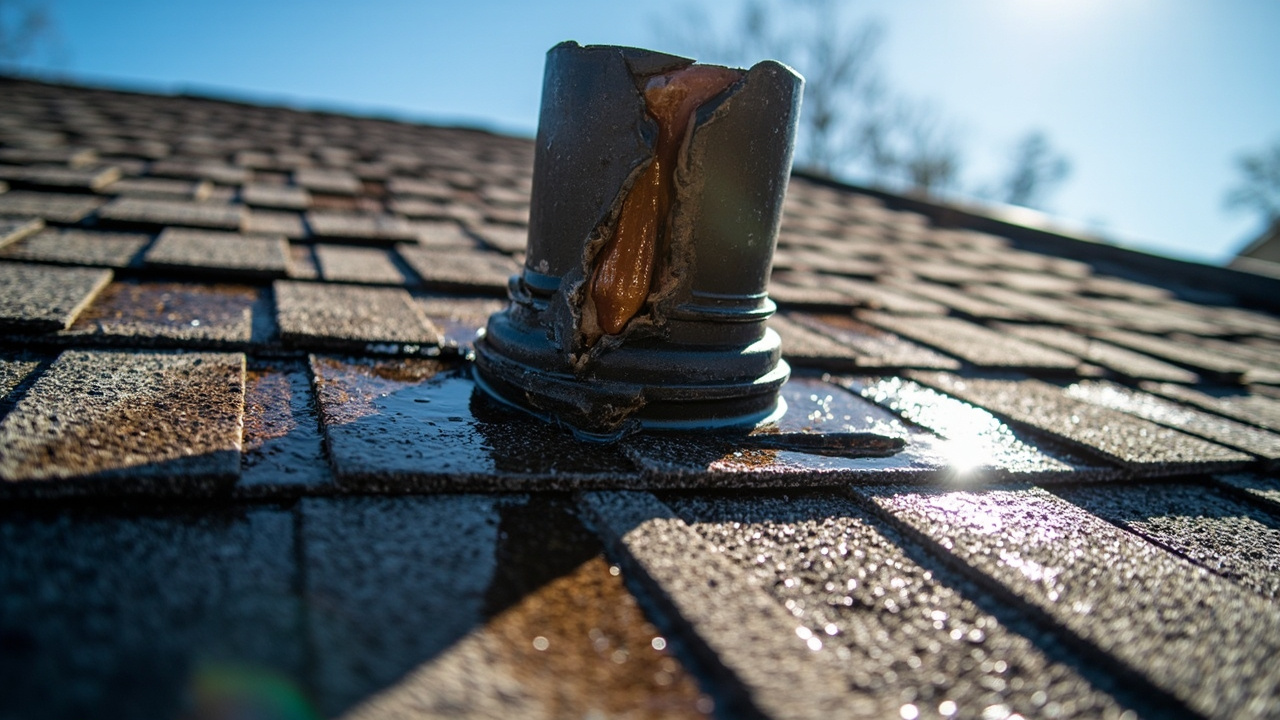
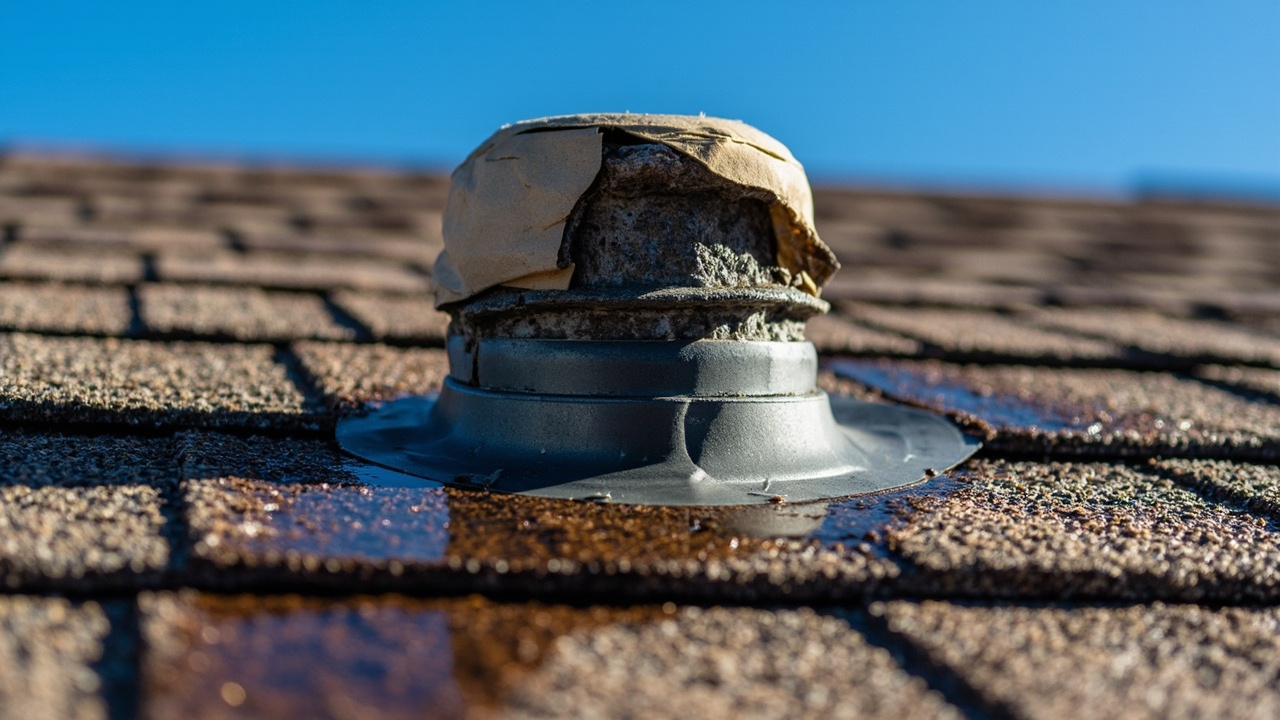
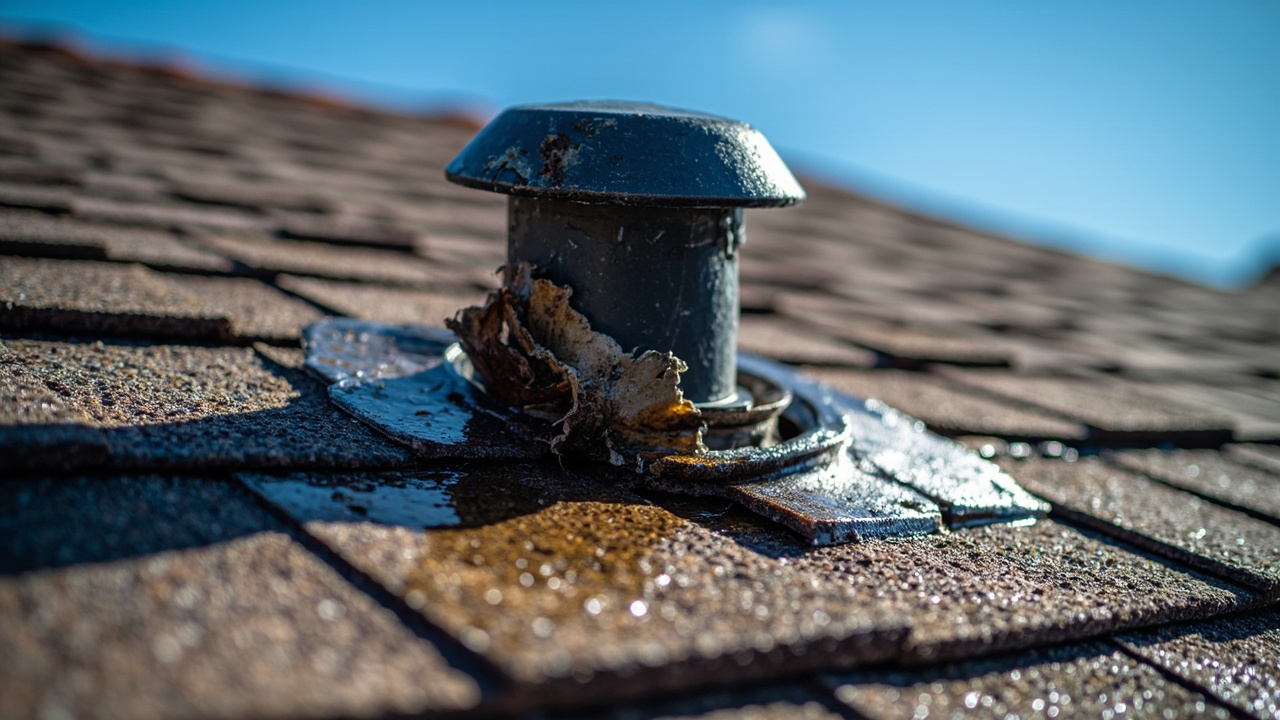
Denver's intense UV exposure at 5,280 feet elevation accelerates deterioration of neoprene and EPDM rubber roof collars. The material that stays flexible in Portland or Seattle becomes brittle here in 3-5 years instead of 7-10. Add our 300 days of sunshine and temperature swings from 15 degrees on winter nights to 95 degrees on summer afternoons, and you get cracked plumbing vent boots that split along the base seal.

The cycle destroys pipe flashing faster than in most climates. Morning frost contracts the rubber. Afternoon sun expands it. The constant flex breaks down the molecular bonds in the neoprene gasket. You end up with a dry rotted seal that looks intact from the ground but leaks every time it rains.

Most homeowners do not realize the problem until water drips through the drywall. By then, the damaged pipe flashing seal has already saturated the roof decking and insulation around the vent stack. The leak follows the pipe down into the attic space, spreads laterally along ceiling joists, and finally breaks through wherever gravity finds the path of least resistance.

The stain you see is just the visible endpoint. The deteriorated rubber roof collar has been failing for months, sending water into the structural cavity every time precipitation hits your roof.

Why Pipe Boots Fail Faster in Denver's Climate
How We Fix Broken Roof Stack Flashing Permanently

How We Fix Broken Roof Stack Flashing Permanently

We do not slap roofing cement over the crack and call it fixed. That approach fails in six months because you cannot bond new sealant to degraded rubber. The material has lost its integrity.

Our process removes the entire compromised boot assembly. We pull the old neoprene gasket, inspect the condition of the metal base flashing underneath, and assess whether water has damaged the roof deck or surrounding shingles. If the decking shows soft spots or delamination, we replace those sections before installing new flashing.

We use high-grade EPDM or thermoplastic boots designed for high-altitude UV resistance. The base flashing integrates with your shingle courses using a layered waterproofing sequence. New shingles overlap the bottom edge of the flashing. The flashing sides tuck under the shingles on either side of the pipe. The top edge slides beneath the shingle course above the pipe. This creates a shingled water barrier that directs moisture down and away from the penetration.

The rubber collar fits over the vent pipe with a stainless steel clamp band that compresses the seal without over-tightening. Too much torque distorts the gasket and creates new leak paths. Too little tension allows the boot to work loose during thermal expansion cycles.

We verify the seal with a water test before leaving. A garden hose run over the repair for five minutes reveals any installation defects immediately. You do not wait for the next storm to find out if the fix holds. We also inspect other roof penetrations during the same visit. If one pipe boot failed, others installed at the same time are likely near failure too.

What Happens During Your Pipe Boot Repair

Leaking Pipe Boot & Vents in Denver – Stop Water Damage Before It Spreads Through Your Ceiling
01

Roof and Attic Inspection

We examine the failed boot from the roof surface and inspect the attic space below for water staining, damaged insulation, or compromised decking. This reveals the full scope of damage. We document the condition of all visible pipe boots and roof penetrations to identify other at-risk seals before they start leaking. You get a complete picture of what needs immediate repair versus what to monitor.
02

Boot Removal and Deck Repair

We carefully remove shingles around the damaged pipe flashing seal without tearing surrounding courses. The old boot assembly comes out in one piece when possible to avoid leaving fragments in the roof cavity. Any water-damaged decking gets cut out and replaced with exterior-grade plywood or OSB sheathing. We treat exposed wood with water-resistant primer before installing new flashing to prevent future rot at the penetration point.
03

New Boot Installation and Testing

The new high-grade rubber roof collar installs using the proper shingle layering sequence to ensure water flows over and around the flashing without penetrating the seal. We secure the neoprene gasket with calibrated tension on the clamp band, then perform an immediate water test. The hose runs over the repair area for several minutes while we monitor the attic space below. Only after confirming zero moisture penetration do we complete the final shingle integration and cleanup.

Why Denver Homeowners Choose Apex Roofing Denver for Pipe Boot Repairs

Most roofers treat pipe boot leaks as minor patch jobs. They send a junior technician with a caulk gun and a generic rubber boot from the hardware store. The repair fails before the year ends because the materials are wrong for Denver's climate and the installation skips critical waterproofing steps.

Apex Roofing Denver specializes in diagnosing and permanently repairing roof penetration failures across the Front Range. We understand how altitude, UV intensity, and thermal cycling affect different flashing materials. We stock UV-resistant EPDM boots and thermoplastic collars engineered for high-elevation performance, not the standard-grade products that crack within three years at 5,280 feet.

Our technicians inspect the full leak path, not just the visible rubber boot. Water follows complex routes through roof assemblies. A cracked plumbing vent boot might send moisture 10 feet laterally along a rafter before it drips through your ceiling in the hallway. We trace the moisture back to the source and identify all compromised materials in the path.

We also understand Denver's building practices. Homes in Washington Park have different roof construction than properties in Stapleton or Highlands Ranch. The flashing details that work on a 1920s bungalow with skip sheathing differ from those needed on a 2010 tract home with OSB decking and synthetic underlayment. We adapt the repair method to your specific roof assembly.

You get documentation of the damage with photos from the roof and attic spaces. If you plan to file an insurance claim for water damage, you need evidence of the failure mechanism. We provide that documentation as part of the standard repair process. You also get guidance on whether the leak caused enough interior damage to justify a claim or whether the repair cost stays below your deductible threshold.

What to Expect from Your Pipe Boot Repair Service

Same-Week Repair Scheduling

Pipe boot leaks cause progressive damage. Every rainstorm sends more water into your roof cavity and saturates more insulation and drywall. We schedule inspections within 48 hours of your call and complete most repairs within the same week. Emergency situations with active leaking get priority response. We carry common boot sizes and flashing materials on our service vehicles to handle straightforward repairs in a single visit. Complex jobs requiring deck replacement or extensive shingle work may need a follow-up appointment to complete the installation properly.

Thorough Damage Assessment

We inspect both the exterior roof surface and the interior attic space before starting any repair work. You need to know if water damaged the roof decking, rafters, insulation, or ceiling materials. A cracked plumbing vent boot that leaked for months may require structural repairs beyond just replacing the rubber collar. We document all damage with photos and provide a detailed scope of work before proceeding. You know exactly what the repair involves and why each step is necessary to permanently stop the leak.

Watertight Installation Standards

Your repaired pipe boot will not leak again because of poor workmanship. We follow manufacturer installation specifications for the flashing materials we use. The shingle integration follows the proper layering sequence to create a continuous water barrier around the penetration. The rubber collar clamp gets torqued to the correct tension to seal without distorting the gasket. We perform an immediate water test before completing the job. If the repair does not pass our hose test, we do not consider the work finished.

Post-Repair Monitoring Guidance

After we repair the failed boot, you need to monitor other pipe penetrations on your roof. If one boot deteriorated from UV exposure and thermal cycling, the others installed at the same time are aging the same way. We identify which penetrations show early signs of rubber degradation during our initial inspection. You get guidance on which boots to replace proactively and which ones have remaining service life. We also explain how to spot the early warning signs of boot failure so you can catch the next leak before it damages interior finishes.

Frequently Asked Questions

You Have Questions,
We Have Answers

How much does it cost to replace a vent pipe boot? +

Replacing a vent pipe boot in Denver typically depends on several factors. Material choice matters. Rubber boots cost less but crack faster under intense UV and freeze-thaw cycles common along the Front Range. Metal or lead boots last longer but require more labor. Roof pitch, accessibility, and whether shingle removal is needed also affect pricing. A single boot replacement on an easy-access roof runs lower than multi-story or steep-pitch jobs. Most Denver roofers charge per boot plus labor. Always get an inspection first to check for hidden damage underneath. Catching this early prevents costly interior water damage later.

How to seal a vent boot? +

Sealing a vent boot requires the right approach for Denver's climate. First, clean the area around the base and remove old caulk or debris. Use a high-quality roofing sealant rated for UV exposure and temperature swings. Apply a thick bead where the boot meets the shingle and around the pipe collar. Press firmly to ensure adhesion. Avoid generic silicone, which fails quickly under Colorado sun. For rubber boots showing cracks, sealing is a temporary fix. Plan for replacement soon. Metal boots need checking where they meet flashing. Proper sealing stops leaks but does not fix structural boot failure.

How to fix a leaking boot? +

Fixing a leaking boot starts with identifying the failure point. Check for cracks in the rubber sleeve where it grips the pipe. Denver's intense UV and temperature extremes cause rubber to split. Inspect the base flashing for gaps or lifted shingles. Remove the damaged boot by loosening the pipe clamp and lifting shingles carefully. Install a new boot, sliding it over the pipe and securing it tightly. Re-seal the base with roofing cement and replace any damaged shingles. If the decking underneath shows water stains or rot, address that first. Do not just patch over hidden damage.

How to fix a leak around a vent pipe? +

A leak around a vent pipe usually stems from failed flashing or a deteriorated boot. Start by checking the rubber boot collar for splits or hardening. Denver's climate accelerates rubber breakdown. Inspect where the base flashing integrates with surrounding shingles. Water often infiltrates when shingles lift or sealant dries out. Remove old caulk and apply fresh roofing sealant around the base and collar. If the boot is cracked, replace it entirely. Check inside your attic during rain to confirm the leak source. Sometimes multiple failure points exist. Addressing only the visible problem leaves you vulnerable to continued water intrusion and interior damage.

How Denver's High-Altitude Sun Destroys Pipe Boots Faster Than Other Cities

Denver sits one mile above sea level where atmospheric filtering of UV radiation decreases by approximately 8-10% compared to coastal elevations. The thinner atmosphere allows more UV-B and UV-C wavelengths to reach your roof surface. These wavelengths break down the polymer chains in neoprene and EPDM rubber at an accelerated rate. A rubber roof collar rated for 10 years at sea level may only last 5-6 years in Denver before the material becomes brittle and cracks. Add our intense temperature swings and low humidity, and you get the perfect conditions for rapid deterioration of damaged pipe flashing seals and dry rotted neoprene gaskets.

Apex Roofing Denver has repaired pipe boot failures on homes throughout Jefferson County, Arapahoe County, and Denver County for years. We understand which rubber compounds hold up best at altitude and which products fail prematurely in Front Range conditions. Local expertise matters because the flashing materials sold at big-box stores are often formulated for sea-level climates. We source UV-resistant boots designed for high-elevation performance and install them using techniques that account for Denver's thermal expansion cycles. You get a repair engineered for local conditions, not a generic fix that works in Dallas but fails here.
Roofing Services in The Denver Area

Looking for trusted roofing services near you? Apex Roofing Denver proudly serves homeowners and businesses across the greater Denver area with expert roof repairs, replacements, inspections, and storm damage restoration. From Aurora to Lakewood and Thornton to Centennial, our experienced roofing team is ready to deliver fast, dependable solutions. Use the map below to explore our service areas and find top-rated roofing help near your neighborhood.

Address:
Apex Roofing Denver, 2301 Blake St, Denver, CO, 80205

Additional Services We Offer

Our news updates

Latest Articles & News from The Blogs

Lorem ipsum dolor sit amet. Aut expedita quaerat quo eligendi numquam et laudantium perspiciatis qui minima expedita rem consequatur ducimus.…

Test Blog 4

Lorem ipsum dolor sit amet. Aut expedita quaerat quo eligendi numquam et laudantium perspiciatis qui minima expedita rem consequatur ducimus.…

Test Blog 3

Lorem ipsum dolor sit amet. Aut expedita quaerat quo eligendi numquam et laudantium perspiciatis qui minima expedita rem consequatur ducimus.…

Test Blog 2

Lorem ipsum dolor sit amet. Aut expedita quaerat quo eligendi numquam et laudantium perspiciatis qui minima expedita rem consequatur ducimus.…

Contact Us

Call (720) 484-8300 now to schedule your pipe boot inspection. We diagnose the full extent of damage, repair the failed seal permanently, and identify other at-risk penetrations before they start leaking. Same-week service available.