
Is Your Centennial Roof Ready for the Next Big Front Range Storm?
The sky darkens over Centennial as another Colorado thunderstorm approaches. You hear the first hailstone hit your window and wonder if your roof can withstand another round of severe weather. This isn’t just anxiety. It’s a legitimate concern for homeowners in Arapahoe County where hail storms strike with alarming regularity. Colorado Department of Regulatory Agencies.
Colorado’s Front Range sits directly in what meteorologists call “hail alley” where the combination of high altitude and unique weather patterns creates the perfect conditions for destructive hail. The 80121 zip code has seen baseball-sized hail in recent years causing thousands of dollars in roof damage. When the next storm hits Centennial your roof becomes your home’s first line of defense.
Understanding Colorado’s Storm Patterns and Your Roof’s Vulnerability
Centennial experiences a unique combination of weather threats that put roofs under constant stress. The high altitude at 5,920 feet means UV radiation is 25% stronger than at sea level causing accelerated shingle deterioration. Add in the rapid freeze-thaw cycles common during Colorado winters and you have a recipe for roof failure.
The most dangerous period runs from May through August when supercell thunderstorms develop along the Palmer Divide. These storms can produce hail ranging from pea-sized to softball-sized depending on the severity. Wind gusts exceeding 60 mph are common during these events creating uplift forces that can lift shingles and expose your underlayment to moisture.
Ice dams form when snow melts during the day and refreezes at night creating a barrier that forces water under shingles. This cycle repeats throughout the winter months causing gradual damage that homeowners often don’t notice until spring.
Common Types of Storm Damage Found in Centennial Homes
Hail damage appears in several distinct patterns. Granule loss occurs when hailstones knock the protective coating off asphalt shingles exposing the asphalt layer underneath. This accelerates UV degradation and shortens your roof’s lifespan. Bruising shows as dark spots where hail impacts compressed the shingle mat without visible cracking. These weak points often fail during the next storm.
Wind damage manifests differently. Shingles may curl at the edges or lift completely creating gaps in your roof’s protective layer. Flashing around chimneys and vents becomes particularly vulnerable as wind-driven rain exploits any weakness in the sealant.
Water infiltration often starts small. A single damaged shingle can allow moisture to penetrate the underlayment leading to rot in the roof deck. By the time you notice water stains on your ceiling the damage extends far beyond what’s visible from the ground.
The Professional Storm Damage Inspection Process
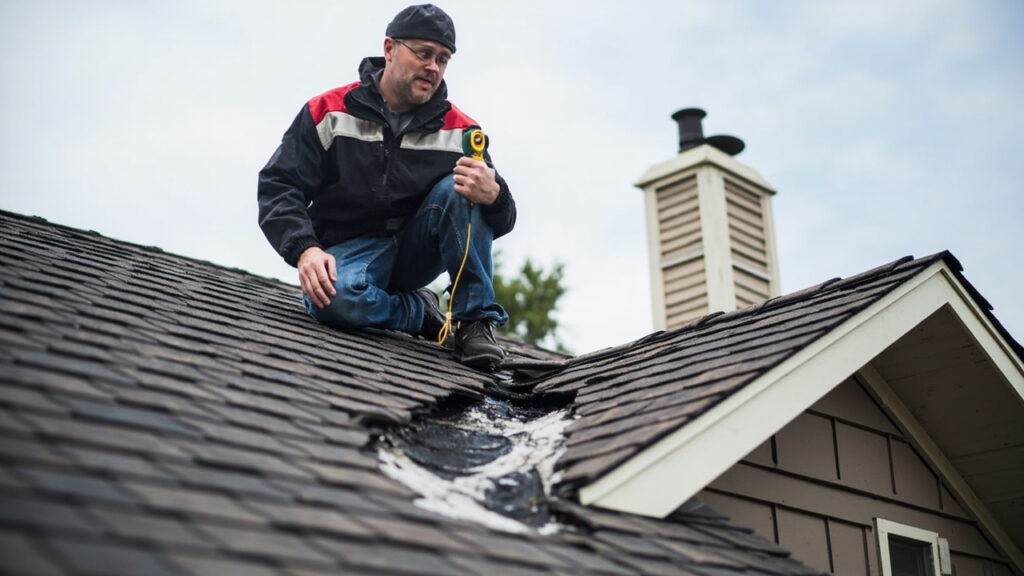
A thorough roof inspection goes far beyond a quick visual check from the ground. Certified inspectors start with a perimeter assessment examining gutters for granule accumulation and downspouts for proper drainage. They check for missing or damaged flashing around roof penetrations. Reliable Gutter Installation for New Builds in Central Park.
The shingle analysis involves close examination of each roof section. Inspectors look for circular impact marks consistent with hail damage. They check for cracks in the shingle mat and assess the condition of the sealant strips that hold shingles together.
Attic inspection reveals what’s happening beneath the surface. Inspectors search for water stains on rafters and check for proper ventilation. Inadequate ventilation accelerates shingle deterioration by trapping heat and moisture.
Modern inspection tools include moisture meters that detect hidden water intrusion and drones that safely examine steep or high roofs. These technologies help identify damage that would be missed during a standard visual inspection.
Navigating Insurance Claims in Centennial
Colorado’s insurance landscape presents unique challenges for homeowners. Senate Bill 38 requires roofing contractors to provide detailed contracts and prohibits waiving deductibles. Many Centennial homeowners discover their policies have specific hail damage deductibles that are separate from their standard deductible. Roofing Sheridan.
The claims process starts with documenting damage through professional inspection reports. Insurance adjusters look for specific damage patterns that indicate storm-related deterioration versus normal wear. They examine the age of your roof and compare the replacement cost to your policy limits. How Much a Full Roof Replacement Actually Costs in Denver Right Now.
Common pitfalls include missing the filing deadline. Most policies require notification within one year of the damage occurring. Some Centennial homeowners affected by the 2023 spring storms are now outside their filing window.
Working with adjusters requires preparation. Professional roofing companies provide detailed damage assessments that include measurements, photographs, and repair estimates. This documentation helps ensure you receive fair compensation for necessary repairs.
Centennial Building Codes and Permit Requirements
Arapahoe County enforces specific building standards that affect roof replacements. The 2021 International Residential Code requires ice and water shield installation in valleys and along eaves where ice dams commonly form. This underlayment provides an extra layer of protection against water infiltration. National Roofing Contractors Association.
Drip edge installation is mandatory along all roof edges. This metal flashing directs water away from fascia boards preventing rot and extending the life of your roof system. Many older Centennial homes lack this critical component.
Permit requirements vary by project scope. Simple repairs under 100 square feet typically don’t require permits. Complete roof replacements require permits that ensure compliance with current building standards. The Centennial Building Division inspects all major roofing projects. Industrial Roof Replacement.
Impact-resistant shingles earn insurance premium discounts in many Centennial neighborhoods. Class 4 shingles withstand hail impacts that would damage standard shingles. While they cost more upfront the long-term savings on insurance and reduced damage frequency often justify the investment.. Read more about Getting Your Denver Roof Insurance Claim Approved Without the Stress.
Emergency Preparedness for Centennial Homeowners
Storm preparation starts before the first hailstone falls. Keep your gutters clean and free of debris. Clogged gutters cause water to back up under shingles creating the perfect conditions for leaks. Check that downspouts direct water at least five feet away from your foundation. Fixing Flat Roof Leaks in LoHi and Modern Denver Homes.
Trim trees near your home. Overhanging branches damage shingles during high winds and provide a path for squirrels and raccoons to access your roof. Remove dead trees that could fall during storms.
Maintain your attic ventilation. Proper airflow prevents heat buildup that accelerates shingle deterioration. Check that soffit vents aren’t blocked by insulation and that ridge vents function correctly.
Keep documentation of your roof’s condition. Photos taken before storm season provide baseline evidence if you need to file an insurance claim. Document the age of your roof and any previous repairs.. Read more about How to Spot a ‘Storm Chaser’ Before You Sign a Contract in Broomfield.
Cost Factors for Storm Damage Repairs
Repair costs vary significantly based on damage extent and roof complexity. Simple shingle replacement runs $300 to $500 per square but that’s only part of the equation. Underlayment replacement adds $150 to $250 per square. Flashing repair ranges from $200 to $600 depending on accessibility.
Roof pitch affects labor costs. Steep roofs require additional safety equipment and slow installation. A 12:12 pitch roof costs 30% more to repair than a standard 4:12 pitch.
Material selection impacts both upfront costs and long-term performance. Architectural shingles cost 20% more than three-tab shingles but last 10 to 15 years longer. Impact-resistant shingles cost 30% more but may pay for themselves through insurance savings.
Emergency services carry premium pricing. After-hours calls and weekend work typically add 50% to standard rates. However waiting until Monday to address active leaks often results in exponentially higher repair costs.
Choosing the Right Roofing Contractor in Centennial
Local experience matters more than you might think. Centennial’s specific weather patterns, building codes, and insurance requirements require specialized knowledge. Contractors familiar with the area understand the unique challenges of Front Range roofing.
Verify credentials before hiring. Colorado requires roofing contractors to carry general liability insurance and workers’ compensation coverage. Ask for proof of both. Check with the Colorado Department of Regulatory Agencies to confirm licensing status.
Manufacturer certifications indicate quality. GAF Master Elite and Owens Corning Platinum Preferred contractors meet strict installation standards and offer enhanced warranties. These certifications require ongoing training and quality control measures.
Local references provide insight into contractor reliability. Ask for projects completed in your neighborhood within the past year. Contact references and ask about communication, cleanup, and warranty service.
Maintenance Schedule for Centennial Roofs
Seasonal maintenance prevents minor issues from becoming major problems. Spring inspection identifies winter damage from ice dams and snow loads. Check for lifted shingles, damaged flashing, and granule loss in gutters.
Summer maintenance focuses on ventilation and UV protection. Clean debris from roof surfaces and check that attic ventilation functions properly. Trim trees that could damage shingles during summer storms.
Fall preparation involves gutter cleaning and inspection of sealants around penetrations. Replace any damaged shingles before winter weather arrives. Check that ice and water shield remains intact in vulnerable areas.
Winter vigilance means monitoring for ice dam formation. Use a roof rake to remove snow from the bottom three feet of your roof after heavy storms. Never use sharp tools that could damage shingles.
Frequently Asked Questions
How can I tell if my roof has hail damage?
Look for circular marks on shingles where granules are missing. Check gutters for accumulated granules which appear as coarse sand. Inside your home watch for water stains on ceilings or walls especially after storms.
How long do I have to file an insurance claim after a storm?
Most policies require notification within one year of the damage occurring. Some Centennial homeowners affected by the 2023 spring storms are now outside their filing window. Document damage immediately and contact your insurance company promptly.
Should I get multiple estimates for roof repairs?
Yes but be cautious of extremely low bids. Quality materials and proper installation affect your roof’s longevity. Compare estimates based on materials specified, warranty offered, and contractor credentials rather than price alone.
What’s the difference between repair and replacement?
Repairs address specific damaged areas while replacement involves removing the entire roof down to the deck. Repairs cost less upfront but may not address underlying issues. Replacement provides a fresh start with new materials and warranties.
How long does a typical roof replacement take?
Most residential replacements complete in two to three days depending on weather and roof complexity. Simple gable roofs with easy access install faster than complex designs with multiple valleys and penetrations.
Are impact-resistant shingles worth the extra cost?
Class 4 impact-resistant shingles cost 30% more but may pay for themselves through insurance savings and reduced damage frequency. They’re particularly valuable in Centennial where hail storms occur regularly.
What permits are required for roof replacement in Centennial?
Complete roof replacements require permits from the Centennial Building Division. Simple repairs under 100 square feet typically don’t require permits. Your contractor should handle permit acquisition and inspections.
How often should I have my roof inspected?
Annual inspections identify minor issues before they become major problems. Schedule inspections after severe storms and before winter to ensure your roof is prepared for seasonal challenges.
Take Action Before the Next Storm Hits
Colorado’s weather patterns aren’t changing. Hail storms will continue to threaten Centennial homes. The question isn’t if the next storm will hit but whether your roof will be ready when it does.
Don’t wait for water to stain your ceiling or for shingles to blow off during the next wind event. A professional inspection identifies vulnerabilities before they become emergencies. The cost of prevention is always less than the cost of emergency repairs.
Call Apex Roofing Denver today at (720) 484-8300 for a comprehensive storm damage inspection. Our local experts understand Centennial’s unique roofing challenges and can help you prepare for whatever Mother Nature sends our way. Don’t let the next Front Range storm catch you unprepared.
Your home deserves more than just a roof. It deserves protection that lasts through Colorado’s harshest weather. Contact us now to schedule your inspection and gain peace of mind before the next storm arrives.