





Menu

Industrial Roof Replacement in Denver | Minimize Downtime, Maximize Building Performance

Large-scale industrial re-roofing for warehouses, factories, and distribution centers across the Denver metro, engineered to keep your operations running with minimal disruption and code-compliant execution.

Slider Image 1
Slider Image 2
Slider Image 3
Slider Image 4
Slider Image 5
Slider Image 7
Slider Image 8
Slider Image 9
Slider Image 10
Slider Image 11

Why Denver's Extreme Freeze-Thaw Cycles Destroy Industrial Roofing Systems Faster

Denver's altitude and temperature swings create a punishing environment for warehouse roof replacement and commercial flat roof replacement systems. In a single winter week, your facility can experience morning temperatures at 12 degrees and afternoon highs near 55. Water infiltrates membrane seams, expands when frozen, and contracts when thawed. Repeat this cycle 40 to 60 times per season, and you get catastrophic failure in TPO, EPDM, and modified bitumen systems.

Factory roof replacement becomes urgent when ponding water starts collecting in low spots. Denver's clay soil shifts over time, settling foundation footings and creating uneven roof planes. That standing water freezes, expands, and tears seams apart. Add Denver's 300 days of intense UV radiation at 5,280 feet, and you accelerate membrane degradation by years compared to lower elevations.

For distribution centers and manufacturing facilities in Commerce City, Montbello, or near Denver International Airport, this means one thing: your roof is aging faster than its rated lifespan. Commercial roof replacement cannot wait until leaks damage inventory or disrupt production schedules. The warning signs appear early. Blistering membranes, separated seams, rusted fasteners, and failed flashing around HVAC curbs all signal trouble.

Industrial re-roofing is not a cosmetic issue. It is a liability exposure. Water intrusion triggers mold growth, compromises structural decking, and damages electrical systems. Business interruption insurance only covers so much. You need a partner who understands the specific load requirements, fire ratings, and drainage codes that govern industrial facilities in Denver County and Adams County.

Why Denver's Extreme Freeze-Thaw Cycles Destroy Industrial Roofing Systems Faster
How Apex Roofing Denver Executes Industrial Roof Replacement Without Halting Your Operations

How Apex Roofing Denver Executes Industrial Roof Replacement Without Halting Your Operations

Industrial re-roofing demands precision planning. You cannot shut down production for three weeks while crews tear off 80,000 square feet of roofing. Apex Roofing Denver phases warehouse roof replacement projects to keep critical operations running. We section the roof into zones, coordinate with your facility managers, and schedule tear-off during low-activity shifts.

We start with a full structural deck inspection. Many factory roof replacement projects reveal hidden rot in wood decking or corrosion in metal panels. We document every deficiency with thermal imaging and moisture mapping before submitting our scope. This prevents change orders and budget surprises mid-project.

Material selection matters at this scale. TPO offers strong heat-weld seams and high UV resistance, critical for Denver's sun exposure. EPDM provides flexibility during freeze-thaw cycles but requires experienced installers to avoid fish-mouth seams. Modified bitumen works well for facilities with heavy rooftop equipment because it resists punctures. We match the membrane system to your building use, traffic patterns, and equipment loads.

Our crews install tapered insulation systems to eliminate ponding water, the leading cause of premature commercial flat roof replacement. Proper drainage extends membrane life by 40 percent in Denver's climate. We integrate cricket systems around HVAC units, upgrade roof drains to handle spring snowmelt, and install edge metal that meets wind uplift codes for Front Range wind events.

Fire ratings are non-negotiable. Denver requires Class A fire-rated assemblies for most industrial facilities. We submit permit drawings, coordinate inspections with Denver Building and Fire Prevention, and ensure every penetration and flashing detail meets commercial code. Your certificate of occupancy depends on compliant execution.

What Happens During Your Industrial Roof Replacement Project

Industrial Roof Replacement in Denver | Minimize Downtime, Maximize Building Performance
01

Pre-Construction Planning and Logistics

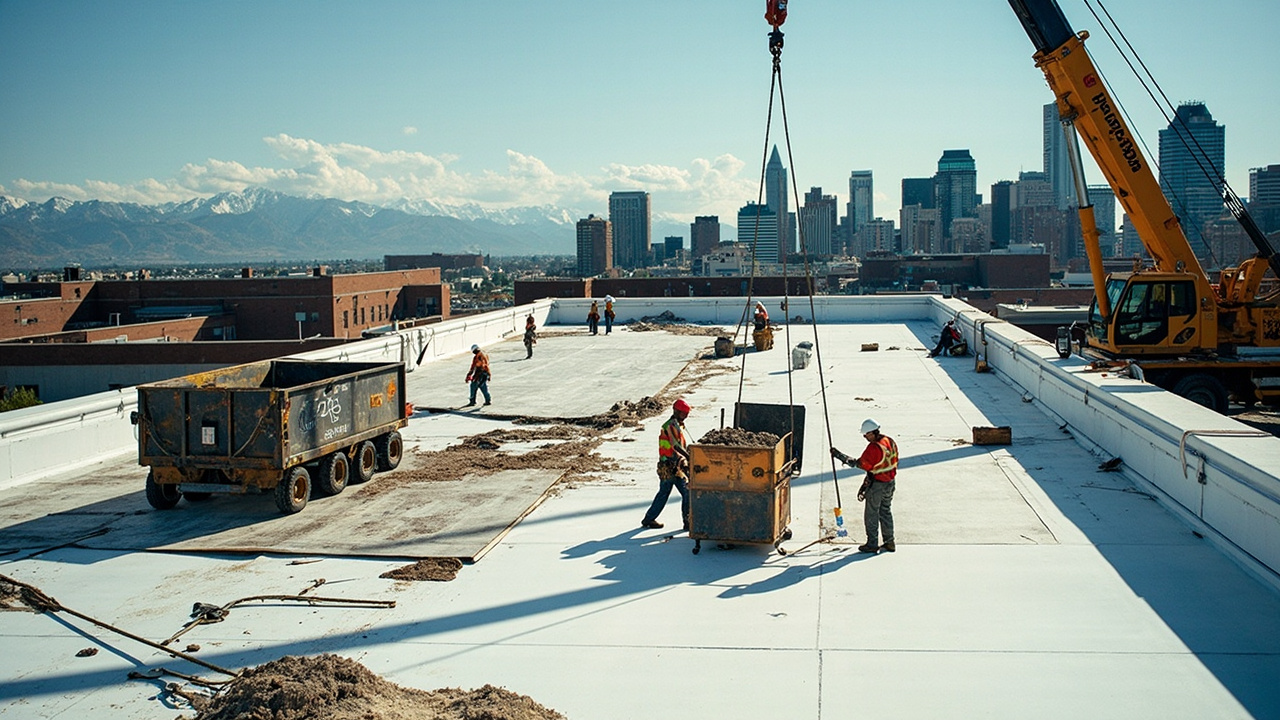
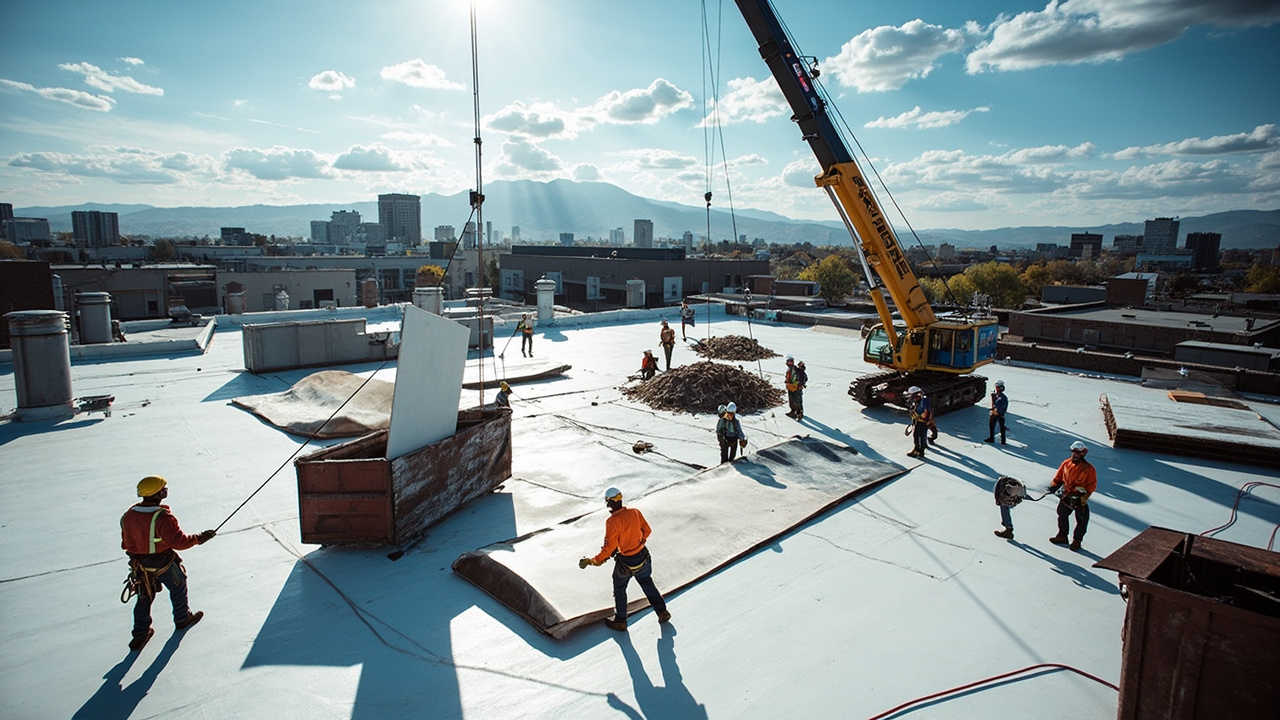
We meet with your operations team to map production schedules, identify sensitive areas, and establish safety protocols. Our project manager walks the roof with your facility lead, marks equipment that stays in place, and plans crane access points. We submit a phased schedule that minimizes disruption, coordinate dumpster placement away from loading docks, and arrange after-hours work for noisy tear-off phases. You receive a detailed timeline before the first crew arrives.
02

Tear-Off and Deck Preparation

Our crews remove existing membrane, insulation, and damaged decking in controlled sections. We install temporary weather protection if rain threatens exposed areas. All structural repairs happen immediately. We replace rotted plywood, reinforce purlins, and upgrade fastener patterns to current wind load standards. The deck is power-washed, dried, and inspected before new insulation goes down. Every penetration receives a steel reinforcement plate. You get a roof built to last 20-plus years in Denver's climate.
03

Final Inspection and Handoff

After membrane installation, we perform a flood test on all sections, checking for proper drainage and leak-free seams. Denver Building inspectors verify fire ratings, edge metal attachments, and code compliance. We walk the roof with your team, explain maintenance requirements, and document warranty activation. You receive as-built drawings, material certifications, and a maintenance manual. We schedule annual inspections to catch small issues before they become expensive problems.

Why Denver Facility Managers Choose Apex Roofing Denver for Commercial Roof Replacement

Industrial facilities cannot afford rework. When you replace a 60,000-square-foot roof, it must perform immediately. Apex Roofing Denver has completed factory roof replacement projects for distribution centers in North Denver, manufacturing plants in Commerce City, and cold storage facilities near I-70 and I-76. We understand the logistical challenges of keeping a business running during major construction.

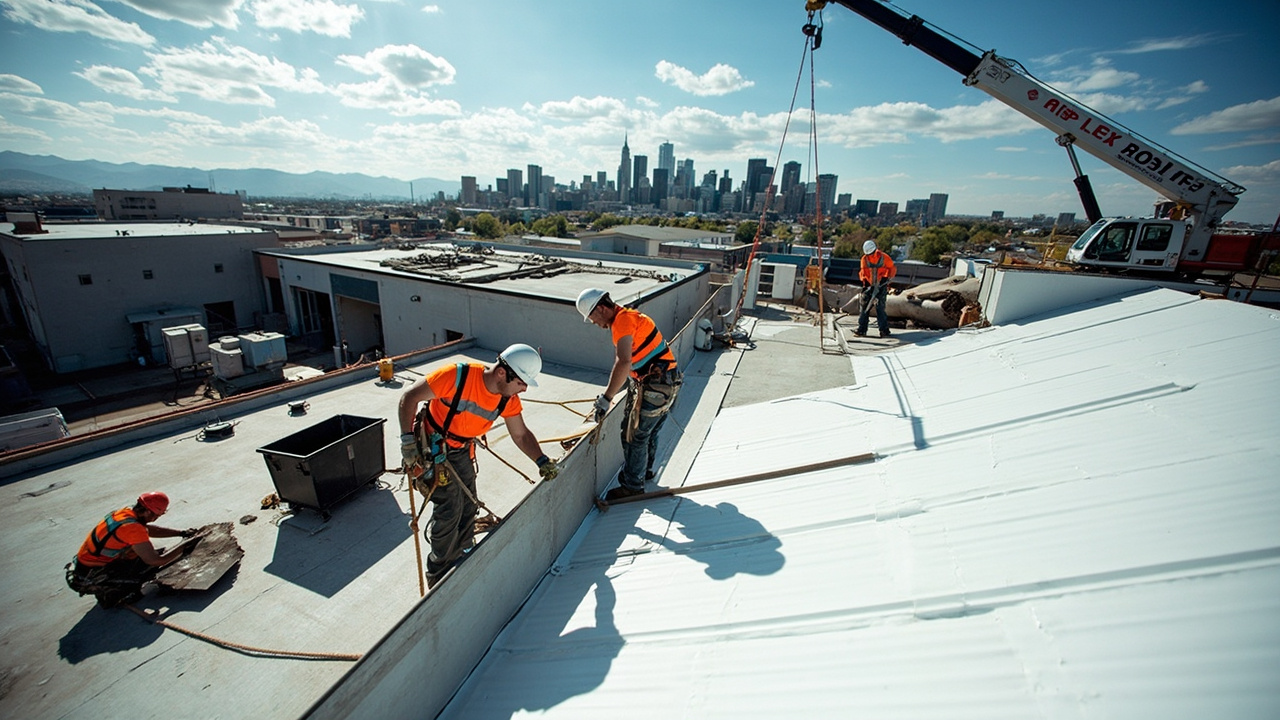
Our crews are trained in confined space protocols, fall protection, and hot work permits. We coordinate with your safety manager, attend daily toolbox talks, and follow your facility-specific rules. Many industrial sites require background checks, drug screening, and specific insurance limits. We meet those requirements before mobilization.

Denver's building codes evolve constantly. The 2021 International Building Code increased wind uplift requirements for commercial structures in high-wind zones, which includes much of Adams County and eastern Denver County. Apex Roofing Denver stays current with code changes, attends trade association meetings, and maintains relationships with city inspectors. We pull permits, schedule inspections, and handle all compliance paperwork.

We also understand Denver's seasonal constraints. Spring snowmelt can delay starts. Summer hailstorms can damage newly installed roofs before final inspection. Fall offers the best weather window, but it closes fast. We schedule projects around these realities and keep backup crews available if weather pushes timelines.

You need a commercial roofing partner who can mobilize quickly, source materials without delays, and complete work on schedule. Warehouse roof replacement projects require staging areas, crane access, and sometimes street closures. We handle the logistics so you can focus on running your business. Our project managers communicate daily, not weekly. You always know where the job stands.

What to Expect During Your Industrial Roof Replacement Project

Project Timeline and Scheduling

Most industrial re-roofing projects take four to eight weeks, depending on square footage and complexity. We phase work to avoid disrupting your operations. Tear-off happens in sections, with temporary weather protection installed each evening. If your facility runs 24/7, we schedule noisy work during shift changes or weekends. Weather delays are possible in Denver, especially during spring and late fall. We build buffer time into schedules and keep crews on standby to accelerate work during good weather windows. You receive weekly progress updates and a 72-hour notice before major milestones like crane deliveries or utility shutdowns.

Pre-Project Assessment and Structural Analysis

Before quoting any factory roof replacement project, we perform a full structural assessment. Our estimators walk the roof, take core samples, and use infrared cameras to map moisture intrusion. We check for adequate slope, evaluate existing drainage systems, and inspect all penetrations and flashing details. You receive a written report documenting current conditions, code deficiencies, and recommended repairs. This assessment prevents hidden costs and ensures accurate budgeting. We also review your building's load capacity to confirm it can support new insulation and membrane weight, especially if you plan to add rooftop solar panels or HVAC upgrades later.

Quality Control and Performance Standards

Every warehouse roof replacement project receives third-party inspections at critical phases. We test seam strength, verify insulation R-values, and flood-test all sections before final closure. Our crews follow manufacturer installation guidelines to protect material warranties. You get a roof built to withstand Denver's 90 mph wind gusts, heavy snow loads, and extreme temperature swings. We document every phase with photos and reports, creating a permanent record for your facility files. Final walkthrough happens with your team present. We explain maintenance requirements, mark all roof penetrations, and leave you with a maintenance manual tailored to your specific roof system.

Warranty Coverage and Ongoing Maintenance

Material warranties on TPO, EPDM, and modified bitumen systems vary by manufacturer but typically range from 15 to 30 years. Workmanship warranties cover installation defects and are typically provided for five to 10 years. Apex Roofing Denver offers maintenance agreements that include annual inspections, minor repairs, and drain cleaning. Regular maintenance extends roof life and keeps warranties valid. Denver's hailstorms can damage even new roofs, so we recommend post-storm inspections after severe weather events. We document all maintenance visits and provide reports for your records. Proactive care prevents small problems from becoming urgent commercial roof replacement projects.

Frequently Asked Questions

You Have Questions,
We Have Answers

How Denver's High Altitude and UV Exposure Accelerate Industrial Roof Degradation

At 5,280 feet, Denver receives 25 percent more UV radiation than coastal cities at sea level. This accelerated UV exposure breaks down roofing membranes faster, causing brittleness, cracking, and premature failure. TPO and EPDM systems rated for 20 years at sea level may only last 15 years in Denver without proper UV inhibitors. Combine this with freeze-thaw cycles that can reach 60 events per winter, and you create the perfect conditions for catastrophic warehouse roof replacement needs. Industrial facilities with large, flat roofs and minimal shade coverage face the worst exposure. Regular inspections catch UV damage early, before small cracks become major leaks that threaten inventory and equipment.

Denver's building codes reflect these harsh conditions. Commercial flat roof replacement projects must meet strict wind uplift standards due to Front Range chinook winds and spring downslope events. The Denver Building Department requires engineered drawings for roofs over 10,000 square feet, and inspectors verify fastener patterns, edge metal attachments, and fire ratings. Apex Roofing Denver maintains active relationships with city inspectors and stays current with code updates. We pull permits, coordinate inspections, and ensure your industrial re-roofing project passes on the first review. Local expertise matters when you are investing hundreds of thousands in a new roof system.

Roofing Services in The Denver Area

Looking for trusted roofing services near you? Apex Roofing Denver proudly serves homeowners and businesses across the greater Denver area with expert roof repairs, replacements, inspections, and storm damage restoration. From Aurora to Lakewood and Thornton to Centennial, our experienced roofing team is ready to deliver fast, dependable solutions. Use the map below to explore our service areas and find top-rated roofing help near your neighborhood.

Address:
Apex Roofing Denver, 2301 Blake St, Denver, CO, 80205

Additional Services We Offer

Our news updates

Latest Articles & News from The Blogs

Lorem ipsum dolor sit amet. Aut expedita quaerat quo eligendi numquam et laudantium perspiciatis qui minima expedita rem consequatur ducimus.…

Test Blog 4

Lorem ipsum dolor sit amet. Aut expedita quaerat quo eligendi numquam et laudantium perspiciatis qui minima expedita rem consequatur ducimus.…

Test Blog 3

Lorem ipsum dolor sit amet. Aut expedita quaerat quo eligendi numquam et laudantium perspiciatis qui minima expedita rem consequatur ducimus.…

Test Blog 2

Lorem ipsum dolor sit amet. Aut expedita quaerat quo eligendi numquam et laudantium perspiciatis qui minima expedita rem consequatur ducimus.…

Contact Us

Do not wait until leaks disrupt production. Call Apex Roofing Denver at (720) 484-8300 for a comprehensive roof evaluation. We provide detailed quotes, phased timelines, and solutions that keep your facility operational during construction.