
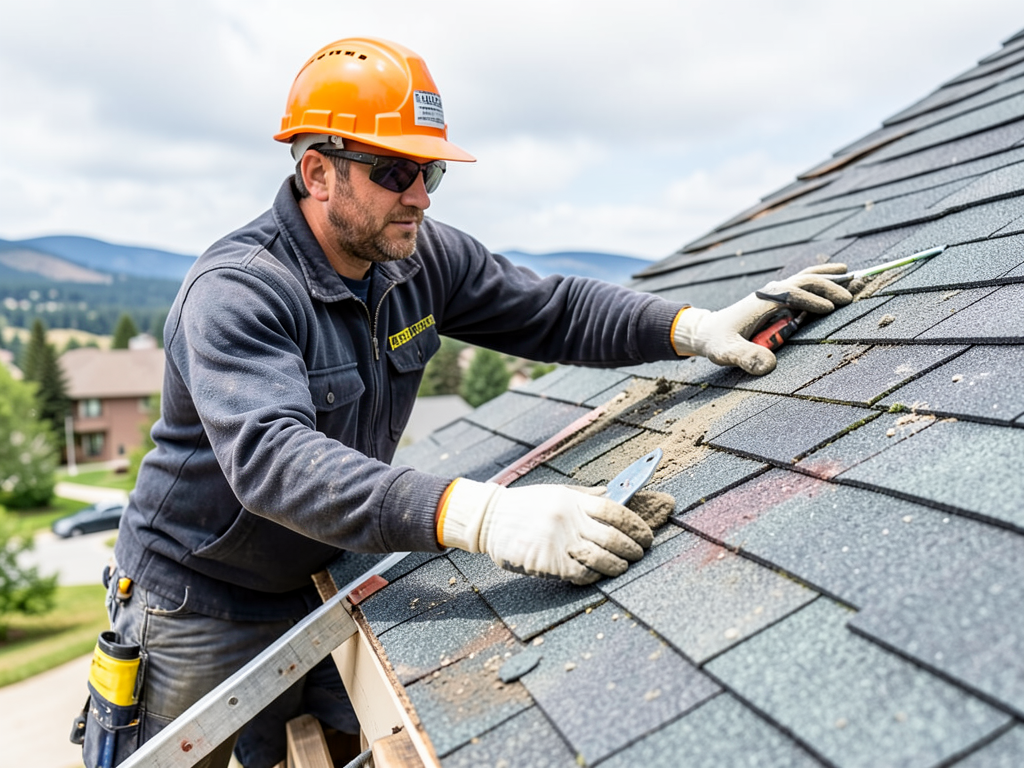
How to Protect Your Green Valley Ranch Roof During Nearby Construction and Dust Storms
Your roof faces constant assault from Denver’s climate. When construction projects erupt nearby the threat multiplies. Construction dust carries microscopic silica particles that embed in shingle granules. These particles grind against asphalt like sandpaper during wind storms. The Front Range’s frequent gusts accelerate this damage process. Denver Construction Dust Control Regulations.
Green Valley Ranch residents face unique challenges. This master-planned community continues expanding rapidly. New developments generate enormous amounts of concrete dust and silica particles. These materials settle on nearby roofs and create long-term problems.
Construction dust damages roofs through multiple mechanisms. The particles are typically 2.5 to 10 microns in size. This allows them to penetrate microscopic gaps in shingle surfaces. Once embedded they create abrasive contact points that wear down protective granules.
Denver’s high-altitude UV exposure compounds the problem. When construction dust covers your roof it reduces the shingles’ ability to reflect sunlight. This increases surface temperatures by 15 to 20 degrees Fahrenheit. Higher temperatures accelerate asphalt degradation and shorten roof lifespan. Denver Air Quality Information.
How Construction Dust Physically Damages Denver Roofs
Construction dust creates several types of damage on Denver roofs. The most obvious is granule loss. Asphalt shingles rely on ceramic-coated granules for UV protection. When dust particles abrade these surfaces granules loosen and wash away during rain.
Denver’s freeze-thaw cycles worsen this damage. Water seeps into gaps created by missing granules. When temperatures drop below freezing this water expands and creates cracks. These cracks allow moisture penetration that leads to leaks and rot. Fixing Flat Roof Leaks in LoHi and Modern Denver Homes.
Dust accumulation also affects roof ventilation. Most Denver homes use ridge and soffit vents for attic cooling. Construction dust clogs these vents reducing airflow by up to 60 percent. Poor ventilation causes attic temperatures to rise above 140 degrees Fahrenheit in summer.
High attic temperatures create several problems. They warp roof decking and accelerate shingle aging. They also increase cooling costs as your air conditioner works harder to combat the heat. Ice dam formation becomes more likely during winter months.
The Science of Abrasion: Dust Wind and Asphalt Shingles
Construction dust contains sharp silica particles. These particles have Mohs hardness ratings between 6 and 7. Asphalt shingles have hardness ratings around 2.5. This means dust particles can easily scratch and wear down shingle surfaces.
Wind amplifies this abrasive effect. Denver experiences average wind speeds of 12 miles per hour. During construction season gusts often exceed 25 miles per hour. These winds carry dust particles that repeatedly strike roof surfaces.
The impact creates microscopic scratches. These scratches remove protective granules and expose the underlying asphalt. Exposed asphalt degrades faster under UV radiation. This creates a cycle of accelerating damage.
Temperature fluctuations in Green Valley Ranch worsen the problem. Summer highs often exceed 90 degrees Fahrenheit. Winter lows drop below 20 degrees. This 70-degree temperature swing causes materials to expand and contract. Dust-filled cracks widen with each cycle.
Construction dust also contains chemical contaminants. Cement dust is alkaline with pH levels around 12.5. This alkalinity can react with asphalt compounds. Over time these chemical reactions break down shingle adhesives and create weak points.
Impact on Drainage: Why Dust Leads to Gutter Failure and Ponding
Dust accumulation affects your entire drainage system. When dust settles on your roof it eventually washes into gutters during rain. This creates several problems that compound over time. Reliable Gutter Installation for New Builds in Central Park.
First dust combines with organic debris to form a cement-like sludge. This sludge blocks downspouts and creates standing water. Standing water adds weight to your roof structure. Most residential roofs are designed for 20 pounds per square foot of snow load. Wet sludge can exceed this weight.
Second dust-filled gutters overflow during heavy rain. This overflow damages fascia boards and creates water intrusion points. Water that cascades over clogged gutters can erode soil around your foundation.
Third dust accumulation in roof valleys creates damming effects. Water backs up behind these dust dams and finds alternate paths under shingles. This leads to leaks that may not show up until significant damage occurs.
Denver’s clay soil exacerbates drainage problems. When Green Valley Ranch was developed expansive bentonite clay was common. This soil expands when wet and contracts when dry. Dust-filled drainage systems prevent proper water diversion away from foundations.
The Front Range’s intense rainfall patterns create additional stress. Denver averages 15 inches of precipitation annually. Most falls during spring and summer thunderstorms. These concentrated bursts overwhelm dust-compromised drainage systems.
Denver’s Climate Factor: UV Exposure and Dust Accumulation
Denver’s elevation creates unique challenges for roof protection. At 5280 feet above sea level UV radiation is 25 percent stronger than at sea level. This intense radiation accelerates material degradation.
When construction dust covers your roof it creates a thermal blanket effect. Clean asphalt shingles reflect about 20 percent of incoming solar radiation. Dust-covered shingles reflect only 5 to 10 percent. This means they absorb 90 to 95 percent of solar energy.
The absorbed energy converts to heat. Surface temperatures on dust-covered roofs often exceed 170 degrees Fahrenheit. Clean roofs typically stay below 150 degrees. This 20-degree difference significantly impacts material longevity.
Denver’s climate also features rapid temperature changes. It’s common to experience 40-degree swings in a single day. These swings cause materials to expand and contract at different rates. Dust-filled cracks widen more quickly than clean surfaces.
Winter presents additional challenges. Denver averages 57 inches of snow annually. Snow insulates roofs and traps dust against shingle surfaces. This creates prolonged exposure to moisture and freeze-thaw cycles.
Spring brings intense UV exposure combined with construction season. This timing maximizes roof vulnerability. New construction projects generate peak dust levels just as UV radiation intensifies.
Signs Your Roof Has Sustained Damage from Nearby Construction
Identifying construction dust damage requires careful observation. Many problems develop gradually and remain hidden until major repairs become necessary.
Start with visual inspection from ground level. Look for dark streaks or discoloration on your roof surface. These often indicate dust accumulation. Pay special attention to areas near construction sites or prevailing wind paths.
Check your gutters for unusual sediment. Construction dust creates a fine gray powder that differs from normal organic debris. This powder often accumulates in corners and downspout outlets.
Examine shingle edges for granule loss. Run your hand gently across shingle surfaces. If you collect more than a tablespoon of granules from a 100-square-foot area significant wear has occurred.
Look for moss or algae growth. Construction dust provides nutrients that support organic growth. Dark streaks or green patches indicate moisture retention problems.
Check your attic for temperature differences. Construction dust blocking vents creates hot spots. Use a thermometer to compare temperatures at different locations. Variations exceeding 10 degrees suggest ventilation problems.
Listen for unusual sounds during wind storms. Loose shingles or damaged flashing often create rattling noises. These sounds indicate structural integrity problems that dust damage may have caused.
Monitor your energy bills. Construction dust reducing ventilation efficiency forces HVAC systems to work harder. Unexplained increases in cooling costs often indicate roof ventilation problems.
Steps to Take: Cleaning vs Professional Inspection
Addressing construction dust damage requires choosing between DIY cleaning and professional assessment. Each approach has distinct advantages and risks.
DIY cleaning seems cost-effective but carries significant risks. Using pressure washers on asphalt shingles voids most warranties. High-pressure water forces moisture under shingles and damages protective layers.
Safe DIY methods include gentle brushing with soft-bristle tools. Work from roof ridge toward eaves. Use garden hose spray rather than pressure washers. Avoid walking on steep slopes where slip hazards exist.
Professional cleaning offers several advantages. Technicians use specialized equipment designed for roof surfaces. They understand material-specific cleaning requirements. They also carry insurance for ladder and roof access accidents.
Professional inspections provide comprehensive damage assessment. Trained roofers identify problems invisible to untrained eyes. They document damage with photos and measurements. This documentation proves valuable for insurance claims.
Consider professional inspection if you notice any of these conditions: granule loss exceeding 25 percent of surface area visible sagging or structural deformation water stains on interior ceilings or energy bills increasing more than 15 percent.
Timing matters for both approaches. Schedule cleaning during dry weather to prevent moisture-related complications. Morning hours often provide best conditions as surfaces haven’t heated up yet.
Protect yourself during any roof work. Use proper fall protection equipment. Work with a partner who can assist if problems arise. Avoid working alone on steep or high roofs.
Protecting Your Warranty and Insurance Claims
Construction dust damage creates complex warranty and insurance issues. Most roofing warranties exclude damage from environmental factors. However some circumstances may qualify for coverage. Roofing Sheridan.
Manufacturer warranties typically cover material defects and installation errors. They rarely cover damage from construction dust or normal weathering. However if dust accumulation accelerates normal wear patterns you might have grounds for partial claims.
Review your warranty documents carefully. Look for clauses about maintenance requirements and environmental exclusions. Some warranties require annual inspections to remain valid. Others specify cleaning methods that won’t void coverage.
Insurance coverage depends on your specific policy and damage circumstances. Standard homeowners policies cover sudden accidental damage. They rarely cover gradual deterioration from environmental factors.
However if construction dust damage results from a specific incident coverage might apply. Examples include debris from a neighboring building collapse or damage from construction equipment accidents.
Document everything if you pursue claims. Take dated photos showing damage progression. Keep receipts for any cleaning or repair attempts. Obtain professional inspection reports that detail damage extent and causes.
Colorado law requires contractors to control dust emissions. The Colorado Department of Public Health and Environment enforces dust control regulations. If nearby construction violates these regulations you might have additional legal recourse. Colorado Dust Control Guidelines.
Consider consulting with a public adjuster for complex claims. These professionals understand insurance company tactics and can help maximize your settlement. Their services typically cost 10 to 15 percent of the claim amount.
Prevention often proves more cost-effective than repairs. Install gutter guards to reduce debris accumulation. Trim trees to minimize leaf litter that combines with dust. Consider applying protective coatings that resist dust adhesion.
Denver Building Code Requirements and Construction Dust
Denver enforces strict building codes that affect roof protection. The Denver Building Code requires specific materials and installation methods based on climate zone classifications.
Denver falls in Climate Zone 5 which experiences severe winter conditions. Roofs must withstand 30 pounds per square foot of snow load. They must also resist wind uplift forces of 90 miles per hour.
Construction dust can compromise these structural requirements. Accumulated dust adds weight to roof surfaces. It also creates moisture retention that accelerates material degradation.
The Denver Green Building Ordinance affects commercial properties. This ordinance requires cool roof materials that reflect solar radiation. Construction dust negates these reflective properties potentially creating compliance issues.
Denver requires permits for most roofing work. These permits ensure compliance with current building codes. Unpermitted work might void insurance coverage or create liability issues. Roofing Englewood.
Local contractors must maintain specific licenses and insurance. The City of Denver requires roofing contractors to carry general liability and workers’ compensation insurance. Verify these credentials before hiring any contractor.
Denver’s noise ordinances affect construction scheduling. Most construction activities must stop by 7 PM on weekdays. These restrictions sometimes lead to rushed work that creates more dust than properly scheduled projects.
The city maintains dust control requirements for construction sites. These requirements include water spraying wind barriers and debris containment. Report violations to the Denver Department of Public Health and Environment.
Denver’s rapid growth creates additional challenges. The city issues over 2000 building permits monthly. This construction volume increases dust exposure risks for nearby properties.
Material-Specific Protection Strategies
Different roofing materials require different protection approaches. Understanding your specific material helps you implement effective protection strategies.
Asphalt shingles dominate Denver residential roofing. These materials resist UV radiation through ceramic granules. Construction dust abrades these granules reducing protection effectiveness.
For asphalt shingles gentle cleaning works best. Use low-pressure washing or soft brushing. Avoid harsh chemicals that might damage protective coatings. Consider applying algae-resistant treatments after cleaning.
Metal roofing offers excellent durability but requires different care. Construction dust can create galvanic corrosion when combined with moisture. Use pH-neutral cleaners and avoid abrasive scrubbing.
TPO and EPDM membranes common on flat roofs need specialized care. These synthetic materials resist many chemicals but can be damaged by petroleum-based products. Use manufacturer-recommended cleaners only.
Slate and tile roofs require professional assessment. These materials are expensive and brittle. Walking on them risks cracking. Professional cleaning prevents costly damage.
Synthetic materials like composite shingles offer good dust resistance. However they still require periodic cleaning to maintain appearance and performance. Follow manufacturer guidelines for specific products.
Green roofs or living roofs face unique challenges. Construction dust can smother plants and block drainage systems. These systems require specialized maintenance by professionals familiar with living roof care.
Consider material upgrades when replacement becomes necessary. Some newer materials offer enhanced dust resistance. Cool roof coatings can reduce heat absorption from dust accumulation. How Much a Full Roof Replacement Actually Costs in Denver Right Now.
Long-Term Protection and Maintenance Plans
Developing a comprehensive protection plan helps minimize construction dust damage. Regular maintenance prevents small problems from becoming major repairs.
Create a seasonal inspection schedule. Spring inspections identify winter damage. Summer checks monitor construction season impacts. Fall assessments prepare for winter conditions. Winter reviews ensure snow removal systems function properly.
Document all inspections with photos and notes. This documentation helps track damage progression and proves valuable for warranty claims. Note specific dates weather conditions and any unusual observations.
Establish relationships with qualified roofing professionals. Find contractors who understand Denver’s specific challenges. Verify their experience with your particular roofing material and local building codes.
Consider preventive treatments. Some products create hydrophobic surfaces that resist dust adhesion. Others provide UV protection that extends material lifespan. Professional application ensures proper coverage and effectiveness.
Monitor nearby construction projects. Early awareness allows you to implement protective measures before damage occurs. Simple steps like covering vents or temporarily sealing attic openings can prevent problems.
Budget for regular maintenance. Professional roof cleaning typically costs $300 to $600 depending on size and condition. Annual inspections range from $150 to $300. These costs prove minimal compared to major repairs.
Educate yourself about roofing systems. Understanding basic principles helps you identify problems early. Knowledge also prevents you from falling for scare tactics or unnecessary repairs.
Join neighborhood associations or online groups. These communities share information about construction projects and contractor experiences. Collective knowledge helps everyone protect their investments.
Stay informed about local development plans. The City of Denver provides information about approved projects. Early awareness allows you to prepare for increased dust exposure or traffic changes.
Emergency Response for Severe Dust Events
Sometimes construction dust events create immediate threats requiring emergency response. Knowing how to react quickly can prevent serious damage.
Monitor weather forecasts during construction season. High wind warnings combined with active construction sites create dust storm risks. Prepare by securing loose items and closing windows.
If dust clouds approach your property close all attic vents temporarily. This prevents dust infiltration into your home’s ventilation system. Use plastic sheeting and tape for effective sealing.
Document severe dust events with photos and videos. This documentation proves valuable if you need to file complaints or insurance claims. Note time date wind direction and visibility conditions.
Contact construction site managers during major dust events. Most companies want to avoid complaints and regulatory violations. They may implement additional dust control measures if notified promptly.
Report violations to appropriate authorities. The Denver Department of Public Health and Environment enforces dust control regulations. Provide specific information about violations and their impacts.
Consider temporary protective measures for severe events. Professional tarping can protect vulnerable roof areas. However improper installation might cause more damage than it prevents.
After severe events conduct immediate inspections. Look for signs of damage or debris accumulation. Document any problems with photos before cleaning or repairs begin.
Communicate with neighbors about dust events. Collective complaints carry more weight with construction companies and regulators. Shared documentation strengthens any formal complaints.
Review your insurance policy for emergency coverage. Some policies cover damage from specific events like construction accidents. Understanding your coverage helps you respond appropriately.
Keep emergency contact information readily available. This includes your roofing contractor insurance agent and relevant regulatory agencies. Quick access to these contacts speeds problem resolution.
Frequently Asked Questions
How long does construction dust stay on my roof?
Construction dust can remain on your roof for months or even years without proper cleaning. In Denver’s climate dust bonds with moisture and organic debris creating a cement-like layer that resists natural washing. Areas protected from direct rain such as roof valleys and under eaves may retain dust indefinitely. Regular cleaning every 1-2 years prevents permanent accumulation and protects your roof’s integrity.
Can construction dust void my roof warranty?
Construction dust itself typically doesn’t void manufacturer warranties but the damage it causes might. Most warranties exclude damage from environmental factors and require proper maintenance. If construction dust leads to granule loss ventilation problems or moisture damage that accelerates wear beyond normal expectations warranty claims could be denied. Always document maintenance and cleaning efforts to support any warranty claims.
How much does professional roof cleaning cost in Denver?
Professional roof cleaning in Denver typically costs between $300 and $600 for an average single-story home. Prices vary based on roof size pitch material type and contamination level. Complex roofs or those with severe dust accumulation may cost more. Commercial properties often pay $0.15 to $0.30 per square foot. Always verify that cleaning methods won’t void your warranty before proceeding.
Who is responsible for construction dust damage to my roof?
Responsibility depends on the specific circumstances and local regulations. Construction companies must follow Colorado Department of Public Health and Environment dust control regulations. If they violate these rules and cause damage they may be liable. However proving causation often proves difficult. Your homeowners insurance might cover sudden accidental damage but rarely covers gradual deterioration. Consulting with a public adjuster can help determine your best course of action.
How can I tell if construction dust has damaged my roof’s ventilation?
Signs of ventilation problems include hot attic temperatures (above 130°F in summer) ice dam formation in winter unexplained increases in cooling costs and moisture problems like mold growth. You can check vents visually for dust blockage but professional inspection provides more accurate assessment. A qualified roofer can measure airflow and identify specific ventilation issues caused by construction dust accumulation.
{
“@context”: “https://schema.org”,
“@type”: “BlogPosting”,
“headline”: “How to Protect Your Green Valley Ranch Roof During Nearby Construction and Dust Storms”,
“description”: “Learn how construction dust damages Denver roofs and discover proven strategies to protect your Green Valley Ranch home from nearby building projects and dust storms.”,
“wordCount”: 3105,
“datePublished”: “2026-05-04T06:27:00.000Z”,
“dateModified”: “2026-05-04T06:27:00.000Z”,
“inLanguage”: “en-US”,
“mainEntityOfPage”: {
“@type”: “WebPage”,
“@id”: “https://apexroofingdenver.com”
},
“publisher”: {
“@type”: “LocalBusiness”,
“name”: “Apex Roofing Denver”,
“url”: “https://apexroofingdenver.com”
},
“author”: {
“@type”: “Organization”,
“name”: “Apex Roofing Denver”,
“url”: “https://apexroofingdenver.com”
},
“image”: {
“@type”: “ImageObject”,
“url”: “https://apexroofingdenver.com/wp-content/uploads/2026/03/how-to-protect-your-green-valley-ranch-roof-during-1.png”
}
}
{
“@context”: “https://schema.org”,
“@type”: “RoofingContractor”,
“name”: “Apex Roofing Denver”,
“url”: “https://apexroofingdenver.com”,
“address”: {
“@type”: “PostalAddress”,
“addressLocality”: “Denver”
},
“areaServed”: {
“@type”: “City”,
“name”: “Denver”
}
}
{
“@context”: “https://schema.org”,
“@type”: “FAQPage”,
“mainEntity”: [
{
“@type”: “Question”,
“name”: “How long does construction dust stay on my roof?”,
“acceptedAnswer”: {
“@type”: “Answer”,
“text”: “Construction dust can remain on your roof for months or even years without proper cleaning. In Denver’s climate dust bonds with moisture and organic debris creating a cement-like layer that resists natural washing. Areas protected from direct rain such as roof valleys and under eaves may retain dust indefinitely. Regular cleaning every 1-2 years prevents permanent accumulation and protects your roof’s integrity.”
}
},
{
“@type”: “Question”,
“name”: “Can construction dust void my roof warranty?”,
“acceptedAnswer”: {
“@type”: “Answer”,
“text”: “Construction dust itself typically doesn’t void manufacturer warranties but the damage it causes might. Most warranties exclude damage from environmental factors and require proper maintenance. If construction dust leads to granule loss ventilation problems or moisture damage that accelerates wear beyond normal expectations warranty claims could be denied. Always document maintenance and cleaning efforts to support any warranty claims.”
}
},
{
“@type”: “Question”,
“name”: “How much does professional roof cleaning cost in Denver?”,
“acceptedAnswer”: {
“@type”: “Answer”,
“text”: “Professional roof cleaning in Denver typically costs between $300 and $600 for an average single-story home. Prices vary based on roof size pitch material type and contamination level. Complex roofs or those with severe dust accumulation may cost more. Commercial properties often pay $0.15 to $0.30 per square foot. Always verify that cleaning methods won’t void your warranty before proceeding.”
}
},
{
“@type”: “Question”,
“name”: “Who is responsible for construction dust damage to my roof?”,
“acceptedAnswer”: {
“@type”: “Answer”,
“text”: “Responsibility depends on the specific circumstances and local regulations. Construction companies must follow Colorado Department of Public Health and Environment dust control regulations. If they violate these rules and cause damage they may be liable. However proving causation often proves difficult. Your homeowners insurance might cover sudden accidental damage but rarely covers gradual deterioration. Consulting with a public adjuster can help determine your best course of action.”
}
},
{
“@type”: “Question”,
“name”: “How can I tell if construction dust has damaged my roof’s ventilation?”,
“acceptedAnswer”: {
“@type”: “Answer”,
“text”: “Signs of ventilation problems include hot attic temperatures (above 130°F in summer) ice dam formation in winter unexplained increases in cooling costs and moisture problems like mold growth. You can check vents visually for dust blockage but professional inspection provides more accurate assessment. A qualified roofer can measure airflow and identify specific ventilation issues caused by construction dust accumulation.”
}
}
]
}
{
“@context”: “https://schema.org”,
“@type”: “BreadcrumbList”,
“itemListElement”: [
{
“@type”: “ListItem”,
“position”: 1,
“name”: “Home”,
“item”: “https://apexroofingdenver.com”
},
{
“@type”: “ListItem”,
“position”: 2,
“name”: “Blog”,
“item”: “https://apexroofingdenver.com/blog”
},
{
“@type”: “ListItem”,
“position”: 3,
“name”: “How to Protect Your Green Valley Ranch Roof During Nearby Construction and Dust Storms”
}
]
}
{
“@context”: “https://schema.org”,
“@type”: “Service”,
“serviceType”: “Roofing”,
“provider”: {
“@type”: “LocalBusiness”,
“name”: “Apex Roofing Denver”,
“url”: “https://apexroofingdenver.com”
},
“areaServed”: {
“@type”: “City”,
“name”: “Denver”
},
“description”: “Learn how construction dust damages Denver roofs and discover proven strategies to protect your Green Valley Ranch home from nearby building projects and dust storms.”
}