





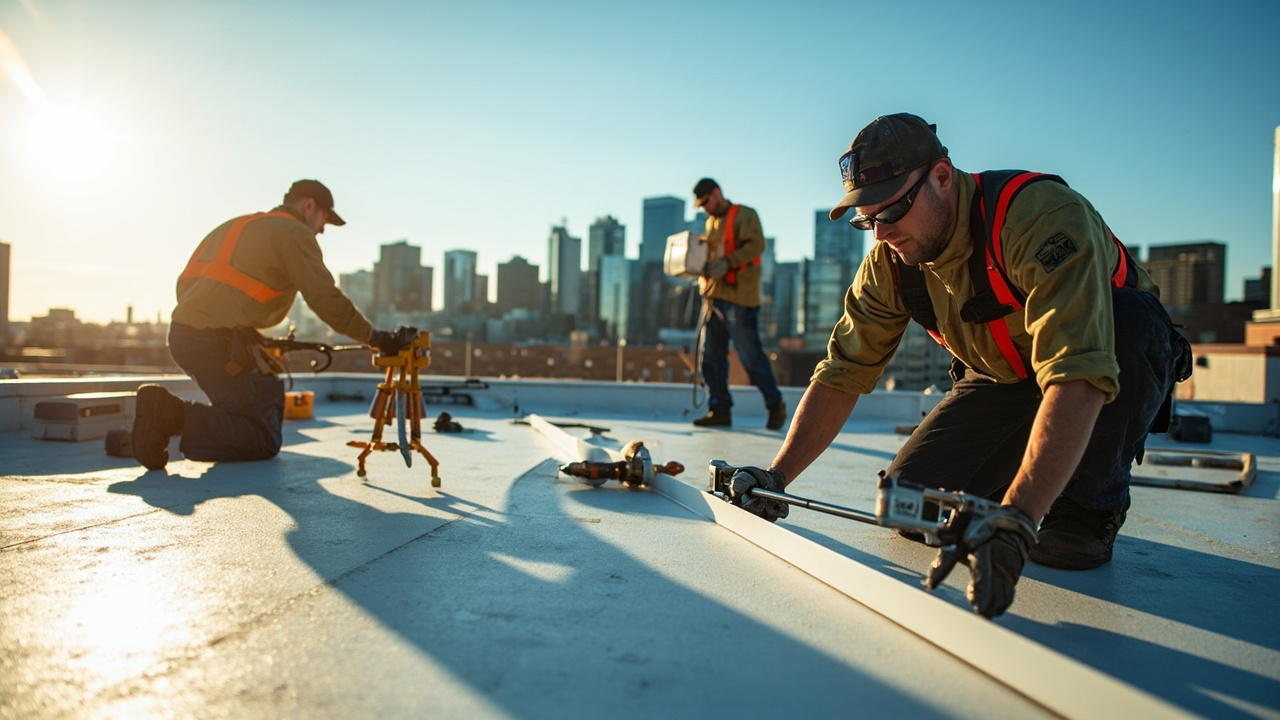

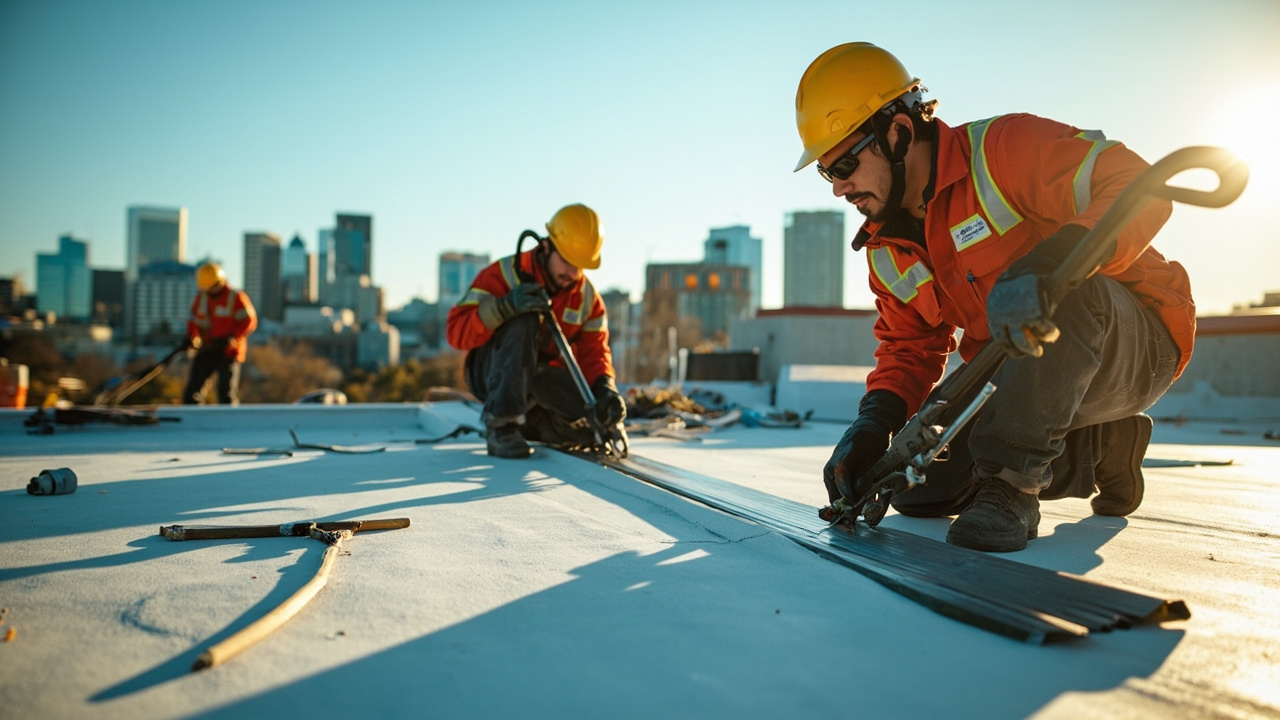
Denver ranks in the top 10 U.S. cities for hail frequency, with an average of nine hail days per year concentrated between April and August. The Front Range location creates ideal conditions for severe thunderstorm development, where warm plains air collides with cold mountain downdrafts. These storms produce golf ball to baseball-sized hail that punctures standard TPO membranes, cracks EPDM rubber, and destroys the granulated surfaces on modified bitumen systems. Flat roofing solutions for Denver must incorporate impact-resistant membranes, reinforced fleece backing, or protective ballast systems that absorb hail energy without transmitting damage to underlying materials. Buildings in the I-25 corridor from downtown through the Tech Center see the highest hail frequency, requiring membrane selections that balance impact resistance with the UV degradation issues altitude creates.
Denver's 2010 amendments to the International Building Code added specific requirements for roof system wind resistance, reflecting lessons learned from windstorms that stripped membranes from buildings along the I-70 and I-76 corridors. Local flat roof contractors must design attachment systems for 90-mile-per-hour wind speeds in elevated exposures, using enhanced fastener patterns and perimeter securement that exceed base code minimums. This regulatory environment separates qualified installers from companies unfamiliar with Denver's specific amendments. Working with flat roofing companies that maintain active relationships with Denver's building department ensures your project meets local requirements without costly revision cycles or failed inspections that delay occupancy.