
Fixing Leaky Skylights in Denver Before They Damage Your Ceiling
Your skylight should fill your room with natural light not water. Denver’s unique climate creates specific challenges for skylight performance and when leaks start they can spread quickly through your ceiling drywall. This guide explains how to identify problems early and what steps to take before minor moisture becomes major structural damage. Fixing Flat Roof Leaks in LoHi and Modern Denver Homes.
Why Denver Skylights Leak More Often Than You Think
Denver’s elevation and weather patterns create conditions that stress skylight seals and flashing. The Mile High City experiences rapid temperature swings that cause materials to expand and contract. During winter months snow melts on warm roofs then refreezes creating ice dams that push against skylight perimeters. Summer hail storms common from May through August can crack acrylic domes or damage flashing seals.
Many Denver homes especially in neighborhoods like Englewood and Lakewood were built during the 1970s and 1980s when skylights became popular additions. These older installations often use materials that degrade faster in Colorado’s intense UV exposure. The dry air also causes rubber seals to crack prematurely compared to more humid climates. Roofing Englewood.
Common Signs Your Skylight Is Leaking
Water damage from skylights often appears in patterns that help identify the source. Look for these warning signs:
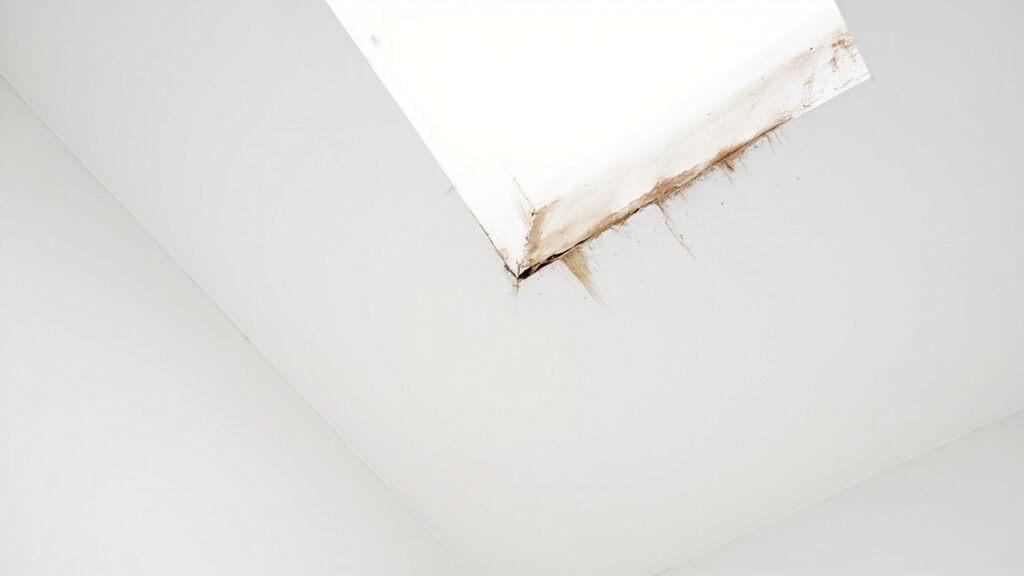
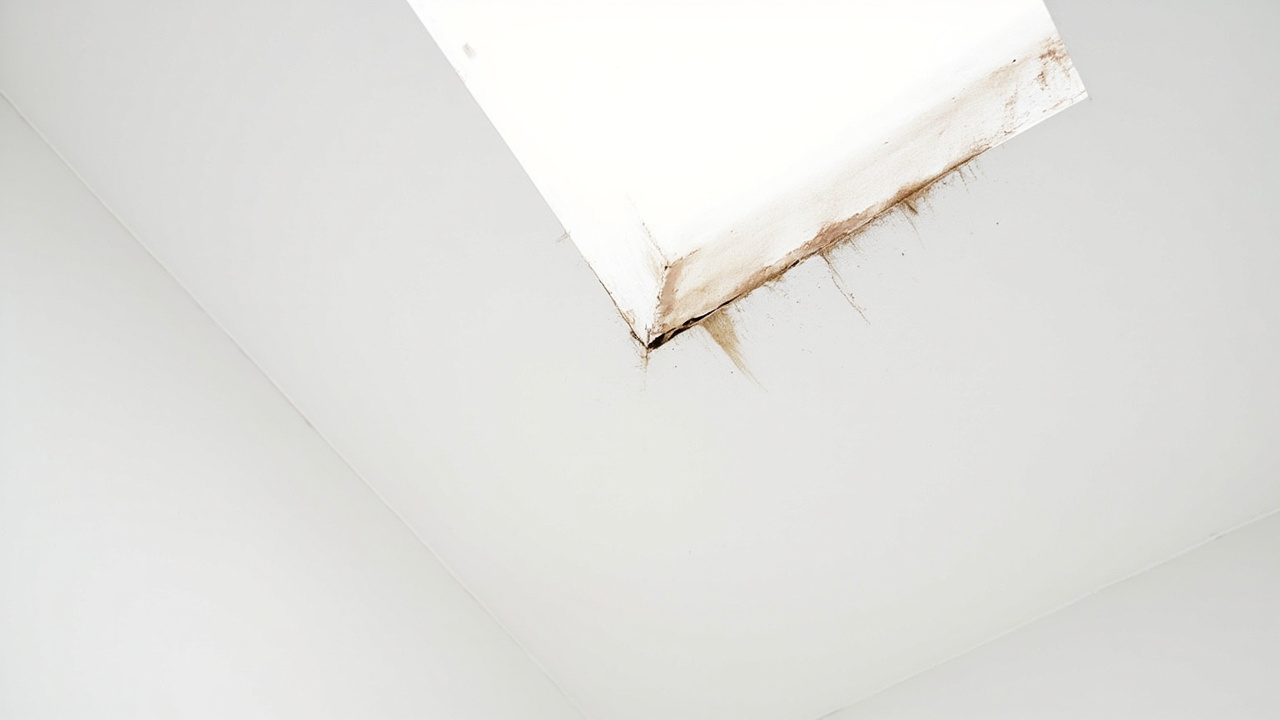
- Damp spots or water stains spreading from the skylight corners
- Peeling paint or bubbling drywall near the ceiling opening
- Dripping water during rain or snow melt
- Condensation between double-pane glass that won’t clear
- Visible cracks in acrylic dome surfaces
Condensation can mimic leak symptoms but forms from indoor humidity trapped against cold skylight surfaces. Active leaks typically worsen during precipitation and show water trails along ceiling joists or wall studs.
Denver Weather Factors That Accelerate Skylight Wear
Colorado’s climate creates specific challenges for skylight longevity. The state’s Building Code requires Class 4 impact-resistant materials in many areas due to frequent hail. Denver’s intense sunlight at 5,280 feet elevation breaks down sealants faster than lower altitude locations. Temperature fluctuations of 40 to 50 degrees in a single day cause expansion and contraction cycles that stress mounting hardware and seals.
Heavy snow loads common in Denver winters add weight stress to curb-mounted skylights. When snow melts during warm spells then freezes overnight ice formation can lift flashing away from roofing materials creating entry points for water. Roofing Sheridan.
Types of Skylights and Their Common Failure Points
Understanding your skylight type helps diagnose problems. Most Denver installations fall into these categories:
Curb-Mounted Skylights
These sit on a raised frame above the roof surface. Common failure points include deteriorated sealant between the curb and roofing material and damaged flashing where the curb meets the roof. The raised design helps with snow shedding but creates more seams that can fail.
Deck-Mounted Skylights
Installed flush with the roof surface these have fewer seams but rely heavily on integrated flashing systems. Failure typically occurs when the one-piece flashing degrades or when improper installation allows water to back up under shingles.
Acrylic Dome Skylights
Popular in older Denver homes these plastic domes become brittle from UV exposure. Hail can crack them creating immediate leak paths. The gaskets that seal them to the frame also dry out and fail over time.
Glass Skylights
More durable than acrylic these resist hail damage better but can suffer seal failure between panes. When the argon gas escapes between double panes condensation forms permanently inside making the skylight look foggy.
Quick Diagnosis Steps for Homeowners
Before calling a professional try these steps to identify your skylight’s problem:
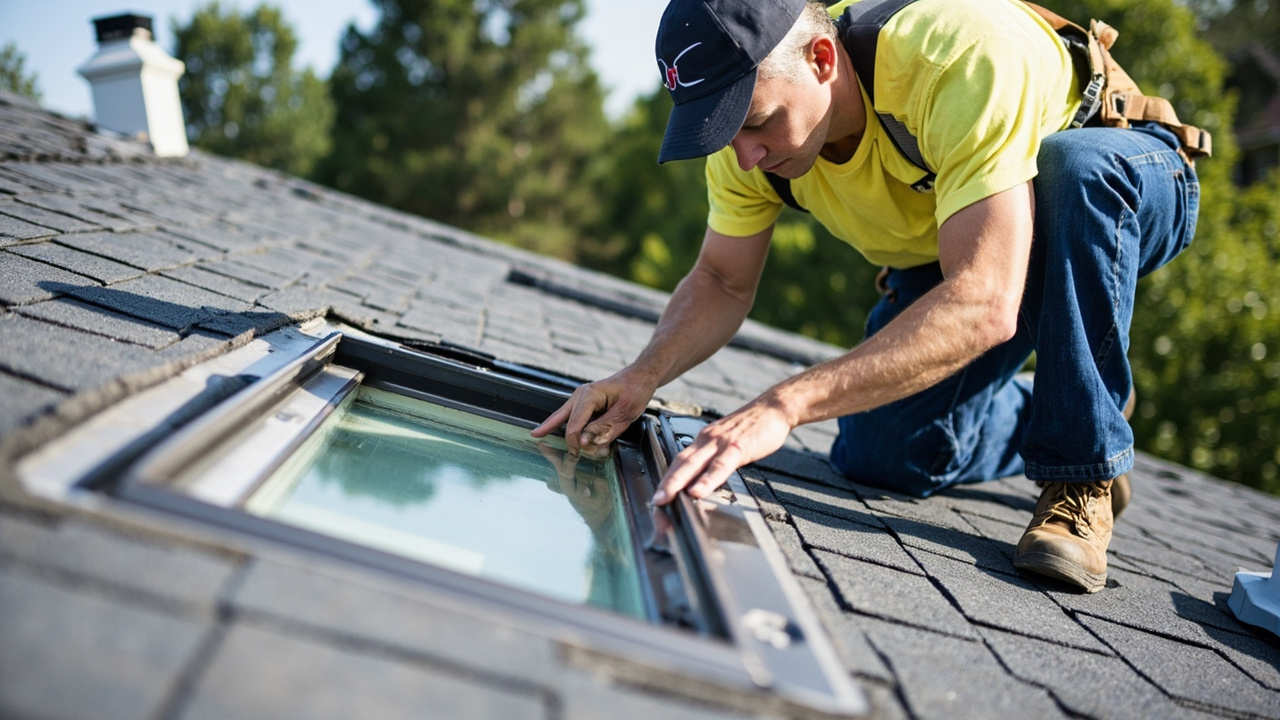
- Check the exterior during daylight for visible cracks or seal gaps
- Run a garden hose on the roof above the skylight for 15 minutes watching for interior leaks
- Inspect attic space above the skylight for water trails on rafters
- Examine the ceiling around the skylight for water stains or paint damage
- Test for condensation by wiping interior surfaces dry then checking for moisture return after a few hours
If water appears during the hose test but not during natural precipitation the issue may be related to roof drainage rather than the skylight itself.
Emergency Leak Containment Steps
Active leaks require immediate action to prevent ceiling damage. Place buckets under dripping areas and move furniture away from affected zones. For ceiling bulges indicating trapped water use a screwdriver to puncture the lowest point allowing water to drain into a container. This prevents the ceiling from collapsing under water weight.
Temporarily seal small cracks from inside using waterproof tape but understand this is only a short-term solution. Denver’s dry air means leaks often stop during extended dry periods giving a false sense that the problem resolved itself.
Repair vs Replacement Decision Factors
Several factors determine whether repair makes sense or if full replacement is more cost-effective: EPA.
| Factor | Repair Makes Sense | Replacement Better |
|---|---|---|
| Age | Under 10 years old | Over 15 years old |
| Damage Type | Seal failure only | |
| Energy Efficiency | Single-pane with working seals | Old double-pane with failed seals |
| Cost | Repair under $500 | Multiple repairs needed |
Denver’s building codes have evolved since many skylights were originally installed. Current standards require better flashing integration and impact resistance that older units cannot be upgraded to meet.
Professional Repair Process Overview
Professional skylight repair follows a systematic approach to ensure lasting results. The process typically includes:
Initial Assessment
Technicians examine both interior and exterior conditions documenting all failure points. They check roof condition around the skylight since adjacent shingle damage often contributes to leaks.
Moisture Mapping
Using infrared cameras professionals identify all water intrusion points even those not visible to the naked eye. This prevents fixing one leak only to have another appear later.
Flashing Replacement
Damaged flashing creates most skylight leaks. New flashing must integrate with existing roofing materials using compatible sealants that withstand Denver’s temperature swings.
Sealant Application
Modern sealants specifically formulated for Colorado’s UV exposure and freeze-thaw cycles provide better longevity than standard products.
Denver Building Code Considerations
Denver requires permits for skylight modifications that affect the roof structure. The city’s Green Building Ordinance impacts commercial installations requiring specific energy efficiency ratings. Residential installations in historic districts may need additional approvals.
Local codes mandate minimum snow load ratings for skylights based on roof pitch and building location. Areas west of I-25 often face higher requirements due to greater snow accumulation.
Preventing Future Skylight Problems
Regular maintenance prevents most skylight failures. Clean debris from around the skylight perimeter twice yearly allowing proper water drainage. Check seals annually for cracking or separation. After severe hail storms inspect for damage even if leaks aren’t apparent.
Consider applying UV-resistant sealant coatings every 3 to 5 years depending on skylight exposure. Homes in open areas with southern exposure need more frequent treatment than those protected by trees or other buildings.
Energy Efficiency Upgrades
Modern skylights offer significant energy savings through improved glazing technology. Low-emissivity coatings reflect heat in summer while allowing solar gain in winter. Gas-filled insulated glass units reduce heat transfer by up to 50% compared to older single-pane designs.
Denver homeowners may qualify for federal tax credits on qualifying energy-efficient skylight replacements. The credits apply to both the product and installation costs when meeting specific efficiency standards. How Much a Full Roof Replacement Actually Costs in Denver Right Now.
When to Call a Professional Immediately
Certain conditions require prompt professional attention. Active leaks during dry weather indicate plumbing or HVAC issues rather than roof problems. Multiple skylight failures suggest systemic installation issues. Water stains spreading rapidly across ceilings signal trapped moisture that could cause structural damage.
Denver’s monsoon season from July through September brings intense afternoon thunderstorms. Leaks that appear during these storms often worsen quickly as repeated saturation overwhelms temporary fixes.
Cost Factors for Skylight Repairs in Denver
Repair costs vary based on several factors. Simple seal replacements start around $300 while complete flashing system replacements range from $800 to $1,500. Full skylight replacement including roofing work typically costs $2,000 to $4,000 depending on size and features. Industrial Roof Replacement.
Emergency repairs during weekends or after hours incur premium charges. Insurance may cover damage from covered perils like hail but often excludes wear-and-tear related failures.
Finding Qualified Skylight Repair Professionals
Look for contractors with specific skylight experience rather than general roofers. Ask about warranty coverage for both materials and labor. Verify they understand Denver’s unique climate challenges and building code requirements.
Request references from recent local projects similar to yours. Check that they carry proper insurance for both roofing and interior damage liability.
Long-Term Value of Proper Skylight Maintenance
Well-maintained skylights can last 20 to 30 years while neglected ones may fail in under 10. The cost of regular maintenance typically runs 10% of replacement costs while extending unit life by 50% or more.
Energy savings from modern efficient skylights often offset replacement costs within 5 to 7 years through reduced heating and cooling expenses.
Frequently Asked Questions
How can I tell if my skylight leak is from the roof or the skylight itself?
Test by running water from a hose on the roof above the skylight while watching inside. If leaks appear only during this test the roof drainage is likely the issue. If leaks occur during natural precipitation regardless of testing the skylight itself probably needs repair.
Can I repair a skylight leak myself?
Minor sealant issues can be DIY repaired but most leaks require professional diagnosis. Incorrect repairs often trap water causing more extensive damage. Denver’s specific climate factors also require specialized materials for lasting repairs.
How long does skylight repair take?
Simple seal repairs take 2 to 4 hours. Complete flashing replacement requires 4 to 8 hours. Full skylight replacement including roofing work typically takes one full day with additional time for interior finishing.
Will my homeowner’s insurance cover skylight repairs?
Insurance typically covers sudden damage from covered perils like hail or falling trees. Gradual wear-and-tear failures usually require out-of-pocket payment. Check your specific policy for coverage details.
How often should skylights be inspected?
Professional inspection every 2 to 3 years prevents most major failures. Check seals and flashing annually yourself especially after severe weather. Clean debris from around skylights quarterly to prevent water backup.
Don’t wait for ceiling stains to spread. Denver’s unique climate makes skylight leaks a common but preventable problem. Whether you need emergency repair or want to upgrade to a more efficient model our local experts understand the specific challenges your skylight faces. Call (720) 484-8300 today for a professional assessment before minor moisture becomes major damage to your home. For more information, visit FEMA.